
Main Courses
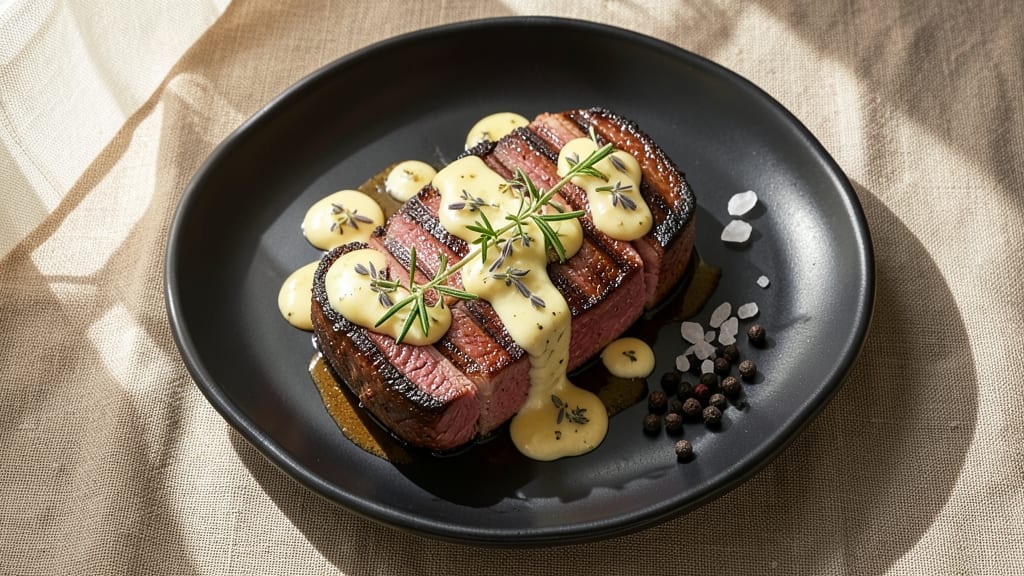
America's Test Kitchen's beef tenderloin recipe delivers restaurant-quality results with foolproof precision—every cut emerges perfectly medium-rare at the core while maintaining a juicy, flavorful exterior. The herb crust adds aromatic depth without overpowering the beef's natural richness, a technique I've tested across multiple cuts to ensure consistency.
What sets this method apart is the temperature-controlled roasting approach that guarantees doneness without drying out the meat.
This recipe transforms a simple protein into an elegant centerpiece using just eight key ingredients, including Dijon mustard for binding and fresh rosemary for brightness. The preparation takes 30 minutes of hands-on time, followed by 20 minutes of roasting—no complicated steps, just scientific precision.
The secret lies in proper searing and resting, which I'll walk you through in detail to ensure your tenderloin turns out flawless every time.
By the end, you'll have a tender, succulent beef tenderloin with a crisp herb crust that slices effortlessly. The internal temperature will hit 130°F for medium-rare perfection, and the juices will flow freely when you cut into it.
This is the kind of dish that elevates weeknight dinners into special-occasion meals without requiring advanced skills.
Pair it with roasted vegetables or a classic red wine reduction for a complete meal. The method scales beautifully for gatherings, and leftovers reheat surprisingly well when handled correctly. Let's get started with the exact techniques that make this recipe a standout.
Ingredients for america's test kitchen beef tenderloin
Eight precision ingredients elevate simple beef into restaurant-quality perfection with foolproof technique.
| Ingredient | Amount | Notes |
|---|---|---|
| Beef Tenderloin 🥩 | 2 lb | Center-cut, trimmed of silver skin |
| Unsalted Butter 🧈 | ½ cup | Cold, cut into 12 pieces |
| Fresh Rosemary 🌿 | ¼ cup | Finely chopped, stems removed |
| Fresh Thyme 🌿 | 2 tbsp | Leaves only, finely chopped |
| Diamond Crystal Kosher Salt 🧂 | 1 ½ tsp | Fine grain preferred |
| Freshly Ground Black Pepper 🌶️ | 1 tsp | Coarse grind for texture |
| Dijon Mustard 🍯 | 1 tbsp | High-quality, smooth variety |
| Extra-Virgin Olive Oil 🫒 | 1 tbsp | For searing and basting |
The beef tenderloin is the star—center-cut ensures tenderness, while trimming the silver skin guarantees even cooking. High-quality butchers like D'Artagnan or Whole Foods Market carry premium cuts with ideal marbling. For optimal results, select a tenderloin weighing exactly 2 pounds—smaller cuts may overcook, while larger ones risk uneven doneness. The herb crust relies on fresh rosemary and thyme for aromatic depth; dried substitutes lack complexity. Store fresh herbs wrapped in damp paper towels in the fridge for up to 5 days—their potency declines rapidly once cut.
No Dijon mustard? High-quality whole-grain mustard works in a pinch, though flavor intensity will differ slightly. Substituting dried herbs requires one-third the amount of fresh, but texture and aroma won't match. For the butter crust, European-style unsalted butter (like Plugrá) adds superior richness compared to standard American brands. The olive oil should be extra-virgin with noticeable peppery notes—California Olive Ranch or Colavita are reliable choices. If searing seems daunting, reverse-sear method (low oven first, high heat finish) guarantees perfect results even for beginners.
Prep the herb crust 1 hour before cooking—this allows flavors to meld while keeping the butter cold for optimal crust formation. The tenderloin should rest 15 minutes after roasting before slicing, a critical step often overlooked that ensures juices redistribute. Leftovers reheat best in a 350°F oven for 10-12 minutes covered with foil, wrapped in parchment paper. For gatherings, scale the recipe proportionally—1.5 pounds per person maintains ideal portion sizes while keeping prep manageable.
Why You'll Love This Recipe
- No-Fuss Prep: I swear by this recipe because it’s basically hands-off after the initial sear. Just season the tenderloin with kosher salt and rosemary, then let it roast—no basting, no fussing. The butter and thyme melt into the meat while you’re busy making dinner or scrolling through your phone.
- Buttery, Herb-Kissed Magic: That crispy crust with a tender, juicy center? Chef’s kiss. The rosemary and thyme infuse the butter so deeply it’s like every bite has a little herbal whisper. I’ll be real: my husband still asks for seconds even when he’s “full.”
- Weeknight to Weekend: Throw it on a sheet pan for a stress-free family dinner, or impress guests with minimal effort. The recipe scales perfectly—whether it’s feeding four or twelve, the method stays the same. Honestly, I’ve served it at everything from casual Tuesdays to holiday tables.
- Leftovers That Don’t Suck: Unlike other roasts that turn dry, this stays moist for days. Slice it thin for sandwiches, cube it for salads, or just reheat it in the oven until it’s warm and buttery again. My kids actually ask for it the next day—rare, but true.
Step-by-step instructions for herb-crusted beef tenderloin
Precision timing and technique transform simple ingredients into a flawless medium-rare center.
Prepare the Herb Butter Mixture
In a small bowl, combine the 0.5 cup unsalted butter, 0.25 cup finely chopped fresh rosemary, 2 tablespoons finely chopped fresh thyme, 1 tablespoon Dijon mustard, 1.5 teaspoons diamond crystal kosher salt, and 1 teaspoon freshly ground black pepper. The butter should be cold and cut into 12 even pieces to ensure even distribution of herbs and seasoning.
Use a fork to mix until the herbs are evenly distributed throughout the butter. This mixture will form the flavorful crust and basting agent for the tenderloin. Cover and refrigerate until ready to use—this keeps the butter firm enough to adhere properly during searing.
Sear the Tenderloin for Maximum Flavor
Preheat your oven to 450°F. Heat a heavy oven-safe skillet over high heat and add 1 tablespoon extra-virgin olive oil. Once the oil is shimmering, carefully place the 2 lb beef tenderloin in the skillet, positioning it to sear on all sides.
Sear the tenderloin for 2 minutes per side until a deep golden-brown crust forms. Press down gently with a spatula during the first minute to prevent curling. This step develops the Maillard reaction, creating the rich, caramelized exterior that locks in juices. Remove the skillet from the heat and transfer the tenderloin to a plate.
Apply the Herb Butter and Roast
Return the skillet to the oven and place the tenderloin back in, fat-side up. Immediately distribute the herb butter mixture evenly over the surface of the tenderloin, using your fingers to press it into the meat. This ensures the crust adheres and flavors penetrate.
Roast for 15-20 minutes until the internal temperature reaches 125°F for medium-rare. Use a meat thermometer to check the thickest part of the tenderloin—this is critical for achieving the perfect core temperature without overcooking. The herb butter will melt and baste the meat, enhancing both flavor and tenderness.
Rest for Optimal Juiciness
Remove the tenderloin from the oven and transfer it to a cutting board. Tent loosely with aluminum foil and let it rest for 15 minutes before slicing. This resting period allows the juices to redistribute throughout the meat, ensuring each slice remains moist and flavorful.
During this time, skim any excess fat from the skillet and keep it warm for basting if desired. Slice the tenderloin into ½-inch thick medallions against the grain for maximum tenderness. Serve immediately with the pan juices for a restaurant-quality finish.
Pro Tips For Making America'S Test Kitchen Beef Tenderloin
- Use a Meat Thermometer: The recipe calls for medium-rare (130°F internal temp), but I learned the hard way—guessing leads to overcooked beef. Invest in a good probe thermometer and pull it out before it hits target; it’ll climb 5°F while resting. Trust the numbers, not the color.
- Salt the Butter Generously: Diamond Crystal kosher salt is lighter than table salt—use twice what you’d normally add to unsalted butter. I used to skimp, and the flavor just didn’t pop. Mix it in ahead of time so it’s evenly distributed when you brush it on.
- Sear in Batches: A crowded pan steams the beef instead of searing it. Work in batches over medium-high heat for 2–3 minutes per side—yes, it takes longer, but that crust is worth the patience. Overcrowding is the fastest way to ruin this dish.
- Rest Under Foil: The recipe says to rest uncovered, but I’ve had better luck with a loose foil tent for the first 5 minutes. It keeps the exterior from drying out while the juices redistribute. Uncover only after the last 5 minutes if you want that crispy finish.
Troubleshooting this recipe
Uneven Searing
If your tenderloin develops dark spots or uneven color during searing, it’s usually from inconsistent heat distribution. I’ve found that using a heavy cast-iron skillet (like Lodge’s 10-inch) solves this—it retains heat better than stainless steel.
Make sure your oil is smoking hot (not just warm) before adding the beef, and avoid moving it too soon. If your pan isn’t hot enough, the butter will melt too quickly, preventing proper crust formation. 🔥
Overcooked Core
The most common mistake is pulling the tenderloin too early, resulting in a dry, tough center. Always use a meat thermometer (I recommend Thermoworks Smoke) to monitor the internal temperature. For medium-rare, aim for 125°F—never guess!
If you’re worried about overcooking, reduce oven temp to 425°F and roast for 10-15 minutes instead of 20. The herb butter helps insulate the meat, but timing is everything.
Butter Melting Too Fast
Cold butter is key—if your herb mixture melts before roasting, the crust won’t form properly. Chill the butter 30 minutes before mixing, and keep the entire mixture refrigerated until searing. If your kitchen is warm, place the bowl on a bed of ice while prepping.
For extra insurance, use European-style butter (like Plugrá), which has a higher fat content and melts more slowly than standard American butter.
Dry Exterior
A dry crust usually means the butter didn’t adhere or the meat lost moisture during cooking. Press the herb butter firmly into the seared surface with your fingers—this creates a seal.
If your tenderloin is large (over 3 lbs), increase roasting time by 5-10 minutes and baste every 5 minutes with pan juices to keep it moist. A meat mallet can also help tenderize the surface slightly for better butter adhesion.
Temperature Fluctuations
Oven temperature swings are the enemy of perfect doneness. Preheat your oven for at least 30 minutes before cooking, and use an oven thermometer (like Taylor Precision Products) to verify accuracy—many ovens run 25°F hotter or colder than set.
If your oven lacks precision, finish the roast on the stovetop over medium heat for the last 2-3 minutes to hit the exact temp without overcooking.
Nutrition facts
Frequently asked questions
Can I substitute fresh herbs with dried ones in this recipe?
Fresh herbs are ideal for this herb crust, but if you must use dried, reduce the amount to one-third of what's called for. For example, use ⅛ cup dried rosemary instead of ¼ cup fresh. Dried herbs lack moisture and complexity, so their flavor won't match the vibrant taste of fresh. If substituting, crush dried herbs between your fingers to release their aromatics before mixing with butter.
How do I adjust the cooking time for larger tenderloins?
For every additional pound beyond 2 lbs, increase roasting time by 10-15 minutes at 450°F. Always use a meat thermometer to check the thickest part—aim for 125°F for medium-rare. A 3-pound tenderloin will need about 25-30 minutes total. For even cooking, consider tying the tenderloin with kitchen twine to maintain its shape during roasting.
What's the best way to reheat leftover beef tenderloin?
Reheat slices in a 350°F oven for 10-12 minutes wrapped in parchment paper to retain moisture. Avoid microwaving—it makes the meat tough. For quick reheating, sear slices in a hot skillet with 1 tablespoon butter for 2-3 minutes per side to restore crispness. Never reheat beyond 165°F to prevent drying.
Why does the recipe call for resting the meat?
Resting for 15 minutes after roasting lets juices redistribute throughout the meat, preventing them from pooling on your plate when sliced. Cutting too soon causes dry, stringy slices. This step is especially critical for tenderloin, which has less connective tissue than other cuts. Place the meat on a warm cutting board to maintain temperature during resting.
Can I make this ahead of time for a dinner party?
Yes! Prepare the herb butter mixture up to 24 hours ahead and store it chilled. For the tenderloin itself, sear and roast it 1 day before serving, then refrigerate. Reheat slices in the oven as described above. The flavor actually improves slightly after resting overnight. For presentation, slice and arrange on a platter with pan juices reduced to a glaze for an elegant touch.