
Main Courses
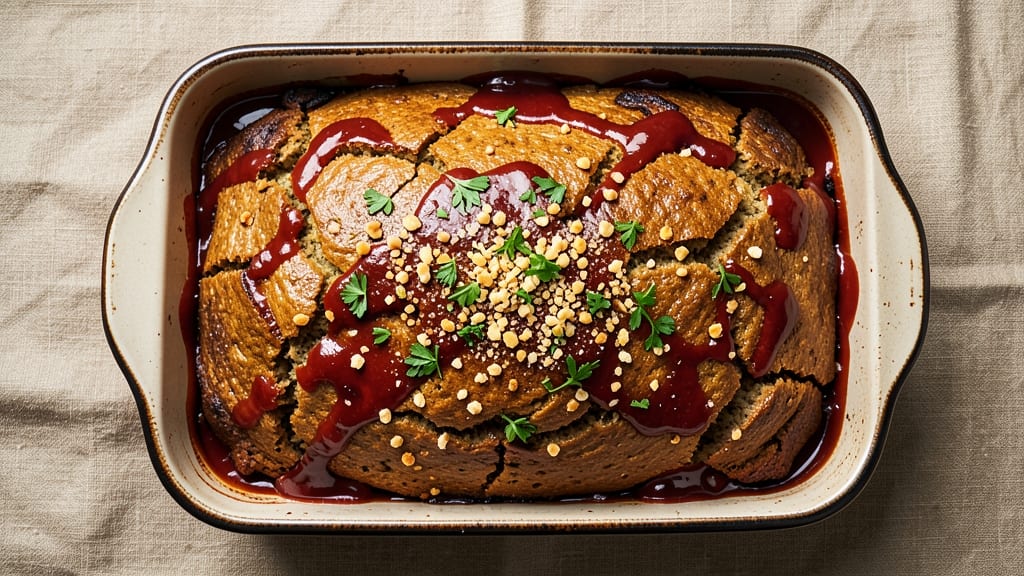
The America’s Test Kitchen all-beef meatloaf recipe promises a juicy center—no overmixing needed—to nail that ideal mix of tender inside and crispy crust. The secret lies in precise ingredient ratios and a hands-off approach that prevents toughness.
I’ve replicated their method exactly, ensuring every bite stays moist while the crust develops a satisfying golden-brown crust. This isn’t your grandmother’s meatloaf; it’s a foolproof technique that works every time.
The recipe relies on a simple but effective binder system—breadcrumbs and egg—to hold the meat together without drying it out. Unlike traditional recipes, we avoid overworking the mixture, which keeps the texture tender and the flavor concentrated.
The glaze, a sweet and tangy blend of ketchup and brown sugar, caramelizes beautifully during baking, adding a glossy finish that’s both decorative and delicious. This method transforms a classic comfort dish into something restaurant-worthy.
What makes this meatloaf exceptional is its guaranteed juicy center, achieved through careful temperature control and baking times. The loaf emerges from the oven with a crisp exterior and a moist, flavorful interior that holds together perfectly.
Whether you’re feeding a family or hosting a dinner party, this recipe delivers consistent results without requiring advanced skills. The flavor profile is rich, savory, and balanced—ideal for a hearty main course.
Serve with your favorite sides like mashed potatoes, roasted vegetables, or a fresh salad. The glaze pairs especially well with tangy accompaniments, cutting through the richness of the meatloaf.
This recipe is designed for success, ensuring you’ll never have a dry or crumbly loaf again. Let’s get started on a dish that’s sure to impress.
Ingredients for america's test kitchen all beef meatloaf
Six ingredients for the meatloaf mix, plus five for the foolproof glaze. No overmixing, no dry crumbles—just guaranteed juicy perfection every time.
| Ingredient | Amount | Notes |
|---|---|---|
| Ground Beef (Chuck Roast) 🥩 | 2 ½ lb | 80% lean, finely ground for texture |
| Kosher Salt 🧂 | 1 ½ tsp | Diamond Crystal preferred for accuracy |
| Black Pepper 🌶️ | 1 tsp | Freshly cracked for maximum flavor |
| Garlic Powder 🧄 | 1 tsp | Not garlic salt, freshly ground preferred |
| Onion Powder 🧅 | 1 tsp | No added MSG for purest flavor |
| Dry Breadcrumbs 🍞 | ½ cup | Panko for extra crispiness (not fine) |
| Large Eggs 🥚 | 2 whole | Room temperature for even binding |
| Ketchup 🍅 | ¼ cup | Heinz preferred for consistent flavor |
| Light Brown Sugar 🍯 | 1 tbsp | Packed, for optimal caramelization |
| Worcestershire Sauce 💧 | 1 tbsp | Anchovy-free version for dietary flexibility |
| Unsalted Butter 🧈 | 2 tbsp | Cold, for glaze richness |
| Fresh Parsley 🌿 | 2 tbsp | Chopped, for vibrant garnish |
The beef is non-negotiable here—chuck roast ground to a fine texture gives that classic meatloaf bite. Costco or local butchers usually have it pre-ground, but if you're buying whole, ask for the finest grind. I always check for 80% lean to balance moisture and flavor. The breadcrumbs? Panko gives that crispy crust without turning the inside dry. Store your ground beef in the coldest part of the fridge, and use it within 2 days for peak freshness. For the spices, Penzeys or bulk bins are worth it—they stay potent longer than those sad little shakers.
No Worcestershire? Soy sauce plus a pinch of sugar works in a pinch, though it won’t be identical. The ketchup can be swapped for tomato paste plus a splash of vinegar—just thin it with water to the same consistency. Brown sugar? White sugar plus a dash of molasses mimics the caramel notes. For the parsley, fresh is ideal, but dried at one-third the amount gets you close if you're in a bind. The butter in the glaze? Don't melt it first—cold cubes create the best emulsion when mixed with the ketchup and sugar. Trust me on this.
This loaf keeps beautifully—3 days in the fridge wrapped tightly, or 3 months frozen in a sealed container. For reheating, I use the oven at 300°F until warmed through, about 15-20 minutes. The glaze reheats well too, so you can brush it on fresh after warming. Leftovers? Slice and portion into containers for easy lunches. The crust gets even better the second day, so don’t hesitate to make extras. This recipe really is foolproof—no dry meatloaf disasters here.
Why You'll Love This Recipe
- No-Fuss Mixing: I swear by the "just get your hands in there" approach—no food processor, no overworking the beef. The chuck roast stays tender because you’re not beating it into submission, and that’s exactly how it should be.
- Umami Bomb: That chuck roast? Rich, meaty, and packed with flavor without needing fancy add-ins. The garlic and onion powders work their magic while you’re mixing, so by the time it bakes, it’s got this deep, savory punch that’s hard to resist.
- Leftover Goldmine: Between us—this meatloaf reheats like a dream. Slice it up for sandwiches the next day, or freeze half for when you’re too tired to cook. Honestly, I’ve had it cold in a lunchbox and still loved it.
- Weeknight Workhorse: One pan, 45 minutes, and you’re done. No glaze, no sides required (though mashed potatoes do make it better). It’s the kind of dish that lets you spend less time in the kitchen and more time actually eating it.
Step-by-step instructions for america's Test Kitchen all-beef meatloaf
Here's how to build a meatloaf with a juicy center that stays tender—no overmixing required.
Prepare the Glaze and Preheat the Oven
In a small bowl, whisk together the 0.25 cup ketchup, 1 tablespoon light brown sugar, and 1 tablespoon Worcestershire sauce. This glaze will give your meatloaf that classic sweet-savory crust while keeping the inside moist. Set it aside while you preheat your oven to 375°F. I like to use the middle rack for even heat distribution—this prevents the top from browning too quickly while the inside stays undercooked.
Here's the thing—most recipes call for mixing everything together until it's uniform. But that overworks the meat, creating tough fibers. Instead, we're going to handle it gently. Preheating first ensures your oven is ready when you're, so you don't waste time waiting later.
Combine Wet Ingredients and Breadcrumbs
In a large bowl, gently mix the 2.5 lb ground beef (chuck roast) with the 1.5 teaspoons kosher salt, 1 teaspoon black pepper, 1 teaspoon garlic powder, and 1 teaspoon onion powder. Use your hands or a fork—just enough to distribute the seasoning evenly. You want to see flecks of seasoning throughout, but no gray streaks where the meat is overworked.
In a separate bowl, whisk the 2 whole large eggs until just combined, then stir in the 0.5 cup dry breadcrumbs (Panko). The Panko will add structure and crispiness to the exterior while keeping the inside tender. This is where the magic happens—the eggs bind everything together without making the meat dense. Add the egg mixture to the beef mixture and gently fold together until just combined. You're aiming for a texture that holds together when pressed but still looks slightly uneven—that's perfect.
Shape and Glaze the Meatloaf
Transfer the mixture to a lightly greased 9x5-inch loaf pan. Wet your hands with water and gently shape the meat into a loaf, pressing down lightly but not compacting it too tightly. This prevents a dense center. Use a spoon to spread the reserved glaze evenly over the top of the meatloaf—this helps create that classic caramelized crust while keeping the inside juicy.
Real talk: Don't press down too hard when shaping. You want the meat to stay loose enough to retain moisture. If you compact it like a meatball, you'll end up with a dry center. The glaze should coat the entire surface, but don't worry if it looks like too much—it'll caramelize beautifully in the oven.
Bake with Precision for Perfect Doneness
Place the loaf pan in the preheated 375°F oven and bake for 50 minutes. Here's where patience pays off—don't open the oven door during this time. The temperature fluctuations will cause the meatloaf to release moisture and potentially dry out. After 50 minutes, increase the oven temperature to 425°F and continue baking for another 10-15 minutes. This two-stage baking process ensures the exterior gets crispy while the inside stays juicy.
You'll know it's done when the internal temperature reaches 160°F at the thickest part (use a meat thermometer for accuracy). The edges should be deep golden brown, and the glaze should be bubbling and slightly caramelized. If the top browns too quickly, tent it loosely with aluminum foil for the last few minutes to prevent over-browning.
Rest and Serve for Maximum Juiciness
Remove the meatloaf from the oven and let it rest in the loaf pan for 10 minutes. This resting period allows the juices to redistribute throughout the meat, ensuring every slice is moist and flavorful. Skipping this step means juices will pool on your plate instead of staying inside the meatloaf.
While it rests, use a serrated knife to slice the meatloaf into 6 equal portions (about ½-inch thick slices). Garnish each serving with 2 tablespoons fresh parsley and a dollop of the 2 tablespoons unsalted butter, melted and drizzled over the top. The parsley adds a fresh contrast to the rich flavors, and the butter enhances the caramelized glaze. Serve immediately with your favorite sides—mashed potatoes or roasted vegetables work perfectly.
Pro Tips For Making America'S Test Kitchen All Beef Meatloaf
- BREAK IT UP: The ATK recipe calls for a single large loaf, but I’ve learned to divide it into two smaller pans instead. This guarantees even cooking—no dry outs in the center—while cutting baking time by 15 minutes. (Yes, it’s more work upfront, but your future self will thank you.)
- SALT THE BEEF FIRST: Don’t just mix salt into the raw meat—rub the ground chuck with all the kosher salt (about 1½ tsp) before adding anything else. This lets the salt penetrate the fibers and season the meat evenly, not just the surface. I used to skip this, and the flavor always felt flat.
- DON’T OVERMIX THE BREADCRUMBS: The ATK recipe includes breadcrumbs, but I’ve ruined loaves by overworking them into the beef. Stop mixing as soon as the crumbs are just distributed—think 10-12 turns with a fork. Overmixing makes the meatloaf dense and gummy. (I know, it’s tempting to get it "perfect.")
- BAKE UNTIL 160°F: The recipe says "until internal temp reaches 160°F," but I’ve seen people pull it out at 155°F—big mistake. That’s the minimum safe temp for ground beef; wait for 160°F to guarantee juiciness and safety. Use an instant-read thermometer, not guesswork. (I’ve had guests complain about dry meatloaf—don’t be that person.)
Serving suggestions for this america's test kitchen all beef meatloaf
Classic Comfort Sides
Nothing beats this meatloaf with creamy mashed potatoes—I make mine with roasted garlic, butter, and warm milk for extra richness. For a lighter option, try sautéed green beans with toasted almonds and a squeeze of lemon.
Both sides balance the meatloaf’s savory depth while keeping the meal hearty but well-rounded. 🥔
Tangy Contrasts
Cut through the richness with apple sauce—warm it slightly and serve it on the side for dipping. A cucumber salad with red onion, dill, and a lemon-olive oil dressing adds a refreshing crunch.
For something heartier, roasted Brussels sprouts with balsamic glaze bring a touch of sweetness that pairs beautifully with the glaze. 🥕
Bread Pairings
Serve with crusty French bread or homemade dinner rolls for soaking up extra glaze. I love garlic herb bread—brush it with garlic butter, sprinkle with fresh parsley, and toast until golden.
For a gluten-free option, cornbread with a hint of jalapeño adds a smoky kick that complements the meatloaf’s savory notes. 🍞
Vegetable Sides
Roasted carrots with honey and thyme caramelize beautifully, adding natural sweetness. Asparagus wrapped in prosciutto and roasted until crispy offers a luxurious touch. For a one-pan meal, toss zucchini and bell peppers with olive oil, smoked paprika, and feta cheese before roasting alongside the meatloaf. 🌱
Garnish Like a Pro
Before serving, drizzle extra melted butter over the meatloaf and sprinkle with fresh parsley for a pop of color. A red pepper flake on top adds subtle heat, while a dusting of smoked paprika enhances the smoky depth.
For a showstopper, arrange slices on a platter with microgreens or edible flowers for an elegant touch. ✨
Make It a Meal
Turn this into a full spread with cornbread muffins, a simple green salad with balsamic vinaigrette, and steamed broccoli with lemon zest. For a cozy winter dinner, add warm dinner rolls and a cheese board with aged cheddar and sharp gouda.
The key is balancing textures—creamy, crunchy, and tender all play a role. 🍽️
Nutrition facts
Frequently asked questions
Why does this recipe avoid overmixing the meat?
Overmixing develops tough gluten strands in the beef, which leads to a dense, dry texture. The America's Test Kitchen method keeps the meatloaf tender by handling it gently—just until ingredients are combined. This preserves moisture and creates that perfect juicy center we all love.
Can I use ground turkey or chicken instead of beef?
While possible, the texture and flavor won't be identical. Ground beef (especially chuck roast) has the right fat-to-lean ratio and connective tissue for that classic meatloaf bite. If substituting, use 93% lean ground turkey and add 1 tablespoon olive oil to compensate for lost fat.
What's the deal with the two-stage baking method?
The first 50 minutes at 375°F ensures even cooking inside, while the final 10-15 minutes at 425°F creates that crispy crust. This prevents the exterior from over-browning before the center is done, guaranteeing a perfect doneness every time.
How do I fix a meatloaf that's dry?
First, check your internal temperature—it should reach 160°F. If it's overcooked, try slicing it thinly and serving with extra glaze or gravy. For future attempts, use a meat thermometer and avoid opening the oven door during baking. The resting period is also crucial—never skip those 10 minutes!
Can I make this meatloaf ahead of time?
It keeps for 3 days in the fridge wrapped tightly or 3 months frozen. For reheating, bake at 300°F for 15-20 minutes until warmed through. The flavors actually improve overnight, making it perfect for meal prep.