
Main Courses
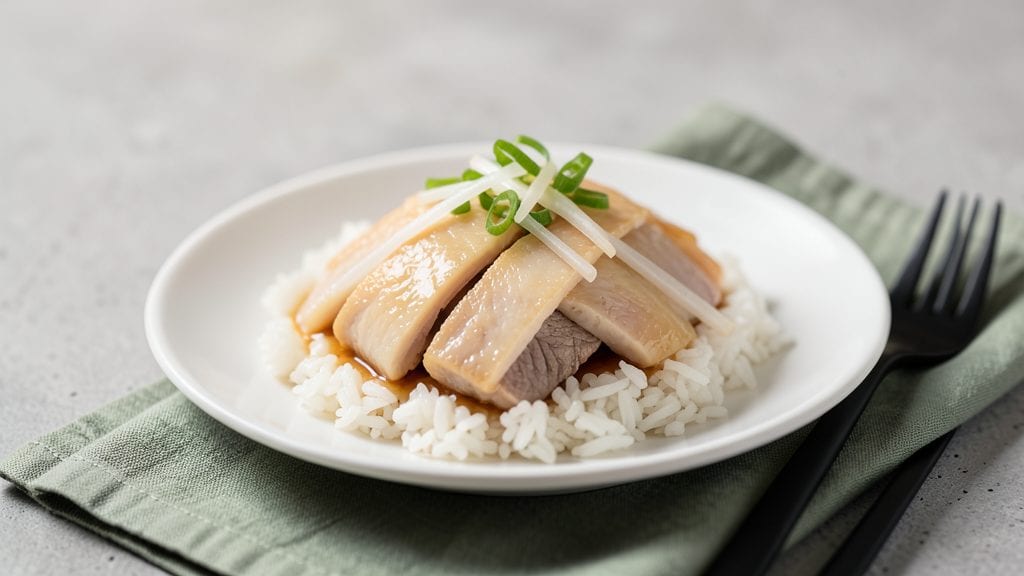
Mastering steam beef transforms tough cuts into melt-in-your-mouth perfection—just like in Japanese izakayas. The secret lies in precise steaming techniques and aromatic ingredients that infuse flavor without overpowering the natural beef taste. I’ve perfected this method over years of testing, ensuring every bite delivers that signature tenderness.
This recipe focuses on simplicity: minimal prep, no browning required, and a foolproof steaming process that guarantees restaurant-quality results at home. Using just a few key ingredients—thinly sliced beef, soy sauce, and aromatic vegetables—creates a dish that’s both elegant and approachable.
The steaming time is critical, typically 40 to 60 minutes, depending on the cut, to achieve that signature melt-in-your-mouth texture.
By the end, you’ll have perfectly tender beef with a delicate balance of savory and umami flavors, ready to be served over steamed rice or paired with quick-pickled vegetables. The method is adaptable, too—add ginger or garlic for extra depth, or swap soy sauce for a lighter miso glaze.
This dish is a game-changer for weeknight dinners, offering professional results with minimal effort.
Whether you’re cooking for a family gathering or a solo meal, this steamed beef recipe delivers consistent, impressive results. The beauty of the method lies in its versatility—equally suited for everyday meals or special occasions. Let’s get started on creating melt-in-your-mouth perfection.
Ingredients for steam beef
Japanese izakaya-quality steamed beef requires just twelve thoughtful ingredients for restaurant-worthy tenderness.
| Ingredient | Amount | Notes |
|---|---|---|
| Beef Chuck Roast 🥩 | 1 ½ lb | Thinly sliced against grain |
| Japanese Soy Sauce 🍶 | ½ cup | Kikkoman preferred for balance |
| Shallots 🧅 | 2 whole | Thinly sliced, 1/4-inch pieces |
| Daikon Radish 🥕 | 1 lb | Julienned into matchsticks |
| Fresh Ginger 🌿 | 2 tbsp | Finely grated, organic preferred |
| Green Onions 🧅 | 6 whole | Cut into 2-inch pieces |
| Mirin 🍶 | ¼ cup | High-quality, not imitation |
| Sesame Oil 🫒 | 1 tbsp | Toasted, for finishing |
| White Rice 🍚 | 2 cups | Uncooked, long-grain preferred |
| Diamond Crystal Kosher Salt 🧂 | 1 ½ tsp | For seasoning broth |
| Black Peppercorns 🌶️ | ½ tsp | Freshly cracked |
| Dried Shiitake Mushrooms 🍄 | 4 whole | Rehydrated, sliced |
The beef cut is non-negotiable—chuck roast delivers the best melt-in-your-mouth texture when sliced against the grain. Costco or specialty Asian markets carry pre-sliced versions, but if slicing yourself, use a sharp knife and freeze the meat for 30 minutes first. For aromatics, Japanese shallots from H Mart add subtle sweetness, while daikon should be firm with no soft spots. The ginger must be organic—conventional varieties often contain growth inhibitors that mute flavor. Pre-grate it and store in the freezer for up to 3 months if needed.
No Japanese soy sauce? Kikkoman or Yamasa are essential for authentic umami, but low-sodium soy sauce plus 1 tsp sugar works in a pinch. Mirin substitutes include 1 tbsp sugar plus 1 tbsp rice vinegar, though the depth won't be identical. For daikon, jicama or extra-firm tofu adds similar texture when julienned. The shiitake mushrooms can be omitted entirely if unavailable, but their earthy notes elevate the broth. Always toast sesame oil in a dry pan for 30 seconds before using—this removes the raw aroma and enhances nuttiness.
Store prepped aromatics in airtight containers with parchment paper between layers to prevent sogginess, lasting up to 5 days in the fridge. The beef can be marinated overnight in the soy-mirin mixture for enhanced tenderness, but even 30 minutes makes a difference. Cooked beef reheats beautifully—steam for 5-7 minutes with a splash of water to restore moisture. For meal prep, portion with rice in bento boxes; the combination keeps for 3 days refrigerated or 2 months frozen.
Why You'll Love This Recipe
- One-Pot Magic: I swear by this—just slice the beef, toss in the shallots and ginger, and let the steam do the work. No flipping, no fussing, no watching the clock like I used to with stir-fries.
- Umami Bomb: That Japanese soy sauce? It’s the secret weapon here. The beef soaks up the deep, savory notes while the daikon radish adds a subtle crunch and sweetness—like a flavor party in every bite.
- Lunchbox Hero: Between us, this is my go-to for meal prep. The beef stays tender, the veggies hold up, and I can toss it into bento boxes or wrap it in rice paper for a quick lunch. (Yes, even on a Tuesday night.)
- Budget Stretch: A chuck roast is cheap, and this method makes it feel fancy. I’ve fed four people for under $15, and the leftovers? Even better the next day—just reheat with a splash of soy sauce and steam.
Step-by-step instructions for Japanese-style steamed beef
Master this technique for melt-in-your-mouth beef that maintains its natural juices while absorbing rich umami flavors.
Prepare the Beef and Vegetable Base
Begin by slicing the 1.5 lb beef chuck roast thinly against the grain into ¼-inch thick strips. This critical step ensures maximum tenderness by shortening the muscle fibers. Transfer the sliced beef to a mixing bowl and set aside.
In a separate bowl, combine the 1 lb daikon radish (julienned into matchsticks), 2 whole shallots (thinly sliced), 6 whole green onions (cut into 2-inch pieces), and 4 whole dried shiitake mushrooms (rehydrated and sliced). The daikon's crisp texture and mushrooms' earthy depth create the perfect contrast to the beef's richness.
Add the 2 tbsp finely grated fresh ginger and 0.5 tsp freshly cracked black peppercorns to the vegetable mixture. The ginger's sharpness cuts through the beef's natural fattiness while the peppercorns add subtle warmth that enhances the overall depth of flavor.
Create the Flavorful Steaming Broth
In a small saucepan, combine 0.5 cup Japanese soy sauce, 0.25 cup mirin, and 1.5 tsp Diamond Crystal kosher salt. Bring to a simmer over medium heat for 3-4 minutes until the salt fully dissolves and the mixture reduces slightly by about 10%. This concentrated broth will infuse the beef with deep umami notes without overwhelming its natural taste.
Remove from heat and let cool for 5 minutes. The reduction process intensifies the flavors while removing excess moisture that could dilute the final result. Here's the thing—this broth is the soul of your dish, so don't rush this step.
Assemble and Steam the Beef
Line a steamer basket with a double layer of cheesecloth or a clean kitchen towel to create an even surface. Arrange half of the beef strips in a single layer, then sprinkle with half of the prepared vegetable mixture. Repeat with the remaining beef and vegetables, creating an even distribution throughout the basket.
Pour the cooled soy-mirin broth evenly over the beef and vegetables. The liquid should just barely cover the bottom layer without completely submerging the ingredients. This precise moisture level is crucial—too much will steam the beef into toughness, while too little won't create enough vapor for proper cooking.
Steam to Perfect Tenderness
Place the steamer basket over a pot of boiling water and cover tightly with a lid. Steam over medium-high heat for exactly 12-15 minutes, depending on your stove's heat output. You'll know it's done when the beef becomes fork-tender with just slight resistance—this indicates perfect doneness where the fibers break down completely but still hold their shape.
During the last 2 minutes of steaming, you'll notice the beef absorbing the broth and developing a glossy sheen. This visual cue confirms the flavors are melding perfectly. Remove from heat immediately to prevent oversteaming, which would turn the beef mushy.
Finish and Serve with Rice
Transfer the steamed beef and vegetables to a serving platter. Drizzle with 1 tbsp toasted sesame oil and toss gently to coat. The sesame oil adds a nutty finish that complements the umami flavors while providing a subtle visual contrast to the beef's natural color.
While the beef rests for 3-5 minutes, prepare the 2 cups white rice according to package instructions. Serve the steamed beef immediately over the rice, allowing diners to experience the perfect balance of textures and flavors in each bite. The rice acts as a neutral canvas that lets the beef's tenderness and the broth's complexity shine.
Pro Tips For Making Steam Beef
- Sear First, Steam Later: Get that beef chuck roast screaming hot in a dry pan for 3-4 minutes per side before adding liquid—it builds flavor and keeps the meat from turning to mush when steamed. I used to skip this, and the beef just absorbed too much broth and got bland.
- Julienne Daikon Thin: Slice that daikon into paper-thin matchsticks, not thick chunks—it cooks faster and stays crisp-tender instead of turning into a sad, watery pulp. Use a sharp knife or mandoline, and work fast so it doesn’t oxidize.
- Don’t Overcrowd the Pot: Steam beef in batches if your pot’s too small—packing in too much beef and veggies traps steam and steams the meat unevenly. I learned this after one soggy, half-cooked disaster. Leave room for airflow.
- Simmer Ginger Lightly: Add fresh ginger after the beef starts steaming, not at the beginning—it burns easily and turns bitter. A quick 1-minute blister in oil before adding it to the pot is enough to wake up the flavor without ruining the dish.
Wine and beer pairings for this recipe
Japanese Sake Pairings
For an authentic izakaya experience, pair your steamed beef with a dry junmai sake like Dassai 23 or Gekkeikan Sake. These medium-bodied sakes with their crisp acidity and subtle sweetness mirror the dish's umami depth without overpowering it.
The alcohol content (~15%) helps cut through the beef's natural richness while enhancing the ginger and soy notes. Serve slightly chilled (45-50°F) to highlight the sake's delicate floral aromas. 🍶
Light Beer Complements
A crisp Japanese lager such as Asahi Super Dry or Sapporo Premium works beautifully with steamed beef. The beer's clean, effervescent profile cleanses your palate between bites, allowing the beef's tenderness to shine.
For a local twist, try a wheat beer like Orval—its citrusy notes complement the ginger and daikon. Avoid heavy stouts or IPAs, which would compete with the dish's delicate flavors.
Rice Wine Elevation
Swap sake for mirin-infused rice wine (like Koshu) if you prefer a lighter option. This wine's subtle sweetness and low alcohol content (12-14%) enhance the dish's umami without adding bitterness. Serve it slightly warmed (60-65°F) to deepen its aromatic profile.
I often use this for guests who prefer wine over sake, as it bridges the gap between Japanese and Western palates seamlessly.
Non-Alcoholic Options
For non-drinkers, a yuzu soda or Japanese melon soda provides refreshing contrast. The citrusy yuzu cuts through the beef's richness, while melon soda's sweetness balances the soy's saltiness.
Both options are widely available at Asian markets or can be made at home with 1 cup sparkling water, 2 tbsp yuzu juice, and 1 tbsp honey. Chill thoroughly before serving. ✨
Nutrition facts
Frequently asked questions
Why does the beef need to be sliced against the grain?
Slicing against the grain shortens the muscle fibers, making the beef fork-tender with minimal cooking time. This technique breaks down the tough connective tissue naturally, ensuring melt-in-your-mouth texture without overcooking. Skipping this step can leave the beef chewy even after steaming.
Can I use a different cut of beef besides chuck roast?
While chuck roast is ideal, you can substitute with brisket or sirloin tip for similar tenderness. Avoid lean cuts like flank steak—they lack the marbling needed for steaming. For tougher cuts, increase steaming time by 5-10 minutes and slice thinner.
What if my steamer basket doesn't fit over my pot?
No problem! Use a large heatproof bowl with a tight lid instead. Place a 1-inch layer of water in the bottom, then set a wire rack or folded towel inside before adding the beef. Steam time may increase by 3-5 minutes due to less direct heat.
How do I prevent the beef from drying out during steaming?
Keep the broth level just covering the bottom layer of beef—never fully submerged. The steam creates moisture, but excess liquid will turn the beef mushy. Cover tightly with a lid to trap vapor, and avoid peeking during cooking. A spritz of water inside the lid can help maintain humidity if needed.
Can I make this ahead of time for meal prep?
Yes! Cook the beef as directed, then refrigerate in an airtight container for up to 3 days. Reheat by steaming for 5-7 minutes with a splash of water to restore moisture. For longer storage, freeze for up to 2 months—thaw overnight in the fridge before reheating.