
Main Courses
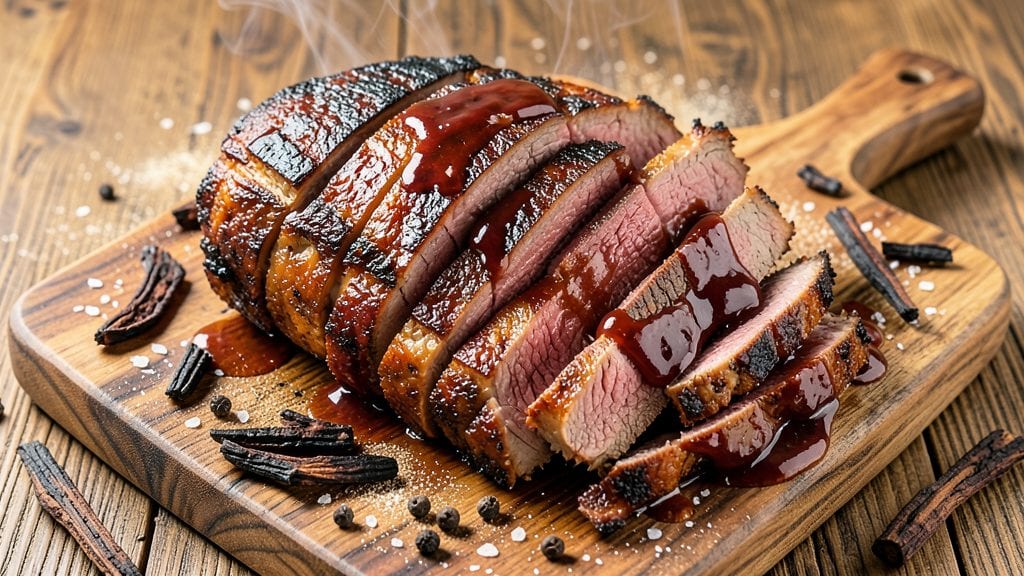
Mastering a smoked barbecue beef brisket recipe transforms tough cuts into melt-in-your-mouth perfection through patience and precision. The day I realized French technique could elevate my rubs changed everything—now I blend slow-cooked tradition with professional finesse.
This method delivers a juicy core wrapped in a smoky, caramelized crust that falls apart at the touch of a fork.
The secret lies in the low-and-slow approach: smoking the brisket at 225°F for 12-16 hours until the internal temperature hits 203°F. A dry rub of coarse salt, black pepper, and smoked paprika creates that signature bark while preserving moisture.
The French touch? A light spritz of apple cider vinegar in the last hour to tenderize and deepen flavor without overwhelming the meat.
What you'll achieve is a brisket so tender it practically shreds itself, with layers of smoky aroma and rich beef flavor in every bite. The crust should be dark, almost glossy from the smoke, while the interior remains moist and rich.
This is the kind of brisket that makes guests ask for seconds—and thirds—before they even sit down.
Serve with classic sides like tangy coleslaw and buttery cornbread to complete the meal. The brisket's natural juices will soak into every bite, creating a harmony of textures and flavors that defines true barbecue excellence. Let's get started on creating your masterpiece.
Ingredients for smoked barbecue beef brisket
Six pounds of beef, a handful of spices, and patience—this is where barbecue magic happens.
| Ingredient | Amount | Notes |
|---|---|---|
| Beef Brisket 🥩 | 6 lb | Packer cut, whole muscle preferred |
| Coarse Kosher Salt 🧂 | ½ cup | Diamond Crystal preferred for texture |
| Freshly Ground Black Pepper 🌶️ | 2 tbsp | Cracked peppercorns preferred |
| Smoked Paprika 🌶️ | 2 tbsp | Spanish paprika for authentic smoke |
| Granulated Garlic 🧄 | 1 tbsp | Freshly ground preferred |
| Onion Powder 🧅 | 1 tbsp | Finely ground preferred |
| Brown Sugar 🍯 | 1 tbsp | Light or dark, no difference |
| Apple Cider Vinegar 🍎 | ¼ cup | Unfiltered for depth of flavor |
| Yellow Mustard 🥬 | 2 tbsp | For spritz application |
| Wood Chips (Hickory or Oak) 🌳 | 4 cups | Soaked for 30 minutes |
| Beef Tallow or Bacon Fat 🧈 | ½ cup | For extra moisture |
| Fresh Rosemary 🌿 | 4 sprigs | For aroma infusion |
| Fresh Thyme 🌿 | 4 sprigs | For herbal depth |
| Butter 🧈 | ½ cup | Unsalted, softened for basting |
| Beef Broth 💧 | 1 cup | Low-sodium preferred |
The brisket is non-negotiable here. Packer cut with the fat cap intact is ideal—look for bright red meat with good marbling at your butcher shop or Costco. If you're buying online, Snake River Farms ships consistently high-quality briskets. The fat cap acts as insulation, keeping the meat moist during that long smoke. Trim any silver skin but leave the fat—it renders down into flavor gold. For the wood chips, Traeger or Cookshack sell pre-soaked bags, but I prefer buying whole logs and soaking my own—it gives you more control over the smoke flavor. The hickory brings that classic BBQ punch, while oak adds a touch of sweetness.
No smoked paprika? Regular paprika plus a pinch of liquid smoke works in a pinch (use sparingly—it's potent). Short on brown sugar? White sugar at the same amount, but it won't caramelize as nicely. The apple cider vinegar spritz is where the French technique shines—it tenderizes the meat without overpowering it. If you're out, white vinegar or lemon juice are decent substitutes, but reduce to 1/4 cup. For the rub, I always make a double batch—some gets on the brisket, some gets on the grill grates for extra flavor. Store extra rub in an airtight container for up to 6 months. The mustard in the spritz? Dijon works too, but yellow mustard is more neutral and won't compete with the smoke flavor.
This brisket is a marathon, not a sprint. Wrap it tightly in butcher paper or foil after the first 4-5 hours to trap steam and speed up the cooking without over-smoking. The internal temp should hit 203°F—probe the thickest part, it should feel like butter. Let it rest for at least 1 hour before slicing, or the juices will run everywhere. For leftovers, store in the fridge for 5-6 days or freeze for 3 months. I like to slice it against the grain and portion it into meal prep containers—perfect for sandwiches or tacos all week. The fat cap? Save it for next time—render it down for flavorful tallow.
Why You'll Love This Recipe
- I’ll be real: a whole packer of brisket won’t ruin your grocery budget, and the rub costs pennies. Plus, once it’s smoked, it keeps for days—no sad, dried-out leftovers here. Just pull it out of the fridge, warm it up, and boom: you’ve got dinner covered.
- Foolproof Seasoning: Honestly, the rub here is that good—just salt, pepper, smoked paprika, and garlic. No fancy blends, no guesswork. Toss it on, slap it on the smoker, and let the magic happen. That’s it. No overcomplicating.
- Smoky Garlic Kiss: Between us, the way the garlic and smoked paprika cling to the brisket? It’s like a hug from a campfire. The crust gets this deep, earthy char while the inside stays tender—exactly what you want when you’re craving something rich but not greasy.
- Weeknight Crowd-Pleaser: Here’s what sold me—this feeds six without breaking the bank, and the leftovers? Chef’s kiss. Wrap it in tortillas for tacos, shred it for sandwiches, or just reheat slices straight from the fridge. It’s the kind of meal that makes people ask, “What’s for dinner?” and then stick around for seconds.
Step-by-step instructions for smoked barbecue beef brisket
Here's the method that transforms tough brisket into melt-in-your-mouth perfection with a smoky crust.
Prepare the Brisket and Rub
Start by trimming the fat cap of the 6 lb beef brisket to about ¼-inch thickness using a sharp boning knife. Leave the fat on the edges to protect the meat during smoking. Pat the surface completely dry with paper towels—this ensures maximum bark formation later.
In a small bowl, combine the 0.5 cup coarse kosher salt, 2 tbsp freshly ground black pepper, 2 tbsp smoked paprika, 1 tbsp granulated garlic, 1 tbsp onion powder, and 1 tbsp brown sugar. Mix well, then generously coat the entire brisket with this dry rub, pressing it into the meat so it adheres. Place the brisket on a wire rack set over a baking sheet and refrigerate uncovered for 12-24 hours. This dry-brining step is essential for developing deep flavor and tenderizing the meat.
Set Up the Smoker
Soak the 4 cups wood chips (hickory or oak) in water for 30 minutes to prevent flare-ups. Fill your smoker with the soaked wood chips and preheat to 225°F. I like to use a water pan in the smoker to maintain moisture levels during the long cook. Once the smoker reaches temperature and you see steady, thin blue smoke, you're ready to begin.
Before placing the brisket in the smoker, mix the 0.25 cup apple cider vinegar and 2 tbsp yellow mustard in a small bowl. This creates a spritz that will keep the bark moist while allowing smoke penetration. Apply a light coat to the brisket just before smoking. Position the brisket fat-side up on the smoker grates, which allows the rendered fat to baste the meat during cooking.
Smoke Low and Slow
Place the brisket in the smoker and close the lid tightly. Resist the urge to open it during the first 4 hours—every time you peek, you lose heat and moisture. Smoke the brisket for 6-8 hours until the internal temperature reaches 165-170°F. This is when you'll hit "the stall," where the temperature stops rising as moisture evaporates from the meat.
Here's where the magic happens: At the stall, remove the brisket from the smoker and wrap it tightly in butcher paper (not foil). This technique, known as the Texas crutch, helps push through the stall while preserving that precious bark. Return the wrapped brisket to the smoker and continue cooking until the internal temperature reaches 200-205°F, which typically takes an additional 4-6 hours. The meat should be fork-tender with a dark mahogany bark.
Rest and Prepare for Slicing
Once the brisket reaches the target temperature, remove it from the smoker and transfer it to a cutting board. Tent loosely with foil and let it rest for at least 1 hour (I prefer 2 hours) before slicing. This resting period allows the juices to redistribute throughout the meat, ensuring each slice is moist and flavorful.
While the brisket rests, prepare the basting sauce by melting the 0.5 cup beef tallow or bacon fat and 0.5 cup butter in a saucepan over medium heat. Add the 4 sprigs fresh rosemary and 4 sprigs fresh thyme, simmering for 2 minutes. Stir in the 1 cup beef broth and keep warm. This sauce will add extra moisture and flavor when you serve the brisket.
Slice and Serve
After resting, locate the grain direction on the brisket—you'll see lines running through the meat. Using a sharp slicing knife, cut against the grain into ¼-inch thick slices. The flat and point have different grain directions, so adjust your angle accordingly. Serve the brisket immediately with the warm basting sauce spooned over the top.
Each slice should be tender enough to pull apart with a gentle tug, with a beautiful pink smoke ring just beneath the dark mahogany bark. The combination of the smoky crust and juicy core delivers that perfect balance of texture and flavor that makes this brisket unforgettable.
Pro Tips For Making Smoked Barbecue Beef Brisket
- Trim the Fat Cap: Leave about a quarter-inch of fat on the brisket—this isn’t just for flavor, it’s your smoke shield. I learned this after my first attempt turned into a charred brick because the fat burned off too fast. That layer keeps the meat moist and protects the surface from direct flame damage.
- Salt the Night Before: Coat the brisket in kosher salt and refrigerate uncovered for 12–24 hours. This dries the surface for a better crust and lets the salt penetrate deeper—no, it won’t make you a pitmaster overnight, but it’ll make your bark crispier and your meat juicier. (Yes, even if you’re impatient like me.)
- Start Hot, Finish Slow: Sear the brisket over direct heat for 30–45 minutes to build that crust, then drop the temp to 225°F (107°C) for the rest. I used to low-and-slow from the start, and my brisket always ended up soggy. The high heat jumpstarts the Maillard reaction—your secret weapon for flavor.
- Spritz with Apple Juice: Every 90 minutes, spray the brisket with unsweetened apple juice (not water—this is non-negotiable). It keeps the surface moist without steaming the meat, and the acidity helps tenderize. Sounds weird, but it works: my brisket stays juicy, and the bark doesn’t turn to leather.
Serving suggestions for smoked barbecue beef brisket
Classic BBQ Sides
Nothing beats the tangy crunch of creamy coleslaw with your brisket. I make mine with 1 small head green cabbage, 1 carrot, ½ cup mayonnaise, 2 tbsp apple cider vinegar, 1 tbsp Dijon mustard, and 1 tsp celery seeds.
Shred the cabbage and carrot, then toss with the dressing. Serve chilled—it cuts through the richness beautifully. 🥬
For a Southern touch, buttery cornbread is a must. I use 1 box Jiffy cornbread mix, ½ cup milk, 2 tbsp melted butter, and 1 egg. Bake at 400°F for 18-20 minutes until golden. The slight sweetness balances the smoky brisket perfectly.
Sauce Pairings
While the brisket shines on its own, a drizzle of homemade BBQ sauce elevates it further. My go-to blend uses ½ cup ketchup, ¼ cup apple cider vinegar, 2 tbsp molasses, 1 tbsp brown sugar, 1 tsp smoked paprika, and ½ tsp cayenne.
Simmer until thickened, then brush lightly over slices. 🌶️
For a tangy kick, try pickled red onions. Thinly slice 1 red onion, soak in ½ cup vinegar, 1 tbsp sugar, and ½ tsp salt for 30 minutes. The bright acidity refreshes your palate between bites.
Plating Presentation
Slice the brisket against the grain into ¼-inch thick pieces and arrange on a platter with the basting sauce spooned around the edges. Garnish with fresh rosemary sprigs and pickled onions for a restaurant-worthy look. The smoke ring should peek through the dark bark—proof of a perfect cook. ✨
For a rustic touch, serve on wooden cutting boards with cast-iron skillets of sides. The contrast of textures and temperatures makes every bite exciting. I often add warm dinner rolls on the side for soaking up extra juices.
Leftovers Magic
Transform brisket leftovers into smoked beef sandwiches with toasted brioche buns, sharp cheddar, and sliced jalapeños. The next day, shred the meat and mix with 1 tbsp BBQ sauce for tacos or nachos. Store slices in airtight containers with a paper towel to absorb moisture.
Freeze extra brisket in single-serving portions for quick meals. Reheat in the oven at 300°F for 20 minutes to maintain tenderness. I like to pack it in wax paper before freezing to preserve texture.
Nutrition facts
Frequently asked questions
Why does my brisket turn out dry even after smoking for hours?
Brisket dries out when it loses too much moisture during the cooking process. The key is patience and proper wrapping. Smoke it uncovered until you hit 165°F (the stall), then wrap tightly in butcher paper and continue cooking until 203°F. This "Texas crutch" technique traps steam while preserving that precious bark. Also, never skip the rest—at least 1 hour (preferably 2 hours) lets juices redistribute.
Can I use a pellet grill instead of a traditional smoker?
Pellet grills work perfectly for brisket—they maintain consistent 225°F temperatures and produce excellent smoke flavor. Just use 100% hickory or oak pellets and monitor the cook closely. The main difference is fuel source, but the technique remains identical: low-and-slow with proper wrapping at the stall.
What's the difference between smoking a brisket whole vs. flat vs. point?
Smoking the whole brisket (flat + point connected) is ideal for beginners as it cooks more evenly. The flat cooks faster than the point, so separate them after 8-10 hours when the flat hits 165°F. Smoke the point separately until it reaches 200°F. This gives you two distinct textures: the flat (more tender) and the point (richer, fattier). For competition-style brisket, many pitmasters separate them completely from the start.
How can I tell when the brisket is done without a meat thermometer?
While a thermometer is ideal, you can use the "fork test": Insert a fork into the thickest part of the meat. If it slides in like butter and the fibers pull apart easily, it's done. Look for a dark mahogany bark and a pink smoke ring just beneath the surface. The meat should also have a slight give when pressed gently—like a well-cooked roast. For the point cut, it should be fork-tender but still hold its shape slightly longer than the flat.
What's the best way to reheat brisket leftovers?
Never microwave brisket—it turns rubbery. Instead, slice it and reheat in a 300°F oven for 20-30 minutes with a splash of beef broth to keep it moist. For sandwiches, warm the meat in a skillet over medium-low heat with a pat of butter. The low heat prevents drying while reactivating the smoky flavors. Store leftovers in airtight containers with a paper towel to absorb excess moisture.