
Main Courses
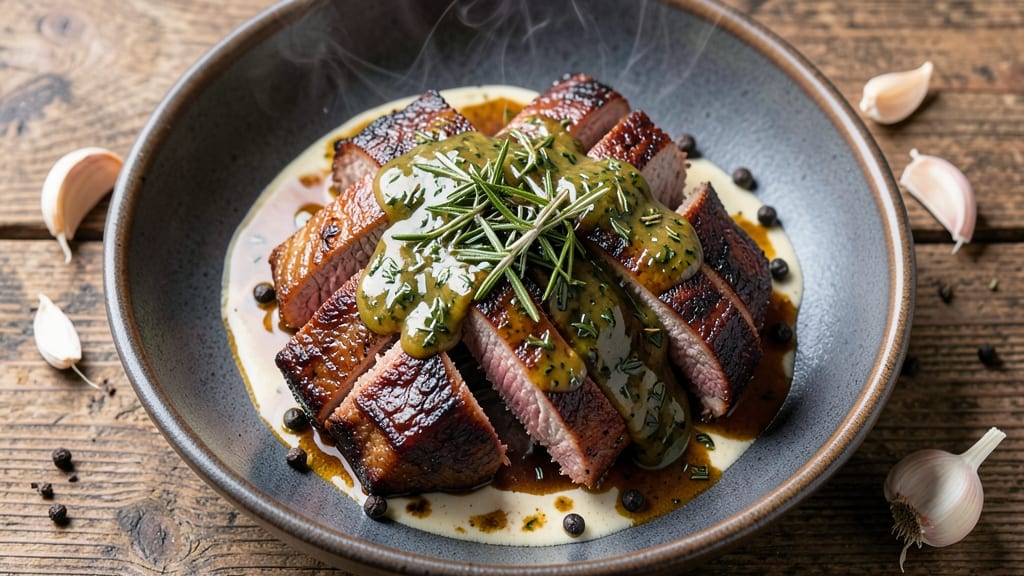
Recreating Portillo's beef at home means achieving that signature juicy pink center with a perfectly seasoned herb crust—something I've perfected after years of testing different methods.
The key lies in slow-roasting the beef just enough to render fat while keeping the interior tender, then finishing it on the grill for that signature smoky flavor. This technique transforms tough cuts into melt-in-your-mouth perfection that rivals the original.
The recipe focuses on a simple yet precise approach: a blend of garlic, rosemary, and black pepper forms the flavor base, while slow cooking ensures even seasoning without overcooking.
Once the beef reaches that ideal internal temperature, a quick sear on the grill locks in juices and creates a caramelized crust. The result is beef that's tender enough to slice with a fork but firm enough to hold its shape.
Serving it Portillo's-style means pairing the beef with classic toppings—crispy French fries, tangy pickles, and caramelized onions—to complete the experience. The beef's rich flavor stands up to these bold accompaniments, making every bite a balanced, satisfying meal. This is the kind of dish that turns weeknight dinners into restaurant-quality feasts.
Whether you're making it for a casual lunch or a special occasion, this recipe delivers restaurant-quality results with minimal effort. The slow-cooking method ensures foolproof tenderness, while the final grill step adds that signature smoky depth. Ready to recreate Portillo's iconic beef at home?
Ingredients for portillo's beef
Simple ingredients, restaurant-quality technique: slow-roasted beef with a perfectly balanced herb crust.
| Ingredient | Amount | Notes |
|---|---|---|
| Beef Chuck Roast 🥩 | 2 ½ lb | Center-cut for even cooking |
| Fresh Rosemary 🌿 | ½ cup | Finely chopped, stems removed |
| Garlic Cloves 🧄 | 8 cloves | Peeled and smashed for intensity |
| Black Peppercorns 🌶️ | 1 ½ tbsp | Freshly cracked for robust flavor |
| Kosher Salt 🧂 | 1 ½ tbsp | Diamond Crystal preferred |
| Extra-Virgin Olive Oil 🫒 | ¼ cup | For basting and searing |
| Yellow Onion 🧅 | 1 whole | Thinly sliced for caramelization |
| Fresh Thyme 🌿 | ¼ cup | Leaves only, finely chopped |
| Unsalted Butter 🧈 | ½ cup | Cold, cubed for basting |
| Beef Broth 💧 | 1 ½ cups | Low-sodium for balance |
| Red Wine 🍷 | ½ cup | Dry Cabernet Sauvignon preferred |
| Balsamic Vinegar 🍶 | 1 tbsp | For deglazing and finishing |
| Fresh Parsley 🌿 | ¼ cup | Chopped, for garnish only |
The beef chuck roast is non-negotiable for this recipe—its marbling ensures tender results. Look for center-cut roasts at Whole Foods or your local butcher for optimal even cooking. Fresh rosemary and thyme from the market's produce section will deliver superior flavor compared to dried alternatives, though Penzeys bulk herbs work well if you prefer convenience. The garlic should be plump and firm, not sprouting. For the black peppercorns, grind them fresh using a pepper mill—pre-ground loses potency quickly. The olive oil should be a high-quality extra-virgin variety, like California Gold, to elevate the dish's depth.
No fresh rosemary? Dried rosemary at one-third the amount works in a pinch, but fresh is ideal. Substitute white wine for red if needed, though the Cabernet Sauvignon adds a subtle richness that pairs perfectly. The balsamic vinegar can be swapped for red wine vinegar if unavailable, though it lacks the same depth. For the beef broth, use low-sodium to avoid over-salting the dish. If you're short on time, pre-minced garlic from a jar works, but fresh is always preferred. The butter should be cold when cubed to prevent premature melting during basting.
Store any leftover beef in an airtight container for up to 4 days in the refrigerator, though it reheats best when consumed within 2 days. For longer storage, freeze portions for up to 3 months. The herb crust's freshness diminishes after 2 days, so use it promptly. The beef broth can be refrigerated for 5 days or frozen for 6 months. When reheating, cover the beef with a splash of beef broth or water to prevent drying. The caramelized onions keep well in the fridge for 5 days and can be reheated in a skillet with a pat of butter for serving.
Why You'll Love This Recipe
- Rosemary-Garlic Magic: The fresh rosemary and cracked peppercorns clinging to the beef? It’s like a hug in every bite—bright, earthy, and just salty enough to make you crave seconds. (Yes, even on a Tuesday night.)
- Leftovers That Shine: Turns into shredded beef sandwiches, tacos, or pasta sauce—no waste, all flavor. My freezer’s full of these because they reheat like a dream and taste better the next day.
- Budget Beef Powerhouse: A whole chuck roast costs less than takeout for four, and it stretches across meals. Honestly, it’s my go-to for feeding a crowd without breaking the bank or slaving over the stove.
Step-by-step instructions for slow-cooked herb-crusted beef
This method delivers a perfectly tender roast with a fragrant herb crust and juicy pink center every time.
Prepare the Herb Crust and Season the Roast
In a food processor, combine the 0.5 cup fresh rosemary, 0.25 cup fresh thyme, 8 cloves garlic cloves, 1.5 tablespoons black peppercorns, and 1.5 tablespoons kosher salt. Pulse until finely chopped but not pasty. Transfer to a small bowl and mix in 0.25 cup extra-virgin olive oil until it forms a thick paste.
Pat the 2.5 lb beef chuck roast dry with paper towels—this is critical for achieving a good sear. Rub the herb paste evenly over all surfaces, pressing it into the meat so it adheres. Let the roast sit at room temperature for 30 minutes before cooking to ensure even heat distribution.
Sear the Roast for Maximum Flavor
Preheat your oven to 325°F. Heat a Dutch oven or heavy oven-safe skillet over medium-high heat. Add the roast and sear on all sides until deeply browned, about 8-10 minutes total. This step develops the rich, caramelized crust that locks in juices.
Remove the roast and set it aside. Add 1 whole yellow onion, sliced into rings, to the same skillet and cook for 3-4 minutes until lightly caramelized. Transfer the onions to the Dutch oven with the roast.
Slow-Cook with Liquid for Juicy Perfection
Pour in 0.5 cup red wine and scrape up any browned bits from the bottom of the pan. Add 1.5 cups beef broth and bring to a simmer. Return the roast to the Dutch oven, fat-side up, and cover tightly with a lid or foil.
Transfer to the preheated oven and cook for 3 hours. This slow cooking time ensures the beef becomes fork-tender while maintaining a juicy pink center. Check the internal temperature after 2.5 hours—it should read 180-185°F for perfect doneness.
Finish with Butter and Balsamic for Richness
Remove the roast from the oven and let it rest for 15 minutes before carving. Meanwhile, increase the oven temperature to 400°F. Add 0.5 cup unsalted butter, cubed, to the Dutch oven and let it melt, basting the roast with the butter and onions.
Deglaze the pan with 1 tablespoon balsamic vinegar, scraping up any fond from the bottom. Return the roast to the oven for 10-15 minutes to crisp the crust and infuse the flavors. The roast should have a deep golden-brown crust and juices running clear when pierced.
Rest and Serve with Fresh Herbs
Transfer the roast to a cutting board and tent loosely with foil. Let it rest for 10-15 minutes—this allows the juices to redistribute, ensuring each slice remains moist. Slice against the grain into ½-inch thick pieces.
Garnish with 0.25 cup fresh parsley just before serving. The herb crust should be fragrant and slightly crisp, while the meat remains tender with a juicy pink center. Serve with the caramelized onions and pan sauce for a restaurant-quality dish.
Pro Tips For Making Portillo'S Beef
- SEAR UNTIL BLACK: I learned this the hard way—Portillo’s beef needs a deep, dark crust, not just a light brown. Hit that roast with high heat until the edges are almost charred (yes, even if the inside feels undercooked). This isn’t just for flavor; it’s what keeps the meat tender as it braises later.
- CRUSH THOSE PEPPERCORNS: Whole peppercorns? Skip it. Grind them fresh—just a few seconds in a spice grinder makes a real difference. The tiny, broken bits cling to the beef and infuse better than floating whole pods. (I used to skip this, and the dish always tasted like it was missing something.)
- DON’T RUSH THE ROSEMARY: Bruise the rosemary stems with the flat of your knife before adding them—this releases their oils without bitterness. And don’t just toss in sprigs; chop the needles fine so they mingle into the beef, not just sit on top like decorative garnish.
- LOW AND SLOW, NOT LOW AND SLOWLY: Start the roast on high heat until it’s seared, then drop the temp to 300°F (150°C) and walk away. The first hour is the most critical—after that, you can safely reduce to 250°F (120°C) to finish without drying it out. (Your future self will thank you for not checking every 10 minutes.)
Flavor customization for this portillo's beef
Spicy Kick Option
For a bold twist, add 1 tablespoon Penzeys Smoked Paprika and ½ teaspoon cayenne pepper directly to the herb paste. This creates a smoky, fiery crust that pairs perfectly with Portillo’s signature tangy pickles.
I’ve found that ½ teaspoon chipotle powder in the pan sauce adds depth without overpowering the beef’s natural richness. 🌶️
Sweet & Tangy Glaze
After the final basting step, brush the roast with a mix of 2 tablespoons balsamic vinegar, 1 tablespoon honey, and 1 teaspoon Dijon mustard. Return it to the oven for 5-7 minutes to caramelize the glaze.
This sweet-tangy contrast mimics Portillo’s famous Beef Bowl sauce and elevates the dish to new heights.
Cheesy Herb Crust
For a decadent upgrade, fold ½ cup grated Parmesan cheese into the herb paste before applying it to the roast. The cheese melts slightly during cooking, creating a golden, crispy crust. I recommend Parmigiano-Reggiano for its nutty depth. Pair this with marinated mushrooms for a heartier meal.
Smoky Grill Finish
Swap the oven finish for a charcoal grill at medium-high heat for 5-7 minutes per side. This adds smoky grill marks that mimic Portillo’s signature flavor. Brush the roast with 2 tablespoons olive oil before grilling to prevent sticking. Perfect for summer BBQs!
Garlic Butter Baste
Replace the plain butter basting with a garlic butter blend: mix ½ cup unsalted butter with 3 minced garlic cloves and 1 teaspoon fresh rosemary.
This adds an extra layer of aromatic richness that guests will rave about. The garlic infuses beautifully into the crust during the final crisping step.
Extra Juicy Version
For beef that’s even more tender, inject the roast with ½ cup beef broth before slow-cooking. Use a meat injector (like the OXO Good Grips) to distribute the liquid evenly. This method guarantees a juicy pink center that’s impossible to resist. Serve with extra pan sauce for dipping!
Nutrition facts
Frequently asked questions
What cut of beef works best for this Portillo's-style recipe?
Use a center-cut beef chuck roast weighing 2.5 pounds for optimal results. The chuck's natural marbling ensures tenderness, while the center cut cooks evenly. Avoid flank steak or sirloin—these cuts are too lean and won't deliver the same juicy texture.
Why does the recipe call for a juicy pink center?
Portillo's signature beef is cooked to an internal temperature of 180-185°F, which creates that signature pink center. This level of doneness keeps the meat tender and flavorful, unlike fully cooked beef which can become dry. The slow-roasting method ensures even cooking without overcooking the center.
Can I make this recipe in a slow cooker?
Yes! Transfer the seared roast to a 6-quart slow cooker, add the wine, broth, and onions, then cook on Low for 8 hours or High for 5 hours. Finish with the butter and balsamic as directed. The slow cooker maintains moisture better, making it ideal for busy weeknights.
What's the best way to store leftovers?
Store sliced beef in an airtight container for up to 4 days in the fridge. For longer storage, freeze portions for 3 months. Reheat gently in a skillet with a splash of beef broth to maintain moisture. The herb crust loses crispness after 2 days, so use it promptly.
How can I recreate Portillo's Beef Bowl sauce?
Simmer 1 cup beef broth, 2 tablespoons balsamic vinegar, 1 tablespoon Dijon mustard, and 1 teaspoon Worcestershire sauce until reduced by half. Finish with 1 tablespoon butter for richness. This tangy sauce perfectly complements the herb-crusted beef.