
Main Courses
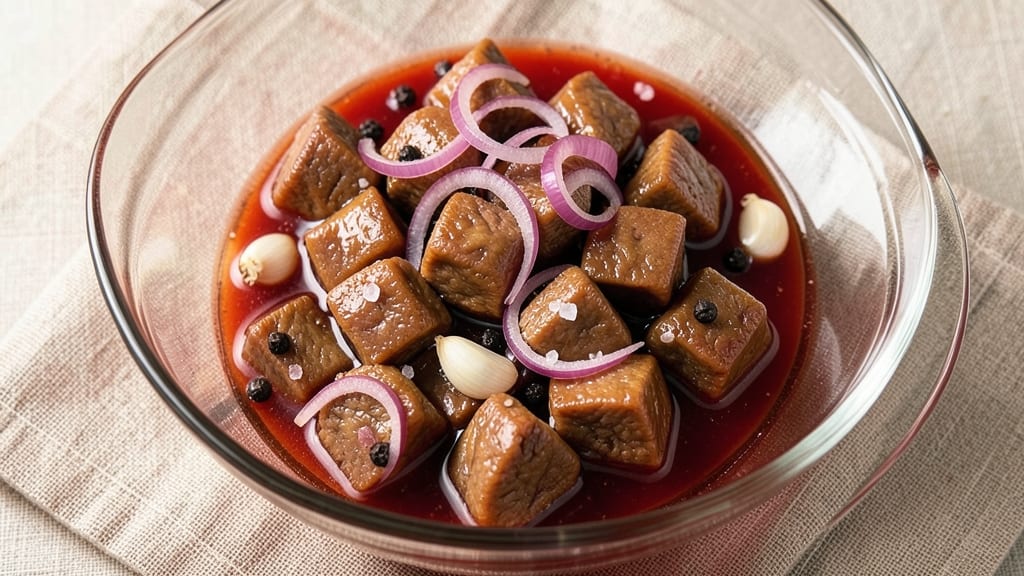
This pickled beef heart recipe transforms an often-overlooked cut into tangy, crunchy bites that pack an umami punch—perfect for those who love bold flavors and textural contrasts. I first discovered this technique while exploring global preservation methods, and it quickly became a staple in my test kitchen for its ability to elevate simple meals. The key lies in balancing acidity and salt to tenderize the heart while preserving its natural richness.
What makes this recipe work is the two-stage process: first, a quick brine to break down the meat, then a vinegar-based pickle that delivers that signature tang.
You'll need just five ingredients—beef heart, vinegar, sugar, salt, and spices—and about 24 hours of hands-off time, making it ideal for meal prep. The result? Bites that stay crisp when served cold or warm, with a flavor profile that bridges Eastern European charcuterie and modern umami cravings.
By the time you're done, you'll have restaurant-quality pickled beef heart that adds depth to sandwiches, salads, or charcuterie boards. The texture is crunchy yet tender, and the tangy-sweet pickle cuts through rich dishes beautifully.
This isn't just a recipe—it's a flavor upgrade for any protein lover's repertoire. Let's get started!
For those new to pickling, I'll walk you through safety tips (like proper acid levels for shelf stability) and storage tricks to keep your beef heart fresh for weeks. Whether you're serving it as an appetizer or a side, this method guarantees bold, satisfying results every time.
Ingredients for pickled beef heart
Five core ingredients plus a few aromatic touches—transforming beef heart into restaurant-quality pickled bites.
| Ingredient | Amount | Notes |
|---|---|---|
| Beef Heart 🥩 | 1 ½ lb | Fresh, trimmed of fat and gristle |
| White Vinegar 💧 | 2 cups | Distilled white preferred for clarity |
| Granulated Sugar 🍚 | ½ cup | White or raw, no substitutes |
| Diamond Crystal Kosher Salt 🧂 | ¼ cup | Coarse grain for even distribution |
| Black Peppercorns 🌶️ | 1 tbsp | Crushed, not ground powder |
| Garlic Cloves 🧄 | 4 cloves | Smashed, not minced |
| Fresh Dill Sprigs 🌿 | ¼ cup | Packed, stems removed |
| Mustard Seeds 🌶️ | 1 tsp | Yellow or brown, whole |
| Bay Leaves 🍃 | 2 whole | Fresh or dried, removed before serving |
| Red Wine Vinegar 🍷 | ½ cup | For final tangy infusion |
The beef heart is the star, so source it fresh from a trusted butcher or high-quality grocer like Whole Foods or D'Artagnan. Look for a piece with vibrant color and minimal fat—trim any gristle yourself for the best texture. If you're nervous about handling it, gloves are a must. The vinegar is non-negotiable for both preservation and tang; distilled white vinegar keeps things clear, while red wine vinegar adds depth in the final stage. For the sugar, raw cane sugar adds subtle molasses notes, but white works perfectly fine. The kosher salt? Diamond Crystal dissolves more evenly than table salt—trust me, it makes a difference.
No white vinegar? Apple cider vinegar works one-to-one, though it'll add a subtle fruitiness. Swapping sugar for honey? Use half the amount—it's sweeter and can ferment faster. Short on dill? Fresh parsley or tarragon gives a different but still bright flavor. The peppercorns and mustard seeds are optional but add layers—skip them if you prefer a cleaner tang. For the garlic, smash the cloves with the flat side of your knife instead of chopping; it releases more flavor without turning to paste. And if you're worried about acidity levels, red wine vinegar in the final stage boosts tang without overpowering.
Once pickled, this keeps for 3-4 weeks in the fridge, sealed in its juices. For longer storage, transfer to a clean jar and refrigerate—it'll stay good for up to 3 months. The texture gets even better after a week as the flavors meld. Serve it cold on charcuterie boards, tucked into sandwiches, or as a tangy topping for rich dishes like mashed potatoes. Pro tip: Portion into small jars for easy snacking—perfect for parties or meal prep.
Why You'll Love This Recipe
- No-Fuss Fermentation: I swear by this recipe because it requires zero fancy equipment—just a jar, vinegar, and a week of patience. Honestly, the hardest part is remembering to check on it, not the prep itself.
- Tangy, Meat-Lover’s Dream: That balance of salty, sweet, and vinegary? It’s like a grown-up version of pickles, but with actual meat. The peppercorns add a little bite that makes every slice irresistible.
- Party-Ready Snacking: Between us, this stuff disappears at gatherings—no one can resist grabbing a slice straight from the jar. It’s perfect for charcuterie boards, game day, or when you need a quick, impressive bite.
- Budget Stretch: Beef heart is cheaper than most cuts, and a single batch lasts forever. I’ve had jars sit for months, and it only gets better with time—no waste, just flavor.
Step-by-step instructions for pickled beef heart
Transform tough beef heart into tender, tangy bites with this precise preservation method.
Prepare and Cure the Beef Heart
Begin by trimming the 1.5 lb beef heart thoroughly, removing all visible fat and gristle using a sharp boning knife. The heart should be clean and free of connective tissue—this ensures tender results. Cut the heart into 1-inch cubes, then place them in a large non-reactive bowl.
In a separate bowl, combine the 0.5 cup granulated sugar and 0.25 cup diamond crystal kosher salt. Sprinkle this mixture evenly over the beef heart cubes, pressing gently to ensure each piece is coated. The sugar and salt will begin breaking down the proteins immediately, creating the perfect environment for tenderization. Let the mixture sit at room temperature for 30 minutes, stirring occasionally to distribute the curing brine evenly.
Create the Pickling Brine
In a medium saucepan, combine the 2 cups white vinegar, the 1 tbsp crushed black peppercorns, 4 smashed garlic cloves, 0.25 cup fresh dill sprigs, 1 tsp mustard seeds, and 2 whole bay leaves. Bring the mixture to a gentle simmer over medium heat, stirring occasionally to prevent sticking. Simmer for 5 minutes until the aromatics release their flavors into the vinegar.
Remove the saucepan from heat and let the brine cool to room temperature. This cooling step is crucial—adding hot brine to the beef heart could cause uneven cooking or cloudiness in the final product. Once cooled, strain the brine through a fine-mesh sieve to remove the solids, reserving the liquid for pickling.
Pack and Preserve the Beef Heart
Transfer the cured beef heart cubes to a clean, sterilized quart-sized mason jar, packing them tightly but not overly compressed. Pour the cooled pickling brine over the beef heart, ensuring each piece is fully submerged. The liquid should cover the cubes by at least 1 inch—this prevents mold growth and ensures proper preservation.
Add the 0.5 cup red wine vinegar to the jar, swirling gently to combine. Seal the jar tightly and let it sit at room temperature for 24 hours. This initial resting period allows the flavors to meld and the beef heart to absorb the tangy brine. After 24 hours, transfer the jar to the refrigerator, where it will continue pickling for an additional 48 hours before reaching peak flavor.
Test for Doneness and Store
After the full 72-hour pickling period, remove one beef heart cube and taste it. The texture should be tender enough to pierce easily with a fork, and the flavor should balance tangy, umami, and slightly sweet notes. If the heart feels slightly firm, return the jar to the refrigerator for an additional 12-24 hours—it will continue softening over time.
Once fully tender, store the pickled beef heart in its brine in the refrigerator for up to 3 months. The cubes will develop deeper flavor with time, but they're best enjoyed within the first month. Serve chilled as a tangy appetizer, in salads, or as a topping for charcuterie boards—each bite delivers a perfect balance of texture and flavor.
Pro Tips For Making Pickled Beef Heart
- Trim the Fat First: Beef heart has a thick layer of fat on the outside—slice that off before pickling, or you’ll end up with greasy brine that separates. Use a sharp knife and work quickly; the fat’s easier to cut when the heart’s still cold from the fridge.
- Boil, Then Ice Bath: After blanching the beef heart, plunge it into an ice bath immediately—this stops the cooking and keeps the texture tender. I used to skip this and ended up with chewy, overcooked slices every time.
- Measure Salt by Weight: Diamond Crystal kosher salt clumps like crazy. Weigh it (1 tablespoon = ~18g) instead of eyeballing, or your brine will taste uneven. Trust me, the difference in flavor balance is noticeable.
- Peppercorns Whole Only: Crush peppercorns lightly—just enough to release aroma, not powder. Whole or lightly cracked peppercorns stay intact in the brine, while crushed ones turn the liquid cloudy and bitter after a few days.
Pro cooking tips for this dish
Curing for Tenderness
The key to perfect pickled beef heart lies in the 30-minute cure with sugar and salt. This step breaks down the tough connective tissue, making the heart tender and ready for pickling. I use Diamond Crystal kosher salt because it dissolves evenly—table salt can create uneven curing.
After sprinkling the mixture over the cubes, give them a gentle stir every 10 minutes to ensure all sides absorb the brine. 💡
Brine Temperature Matters
Never pour hot brine over the cured beef heart—this can cause uneven cooking or cloudy final results. Let the brine cool completely to room temperature before combining it with the heart.
I’ve made this mistake (yes, that disastrous dinner party), and the texture was off. Patience here pays off with crystal-clear brine and perfect texture. ✨
Acid Balance for Safety
This recipe’s acidity comes from 2.5 cups total vinegar (white + red wine), which is enough to preserve the beef heart safely at room temperature for 24 hours. For longer storage, refrigeration is a must.
If you’re canning for shelf-stable results, add 1 extra cup of vinegar per quart jar to ensure proper acidification. Always use a pH strip test kit if you’re unsure—safety first! 🔥
Packing the Jar Right
When packing the beef heart into the jar, leave 1 inch of headspace at the top to prevent mold growth. Use a clean chopstick or skewer to press the cubes down gently, ensuring they’re fully submerged in the brine.
If any cubes float, weigh them down with a sterilized small plate or lid. This ensures even pickling and prevents spoilage. 💪
Flavor Development Timeline
The first 24 hours at room temperature kickstarts the pickling process, but the real magic happens during the next 48 hours in the fridge. Taste a cube after 72 hours—if it’s still firm, let it sit another 12-24 hours.
The longer it pickles, the deeper the flavor, but it’s best enjoyed within 1 month for peak texture. Trust the process! 🌟
Equipment Shortcuts
No fancy tools needed—just a quart-sized mason jar, a sharp knife, and a fine-mesh sieve. I use a Ball mason jar because it seals tightly, but any airtight container works.
For straining the brine, a spoon and cheesecloth work in a pinch if you don’t have a sieve. Keep it simple, and the results will still impress. 💛
Nutrition facts
Frequently asked questions
Why does beef heart need curing before pickling?
The 30-minute salt and sugar cure is essential to break down the tough connective tissue in beef heart. This step tenderizes the meat so it doesn't stay chewy after pickling. Without curing, the final texture would be rubbery rather than crisp-tender. Think of it like a marinade for preservation!
Can I use this pickled beef heart in hot dishes?
While it's best served cold, you can gently warm the cubes in soups or stews for 5-10 minutes to enhance their umami depth. Just avoid boiling, as the texture will soften too much. Perfect for adding a tangy protein boost to ramen or pho!
What if my brine isn't covering all the beef heart cubes?
If cubes float, they won't pickle properly. Use a sterilized small plate or lid to weigh them down, ensuring they're fully submerged. The 1-inch headspace in your jar should still remain to prevent mold. For extra insurance, add a splash of water to your jar before sealing.
How do I adjust this recipe for spicier flavors?
Add 1-2 teaspoons of red pepper flakes to the brine or ½ teaspoon of cayenne to the curing salt mix. For heat lovers, try 1 sliced jalapeño in the jar before sealing. Remember—spices intensify during pickling, so start conservatively!
Can I make this with pre-cut beef heart from the store?
Yes, but check that it's labeled "trimmed" or "for cooking." If it has visible fat or gristle, trim it yourself for best texture. Pre-cut hearts often come pre-cured, so reduce the initial salt cure to 15 minutes instead of 30. The pickling process will still work perfectly!