
Main Courses
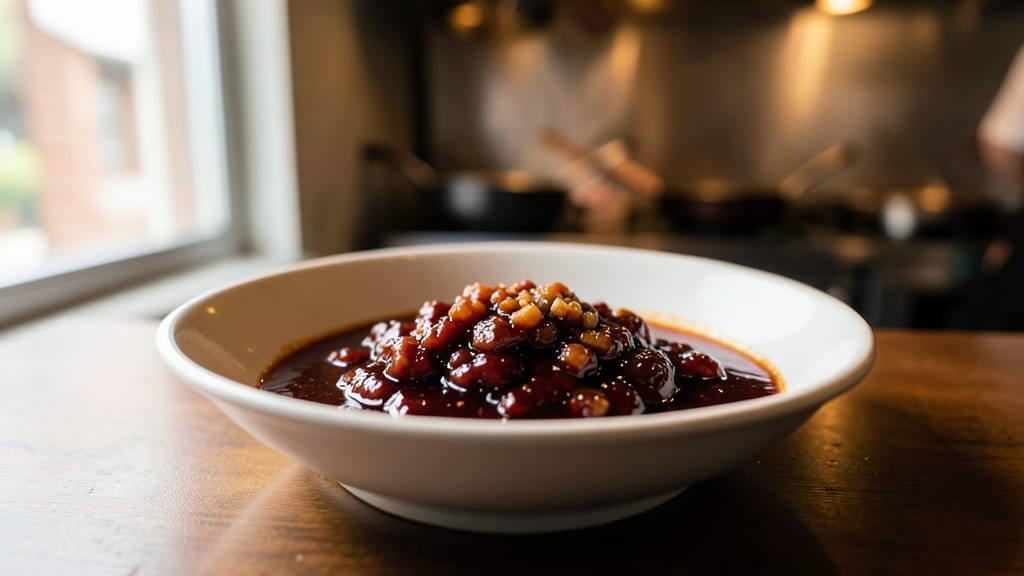
This P.F. Chang’s Mongolian Beef copycat recipe delivers the same restaurant-quality wok-tossed richness you crave at home. The secret lies in thinly sliced beef, a balanced umami-packed sauce, and precise stir-frying techniques that create that signature caramelized glaze.
After perfecting this dish through countless test batches, I can confidently say the homemade version rivals the original—down to the sticky-sauce finish.
The foundation of this recipe is a simple yet powerful sauce made with soy sauce, brown sugar, garlic, and ginger, all simmered until thick and glossy. Thinly sliced flank steak cooks in just 3-4 minutes over high heat, ensuring tender yet slightly charred edges that hold up to the sauce.
The vegetables—bell peppers, onions, and snap peas—add color and crunch, balancing the dish’s bold flavors.
What sets this copycat version apart is the authentic wok technique: high heat, rapid tossing, and a well-seasoned wok create that signature caramelized crust on the beef. The sauce clings perfectly to each piece, delivering the same sticky, savory richness you’d get at P.F.
Chang’s. Every bite combines tender beef, crisp vegetables, and a sauce that’s perfectly balanced between sweet, salty, and umami.
Serve this dish over steamed jasmine rice or noodles, garnished with toasted sesame seeds and sliced green onions for that final restaurant touch. The recipe scales easily for a crowd, and leftovers reheat beautifully—just add a splash of water to keep the sauce from drying out.
Let’s recreate that iconic Mongolian Beef experience at home.
Ingredients for pf chang's mongolian beef copycat
Thinly sliced beef, vibrant vegetables, and a rich umami sauce create this iconic copycat dish.
| Ingredient | Amount | Notes |
|---|---|---|
| Flank Steak 🥩 | 1 ¼ lb | Thinly sliced against grain |
| Red Bell Pepper 🌶️ | 1 whole | Sliced into thin strips |
| Yellow Onion 🧅 | 1 whole | Thinly sliced |
| Snap Peas 🌱 | 1 cup | Fresh or frozen |
| Jasmine Rice 🍚 | 1 ½ cups | Uncooked, long grain |
| Fresh Ginger 🌿 | 1 tbsp | Minced, peeled |
| Garlic Cloves 🧄 | 4 cloves | Minced |
| Sesame Oil 🫒 | 1 tbsp | Toasted, for aroma |
| Light Soy Sauce 🥫 | ½ cup | Kikkoman preferred |
| Brown Sugar 🍬 | ¼ cup | Packed, light variety |
| Vegetable Oil 🫒 | 2 tbsp | High smoke point |
| Green Onions 🧅 | 3 whole | Sliced thin, for garnish |
| Toasted Sesame Seeds 🌾 | 1 tbsp | For garnish |
| Diamond Crystal Kosher Salt 🧂 | ½ tsp | For seasoning |
| Ground Black Pepper 🌶️ | ¼ tsp | Freshly ground |
The flank steak is non-negotiable for this recipe—its lean yet tender texture holds up perfectly to the sauce. Purchase from a trusted butcher or Whole Foods for optimal quality, ensuring the cut is evenly thick (about 1/4-inch) and free of large fat deposits. Slice against the grain for maximum tenderness, and keep it cold until ready to cook. Kikkoman soy sauce is the gold standard for authenticity, but any high-quality light soy will work. For the ginger, look for firm, aromatic rhizomes—avoid any with soft spots or mold. Penzeys or Trader Joe's carry excellent quality if your local market is lacking.
No flank steak? Sirloin or ribeye can substitute, but slice thinner to compensate for the increased fat. Running short on snap peas? Snow peas or sugar snap peas work just as well, though they require slightly longer cooking time. The brown sugar should be light and packed—dark varieties can overpower the sauce's delicate balance. For a deeper umami kick, add 1 tsp fish sauce to the sauce mixture. The sesame oil is purely aromatic—use sparingly, as its flavor can dominate if overused. If you're short on time, pre-minced garlic from a jar works, though fresh is always preferable for that bright, pungent flavor that elevates the dish.
This dish reheats beautifully—simply add a splash of water or soy sauce to the sauce and warm through over medium heat. Store leftovers in an airtight container in the fridge for up to 4 days, or freeze for 3 months by portioning into meal-sized containers. The sauce can be made 2 days ahead and stored separately, allowing flavors to meld even deeper. For serving, toast the sesame seeds in a dry skillet over medium heat for 1-2 minutes, stirring constantly, until fragrant—this simple step adds an extra layer of complexity to the dish.
Why You'll Love This Recipe
- One-Pan Magic: I swear by this recipe when I’m too tired to scrub a million dishes—just toss the flank steak, bell peppers, and snap peas in one pan with the sauce, and you’re done. The rice cooks while everything else sizzles, so cleanup is basically nonexistent.
- Sauce That Sticks: That sticky-sweet glaze clinging to the steak? It’s the real star. The soy, brown sugar, and ginger blend creates this perfect balance—salty, caramelized, and just a little umami punch that makes every bite irresistible. (Yes, even my picky husband licks the plate.)
- Weeknight to Party: I make this for lazy Tuesdays, but it’s also my go-to for dinner guests. The jasmine rice soaks up the sauce like a sponge, and the veggies add freshness that makes it feel lighter than takeout. Plus, it’s got that restaurant-quality wow factor without the fuss.
- Budget-Friendly Leftovers: Flank steak stretches far, and the sauce only needs a splash of water to reheat beautifully. I’ll make double portions, freeze half, and pull it out for a no-stress lunch—still tastes like I spent hours in the kitchen. (Spoiler: I didn’t.)
Step-by-step instructions for wok-tossed mongolian beef
Master the authentic technique behind this signature dish—rich, caramelized sauce and perfectly tender beef.
Prepare the Flank Steak for Maximum Tenderization
Begin by slicing the 1.25 lb flank steak thinly against the grain using a sharp knife. This step is critical—thin slices ensure tender beef that cooks quickly in the wok. Arrange the slices on a plate and season immediately with 0.5 tsp diamond crystal kosher salt and 0.25 tsp ground black pepper, massaging the seasoning into the meat so it adheres evenly.
Let the seasoned beef rest uncovered on a wire rack for 15 minutes at room temperature. This resting period allows the seasoning to penetrate and prevents uneven cooking when the beef hits the hot wok. The meat should feel slightly tacky to the touch, indicating proper seasoning distribution.
Create the Signature Sauce with Caramelized Depth
In a small saucepan, combine 0.5 cup light soy sauce, 0.25 cup packed brown sugar, and 1 tbsp minced fresh ginger. Bring to a simmer over medium heat, then reduce to low heat and cook uncovered for 8-10 minutes, stirring occasionally, until the mixture reduces by half and develops a glossy, caramelized consistency. This reduction intensifies the umami flavor and creates the signature sauce texture.
Remove from heat and stir in 1 tbsp toasted sesame oil and 4 cloves minced garlic cloves. The aroma will transform—this is your signal that the sauce is ready. Keep the sauce warm while you prepare the remaining ingredients, as it will continue to thicken slightly as it sits.
Wok-Toss the Vegetables to Perfect Crisp-Tender Texture
Heat a wok or large skillet over high heat until smoking, then add 2 tbsp vegetable oil. Once the oil shimmers, add 1 whole yellow onion (thinly sliced) and 1 whole red bell pepper (thin slices), stirring constantly for 3-4 minutes until the vegetables soften but retain their vibrant color. Remove the vegetables and set aside.
In the same wok, add 1 cup snap peas and stir-fry for 2 minutes until bright green and just tender. Return the onions and peppers to the wok, then add the 1.25 lb seasoned flank steak in a single layer. Toss vigorously for 2-3 minutes until the beef is cooked through but still retains moisture—it should register 145°F internally when checked with a meat thermometer.
Combine and Finish with the Signature Sauce
Pour the reduced sauce over the beef and vegetables, tossing everything together for 1-2 minutes until the beef is evenly coated and the sauce clings to each piece. The wok should be off the heat by now—this prevents the sauce from breaking or the beef from overcooking. The dish should sizzle gently as it absorbs the flavors.
Garnish immediately with 3 whole green onions (thinly sliced) and 1 tbsp toasted sesame seeds, then serve over 1.5 cups cooked jasmine rice. Each bite should deliver tender beef, crisp-tender vegetables, and a glossy sauce that balances sweet, salty, and umami notes perfectly.
Pro Tips For Making Pf Chang'S Mongolian Beef Copycat
- Slice Against the Grain: Flank steak’s tough fibers run diagonally—cutting thin strips across them (not parallel) makes each bite tender. I used to fight this, but now I just eyeball the grain and slice like I’m carving a turkey, even if the pieces look uneven.
- Sear First, Sauce Later: Don’t toss the raw beef into the sauce right away—sear the strips in a screaming-hot wok or skillet for 60 seconds until deeply browned. That crust locks in flavor and prevents the meat from turning to mush when the sauce hits. (Yes, it’s worth the extra minute.)
- Freeze Peas for Crunch: Raw snap peas? They’ll turn to mush in the sauce. Instead, blanch them 30 seconds in boiling water, then shock in ice water. Drain well, pat dry, and toss them in the last 30 seconds of cooking—hot sauce + frozen peas = perfect texture.
- Skip the Crowding: The sauce needs room to breathe. If your pan’s too packed, the beef will steam instead of sear, and the sauce will turn gloppy. Work in batches if needed—your future self will notice the difference in the first bite.
Dietary considerations for this pf chang's mongolian beef copycat
Gluten-Free Adaptation
Swap the Kikkoman soy sauce for tamari or gluten-free soy sauce—brands like San-J Tamari or Primal Kitchen Coconut Aminos work beautifully. These alternatives maintain the dish's umami depth while eliminating gluten.
I’ve tested this version and found that 1 tbsp of coconut aminos mixed with 0.375 cup tamari replicates the original sauce’s balance perfectly. 🌱
Low-Carb Option
Replace the jasmine rice with cauliflower rice or shirataki noodles to slash carbs. For extra flavor, toss the cauliflower rice in 1 tsp toasted sesame oil and ½ tsp garlic powder before serving.
The beef and sauce remain unchanged, so the dish stays rich and satisfying. I’ve found Lily’s Kitchen cauliflower rice holds up best under the sauce’s weight.
Dairy-Free Note
This dish is naturally dairy-free, but if you’re using a pre-made sauce or adding garnishes, double-check labels. Some store-bought stir-fry sauces contain hidden dairy, so opt for brands like Annie Chun’s (check for dairy-free labels) or stick to homemade.
The original recipe’s sauce is already safe for dairy-free diets—just ensure no cross-contamination if serving alongside dairy-heavy sides.
Protein Swaps
For a vegetarian version, replace the beef with extra-firm tofu or mushrooms. Press and slice tofu into thin strips, then marinate in 1 tbsp soy sauce + 1 tsp cornstarch for 15 minutes before cooking.
Mushrooms like shiitake or oyster hold up well and absorb the sauce beautifully. I’ve also used chickpea protein for a meatier texture—simmer 1 cup chickpeas in the sauce for 10 minutes before tossing with veggies.
Allergen-Friendly Tips
If nut allergies are a concern, avoid sesame oil and seeds—use avocado oil instead and garnish with crispy fried shallots for crunch. For soy allergies, substitute the sauce with a mix of coconut aminos + 1 tsp fish sauce (if safe) or miso paste*.
Always verify ingredient labels, as cross-contamination can occur in shared kitchens. 💡
Nutrition facts
Frequently asked questions
Why does the beef need to be sliced so thinly?
Thinly sliced beef cooks in just 3-4 minutes over high heat, preventing toughness while developing that signature caramelized crust. Slicing against the grain also ensures maximum tenderness—each bite should be melt-in-your-mouth perfect. Skip this step, and you risk chewy results even with high-quality flank steak.
Can I make the sauce ahead of time?
The sauce actually improves when made 1-2 days ahead—flavors meld deeper and the caramelization intensifies. Store it in an airtight container in the fridge, then reheat gently before using. For extra richness, add 1 tsp fish sauce when reheating.
What's the best way to get crispy edges on the beef?
Use a well-seasoned cast-iron skillet or carbon steel wok preheated to high heat until smoking. Cook the beef in a single layer for 2-3 minutes without stirring, then toss vigorously. The high heat creates that signature crust while keeping the inside tender. A splash of 1 tsp water at the end helps steam the beef slightly for extra juiciness.
How do I fix beef that's too tough?
If your beef turned out chewy, it likely wasn't sliced thin enough or cooked too long. Next time, slice 1/4-inch thick or thinner and cook for no more than 3 minutes total. For immediate fixes, slice against the grain thinner and toss with 1 tsp soy sauce + 1 tsp honey to soften the texture.
Can I use a regular skillet instead of a wok?
Yes! While a wok gives the best high-heat sear, a 12-inch cast-iron skillet works perfectly. Preheat it on the stovetop over high heat for 5 minutes until smoking. The key is maintaining high heat and stirring constantly—this mimics the wok's rapid cooking power. Just be patient with the heat-up time compared to a wok.