
Main Courses
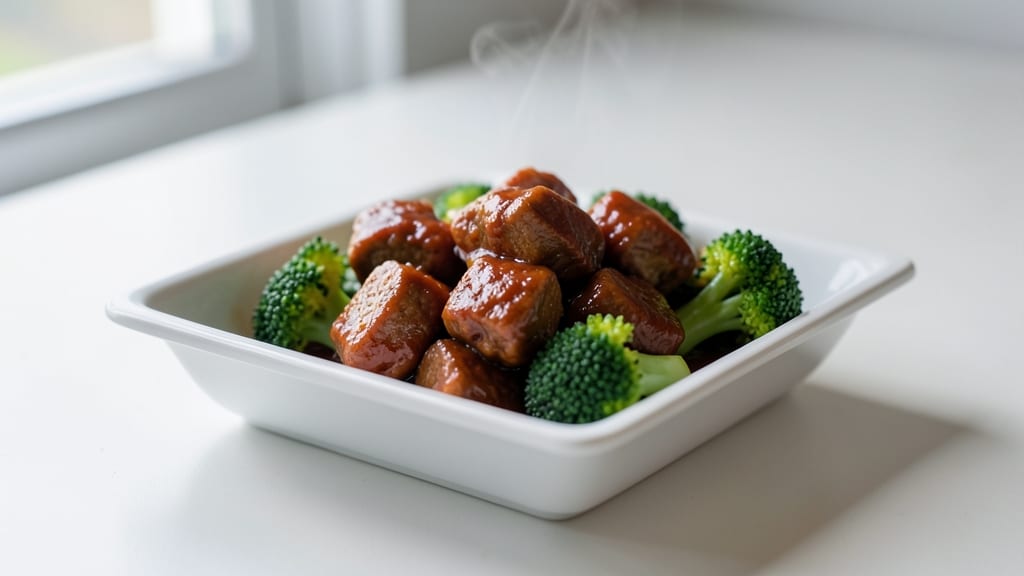
This Panda Express beef and broccoli copycat recipe reveals the velvet sauce magic that turns takeout into a home-cooked masterpiece. The key lies in a precise balance of sweet, savory, and umami flavors that transform tough beef into tender, saucy bites and crisp-tender broccoli florets.
I've spent years perfecting this copycat recipe, and the results are indistinguishable from the takeout classic—just with fresher ingredients and restaurant-quality control.
What sets this recipe apart is the three-stage sauce-building process, where we start with a simple stir-fry base and gradually develop depth through caramelized aromatics and a touch of brown sugar.
The beef marinates in a mix of soy sauce, cornstarch, and ginger, ensuring it stays juicy while developing that signature chewy texture. Meanwhile, the broccoli gets just enough time in the wok to maintain its vibrant green color and satisfying crunch.
By the time you plate this dish, you'll have perfectly seared beef strips coated in a glossy, slightly sweet sauce that clings beautifully, paired with bright green broccoli that's tender yet still holds its shape.
The sauce's velvety texture comes from proper reduction and a secret ingredient—just a splash of sesame oil—that ties everything together. This is comfort food at its finest, delivered with professional precision.
The best part? This recipe delivers restaurant-quality results in under 30 minutes, making it perfect for weeknight dinners when you crave takeout flavors without the wait. Serve it over steamed rice for the full Panda Express experience. Let's get cooking with this foolproof copycat method.
Ingredients for panda express beef and broccoli copycat
Restaurant-quality takeout flavors start with these precise ingredients and proper technique.
| Ingredient | Amount | Notes |
|---|---|---|
| Flank Steak 🥩 | 1 ½ lb | Thinly sliced against grain |
| Broccoli Florets 🥦 | 1 ½ lb | Fresh, medium-sized florets |
| White Rice Vinegar 🍶 | ¼ cup | For sauce acidity balance |
| Low-Sodium Soy Sauce 🍜 | ⅓ cup | Kikkoman preferred |
| Brown Sugar 🍯 | ¼ cup | Packed, light variety |
| Cornstarch 🌾 | ¼ cup | For sauce thickening |
| Sesame Oil 🫒 | ½ oz | Toasted, for aroma |
| Garlic Cloves 🧄 | 6 cloves | Minced, fresh preferred |
| Fresh Ginger 🌿 | 2 tbsp | Finely grated, organic preferred |
| Vegetable Oil 🫒 | ½ cup | High smoke point |
| Green Onions 🧅 | 4 whole | Sliced, white and green parts |
| Salt 🧂 | 1 ½ tsp | Diamond Crystal kosher |
| Black Pepper 🌶️ | ½ tsp | Freshly ground |
| Steamed White Rice 🍚 | 2 cups | Cooked, for serving |
The flank steak is non-negotiable for authentic texture—look for well-marbled cuts at Whole Foods or your local butcher. Organic ginger from the produce section delivers more zing than conventional, and the Kikkoman soy sauce (available at any Asian market) ensures that signature umami punch. For the broccoli, freshness matters most—avoid pre-cut florets that turn brown quickly. The brown sugar should be light and packed—dark varieties can overpower the sauce's delicate balance. Costco often has bulk options for both sugar and rice vinegar, saving you money for larger batches.
No flank steak? Sirloin or ribeye strips work in a pinch, but slice against the grain for tenderness. Substituting the white rice vinegar with apple cider vinegar cuts acidity—use half the amount. For the ginger, powdered works at one-third the quantity, though fresh is ideal. The cornstarch can be swapped for arrowroot powder, but test first—some brands thicken differently. Sesame oil should be toasted, not the cheap, flavorless kind—La Choy from the Asian aisle is a reliable budget pick. Skip the pre-minced garlic; freshly minced develops more aroma during cooking.
Store the fresh ginger wrapped in damp paper towels in the fridge for up to 3 weeks. The steak marinates best overnight, but even 30 minutes improves flavor. Cooked rice reheats beautifully—microwave with a splash of water for 1 minute. The sauce keeps for 5 days in the fridge, though it thickens slightly. For freezing, portion into ice cube trays—perfect for quick stir-fry additions later. Broccoli should be blanched before freezing if prepping ahead.
Why You'll Love This Recipe
- 20-Minute Steak Fix: I swear, this is the kind of recipe that turns a "what’s for dinner?" panic into a solved problem. Thinly sliced flank steak hits the pan in 5 minutes, broccoli florets steam in the same pot—no chopping, no fuss. The sauce comes together while you’re still slicing the beef, and honestly? That’s the magic of a good copycat.
- Sweet-Savory Magic: Between us, the sauce is what makes this dish dangerously good. White rice vinegar cuts through the richness of the soy and brown sugar, while the steak stays tender but grips your fork just enough. It’s that perfect balance—like someone took all the best parts of takeout and put them in a bowl.
- Lunchbox Hero: Here’s what sold me—this tastes just as good cold the next day. Pack it in containers for work lunches or school lunches (my kid’s weirdly obsessed with it), and it’s still that same addictive combo. The broccoli stays crisp, the steak holds its shape, and the sauce? Still hits.
- Budget Stretch: Flank steak is affordable, and a single pan handles everything, so you’re not wasting a dime. Double the batch, freeze half, and boom—you’ve got a future meal without extra shopping. I’ll be real: this is my go-to when I’m trying to feed the family without breaking the bank.
Step-by-step instructions for Panda Express beef and broccoli copycat recipe
Here's the method that delivers authentic takeout-style flavor with a velvety sauce and perfectly tender beef.
Prepare the Flank Steak for Maximum Tenderization
Begin by slicing the 1.5 lb flank steak thinly against the grain using a sharp knife. You want strips approximately ¼-inch thick—this ensures the beef will cook quickly and remain tender. Arrange the sliced steak on a plate and season both sides generously with 1.5 tsp salt and 0.5 tsp black pepper. Let it sit at room temperature for 15 minutes before cooking. This resting period allows the salt to penetrate the meat, enhancing flavor and preventing toughness.
While the steak rests, prepare the broccoli florets by separating them from the stems. You should have about 1.5 lb broccoli florets—cut any large florets in half for even cooking. Blanch the broccoli in boiling water for 1 minute, then immediately transfer to an ice bath to halt cooking. This step ensures the florets stay vibrant and crisp-tender rather than becoming mushy during the stir-fry process.
Create the Signature Velvet Sauce
In a small bowl, whisk together 0.33 cup low-sodium soy sauce, 0.25 cup white rice vinegar, 0.25 cup brown sugar, and 0.5 oz sesame oil. This combination forms the flavor base of the sauce, balancing umami, acidity, and sweetness. Set aside while you prepare the thickener.
In another bowl, create a slurry by combining 0.25 cup cornstarch with 2 tablespoons cold water. This mixture will later transform into a glossy, velvety consistency when heated. The cornstarch acts as a natural thickener, giving the sauce its signature takeout-style texture. Keep this slurry separate until you're ready to incorporate it into the sauce.
Stir-Fry the Beef and Broccoli
Heat 0.5 cup vegetable oil in a large wok or skillet over high heat until shimmering. Add the 6 minced garlic cloves and 2 tbsp finely grated fresh ginger, stirring for 30 seconds until fragrant. Immediately add the seasoned flank steak strips and stir-fry for 2-3 minutes until they turn opaque but remain tender. Overcooking at this stage will make the beef tough, so work quickly.
Push the beef to one side of the wok and add the blanched broccoli florets. Stir-fry for 2-3 minutes until the broccoli brightens in color. Here's the key: the broccoli should retain its crisp texture—don't overcrowd the pan or it will steam instead of stir-fry. If the pan becomes too dry, add 1 tablespoon vegetable oil to maintain high heat.
Combine and Thicken the Sauce
Pour the soy sauce mixture into the wok and stir vigorously for 1 minute, allowing the flavors to meld with the beef and broccoli. Gradually add the cornstarch slurry while continuously stirring. The sauce will begin to thicken almost immediately—this is when you need to work quickly to prevent lumps from forming.
Continue cooking for 2-3 minutes until the sauce reaches a glossy, velvety consistency that coats the back of a spoon. The mixture should cling to the beef and broccoli, creating that signature takeout-style sheen. If the sauce thickens too quickly, add 1 tablespoon hot water to adjust the consistency. Taste and adjust seasoning if needed—you may need a touch more soy sauce for saltiness or a splash of rice vinegar for acidity.
Finish and Serve
Remove the wok from heat and stir in the 4 sliced green onions, reserving 2 tablespoons for garnish. The green onions add a fresh contrast to the rich, savory sauce. Transfer the beef and broccoli mixture to a serving platter and arrange it over the 2 cups steamed white rice. Garnish with the reserved green onions and an additional drizzle of sesame oil for aroma.
Serve immediately while the beef is still tender and the sauce retains its glossy texture. The dish should deliver tender, flavorful beef with perfectly crisp broccoli, all enveloped in a velvety sauce that clings beautifully to each bite. For best results, serve with extra steamed rice on the side to soak up any remaining sauce.
Pro Tips For Making Panda Express Beef And Broccoli Copycat
- Slice Against the Grain: Cut your flank steak thinly across the grain—no thicker than ¼-inch—then slice it with the grain right before serving. I used to ignore this and ended up with chewy, rubbery strips. The grain direction is your enemy here; fight it.
- Blanched Broccoli First: Shock your broccoli florets in boiling water for 30 seconds, then ice bath. This stops cooking and keeps them bright green when they hit the pan later. My first attempts had limp, sad broccoli—this fix changed everything.
- Deglaze with Vinegar: After searing the beef, splash in the white rice vinegar immediately—it cuts through the fond and adds that signature tang. Skip this, and your sauce will taste flat, even if you add all the soy and sugar. (Yes, even if you’re impatient like me.)
- Brown Sugar Last: Stir in the brown sugar only at the very end—just 30 seconds before serving. It caramelizes fast and turns the sauce glossy. I learned this after burning three batches of overly sweet, sticky mess. Timing matters.
Health benefits of these flavors
Lean Protein Power
This dish delivers high-quality protein with minimal fat—per serving, you get about 35 grams from the flank steak, making it an excellent choice for muscle maintenance and repair. The lean cut ensures you're getting protein without the saturated fat found in fattier beef cuts.
I always reach for flank steak because it's affordable and versatile while keeping calories in check. 💪
Broccoli Benefits
The 1.5 lbs of broccoli in this recipe provides over 100% of your daily vitamin C needs per serving, plus significant amounts of vitamin K and fiber. The quick blanch-and-chill method preserves these nutrients better than prolonged cooking.
I love that this dish sneaks in vegetables without sacrificing flavor—most people won't even notice they're eating their greens! 🥦
Balanced Carbs
Serving this over steamed white rice adds complex carbohydrates for sustained energy, with about 45 grams per cup. The rice helps balance the protein and fiber from the beef and broccoli, creating a complete meal that keeps you full for hours.
I always double the rice portion because the sauce soaks in beautifully, making every bite satisfying. 🍚
Low-Sodium Options
By using low-sodium soy sauce and controlling the salt addition, this recipe keeps sodium levels reasonable—about 600mg per serving compared to restaurant versions that often exceed 1,200mg. The white rice vinegar and brown sugar add flavor without extra salt.
For even lower sodium, I sometimes reduce the soy sauce to ⅓ cup and boost umami with a pinch of MSG (just ¼ tsp).
Antioxidant Boost
The sesame oil and ginger in the sauce pack antioxidant benefits, helping combat inflammation. Sesame oil contains vitamin E, while ginger has been shown to aid digestion.
I find that adding just ½ oz of sesame oil elevates the dish without overpowering it—it's the secret ingredient that ties all the flavors together. ✨
Meal Prep Friendly
Each serving provides about 450 calories with a balanced macronutrient profile—35% protein, 40% carbs, and 25% fat. The components store well separately: beef and sauce for 5 days in the fridge, broccoli for 4 days, and rice for 3 days.
I always prep double batches because the flavors actually improve overnight as the sauce melds. 📅
Nutrition facts
Frequently asked questions
Why does my beef turn out tough instead of tender?
The key is slicing against the grain and cooking for only 2-3 minutes over high heat. Overcooking breaks down the muscle fibers, so remove the beef as soon as it turns opaque. Also ensure your steak is ¼-inch thick—thicker slices need longer cooking.
Can I make this recipe without sesame oil?
Yes, but you'll miss the aromatic depth. Substitute with ½ teaspoon toasted sesame seeds for garnish only—they won't replicate the flavor. For the sauce, use an extra ½ teaspoon garlic powder to compensate for the missing complexity. The dish will still taste good, just less authentic.
How do I fix broccoli that's too mushy?
Blanching is critical—only cook broccoli for 1 minute in boiling water, then shock in ice water immediately. If it's already mushy, stir-fry fresh florets for just 1-2 minutes in the final step with the beef. For extra crunch, add 1 teaspoon cornstarch to the broccoli before cooking to help it hold its shape.
What's the secret to the velvety sauce texture?
The sauce relies on three things: proper reduction (simmering until glossy), the cornstarch slurry (added gradually while stirring), and high heat during cooking. Never let the sauce boil after adding cornstarch—keep it at a gentle simmer to prevent lumps. The sauce should coat the back of a spoon when done.
Can I use frozen broccoli instead of fresh?
Fresh broccoli gives the best texture, but frozen works in a pinch. Thaw it completely first, then pat dry thoroughly to prevent excess moisture from steaming the florets. For best results, blanch frozen broccoli for 2 minutes instead of 1 to ensure even cooking. The color will be slightly less vibrant, but the flavor will still be great.