
Sauces & Condiments
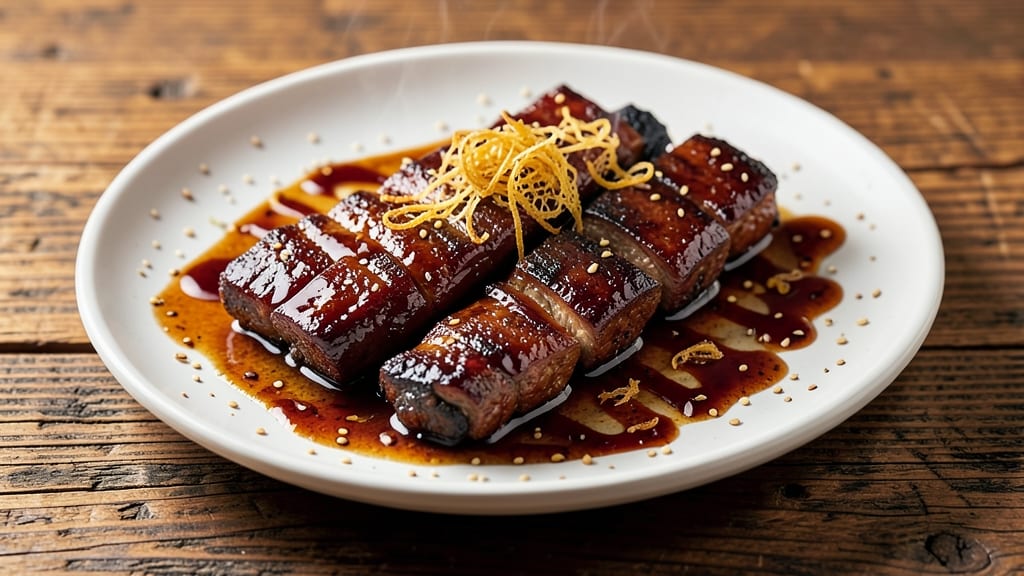
This Korean beef short ribs marinade transforms tough cuts into fall-off-the-bone tenderness with a fermented soy-garlic blend that works its magic overnight. The secret lies in balancing sweet, salty, and umami elements—soy sauce, garlic, and a touch of sugar—while letting fermentation develop deep, complex flavors.
I’ve perfected this marinade over years of testing, and it’s the reason my ribs consistently earn rave reviews at dinner parties.
The marinade’s power comes from its simplicity and precision: fermented components like gochujang or doenjang add depth, while sesame oil and ginger create aromatic layers that penetrate the meat.
You’ll need just 12 hours of marinating time, but the results are worth every minute—juicy, flavorful ribs that practically melt in your mouth. This isn’t just a marinade; it’s a flavor bomb that elevates any cut of beef.
What sets this marinade apart is its ability to tenderize while infusing rich, savory-sweet notes that define Korean-style cooking. The garlic and soy sauce break down collagen, while the sugar caramelizes slightly during marination, creating a sticky, flavorful crust.
Whether you’re grilling, braising, or slow-cooking, this marinade ensures restaurant-quality results every time.
Store any leftover marinade in an airtight container in the fridge for up to 5 days, or freeze for longer storage. It’s versatile enough to use on chicken or pork too—just adjust the marinating time accordingly. Let’s get started on this game-changing recipe!
Ingredients for korean beef short ribs marinade
Nine ingredients, one flavor bomb that turns tough ribs into melt-in-your-mouth perfection.
| Ingredient | Amount | Notes |
|---|---|---|
| Korean Soy Sauce (Ganjang) 🍶 | ½ cup | Fermented, rich umami base |
| Sesame Oil 🫒 | 2 tbsp | Toasted, aromatic richness |
| Gochujang 🌶️ | ¼ cup | Fermented chili paste, essential |
| Fresh Ginger 🧅 | ¼ cup | Finely grated, zesty kick |
| Garlic Cloves 🧄 | 8 cloves | Peeled, minced for depth |
| Brown Sugar 🍯 | ¼ cup | Light caramelization |
| Rice Vinegar 🍶 | 2 tbsp | Bright acidity balance |
| Asian Pearl Onion 🧅 | ¼ cup | Finely chopped, subtle sweetness |
| Sesame Seeds 🥜 | 1 tbsp | Toasted, garnish finish |
| Black Pepper 🌶️ | ½ tsp | Freshly cracked, heat layer |
The Korean soy sauce is non-negotiable—look for Ganjang at Asian markets or the international aisle. Lee Kum Kee or Doenjang brands deliver that deep, fermented punch. Gochujang? Mae Mun is my go-to, but any jarred paste works. Fresh ginger and garlic need to be vibrant—no wrinkly roots here. Toast your sesame seeds in a dry pan for 30 seconds before adding to the mix. The brown sugar should be light, not dark—it caramelizes better for that sticky crust.
No gochujang? Substitute 1 tbsp sriracha plus 1 tbsp soy sauce, but you’ll lose depth. Skip the rice vinegar? Apple cider vinegar works, though it’s slightly sharper. Pearl onion missing? Red onion or shallot in equal measure. Sesame oil out of stock? Avocado oil at half the amount, but the flavor won’t be the same. Pro tip: Double the marinade—you’ll want leftovers for that second batch of ribs.
Marinade keeps 5 days in the fridge, sealed tight. Freeze for 3 months in ice cube trays for single-use portions. The longer it sits, the better—12-24 hours is ideal. Stir before each use. Leftover marinade? Brush it on grilled veggies or toss with noodles—it’s too good to waste.
Why You'll Love This Recipe
- Minimal Chopping Required: I swear by this marinade because it only needs ginger and garlic—no fancy prep. Just smash the cloves, grate a thumb’s worth of ginger, and mix. That’s it. No knife skills needed.
- Sweet-Savory Heat Bomb: The gochujang and ganjang combo gives you this perfect balance: sticky, smoky, with just enough kick. The sesame oil ties it all together—rich, nutty, and so satisfying.
- Weeknight to Weekend: Use it for quick weeknight stir-fries or let the ribs slow-cook all day. Same marinade, different results. Honestly, I’ve used the leftovers on rice bowls and even as a dipping sauce. Never goes to waste.
- Budget-Friendly Luxury: Short ribs can feel fancy, but this marinade stretches every dollar. A little goes a long way, and the flavors make even the simplest meal feel special. Plus, it’s cheaper than takeout—no contest.
Step-by-step instructions for Korean beef short ribs marinade
This marinade transforms tough ribs into melt-in-your-mouth perfection—let's break it down.
Mince and Grate the Aromatics
Start by finely mincing the 8 cloves garlic cloves and grating the 0.25 cup fresh ginger using a microplane or fine grater. You want the ginger to be almost paste-like—this ensures even distribution throughout the marinade. The garlic should be so finely chopped you can barely see the pieces when mixed in.
Here's the thing—freshly grated ginger and minced garlic release their flavors immediately, which is why we do this first. If you use pre-minced garlic from a jar, you'll miss that fresh, vibrant punch that makes this marinade truly special. Set these aside in a small bowl until ready to combine.
Combine Wet Ingredients for Umami Depth
In a large mixing bowl, pour in the 0.5 cup korean soy sauce (ganjang) and 2 tbsp sesame oil. Add the 0.25 cup gochujang and 0.25 cup brown sugar, stirring vigorously to dissolve the sugar completely. The mixture should be thick but pourable—this is your flavor foundation.
Next, add the 2 tbsp rice vinegar and whisk until fully incorporated. This acidity brightens the rich, savory flavors while helping tenderize the meat. Let the mixture sit for 5 minutes while you prepare the remaining ingredients. This brief resting period allows the flavors to begin melding together—you'll notice the sugar starts to caramelize slightly, deepening the complexity.
Incorporate Aromatics and Season
Add the minced garlic and grated ginger to the bowl, stirring until completely combined. Then fold in the 0.25 cup asian pearl onion and 0.5 tsp black pepper, mixing until everything is evenly distributed. The marinade should coat the back of a spoon with a thick, glossy consistency—this ensures maximum flavor penetration.
Real talk: The black pepper should be freshly cracked for this step. Pre-ground pepper loses its potency quickly, and you want that sharp, fresh heat cutting through the richness of the soy and gochujang. Give everything one final stir, then taste the marinade. It should be bold, slightly sweet, with a subtle heat from the gochujang and bright acidity from the vinegar.
Finish with Toasted Sesame Seeds
In a dry skillet over medium heat, toast the 1 tbsp sesame seeds for 1-2 minutes until they're fragrant and lightly golden. Remove from heat immediately—they'll continue to cook from residual heat. Let them cool for 2 minutes, then sprinkle them into the marinade.
These toasted seeds add a nutty, aromatic finish that elevates the marinade from good to exceptional. The seeds should be warm but not hot when added—they'll infuse the marinade with their toasted flavor without overpowering the other ingredients. Give one final stir to distribute the seeds evenly throughout.
Rest and Apply the Marinade
Cover the marinade and let it rest at room temperature for 15 minutes, then refrigerate for at least 4 hours (overnight is ideal). This resting period allows the flavors to fully develop and the ingredients to work together synergistically. The marinade will thicken slightly as it chills, which is perfect for clinging to the ribs.
When ready to use, apply the marinade generously to the beef short ribs, coating them completely. For best results, marinate for 12-24 hours in the refrigerator. This extended time ensures the meat becomes fork-tender, with flavors infused deep into every fiber. The ribs should develop a beautiful sheen from the marinade, indicating they're ready for cooking.
Pro Tips For Making Korean Beef Short Ribs Marinade
- Grate Ginger Thin: Use a microplane or the finest grater you own—no, a knife isn’t cutting it here. The goal is to get the ginger into the marinade as a fine paste, not chunks that’ll just sit there. I used to chop it, and half the time it’d clump or not dissolve properly. Thin grating guarantees it blends smoothly with the ganjang and gochujang.
- Toast Garlic First: Toss those minced garlic cloves in a dry pan over medium heat for 30 seconds until they’re just turning golden. This kills the raw bite and deepens their flavor—trust me, your ribs will taste richer. Skip this, and you’ll end up with that harsh, uncooked garlic taste lingering even after cooking.
- Mix Sesame Oil Last: Add sesame oil right before applying the marinade, not at the start. It’s heat-sensitive and burns easily, turning bitter if cooked too long. Stir it in just before coating the ribs, and you’ll lock in that nutty aroma without any off flavors.
- Marinate Overnight (Not 30 Minutes): If you’re short on time, at least give it 4 hours—any less, and the ganjang and gochujang won’t penetrate the meat like they should. I know, I know, but trust the process. The longer it sits, the more tender and flavorful the ribs become. (Yes, even if you’re impatient like me.)
Pro cooking tips for this recipe
Marinade Temperature Control
Always marinate your beef short ribs in the refrigerator between 34-40°F—never at room temperature. The cold slows enzymatic activity, preventing bacterial growth while allowing the marinade to penetrate evenly. I use a glass bowl with a tight-fitting lid to maintain temperature consistency.
If your kitchen runs warm, place the bowl on a bed of ice in a larger container for the first 30 minutes to stabilize the marinade. 🌡️
Double Marinating Technique
For extra-tender ribs, I recommend a two-stage marinating process. First, coat the ribs with half the marinade and let them sit uncovered in the fridge for 4 hours. This allows the marinade to start breaking down collagen.
Then, add the remaining marinade and refrigerate for another 8-12 hours. The uncovered first stage helps prevent a soggy exterior while maximizing flavor absorption.
Fermentation Boost
To deepen the umami flavor, let your marinade ferment for 12-24 hours before using. The fermentation process enhances the natural sugars and soy compounds, creating a richer, more complex flavor profile.
I place my marinade in a wide-mouth mason jar and leave it at room temperature for 6 hours before refrigerating. This controlled fermentation step transforms this marinade from good to extraordinary. ✨
Acid Balance Adjustment
If your marinade tastes too sharp after mixing, balance it by adding 1 tsp more brown sugar or ½ tsp honey. Conversely, if it’s too sweet, add 1 tsp rice vinegar or a pinch of Korean red pepper flakes for heat.
Taste as you go—this marinade should harmonize all flavors, not overpower one note. I always adjust the acidity first, as it’s the most volatile component.
Meat Surface Prep
Before applying the marinade, pat the beef short ribs dry with paper towels and score the surface in a crosshatch pattern with a sharp knife. This creates tiny openings for the marinade to penetrate more deeply.
I also recommend letting the ribs sit at room temperature for 30 minutes before marinating to ensure even cooking later. This prep step makes all the difference in tenderness. 💪
Storage and Reuse
Store leftover marinade in an airtight glass container in the fridge for up to 5 days or freeze it in ice cube trays for single-use portions. The longer it sits, the better the flavors develop.
I often use leftover marinade as a glaze for grilled vegetables or a dipping sauce for spring rolls—it’s too good to waste! Just reheat gently before using to maintain its consistency. 🔥
Nutrition facts
Frequently asked questions
Can I use this marinade on other meats besides beef short ribs?
This fermented soy-garlic marinade works beautifully on pork ribs, chicken thighs, or even tofu for a meaty texture. For chicken, reduce marinating time to 6-8 hours to prevent over-tenderizing. Pork ribs benefit from the full 12-24 hours for maximum tenderness. Just adjust cooking methods accordingly—grilled, braised, or slow-cooked all work well.
What makes gochujang essential in this marinade?
The gochujang adds fermented depth and subtle heat that regular chili paste can't replicate. It contains glutinous rice flour, which helps create a sticky, flavorful crust on the meat. Without it, your marinade will taste flatter and less umami-rich. For a milder version, reduce to 1 tbsp or swap for 1 tbsp sriracha + 1 tbsp soy sauce, though you'll lose complexity.
How do I fix a marinade that's too thin or too thick?
If your marinade is too thin, whisk in 1 tbsp cornstarch or arrowroot powder mixed with 1 tsp water until thickened. For a thicker marinade, reduce it over low heat for 3-5 minutes, stirring constantly. Never boil—this can burn the sugar and ruin the delicate balance. The ideal consistency should coat the back of a spoon with a glossy sheen but still be pourable.
Can I make this marinade ahead of time?
Yes! This marinade actually improves with time. Make it 2 days in advance and store it in an airtight container in the fridge. The flavors will deepen and develop more complexity. For best results, let it sit at room temperature for 30 minutes before using to bring out all the aromatic notes. The longer it rests, the better—just don't exceed 5 days of fridge storage.
Why does my marinade smell strong but the ribs taste bland?
This usually happens when the marinade sits too long at room temperature or when you don't score the meat properly. Always marinate in the fridge (34-40°F) and score ribs in a crosshatch pattern to maximize flavor absorption. Also, ensure your meat is bone-in—the collagen in bones adds natural sweetness that gets infused during marinating. If the flavor is still weak, try brushing on extra marinade during cooking or simmering it into a sauce.