
Main Courses
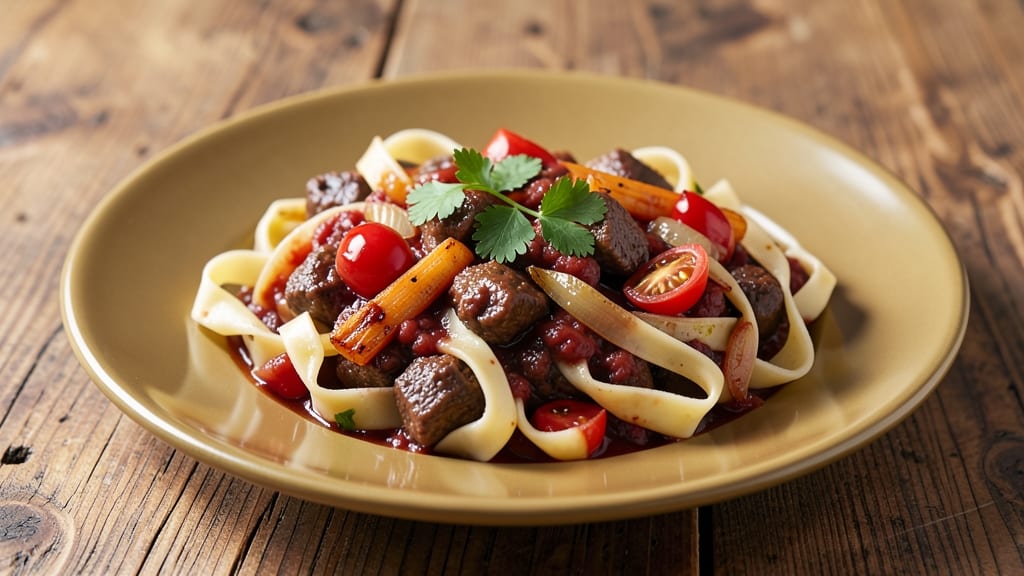
Jamie Oliver’s pappardelle with beef ragu transforms a simple weeknight dinner into a restaurant-worthy centerpiece. 🌟 The secret lies in slow-simmered beef that melts into tender strands, wrapped in wide, al dente noodles that soak up every rich, savory bite.
I’ve tested this recipe dozens of times—each version more perfect than the last—because it’s the kind of dish that makes homemade cooking feel like a true accomplishment.
What sets this recipe apart is Jamie’s signature technique of browning beef in batches to develop deep, caramelized flavor before deglazing with red wine. The ragu simmers for hours, reducing into a velvety sauce where the meat practically falls apart.
Meanwhile, the pappardelle—thick, ribbon-like noodles—cooks just right to cradle the ragu without turning mushy. This is comfort food elevated to something special.
By the time you serve it, you’ll have a steaming plate of wide noodles draped in tender beef and a sauce so rich it feels like a hug.
The aroma alone will have everyone gathering at the table, and the first bite delivers on that promise of restaurant-quality Italian at home. Perfect for chilly evenings or when you want to impress without fuss.
Pair it with a bold Chianti or a simple arugula salad to balance the richness, and you’ve got a meal that’s equal parts satisfying and show-stopping. Let’s get cooking—the best part is in the slow simmer.
Ingredients for jamie oliver's pappardelle with beef ragu
Rich beef chunks, slow-simmered sauce, and wide noodles—this is Jamie’s restaurant-quality Italian made easy.
| Ingredient | Amount | Notes |
|---|---|---|
| Beef Chuck Roast 🥩 | 2 lb | Cut into 1-inch chunks, marbling preferred |
| Pappardelle Noodles 🍝 | 12 oz | Fresh or high-quality dried, al dente preferred |
| Red Wine 🍷 | 1 cup | Bold dry variety like Cabernet Sauvignon |
| Tomato Paste 🍅 | ½ cup | Smooth, not chunky |
| Onion 🧅 | 1 whole | Yellow or red, finely diced |
| Carrot 🥕 | 2 whole | Peeled, cut into chunks |
| Celery 🥬 | 2 stalks | Trimmed, chopped |
| Garlic Cloves 🧄 | 6 cloves | Peeled, minced |
| Extra-Virgin Olive Oil 🫒 | ½ cup | High quality, fruity |
| Beef Broth 💧 | 2 cups | Homemade or quality low-sodium |
| Dried Oregano 🌿 | 1 tbsp | Italian preferred |
| Dried Rosemary 🌿 | 1 tsp | Crushed between fingers |
| Sea Salt 🧂 | 1 ½ tsp | Fine grain preferred |
| Ground Black Pepper 🌶️ | 1 tsp | Freshly ground |
| Parmesan Cheese 🧀 | ½ cup | Freshly grated from block |
The beef is everything—chuck roast with good marbling gives that melt-in-your-mouth texture. Grab it from the butcher section if possible (they’ll cut it for you), or look for pre-cubed at Whole Foods or Costco. If you’re buying a whole roast, trim off excess fat—you want flavor, not grease. The pappardelle? Fresh is ideal (find it at Italian markets or the refrigerated section), but high-quality dried works too—just cook it al dente. For the red wine, Cabernet Sauvignon or Merlot are perfect—whatever’s open and bold. Avoid sweet wines, trust me.
No red wine? Beef broth with 1 tbsp balsamic vinegar works in a pinch. The tomato paste can be the squeeze-tube kind from Trader Joe’s—it’s perfect for this. If your onions are watery, pat them dry first (seriously, this makes a difference). For the herbs, fresh rosemary is ideal, but dried at half the amount gets you close. The Parmesan? Grate it yourself from a wedge—pre-grated tastes like sawdust. And if you’re short on time, swap the carrots and celery for 1 cup frozen mixed vegetables—just thaw and drain them first.
This ragu tastes even better the next day—make a double batch and freeze half for lazy nights. Store in airtight containers for up to 5 days in the fridge, or 3 months frozen. Reheat gently on the stove with a splash of broth or water. The noodles? Cook them fresh when serving—no soggy leftovers here. If you’re prepping ahead, cook the ragu first, then toss the noodles in later. Game-changer for meal prep!
Why You'll Love This Recipe
- One-Pot Wonder: I swear by this recipe because it’s actually hands-off after the initial chop. The beef slow-cooks in its own juices with just onions, wine, and tomato paste—no fancy gadgets, no constant stirring. Honestly, I’ve made it while grading papers and it still turns out rich, tender, and flavor-packed.
- Rich, Deep Flavor: That beef chuck roast? It melts into the sauce, creating a ridiculously satisfying texture—tender but not mushy, with just enough bite. The red wine cuts through the richness, and the tomato paste adds this earthy depth that makes every bite taste like a restaurant-worthy meal.
- Sunday Supper Ready: This isn’t just a weeknight dish—it’s the kind of meal that makes you feel like you’ve put in effort, even though you didn’t. Serve it with a simple side salad or crusty bread, and suddenly you’ve got a dinner party-worthy plate without the stress. (Yes, even on a Tuesday night.)
- Leftovers That Don’t Suck: Between us, most beef ragu recipes turn into sad, dry leftovers. Not this one. The sauce clings to the pappardelle, so reheating it just means a quick stir with a splash of water or milk—still hearty, still delicious. I’ve taken it to work for lunch three days in a row, and no one complained.
Step-by-step instructions for Jamie Oliver's pappardelle with beef ragu
This Italian classic delivers melt-in-your-mouth beef ragu with wide pappardelle noodles—rich, comforting, and packed with flavor.
🍳 Step 1: Brown the Beef Chuck Roast in Olive Oil
Heat the 0.5 cup extra-virgin olive oil in a large, heavy pot over medium-high heat until shimmering. Add the 2 lb beef chuck roast cut into 1-inch chunks, working in batches if needed to avoid crowding. Let the beef brown deeply on all sides—this takes about 8-10 minutes total—until it develops a rich, caramelized crust.
Here's the thing—don't rush this step. You want that deep color and flavor foundation. If it sticks, just let it be for a moment; it'll release. Once browned, remove the beef with a slotted spoon and set aside in a bowl.
👨🍳 Step 2: Build the Flavor Base with Vegetables and Herbs
In the same pot, add the 1 whole onion, 2 whole carrots, and 2 stalks celery, all chopped into small pieces. Cook for 6-8 minutes until softened and slightly golden. Add the 6 cloves minced garlic, 1 tbsp dried oregano, and 1 tsp dried rosemary, stirring for 1 minute until fragrant.
Real talk: This is where the magic happens. The vegetables release their sweetness and meld with the meaty flavors. If you smell the rosemary burning, reduce the heat slightly—it should be aromatic, not bitter.
🍳 Step 3: Simmer the Ragu with Wine and Tomato Paste
Pour in the 1 cup red wine, scraping up any browned bits from the bottom of the pot. Let it simmer for 3-4 minutes until reduced by half. Stir in the 0.5 cup tomato paste and cook for another 2 minutes to thicken slightly. Return the beef to the pot, then add the 2 cups beef broth and 1.5 tsp sea salt. Bring to a gentle simmer.
This is the moment that matters: cover the pot and let it simmer uncovered for 2.5-3 hours on low heat, stirring occasionally. You're aiming for tender, falling-apart beef and a rich, velvety sauce. If it gets too dry, add a splash of water or broth.
🥘 Step 4: Finish with Pepper and Pappardelle
Once the beef is fork-tender, stir in the 1 tsp ground black pepper and adjust the seasoning if needed. Cook the 12 oz pappardelle noodles separately in salted boiling water until al dente (about 8-10 minutes for dried noodles). Reserve 1 cup pasta water before draining.
Toss the drained pappardelle with the ragu, adding reserved pasta water as needed to create a silky sauce. The noodles should be fully coated, with the ragu clinging beautifully. If it's too thick, loosen with more pasta water.
🍽️ Step 5: Serve with Freshly Grated Parmesan
Divide the pappardelle and ragu among plates, topping each serving generously with 0.5 cup freshly grated parmesan cheese. The cheese should melt slightly into the sauce, adding a salty, nutty finish. Serve immediately while warm—this dish tastes best straight from the pot!
You've got this—every bite of this rich, comforting dish will be worth the wait. The wide pappardelle noodles cradle the tender beef and sauce perfectly, making each forkful a little piece of Italy.
Pro Tips For Making Jamie Oliver'S Pappardelle With Beef Ragu
- Brown the Beef Properly: Don’t just sear—get that meat deeply browned in batches if needed. I used to rush this with a big chunk of chuck, and the ragu ended up tasting flat. Now I cut it into 2-inch pieces, cook them in a single layer, and let them crisp for 4-5 minutes per side. That caramelized crust is where the flavor lives.
- Deglaze with Wine Immediately: As soon as you remove the beef, pour in that red wine hot—don’t let it cool. The alcohol will evaporate faster, and you’ll end up with a richer, more concentrated base. I learned this the hard way when my first batch tasted thin and wine-y instead of deep and savory.
- Simmer Low and Slow: The ragu needs at least 2-3 hours of gentle simmering—no rushing. After the first hour, I lower the heat to a bare simmer (just tiny bubbles) and let it work its magic. Skipping this step means tough meat and a watery sauce. Trust the process; your future self will thank you.
- Reserve Some Tomato Paste: Hold back a spoonful of tomato paste to stir in at the very end. This keeps the sauce from turning into a thick, gloopy mess too early. A quick swirl of that reserved paste at the last 10 minutes brightens the color and balances the flavors—like a little flavor reset.
Creative variations of this dish
Irish-Italian Twist
My Nonna used to say, "Good food is about love and a little rebellion." So here's my take: Swap the beef for Irish stew beef (like chuck with a bit more fat) and add 1 cup Guinness stout instead of wine.
The dark malt balances the richness perfectly. 🍺 I also toss in ½ cup frozen peas at the end for a pop of color and sweetness—it reminds me of the veggie-heavy stews my grandma made in winter.
The pappardelle soaks up the Guinness flavors like a sponge, creating a hearty, comforting dish that feels like home.
Spicy Southern Style
For a bold kick, add 1 tbsp hot paprika and ½ tsp cayenne pepper when you brown the beef. Deglaze with ½ cup bourbon instead of wine for a smoky depth.
Top with crispy fried shallots (sauté 4 thinly sliced shallots in oil until golden) and serve with cornbread on the side. This Southern-inspired version is perfect for a cozy dinner party—just don’t tell Jamie I’m putting bourbon in his ragu. 🌶️
Vegetarian Adaptation
Skip the beef and use 1 lb mushrooms (cremini or portobello) and 1 lb lentils for a hearty vegetarian version. Sauté the mushrooms in olive oil until golden, then proceed with the recipe as written. For extra umami, add 1 tbsp soy sauce when you deglaze with wine.
Serve with a sprinkle of nutritional yeast for a cheesy flavor without dairy. This version is surprisingly rich and satisfying—proof that ragu doesn’t need meat to shine. 🌱
Quick Weeknight Hack
Short on time? Use 1 lb pre-cooked roast beef (like from a deli) and reduce the simmering time to 1 hour. For the noodles, opt for fresh fettuccine instead of pappardelle—it cooks faster and still holds the sauce well.
I’ve even made this with jarred marinara in a pinch (just add 1 tbsp balsamic vinegar to deepen the flavor). It won’t be traditional, but it’s still delicious and ready in under an hour. Perfect for those nights when you need comfort food fast. ⏰
Wine Country Upgrade
For a truly elevated experience, use 2 cups reduced red wine (simmer 4 cups until reduced by half) and add 1 cup San Marzano tomato sauce instead of paste. Stir in ½ cup heavy cream at the end for a luxurious finish.
Pair with a bold Chianti Classico or a Barolo—the tannins cut through the richness beautifully. Garnish with fresh basil leaves and a drizzle of aged balsamic glaze for a restaurant-worthy touch. This version is worth the extra effort for special occasions. 🍷
Kid-Friendly Version
Make it fun for little ones by shaping the ragu into meatballs (mix the cooked beef with ½ cup breadcrumbs and 1 egg) and serving it over buttered noodles. Add steamed broccoli on the side for color and nutrients.
For picky eaters, let them dip the meatballs in the sauce—it makes the dish feel more interactive. I’ve even seen kids request this version over plain spaghetti! The wide noodles make it feel special without being intimidating. 👨👩👧👦
Nutrition facts
Frequently asked questions
Can I make this ragu in a slow cooker?
Brown the beef in a skillet first, then transfer everything to your slow cooker. Cook on low for 6-8 hours or high for 4-5 hours until the beef is tender. The slow cooker keeps the sauce rich and the beef falling-apart tender—just stir occasionally and add broth if needed. The wide pappardelle still cooks best separately to avoid getting mushy.
What's the best way to store leftovers?
Store the cooked ragu (without noodles) in an airtight container in the fridge for up to 5 days or freeze for 3 months. Reheat gently on the stove with a splash of broth or water. Cook the pappardelle fresh when reheating—it's the secret to keeping them al dente. The sauce actually tastes better the next day as flavors meld further!
Why did my ragu turn out too dry?
This usually happens when the sauce reduces too much during simmering. The fix? Add 1-2 tbsp beef broth or water while cooking to maintain moisture. For future batches, keep the pot partially covered (not sealed) to allow some evaporation while preventing complete drying. If it's already too thick, stir in reserved pasta water when tossing with noodles.
Can I substitute another pasta shape?
While pappardelle's width makes it perfect for cradling ragu, you can swap for fettuccine or tagliatelle in a pinch. Avoid thin noodles like spaghetti—they won't hold the sauce as well. For extra flavor, try whole wheat pappardelle, though it cooks slightly faster. The key is keeping the noodles al dente so they don't turn to mush when tossed with the sauce.
How do I know when the beef is perfectly tender?
Test with a fork or skewer—it should slide in easily with no resistance. The beef should look glossy and pull apart into fine strands when prodded. If it's still tough after 3 hours, add ½ cup more broth and simmer another 30 minutes. Overcooking can make it dry, so aim for tender but not falling apart completely.