
Main Courses
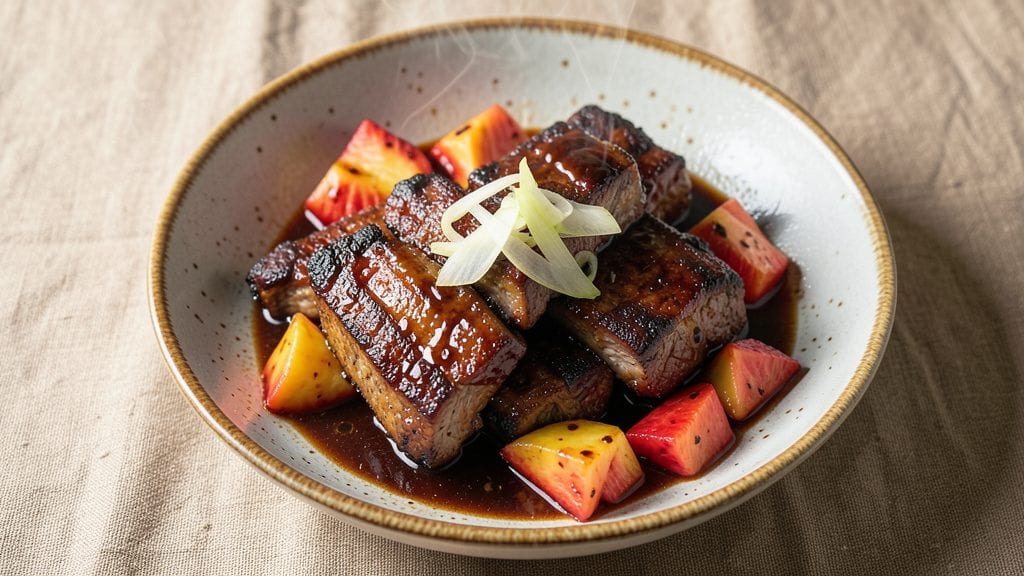
This Hawaiian beef short ribs recipe marries rich, slow-cooked beef with tropical sweetness—where tender, fall-off-the-bone meat meets a caramelized pineapple glaze that balances savory and tangy flavors.
The secret lies in braising the ribs low and slow until they're fork-tender, then finishing with a quick sear to develop that glossy crust while the core stays juicy.
I first tried this method after a trip to Oahu, where I fell in love with how the local restaurants achieved that perfect harmony of textures.
The process starts with a simple marinade of soy sauce, brown sugar, ginger, and garlic—classic Hawaiian-inspired flavors that penetrate the beef overnight.
Then, the ribs braise in a mix of teriyaki, pineapple juice, and a touch of honey, creating a sticky glaze that caramelizes into a rich, slightly sweet coating as it reduces.
This isn’t just a recipe; it’s a technique that transforms tough cuts into melt-in-your-mouth bites, all while keeping the kitchen manageable with one-pot simplicity.
What you’ll end up with is a dish that’s restaurant-quality at home—juicy ribs with a deep amber glaze, served over steamed jasmine rice or with a side of fresh pineapple salsa for brightness.
The aroma alone will have everyone gathering around the table, and the first bite delivers that perfect contrast: tender meat, crisp edges, and a burst of tropical sweetness. This is comfort food with a vacation vibe, and it’s become a staple in my rotation for special occasions.
Pair it with steamed bok choy or a simple ahi tuna salad to round out the meal, or serve it as the centerpiece for a Hawaiian-themed dinner. The beauty of this recipe is its versatility—it works for weeknight dinners or weekend feasts, and the leftovers reheat beautifully. Let’s get cooking!
Ingredients for hawaiian beef short ribs
Fourteen ingredients, one unforgettable dish—where rich beef meets tropical sweetness in perfect harmony.
| Ingredient | Amount | Notes |
|---|---|---|
| Beef Short Ribs 🥩 | 3 lb | Bone-in, 2-3 inches thick |
| Pineapple Juice 🍍 | 1 cup | Freshly squeezed preferred |
| Teriyaki Sauce 🍶 | 1 cup | Store-bought or homemade |
| Brown Sugar 🍚 | ½ cup | Light or dark preferred |
| Soy Sauce 🥢 | ½ cup | Kosher or tamari for gluten-free |
| Fresh Ginger 🌿 | 2 tbsp | Grated, aromatic |
| Garlic Cloves 🧄 | 6 cloves | Minced, aromatic |
| Honey 🍯 | 2 tbsp | Wildflower or clover |
| Onion 🧅 | 1 whole | Yellow or red, sliced |
| Balsamic Vinegar 🍷 | 2 tbsp | For depth of flavor |
| Olive Oil 🫒 | 2 tbsp | Extra-virgin for searing |
| Salt 🧂 | 1 ½ tsp | Kosher or sea salt |
| Black Pepper 🌶️ | 1 tsp | Freshly ground |
| Fresh Pineapple 🍍 | 1 whole | For garnish, optional |
The ribs are the star, so don’t cut corners here. Look for bone-in short ribs—they’re more flavorful and stay juicier. Costco or local butchers often have the best selection, but any grocery store should carry them. If you’re buying a whole pack, ask for the bone-in, 2-3 inch thick cuts—they’ll give you that fall-apart texture. Fresh ginger and garlic are non-negotiable for that authentic Hawaiian flavor punch. Trader Joe’s usually has great pre-grated ginger if you’re short on time, but fresh is always better. The teriyaki sauce can be store-bought, but if you’re feeling fancy, make your own with soy sauce, brown sugar, and a splash of mirin.
No teriyaki sauce? Substitute with a mix of soy sauce and honey—just skip the extra honey since we’re adding it separately. Running low on pineapple juice? Coconut water or orange juice works in a pinch, but the acidity helps tenderize the meat. Fresh ginger too spicy? Use half the amount of ground ginger, but know it won’t be as vibrant. The balsamic vinegar adds depth—if you don’t have it, a splash of red wine vinegar does the trick. For the pineapple garnish, canned pineapple in juice works if you’re in a hurry, but fresh is brighter and sweeter. The ribs can be prepped a day ahead—just marinate them overnight for maximum flavor.
This dish tastes even better the next day, so plan ahead. Store leftovers in an airtight container in the fridge for up to 4 days, or freeze for 3 months. The glaze thickens as it cools, so reheat with a splash of water or broth to loosen it up. I like to portion the ribs into individual containers with a little extra glaze—perfect for meal prep. The glaze also freezes well, so you can make a double batch and save some for another use, like drizzling over grilled chicken or tofu.
Why You'll Love This Recipe
- One-Pan Magic: The ribs, sauce, and pineapple juice all go in one dish—no chopping, no fussing. Honestly, I’ve made this while scrolling through my phone; the only real effort is flipping the ribs once.
- Sweet-Savory Balance: That teriyaki and brown sugar caramelize into something rich, but the pineapple juice cuts through the richness like a bright, tangy hug. Between us, the first bite makes me close my eyes—it’s that good.
- Leftovers That Win: These ribs taste even better the next day, especially reheated with a splash of pineapple juice. I’ll be real: I’ve brought these to work and had coworkers ask for the recipe.
- Budget-Friendly Luxury: Short ribs feel fancy, but this recipe makes them feel like a treat without breaking the bank. The soy and brown sugar stretch the flavor, so you’re getting restaurant-quality for half the price.
Step-by-step instructions for Hawaiian beef short ribs
This method guarantees fall-off-the-bone tenderness with a caramelized pineapple crust—no shortcuts, just pure flavor.
Prep the Ribs for Maximum Tenderness
Pat the 3 lb beef short ribs completely dry with paper towels—this is non-negotiable for proper browning. In a small bowl, whisk together 1 cup teriyaki sauce, 0.5 cup soy sauce, 2 tbsp honey, and 2 tbsp balsamic vinegar. Place the ribs in a resealable plastic bag and pour the sauce mixture over them, sealing the bag tightly. Massage the ribs gently to coat evenly, then refrigerate for at least 4 hours (overnight works best).
The marinade works its magic by breaking down tough collagen fibers while infusing deep umami and sweetness. Don't skip this step—it's what transforms tough ribs into melt-in-your-mouth perfection. When ready, remove the ribs from the fridge and let them sit at room temperature for 30 minutes before cooking.
Sear for Color and Flavor Foundation
Preheat your oven to 300°F. Heat 2 tbsp olive oil in a large oven-safe Dutch oven over medium-high heat until shimmering. Working in batches if needed, sear the ribs on all sides until deeply browned—about 3-4 minutes per side. You're looking for a rich, caramelized crust that develops as the meat releases its natural juices.
Once all ribs are browned, transfer them to a plate and set aside. In the same Dutch oven, add 1 whole sliced onion and cook for 5 minutes until softened. Sprinkle with 1.5 tsp salt and 1 tsp black pepper, then scrape up any browned bits from the bottom of the pan—this is pure flavor you don't want to waste.
Build the Pineapple-Glazed Crust
Return the ribs to the Dutch oven, bone-side down. Pour in 1 cup pineapple juice and 0.5 cup brown sugar, stirring to combine. Add 2 tbsp fresh ginger and 6 cloves minced garlic, pressing them into the sugar to release their aromatics. The mixture should bubble gently—this is when the magic happens as the sugar begins caramelizing.
Cover the Dutch oven tightly with a lid and transfer to the preheated 300°F oven. Braise for 2.5 hours, then carefully flip the ribs bone-side up. Return to the oven and cook another 1.5 hours until the ribs are fork-tender and the sauce has reduced to a glossy glaze. Here's the thing—you'll know they're done when a knife slides in easily and the meat pulls apart with gentle pressure.
Finish with Caramelized Crust and Garnish
Remove the ribs from the oven and increase the heat to 425°F. Uncover the Dutch oven and let the sauce reduce for 10-15 minutes until it thickens into a sticky glaze. This high-heat finish creates that coveted caramelized crust while intensifying the pineapple flavors. Watch carefully—the sugar can burn quickly, so keep an eye on it.
Once the sauce has thickened, carefully transfer the ribs to a serving platter. Spoon the reduced sauce over the top, then garnish with fresh pineapple slices if using. Let the ribs rest for 5 minutes before serving—this allows the juices to redistribute, ensuring every bite is as tender as the first.
Pro Tips For Making Hawaiian Beef Short Ribs
- Sear First, Slow Later: Get that Dutch oven screaming hot before adding the ribs—cast iron or stainless steel—and let them brown for 3-4 minutes per side. I learned this the hard way: skipping the sear means flavor stuck in the sauce instead of on the meat. Once golden, move to low heat (275°F) and cover with foil—this keeps the ribs tender without drying them out.
- Reduce Pineapple Juice: Simmer the pineapple juice down by half before adding it to the sauce—about 10 minutes on medium heat. Too much liquid later means soggy ribs, and you’ll end up with a watery glaze. My grandmother swore by this, and she was right: it thickens the sauce naturally without extra sugar.
- Skip the Crowding: Resist the urge to stack ribs in the pan—give them space to crisp. I used to cram them in, and half the batch ended up steaming instead of caramelizing. Leave at least an inch between pieces, and if needed, work in batches. The crust is what makes these ribs sing.
- Balance Sweet and Salty: Taste the sauce before adding the brown sugar—teriyaki and soy sauce already pack sweetness. I was skeptical until I tried it: adding sugar last (just a tablespoon or two) lets you adjust instead of ending up with something cloying. Start with less, then add more if needed.
Make-ahead tips for this recipe
Marinade Prep Ahead
Start the marinade 24 hours before cooking for maximum flavor penetration. Combine 1 cup teriyaki sauce, ½ cup soy sauce, 2 tbsp honey, and 2 tbsp balsamic vinegar in a resealable bag.
Store in the fridge until ready to use—this gives the beef time to absorb all those Hawaiian-inspired flavors. I like to double the marinade and freeze half for future use. 🌿
Rib Prep Timeline
Pat the ribs completely dry and coat them in the marinade, then refrigerate for at least 4 hours. Remove them from the fridge 30 minutes before cooking to bring them to room temperature—this ensures even cooking.
I always set a timer so I don’t forget this crucial step. The ribs should feel slightly cooler than room temp when you start searing. ⏰
Glaze Reduction Shortcut
Make the pineapple glaze one day ahead and store it in an airtight container in the fridge. When ready to cook, simply reheat the glaze with the ribs—this saves 30 minutes of active cooking time.
I use a 1:1 ratio of pineapple juice to brown sugar for the glaze base, which keeps well for up to 3 days in the fridge. 🍍
Freezer-Friendly Portions
After braising, let the ribs cool completely, then portion them into individual airtight containers with a spoonful of glaze. Freeze for up to 3 months—just thaw overnight in the fridge before reheating.
I like to add a splash of water when reheating to prevent the glaze from thickening too much. This makes meal prep effortless for busy weeks. ❄️
Sauce Rescue Trick
If the glaze thickens too much during storage, simply add 1-2 tbsp warm water or beef broth and stir over low heat until smooth. This works like a charm for reheating leftovers. I’ve even used leftover glaze to baste other proteins like chicken or tofu—it’s that versatile. 💡
Garnish Prep Ahead
Slice fresh pineapple for garnish and store it in a sealed container with a paper towel to absorb moisture. It’ll stay fresh in the fridge for 3-4 days, ready to brighten up your dish at serving time.
I also keep a small bowl of minced garlic and ginger on hand for quick garnishing—just sprinkle it over the ribs right before serving. 🍍
Nutrition facts
Frequently asked questions
Can I use bone-in or boneless beef short ribs for this recipe?
This recipe is designed for bone-in ribs—they stay juicier and more flavorful during the long braise. However, if you must use boneless, reduce the braising time by 30 minutes since they cook faster. The bone acts as a natural insulator, helping the meat stay tender while the glaze caramelizes.
What’s the best way to store leftovers to keep the glaze from drying out?
Store the ribs in an airtight container with a splash of pineapple juice or water to keep the glaze moist. Reheat in a covered skillet over low heat with 1-2 tbsp liquid to restore the sauce's consistency. Avoid microwaving—it makes the glaze rubbery.
Can I grill these ribs instead of braising?
Yes, but with adjustments! Grill the ribs over indirect heat at 250°F for 3-4 hours, flipping occasionally. Brush with extra glaze in the last 30 minutes to caramelize. Use a meat thermometer—they’re done at 203°F internally. The texture will be slightly different but still delicious!
Why does my glaze turn out too sweet or not sweet enough?
Balance is key! If too sweet, add 1 tbsp soy sauce or a pinch of salt to cut the sugar. If not sweet enough, stir in 1 tbsp honey or brown sugar during the final reduction. Taste the glaze before serving—adjust gradually to avoid overpowering the beef.
What sides pair best with Hawaiian beef short ribs?
Try steamed jasmine rice or coconut rice to soak up the glaze. For brightness, add pineapple salsa (diced pineapple, red onion, cilantro, lime) or grilled asparagus. A simple ahi tuna salad also complements the dish beautifully.