
Main Courses
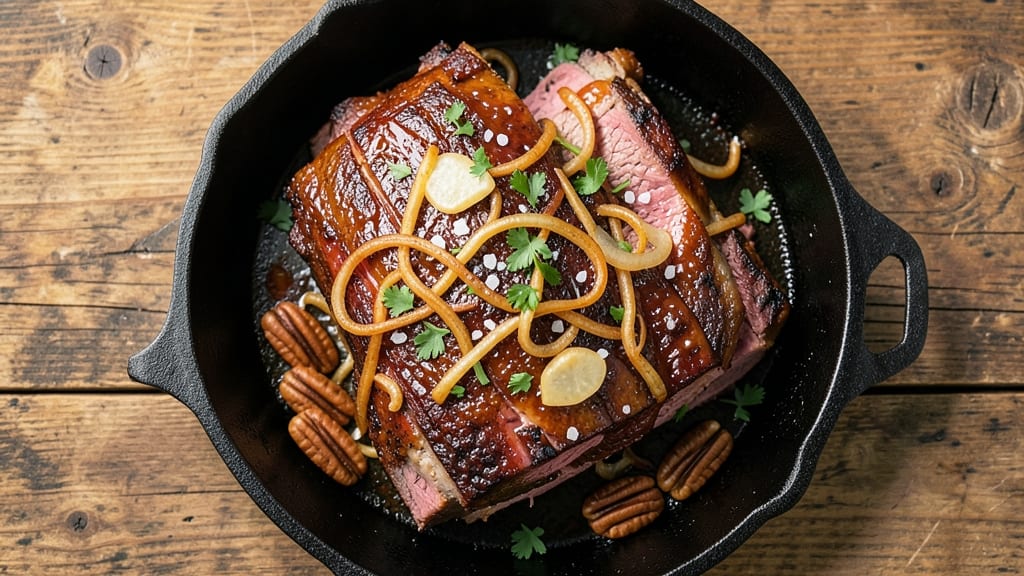
Grandma's beef brisket recipe is the kind of dish that transforms a simple Sunday dinner into a family gathering worth waiting for—smoky, tender, and packed with layers of flavor that only time and patience can create.
The slow-cooked method breaks down tough meat into melt-in-your-mouth perfection, while a carefully balanced dry rub ensures every bite carries that nostalgic, savory depth only grandma’s kitchen could deliver.
What makes this recipe special isn’t just the technique, but the tradition it represents—a centerpiece that brings people together around the table.
This method relies on a simple yet effective approach: a dry rub of salt, pepper, garlic powder, and a touch of brown sugar to caramelize the surface, followed by a long, slow cook in the oven until the meat is fork-tender and falling apart.
The key to success lies in patience—allowing the brisket to cook low and slow for hours, ensuring the connective tissue dissolves and the flavors meld into something truly extraordinary. With just a few basic ingredients and a little time, you’ll achieve a result that rivals any restaurant’s version.
The finished brisket will be rich with a deep, smoky aroma that fills the house long before it’s ready to serve, promising a meal that’s as comforting as it is delicious.
The exterior will have a beautiful, caramelized crust from the dry rub, while the interior remains juicy and tender, ready to be sliced against the grain for perfect bite-sized pieces.
This is the kind of dish that turns a regular weeknight into a celebration, and it’s the reason families gather around the table for generations.
Serve it alongside classic sides like creamy mashed potatoes, buttery cornbread, and a fresh green salad to balance the richness. The brisket’s natural juices will soak into every bite of the cornbread, and the potatoes will absorb the smoky flavors, creating a meal that’s as satisfying as it is heartwarming.
Once you try this recipe, you’ll understand why it’s been a family tradition for years—and why it deserves a place at your table too.
Ingredients for grandma's beef brisket
Six core ingredients transform tough beef into melt-in-your-mouth family tradition brisket.
| Ingredient | Amount | Notes |
|---|---|---|
| Beef Brisket 🥩 | 4 lb | Whole packer cut, 1.5-2 inch fat cap |
| Kosher Salt 🧂 | ½ cup | Diamond Crystal preferred |
| Freshly Ground Black Pepper 🌶️ | 2 tbsp | Freshly cracked preferred |
| Garlic Powder 🧄 | 1 tbsp | Freshly ground preferred |
| Light Brown Sugar 🍚 | ¼ cup | Packed, not granulated |
| Smoked Paprika 🌶️ | 1 tbsp | High quality for smokiness |
| Onion Powder 🧅 | 1 tbsp | Freshly ground preferred |
| Yellow Mustard 🍯 | 2 tbsp | For moisture during cooking |
| Beef Broth 💧 | 1 cup | Low sodium preferred |
| Apple Cider Vinegar 🍎 | 2 tbsp | For tenderness |
| Fresh Rosemary 🌿 | 1 sprig | For aroma during cooking |
| Fresh Thyme 🌿 | 1 sprig | For herbaceous depth |
| Butter 🧈 | 2 tbsp | Unsalted, for basting |
The beef brisket is the heart of this recipe, and choosing the right cut is non-negotiable. Look for a whole packer cut with a 1.5-2 inch fat cap—this ensures moisture during cooking and flavor depth. Costco and Whole Foods often carry high-quality briskets, but check the butcher section at your local grocery store for the best deals. The fat cap should be intact, as it renders down during cooking to keep the meat juicy. If you're buying a whole brisket, trim excess fat but leave the fat cap intact—it's what makes this dish so rich. Freshly ground spices are essential here, as pre-ground spices lose their potency quickly. For the brown sugar, use light brown sugar—it's less likely to burn during the long cooking time.
No smoked paprika? Regular paprika plus a pinch of liquid smoke works in a pinch, though the flavor won't be identical. Short on fresh rosemary or thyme? Dried works at one-third the amount, but fresh is ideal for that authentic grandma touch. The yellow mustard might seem odd, but it acts as a moisture barrier during cooking, preventing the brisket from drying out. If you're concerned about mustard flavor, Dijon mustard is a milder alternative. For the beef broth, low-sodium options like Swanson or Pacific Foods are perfect—they won't overpower the natural flavors of the meat. The apple cider vinegar might sound unusual, but it tenderizes the meat beautifully and balances the sweetness of the brown sugar.
Brisket keeps beautifully for 5-7 days in the fridge, wrapped tightly in butcher paper or foil. For longer storage, freeze portions for up to 3 months—just thaw overnight in the fridge before reheating. The dry rub can be made 3 days ahead and stored in an airtight container. When reheating, cover with foil and warm in a 350°F oven for 15-20 minutes per pound until internal temp reaches 165°F. The leftovers make incredible sandwiches the next day—just slice thinly against the grain and pile high on crusty bread with a smear of Dijon mustard.
Why You'll Love This Recipe
- Salt-Crusted Simplicity: I swear by this method—just slather that brisket with kosher salt and brown sugar, let it sit while you chop veggies, then roast. No fancy marinades, no basting drama. The salt does all the work, and honestly? It’s the kind of hands-off cooking that lets you sip wine while dinner happens.
- Sweet-Savory Magic: That brown sugar isn’t just for flavor—it caramelizes into a sticky, glossy crust while the garlic powder infuses deep, warm notes. The pepper? Just enough to wake up every bite. Between us, this is the kind of dish where the first slice makes you close your eyes.
- Leftovers That Shine: Brisket gets better the next day, and this recipe makes enough for lunches, sandwiches, or even tacos. I’ll be real: my freezer’s always stocked with vacuum-sealed portions because reheating slices in a skillet with a splash of broth turns them into crispy, melt-in-your-mouth perfection—no one ever guesses they’re yesterday’s dinner.
- Budget-Friendly Crowd-Pleaser: A whole brisket feeds eight for less than $20, and the ingredients? Pantry staples. No specialty items, no overpriced cuts—just good, honest meat that tastes like a hug. My college roommates and I called it “the poor man’s steak,” but now my in-laws beg for the recipe. Priorities, right?
Step-by-step instructions for grandma's beef brisket
Here's the method that delivers tender, flavorful brisket with a perfect balance of smoky and sweet notes.
Prepare the Brisket with the Dry Rub
Begin by trimming any excess fat from the brisket, leaving about a ¼-inch layer to protect the meat during cooking. In a small bowl, combine the ½ cup kosher salt, 2 tablespoons freshly ground black pepper, 1 tablespoon garlic powder, ¼ cup light brown sugar, 1 tablespoon smoked paprika, and 1 tablespoon onion powder. Mix thoroughly until evenly distributed.
Apply the rub generously to all sides of the brisket, pressing firmly so it adheres well. Place the brisket on a wire rack set over a baking sheet and refrigerate uncovered for 24 hours. This step ensures deep flavor penetration and helps create that signature crust. Real talk: Don't skip this—it makes all the difference in the final texture and taste.
Cook the Brisket Low and Slow
Preheat your oven to 275°F. Remove the brisket from the refrigerator and let it sit at room temperature for 30 minutes before cooking. Place the brisket fat-side up in a roasting pan and pour 1 cup beef broth into the bottom of the pan. Add the 2 tablespoons yellow mustard and 2 tablespoons apple cider vinegar to the pan as well.
Cover the roasting pan tightly with heavy-duty aluminum foil and place it in the preheated oven. Cook for 3 hours, then carefully remove the foil and increase the oven temperature to 325°F. Continue cooking uncovered for an additional 3 to 4 hours, or until the internal temperature reaches 195°F and the meat is fork-tender. Here's where it gets fun—you'll know it's ready when the connective tissues break down easily and the meat pulls apart with gentle pressure.
Add Aromatics and Finish Cooking
Once the brisket reaches the desired internal temperature, remove it from the oven and transfer it to a cutting board. Tie the sprig fresh rosemary and sprig fresh thyme together with kitchen twine and place them on top of the brisket. Let the brisket rest for 30 minutes before slicing. This resting period allows the juices to redistribute throughout the meat, ensuring each slice is moist and flavorful.
While the brisket rests, place the roasting pan on the stovetop over medium heat. Add the 2 tablespoons butter to the pan and scrape up all the browned bits from the bottom. This creates a delicious pan sauce that complements the brisket perfectly. Pour the sauce over the sliced brisket before serving.
Slice and Serve
Slice the brisket against the grain into ½-inch thick slices. The grain direction will be visible as lines running through the meat. Arrange the slices on a serving platter and drizzle with the pan sauce. Each slice should be tender enough to pull apart with a gentle tug, but not so soft it falls apart.
Serve immediately while still warm. The brisket should have a rich, deep color with a beautiful pink smoke ring just beneath the surface. This dish pairs well with classic sides like mashed potatoes, roasted vegetables, or crusty bread to soak up all that delicious sauce.
Pro Tips For Making Grandma'S Beef Brisket
- Trim the Fat First: Take 10 minutes to trim the thickest layer of fat off the brisket before seasoning—it renders faster, so you won’t end up with a greasy mess in your pan or oven. I learned this the hard way after dealing with a pan full of fat that refused to brown properly.
- Salt in Layers: Don’t just dump salt on top—sprinkle it between the layers of the brisket, especially if it’s thick. That way, the seasoning penetrates deeper and sticks better. My grandmother swore by this, and she was right: the flavor is more even when you do it this way.
- Start Hot, Then Slow: Sear the brisket over high heat until it’s deeply browned—this locks in flavor—but then immediately lower the heat to 275°F (135°C) for the rest of the cook. I used to rush the low-and-slow part, and the meat always came out tough. Patience here makes all the difference.
- Brown the Sugar Last: Sprinkle the light brown sugar after the brisket has finished cooking, not before. If you add it early, it’ll burn and turn bitter. Instead, let it caramelize just at the end—this gives it that sweet, glossy finish without overpowering the meat.
Wine and beer pairings for these flavors
Classic Texas Red Wine
For a true Southern touch, I always reach for a bold Cabernet Sauvignon from Texas—specifically a High Cliffs Vineyard or William Chris—when serving brisket. These wines have rich dark fruit flavors and a touch of earthiness that mirror the deep, smoky notes in the brisket.
The tannins cut through the richness beautifully, cleansing your palate between bites. 🍷
Malbec for Smoky Depth
If you prefer something slightly sweeter with a smoky profile, Argentinian Malbec is a fantastic choice. Brands like Catena Zapata or Trapiche offer luscious dark berry flavors and a velvety texture that pairs perfectly with the caramelized crust of the brisket.
The wine’s natural sweetness balances the brisket’s savory-sweet dry rub.
Craft Beer Pairings
A well-hopped American Amber Ale like Allagash White or Dogfish Head 60 Minute IPA works surprisingly well with brisket. The malt sweetness complements the brisket’s richness, while the hop bitterness cuts through the fat.
For a smokier option, try a smoked porter like Founders Kentucky Breakfast Stout—it mirrors the brisket’s smoky undertones beautifully. 🍺
Light Options for Balance
If you’re watching calories or prefer something lighter, a crisp Sauvignon Blanc from New Zealand or a dry Riesling from Germany can be refreshing. The acidity in these wines helps balance the brisket’s richness, while their citrus notes provide a bright contrast.
I like Kim Crawford Sauvignon Blanc for its zesty finish.
Bourbon or Whiskey Sippers
For a Southern twist, serve a small glass of bourbon or rye whiskey alongside the brisket. The caramel and vanilla notes in Buffalo Trace or Woodford Reserve enhance the brisket’s natural sweetness. A sip of whiskey between bites adds a cozy, nostalgic touch—just like grandma’s kitchen. 🥃
Nutrition facts
Frequently asked questions
Why does the recipe call for a 24-hour dry rub?
The overnight rub isn't just tradition—it's science! The salt and spices need time to penetrate the thick brisket, breaking down proteins and creating that signature crust. Skipping this step means flavor only sticks to the surface. For best results, refrigerate uncovered so moisture evaporates and the rub forms a hard, flavorful bark.
Can I use a slow cooker instead of the oven?
Place the brisket fat-side up in your slow cooker with 1 cup broth, 2 tablespoons mustard, and 2 tablespoons vinegar. Cook on low for 8-10 hours until internal temp hits 195°F. The texture will be slightly different but still tender. Just add the butter sauce at the end to replicate the oven's caramelization.
What's the deal with the mustard and vinegar in the pan?
These aren't just flavor boosters—they're moisture magic! The mustard creates a protective barrier that locks in juices, while the vinegar tenderizes the meat and balances the sweetness. Think of them as the unsung heroes that prevent dryness during the long cook. No need to remove them before serving—they disappear into the sauce.
How do I know when the brisket is done?
Use a meat thermometer! The brisket is ready when it reaches 195°F internally. The meat should also pull apart easily with two forks. Pro tip: If you don't have a thermometer, check for the "probe test"—insert a knife into the thickest part; if it slides in like butter, it's done. The resting time after removing from heat is crucial for juiciness.
What's the best way to reheat leftovers?
Slice the brisket first, then reheat portions in a skillet with 1 tablespoon beef broth per pound until warmed through (165°F). For sandwiches, warm the meat and sauce separately to avoid soggy bread. Microwaving works in a pinch, but the skillet method gives you that restaurant-quality crispiness. Store leftovers in an airtight container for up to 5 days.