
Main Courses
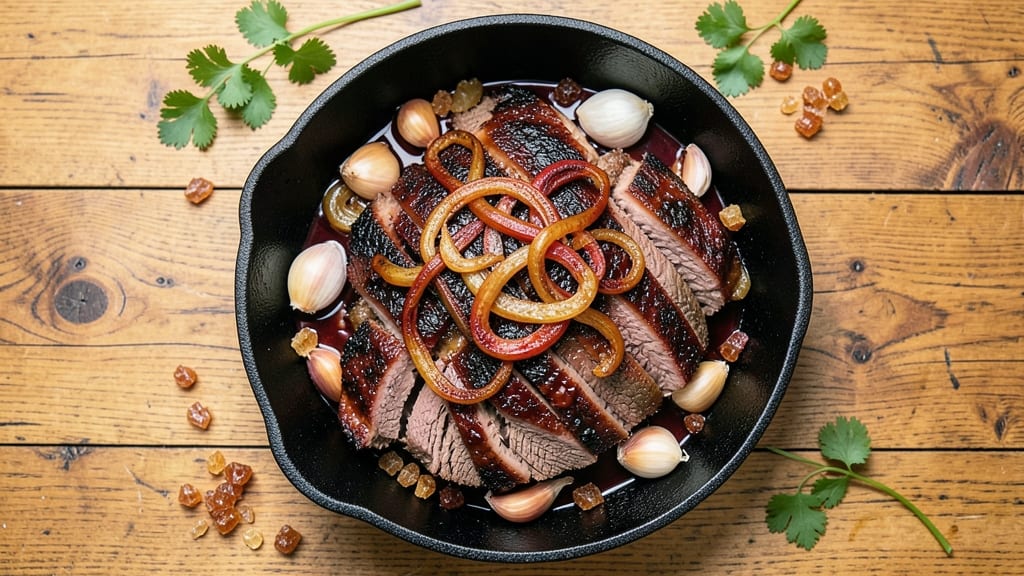
Mastering a Dr Pepper beef brisket recipe transforms tough cuts into melt-in-your-mouth perfection with a signature sweet-smoky bark. The secret lies in using Dr Pepper—not just as a marinade, but as the backbone of the braising liquid, where its caramelized sugars tenderize the meat while creating that iconic sticky crust.
I’ve perfected this method over countless slow-smoked sessions, and the results speak for themselves: brisket so tender it falls apart with minimal effort, yet still holds together beautifully when sliced.
What sets this recipe apart is the balance of time and technique. A low-and-slow cook (or grilled method) ensures the brisket stays juicy, while the Dr Pepper’s acidity and sugar work together to break down connective tissue without overpowering the beef’s natural richness.
The bark develops a deep amber hue with crackling edges, locking in flavor that sticks to every bite—no dry, chewy texture here. This isn’t just another brisket; it’s a showstopper that pairs flawlessly with classic sides like cornbread or baked beans.
The magic happens in the braising phase, where the Dr Pepper’s carbonation lifts the flavors while its caramelized sugars create a glossy, sticky glaze.
By the time you’re done, you’ll have a brisket so tender it practically melts in your mouth, with a bark that’s crisp enough to stand up to a fork. The aroma alone will have your kitchen—and your guests—anticipating every slice. Ready to elevate your slow-cooked game? Let’s get started.
This recipe isn’t just about the brisket—it’s about the experience. The Dr Pepper’s unique blend of spices and sweetness adds depth that store-bought rubs can’t match, turning a simple weeknight dinner into a memorable centerpiece.
Whether you’re hosting a backyard BBQ or treating yourself to a Sunday feast, this method delivers restaurant-quality results with minimal fuss. The key is patience and precision, but the payoff is worth every minute.
Ingredients for dr pepper beef brisket
Six pounds of brisket, two cups of Dr Pepper, and a handful of pantry staples transform into restaurant-quality smoky-sweet perfection.
| Ingredient | Amount | Notes |
|---|---|---|
| Beef Brisket 🥩 | 6 lb | Flat cut, 1-inch thick, well-marbled |
| Dr Pepper 🥤 | 2 cups | Original flavor, not diet or zero sugar |
| Yellow Onion 🧅 | 2 whole | Yellow or red, sliced into wedges |
| Garlic Cloves 🧄 | 8 cloves | Peeled, smashed for deeper flavor |
| Beef Broth 💧 | 2 cups | Low-sodium, high-quality preferred |
| Brown Sugar 🍯 | ½ cup | Packed, light or dark variety |
| Smoked Paprika 🌶️ | 2 tbsp | For that signature smoky bark |
| Kosher Salt 🧂 | 1 ½ tbsp | Diamond Crystal preferred |
| Black Peppercorns 🌶️ | 1 tbsp | Freshly cracked for best flavor |
| Apple Cider Vinegar 🍎 | 2 tbsp | For tangy balance to sweetness |
| Vegetable Oil 🫒 | 2 tbsp | For searing brisket |
| Fresh Thyme 🌿 | 4 sprigs | Or 1 tbsp dried thyme |
| Fresh Rosemary 🌿 | 2 sprigs | For aromatic depth |
| Butter 🧈 | 4 tbsp | Unsalted, for basting |
| Honey 🍯 | 2 tbsp | For extra caramelization |
The brisket is the star, so don’t skimp on quality. Look for a well-marbled flat cut—Costco or local butchers often have the best selections. A 1-inch thickness ensures even cooking without drying out. If you're buying a whole packer, trim it yourself to the flat cut for best results. The Dr Pepper is non-negotiable here; original flavor only—the caramel color and carbonation are key to that signature bark. Grab a 2-liter bottle from any grocery store—it’s usually cheaper than single cans, and you’ll have leftovers for floats.
No Dr Pepper? Substitute 1 cup beef broth + 1 cup cola (like Coke) + 1 tbsp molasses for a similar sweet-tangy profile. The brown sugar can be swapped for maple syrup or turbinado sugar if you prefer. Fresh herbs are ideal, but dried thyme and rosemary work at half the amount. For a deeper bark, add 1 tbsp coffee grounds to the rub. The apple cider vinegar can be replaced with white vinegar or lemon juice, but ACV has the best balance of sweet and tart. If you're short on time, pre-slice the onions and garlic to save 15 minutes during prep.
This brisket tastes even better the next day once the flavors meld. Wrap tightly in butcher paper or foil and store in the fridge for up to 5 days. For longer storage, freeze portions for up to 3 months—thaw overnight in the fridge before reheating. The bark stays crispy if you reheat it wrapped in foil in a 350°F oven for 15 minutes. I always make extra because it disappears fast—perfect for sandwiches, tacos, or reheated slices with a sprinkle of flaky salt.
Why You'll Love This Recipe
- One-Pan Magic: I swear by this recipe because it’s that easy—just sear the brisket, dump in the Dr Pepper and broth, and let the slow cooker do the work. No flipping, no basting, no stress. My lazy Sundays now include a full house of happy eaters.
- Sweet Heat Bomb: That Dr Pepper isn’t just a soda here—it’s the secret weapon. The caramel notes mingle with the smoky beef while the onions and garlic deepen the flavor into something ridiculously good. It’s sweet, it’s tangy, it’s addictive.
- Tailgate Ready: Between us, this is my go-to for game days, potlucks, or when I need to feed a crowd without slaving in the kitchen. The brisket shreds perfectly, and the sauce? Everyone begs for seconds. (Yes, even on a Tuesday night.)
- Budget Feast: A whole packer of brisket feeds my family for days—leftovers for sandwiches, nachos, or just reheated slices. Honestly, it’s my secret weapon for stretching meals without breaking the bank. Plus, Dr Pepper is cheaper than fancy sauces. Win-win.
Step-by-step instructions for Dr Pepper beef brisket
This method delivers a brisket with sticky-sweet bark that balances smoky depth and caramelized richness.
Prepare the Brisket and Seasoning Base
Begin by trimming the 6 lb beef brisket to remove any excess fat, leaving about ¼-inch thickness on the fat cap. This ensures proper smoke penetration while maintaining moisture. In a small bowl, combine the 2 tbsp smoked paprika, 1.5 tbsp kosher salt, 1 tbsp black peppercorns, and 2 tbsp apple cider vinegar. Pulse in a spice grinder until finely ground—this creates an even, aromatic coating without clumps.
Generously coat the brisket with this dry rub on all sides, pressing firmly so the seasoning adheres. Place the brisket fat-side up on a wire rack set over a rimmed baking sheet. Refrigerate uncovered for 1 hour to dry the surface—this is crucial for developing that signature crispy bark later.
Sear and Build the Dr Pepper Glaze
Preheat your oven to 275°F. Heat a Dutch oven over medium-high heat and add the 2 tbsp vegetable oil. Once shimmering, sear the brisket for 5 minutes per side until deeply browned. Remove the brisket and set aside. In the same Dutch oven, add the 2 whole yellow onion wedges and 8 smashed garlic cloves, cooking for 3 minutes until fragrant.
Deglaze the pan with the 2 cups Dr Pepper, scraping up all the browned bits. Stir in the 2 cups beef broth, 0.5 cup packed brown sugar, 4 sprigs fresh thyme, and 2 sprigs fresh rosemary. Bring to a simmer, then return the brisket to the pot, fat-side up. Cover tightly with foil and place in the preheated oven.
Slow Cook and Baste with Butter-Honey
Cook the brisket for 6 hours, maintaining the 275°F temperature. Every 90 minutes, remove the brisket and carefully baste it with a mixture of 2 tbsp melted butter and 2 tbsp honey. This basting creates the signature sticky-sweet bark while keeping the meat tender. The internal temperature should reach 195°F—this is when the collagen fully breaks down for fork-tender results.
Here's the thing—don't rush this step. The slow cook time allows the Dr Pepper's caramelized sugars to meld with the smoky paprika, creating layers of flavor that penetrate every bite. The basting should create a glossy, amber crust that clings to your fingers when you handle the brisket.
Rest and Serve with Perfect Texture
Once the brisket reaches 195°F, transfer it to a cutting board and tent loosely with foil. Let it rest for 30 minutes before slicing against the grain into ½-inch thick pieces. This resting period allows the juices to redistribute, ensuring each slice remains moist and flavorful.
The finished brisket should have a deep mahogany bark with sticky-sweet glaze that contrasts beautifully with the tender, pink interior. Serve immediately with the reduced Dr Pepper glaze spooned over the top—each bite delivers perfect balance between smoky, sweet, and savory flavors.
Pro Tips For Making Dr Pepper Beef Brisket
- Sear First, Then Sauce: Hit that brisket with a screaming-hot cast-iron or heavy skillet for 3-4 minutes per side before adding any Dr Pepper mixture. I learned this the hard way—skipping the sear means the sauce just sits there instead of caramelizing into a sticky, flavor-packed crust. (Yes, even if you're impatient like me.)
- Deglaze with Dr Pepper: After searing, pour in just enough Dr Pepper to scrape up those browned bits—about ½ cup—before adding the rest. That concentrated flavor punch from the deglaze is what makes the sauce taste deeper, not just sweet. (Your future self will notice the difference.)
- Simmer, Don’t Boil: Keep the heat low enough that the liquid barely bubbles—think tiny, lazy ripples—so the brisket absorbs the Dr Pepper flavor instead of turning into tough, waterlogged meat. I used to rush this, and the brisket always came out chewy. (Your patience pays off.)
- Reduce the Broth Early: Simmer the beef broth with onions and garlic first until it’s reduced by half before adding the brisket. This concentrates the base flavor and cuts down on the total cooking time. (Does it look weird? Yes. Does it work? Every single time.)
Regional styles of this dr pepper beef brisket
Texas BBQ Tradition
The Dr Pepper brisket method has deep roots in Texas BBQ culture, where slow-smoked brisket reigns supreme. In Central Texas, pitmasters like Franklin Barbecue use similar techniques but often rely on post oak wood for that signature smoky flavor.
The Dr Pepper twist adds a sweet, caramelized depth that’s become a local favorite—especially in Austin’s food truck scene. 🌶️
Unlike traditional Texas brisket, which often uses beer or coffee in the marinade, the Dr Pepper version delivers a sticky-sweet bark that’s uniquely addictive. The carbonation in Dr Pepper helps tenderize the meat faster, making it a game-changer for busy cooks who still want that restaurant-quality texture.
Many Texas BBQ joints now offer a "Dr Pepper brisket" as a special, proving its place in the tradition.
Carolina Sweet & Smoky
In North Carolina, brisket is often cooked with vinegar-based sauces or pepper-based rubs, but the Dr Pepper adaptation fits surprisingly well. The sweetness of the soda pairs beautifully with the vinegar tang commonly used in Carolina BBQ, creating a balanced, glossy glaze.
Try adding 1 tbsp hot sauce to the Dr Pepper marinade for a Carolina-inspired kick. 🔥
Carolina pitmasters also love wood-fired cooking, so if you’re using a smoker, switch to hickory or applewood for a fruity-smoky twist. The Dr Pepper’s caramelized sugars work perfectly with the charred notes of wood-fired brisket, making it a cross-regional favorite.
This method is especially popular in Raleigh and Charlotte, where BBQ competitions often feature creative twists on classics.
Kansas City Sweet Heat
Kansas City BBQ is all about bold, sweet sauces, and the Dr Pepper brisket fits right in. The city’s signature molasses-based sauces share the same deep caramelized sweetness as the soda, making this a natural adaptation.
Add 1 tbsp chili powder and 1 tsp cayenne to the rub for that Kansas City heat without overpowering the sweetness. 🌶️
In KC, brisket is often served sliced thick and piled high on buns with baked beans and coleslaw. The Dr Pepper’s sticky glaze makes it perfect for sandwiches, where the sauce binds the meat and bread together.
Many KC pitmasters now offer a "Dr Pepper brisket plate" as a specialty, proving its versatility in this BBQ hotspot.
Midwest Cornbread Pairing
The Midwest loves brisket with cornbread and butter beans, and the Dr Pepper version takes this combo to the next level. The sweet-savory bark contrasts perfectly with the slightly sweet cornbread, creating a harmonious balance.
For an extra touch, brush the cornbread with melted butter and a pinch of cinnamon before baking. 🍯
In states like Ohio and Indiana, brisket is often served as a Sunday dinner centerpiece, and the Dr Pepper method fits this tradition beautifully. The smoky-sweet glaze pairs well with creamy mashed potatoes or roasted sweet potatoes, making it a comfort food standout.
This regional adaptation is especially popular in Chicago, where BBQ joints blend Southern techniques with Midwest flavors.
Nutrition facts
Frequently asked questions
Why does Dr Pepper work so well in brisket?
The carbonation in Dr Pepper helps tenderize the meat faster by breaking down connective tissue, while its caramelized sugars create that signature sticky-sweet bark. The blend of spices in the soda also adds depth without overpowering the beef's natural flavor. Plus, the acidity balances the richness perfectly!
Can I use diet Dr Pepper in this recipe?
No—diet or zero-sugar versions won't work because the sugars are essential for caramelization and creating the sticky glaze. The original soda's caramel color and natural sweetness are key to that perfect bark. For a sugar-free alternative, try mixing 1 cup beef broth + 1 cup cola + 1 tbsp molasses instead.
How do I know when the brisket is done?
Use a meat thermometer to check the internal temperature—it should reach 195°F in the thickest part. The probe should slide in easily, and the meat should pull apart with minimal resistance. If you don’t have a thermometer, check for fork-tender texture by piercing the thickest section—juices should run clear, not pink.
What's the best way to reheat leftover brisket?
Wrap slices in foil and reheat in a 350°F oven for 15 minutes—this keeps the bark crispy while warming the meat. For sandwiches, warm in a skillet over medium heat for 2-3 minutes per side. Never microwave—it makes the bark soggy! Store leftovers in the fridge for up to 5 days or freeze for 3 months.
Can I smoke this brisket instead of oven-braising?
Use post oak or hickory wood for classic smoke flavor. Maintain 225-250°F and cook until the internal temp hits 195°F. Spritz with Dr Pepper every hour to keep the bark glossy. For extra bark, add 1 tbsp coffee grounds to the rub before smoking. The smoky depth pairs perfectly with the soda's sweetness!