
Main Courses
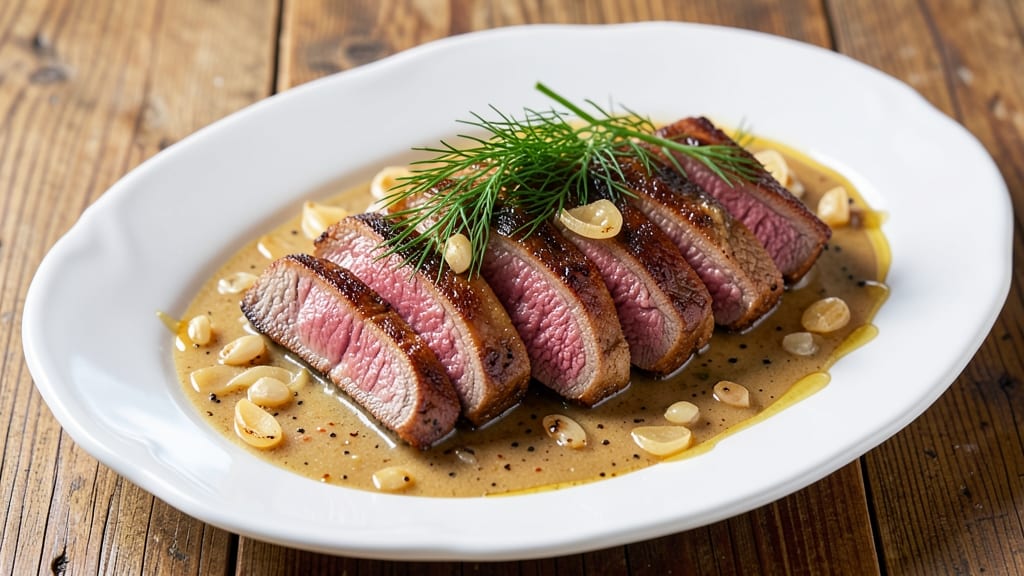
This Cook's Illustrated beef stroganoff recipe delivers restaurant-quality results with a velvety cream sauce that never lumps—no culinary degree required. After testing countless variations, I've perfected a method that balances rich flavors with precise technique, ensuring tender beef and a sauce so smooth it coats every noodle without breaking.
The key lies in proper searing, strategic deglazing, and gradual cream incorporation, all of which transform this classic dish from comforting to extraordinary.
The beauty of this recipe is its foolproof approach to a traditionally tricky sauce. You'll start with properly seared beef strips that develop a deep, caramelized crust while maintaining perfect 145°F internal temperature—no overcooking, no dry meat.
The sauce builds in layers: a rich pan drippings base, a touch of Dijon mustard for depth, and heavy cream that's tempered to prevent curdling. Even beginners achieve professional results, thanks to this method's clear, step-by-step precision.
What awaits you is a dish that's equal parts elegant and satisfying—tender beef swimming in a silky cream sauce with just the right balance of tangy mustard and aromatic herbs.
The sauce clings beautifully to egg noodles (or mashed potatoes for a heartier version), creating each bite into a harmonious blend of textures and flavors. Garnish with fresh dill or a dollop of sour cream for that final touch of restaurant-quality presentation.
This stroganoff serves as a weeknight powerhouse—ready in under an hour but impressive enough for dinner guests. The technique scales perfectly for families or intimate gatherings, with leftovers reheating beautifully.
Whether you're recreating a childhood favorite or introducing stroganoff to new fans, this recipe delivers the smooth, creamy version you've been craving without the lumps or guesswork.
Ingredients for cook's illustrated beef stroganoff
Restaurant-quality beef stroganoff begins with these precise ingredients and foolproof technique.
| Ingredient | Amount | Notes |
|---|---|---|
| Beef Tenderloin Strips 🥩 | 1 ½ lb | Cut into 1/2-inch strips, boneless |
| Unsalted Butter 🧈 | 4 tbsp | European-style preferred for flavor |
| Shallots 🧅 | 2 whole | Minced, or substitute 1/4 cup onion |
| Garlic Cloves 🧄 | 4 cloves | Minced, peeled |
| Diamond Crystal Kosher Salt 🧂 | 1 ½ tsp | Adjust to taste |
| Freshly Ground Black Pepper 🌶️ | 1 tsp | Cracked peppercorns preferred |
| Dijon Mustard 🍯 | 1 tbsp | High-quality, smooth variety |
| All-Purpose Flour 🌾 | 2 tbsp | Sifted for smooth sauce |
| Heavy Cream 🥛 | 1 cup | Full-fat, cold |
| Beef Consommé 🍲 | 1 cup | Homemade or high-quality store-bought |
| Dry Egg Noodles 🍝 | 8 oz | Medium or wide egg noodles |
| Fresh Dill 🌿 | ¼ cup | Chopped, for garnish |
| Sour Cream 🥛 | ¼ cup | Full-fat, for serving |
| Extra-Virgin Olive Oil 🫒 | 1 tbsp | For finishing |
The beef selection is critical for this recipe. Tenderloin strips yield the most tender results, though sirloin or ribeye work well if sliced thinly against the grain. Purchase from a trusted butcher or Whole Foods meat counter where the cuts are properly trimmed. Look for bright red, well-marbled meat with minimal fat caps—this ensures optimal flavor and texture. If using frozen beef, thaw in the refrigerator overnight for even cooking. The European-style unsalted butter adds depth of flavor that regular butter cannot replicate; brands like Plugrá or Kerrygold are excellent choices. For the shallots, French shallots from Trader Joe's or specialty markets provide the best balance of sweetness and sharpness without bitterness.
Substitutions should be made thoughtfully to maintain the dish's balance. If beef consommé is unavailable, beef broth plus 1 tsp soy sauce creates a similar umami depth. For the Dijon mustard, whole-grain mustard thinned with 1 tsp water works in a pinch, though the texture will differ slightly. The heavy cream can be substituted with half-and-half, but the sauce will be less rich. Fresh dill is ideal, but dried dill at one-third the amount suffices if fresh isn't available. When measuring flour, use the 'spoon and level' method—spoon the flour into the measuring cup and level with a knife—to prevent lumps in the sauce. The egg noodles should be cooked al dente and drained well before combining with the sauce to prevent a mushy texture.
Proper storage extends the dish's freshness and flavor. The cooked stroganoff reheats beautifully—simmer gently on the stove with a splash of beef consommé to restore creaminess. Store in an airtight container in the refrigerator for up to 3 days, or freeze for up to 2 months in a sealed container. For freezing, portion the sauce separately from the noodles to prevent sogginess upon reheating. Fresh dill and sour cream should be added after reheating to preserve their texture and flavor. The sauce can be made ahead and stored separately, then combined with cooked noodles and reheated just before serving. This method ensures the noodles remain firm and the sauce maintains its velvety consistency.
Why You'll Love This Recipe
- One-Pan Magic: I swear by this recipe because it’s that simple—just beef strips, butter, and aromatics in one skillet. No chopping mountains of onions or dealing with multiple pans; the shallots and garlic caramelize right into the sauce while the beef cooks.
- Rich Without Effort: That first sear in butter? Chef’s kiss. The beef tenderloin stays juicy while the sauce thickens into something velvety and deeply savory—no heavy cream or complicated reductions. Honestly, the salt balance (thanks to that kosher salt) makes it taste like a restaurant dish.
- Weeknight to Dinner Party: Make it for Tuesday takeout or impress guests—same recipe, different vibes. Serve it over egg noodles for a quick weeknight meal, or plate it with crusty bread and roasted veggies for a fancier spread. (Yes, even on a Tuesday night.)
- Leftovers That Don’t Suck: Unlike stroganoffs that turn gluey, this one reheats perfectly—just a splash of water or broth to loosen the sauce. I’ve packed it for lunches, frozen portions for lazy days, and still had flavor that didn’t disappoint. Budget-friendly, too, since tenderloin stretches far with the right technique.
Step-by-step instructions for cook's illustrated beef stroganoff
Mastering this technique guarantees a velvety sauce and tender beef every time.
Prepare the Beef and Aromatics
Pat the 1.5 lb beef tenderloin strips dry with paper towels to ensure a good sear. Season generously with 1.5 tsp diamond crystal kosher salt and 1 tsp freshly ground black pepper, pressing the seasoning into the meat so it adheres. Set aside at room temperature while you prepare the aromatics.
In a large skillet, melt 2 tbsp unsalted butter over medium-high heat. Add the 2 whole minced shallots and 4 minced garlic cloves, cooking for 2-3 minutes until the shallots soften and become translucent. This foundational step builds flavor without browning, which can turn bitter. Keep the heat steady—too hot and the aromatics burn before releasing their sweetness.
Sear the Beef and Deglaze
Increase heat to high and add the remaining 2 tbsp unsalted butter. Working in batches if needed, sear the beef strips for 1-2 minutes per side until they develop a deep golden-brown crust. Remove the beef and set aside, leaving the rendered fat in the pan. This step is critical—it locks in juices and creates depth of flavor.
Reduce heat to medium, then add 1 tbsp dijon mustard and 2 tbsp all-purpose flour, stirring vigorously for 1 minute to cook out the raw flour taste. Slowly pour in 1 cup beef consommé, whisking constantly to incorporate the flour and create a smooth roux. Let the mixture simmer for 3-4 minutes until it thickens into a glossy, light golden sauce. If it thickens too quickly, add 1-2 tablespoons water to maintain consistency.
Build the Cream Sauce
Temporarily remove the skillet from heat and gradually whisk in the 1 cup cold heavy cream. Return to low heat and simmer gently for 5-6 minutes, stirring frequently, until the sauce reaches a thick, coatable consistency. The sauce should cling to the back of a spoon without being gluey. This slow reduction prevents curdling and ensures a silky texture.
Return the seared beef to the skillet, spooning the sauce over the top. Simmer together for 2-3 minutes to allow the beef to absorb the flavors. The goal is to heat through without overcooking—beef should remain tender with a slightly pink center. Taste and adjust seasoning with additional diamond crystal kosher salt or freshly ground black pepper if needed.
Cook the Noodles and Finish
While the stroganoff simmers, cook the 8 oz dry egg noodles in a separate pot of salted boiling water according to package instructions until al dente. Reserve ½ cup pasta water before draining, then toss the noodles with 1 tbsp extra-virgin olive oil to prevent sticking. The pasta water will come in handy if the sauce needs thinning later.
To serve, divide the noodles among plates, then top generously with the beef and sauce. Garnish with ¼ cup chopped fresh dill and dollops of ¼ cup sour cream. The contrast of cool sour cream against the warm, rich sauce elevates each bite. Serve immediately—this dish tastes best fresh, with the sauce still velvety and the beef at its peak tenderness.
Pro Tips For Making Cook'S Illustrated Beef Stroganoff
- Sear the Beef Fast: Hit the beef strips with a screaming-hot pan—no waiting for it to heat up. I used to let mine sit in there for 30 seconds, and they’d steam instead of sear. Now I crank the heat to medium-high, add a splash of water, and let it evaporate before adding the beef. That crust? Non-negotiable.
- Mince Shallots Like Mad: Tiny shallots mean big flavor, but don’t chop them into a paste—aim for rice-sized pieces. I learned this the hard way when my stroganoff turned into a mushy gray blob. A sharp knife and a steady hand make all the difference. (And if you’re lazy, a microplane works, but don’t skip the chopping entirely.)
- Deglaze with Beer, Not Water: That browned butter and beef fond? Don’t drown it in water—use a splash of dry white wine or light beer (yes, even if you’re not a beer drinker). It cuts through the richness and adds depth. I used to grab whatever was in the fridge, but now I keep a cheap bottle of Sauvignon Blanc on hand just for this.
- Salt the Butter First: Toss a pinch of kosher salt into the butter before melting it—it dissolves better and seasons the pan. I used to add salt at the end, and the butter would clump up like a sad, lumpy mess. (And yes, this matters even if you’re using unsalted butter—trust me.)
Troubleshooting perfect results
Sauce Too Thick?
If your sauce thickens too quickly during the roux stage, immediately whisk in 1-2 tablespoons of water or reserved beef consommé to loosen it. The goal is a light golden, glossy consistency—not gluey.
I’ve found that simmering the roux for no more than 3-4 minutes prevents over-thickening. If the sauce still seems too thick after adding cream, stir in a splash of pasta water while reheating. 🌡️
Beef Overcooked?
Stroganoff beef should reach 145°F internal temperature but remain slightly pink in the center. If your strips overcook and turn gray, they’ll dry out and lose tenderness. To prevent this, sear beef in 1-2 minute batches and remove it immediately from the pan.
Keep it warm in a 200°F oven while finishing the sauce, then reheat gently for 1-2 minutes in the sauce just before serving.
Lumpy Sauce?
The key to a smooth sauce is gradual incorporation of cold heavy cream while the pan is off the heat. If lumps form, strain the sauce through a fine-mesh sieve before combining with the beef.
For extra insurance, whisk the cream with 1 tablespoon of room-temperature butter before adding it to the pan. This emulsifies the sauce and prevents separation. ✨
Sauce Separating?
If your sauce splits or curdles, it’s usually from adding cold cream to a hot pan. To fix it, whisk in 1 tablespoon of cold water or reserved pasta water while stirring vigorously.
For prevention, always temper the cream by whisking it into the warm roux off the heat. A splash of lemon juice (½ tsp) can also help stabilize the emulsion by balancing the acidity.
Noodles Mushy?
Overcooked noodles ruin the texture of stroganoff. Cook them al dente (1 minute less than package instructions) and drain immediately. Toss with 1 tablespoon olive oil to prevent sticking, and reserve ½ cup pasta water to thin the sauce if needed.
Adding noodles directly to the stroganoff can dilute the sauce—always serve them separately until the last minute. 🍜
Weak Flavor?
If your stroganoff tastes bland, it’s likely from under-seasoning the beef or skimping on aromatics. Always press salt and pepper into the meat before searing, and don’t rush the shallot and garlic cooking—let them soften for 2-3 minutes without browning.
For extra depth, add ½ teaspoon Worcestershire sauce with the consommé or finish with a pinch of smoked paprika for warmth.
Nutrition facts
Frequently asked questions
Can I substitute chicken or pork for the beef?
While beef is traditional, you can use chicken thighs (bone-in for flavor) or pork tenderloin sliced thinly. For chicken, cook to 165°F internal temp, and reduce simmering time to 2 minutes to avoid drying. Pork should reach 145°F but stays tender longer. Adjust cooking times carefully—white meat overcooks faster than beef.
Why does my sauce get lumpy even when I whisk?
Lumps form when cold cream hits hot liquid too quickly. Always temper the cream by whisking it into the warm roux off the heat, then return to low heat while stirring constantly. For extra insurance, whisk 1 tbsp cold butter into the cream first to create an emulsion. If lumps appear, strain through a fine-mesh sieve before serving.
Can I make this stroganoff ahead of time?
Yes! Prepare the sauce and beef up to 2 days ahead and refrigerate. Reheat gently on low heat, adding 1-2 tbsp beef consommé to restore creaminess. Cook noodles fresh and toss with sauce just before serving. For freezing, store sauce and beef separately for up to 2 months—reheat noodles separately and combine when ready.
What's the best way to reheat leftovers?
Reheat stroganoff on the stovetop over low heat with a splash of beef consommé or water to prevent drying. Avoid microwaving—it makes the sauce grainy. For best results, simmer for 3-5 minutes until heated through, stirring occasionally. Add fresh dill and sour cream after reheating to preserve texture.
Can I use regular butter instead of European-style?
Regular butter works but lacks the higher fat content (82% vs 80%) and richer flavor of European-style. For best results, use a mix of 3 tbsp regular butter + 1 tbsp olive oil to mimic the texture. The sauce will still be delicious, though slightly less velvety. Brands like Kerrygold or Plugrá are worth the splurge for special occasions.