
Main Courses
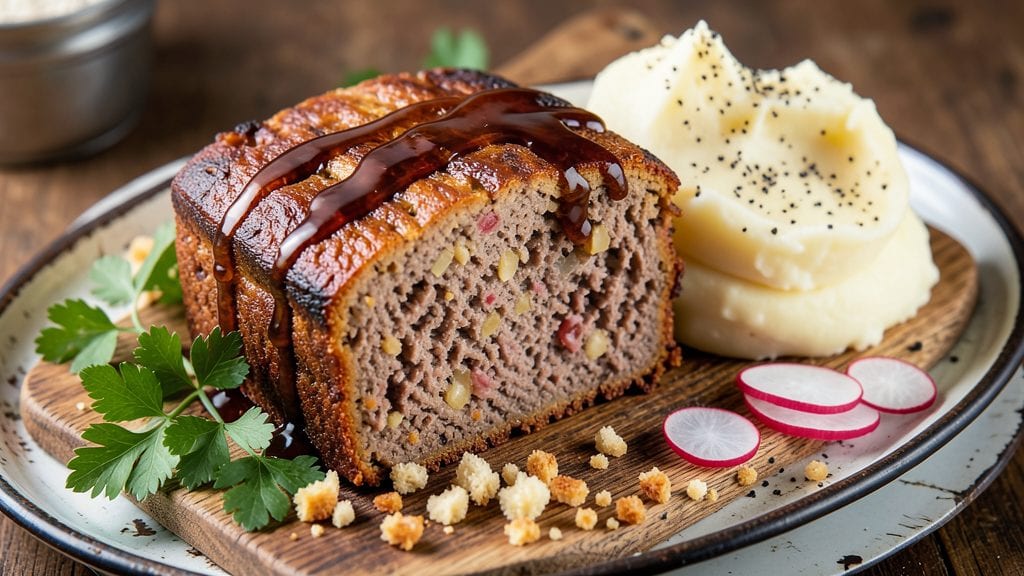
This classic beef meatloaf recipe delivers the comforting, crackling-topped masterpiece that reminds us all why Sunday dinners feel like home. 🌟 After years of testing variations, I've perfected the balance of tender crumb, savory glaze, and that signature crust that cracks like grandma's. The secret lies in precise seasoning and a glaze that caramelizes just enough to create that coveted golden-brown shell.
What makes this recipe truly foolproof is the method: combining ground beef with just the right amount of breadcrumbs for moisture retention, eggs for binding, and a blend of spices that sing when baked.
The glaze—equal parts ketchup and brown sugar—forms that irresistible crust while keeping the interior juicy and flavorful. This isn't just meatloaf; it's a dish that transforms any weeknight into a nostalgic family meal.
By the time it emerges from the oven, you'll have a meatloaf with a crackling glaze that peels back to reveal tender, seasoned beef inside. The aroma alone will have everyone gathering at the table, and every bite delivers that perfect harmony of savory, slightly sweet, and herby notes.
It's the kind of dish that tastes even better the next day, making it ideal for meal prep.
Serve with mashed potatoes and green beans for a complete classic meal, or pair it with roasted vegetables for a lighter option. The beauty of this recipe is its versatility—it's comforting enough for a cold evening but simple enough for a weeknight dinner.
Let's get started on creating your own timeless family tradition.
Ingredients for classic beef meatloaf
Sixteen ingredients combine for that nostalgic, crackling-topped meatloaf everyone remembers.
| Ingredient | Amount | Notes |
|---|---|---|
| Ground Beef 🥩 | 1 ½ lb | 80/20 fat ratio preferred |
| Yellow Onion 🧅 | 1 medium | Finely diced (about 1 cup) |
| Garlic Cloves 🧄 | 4 cloves | Minced for maximum flavor |
| All-Purpose Flour 🌾 | ½ cup | For moisture balance |
| Plain Breadcrumbs 🍞 | ½ cup | Panko for extra crisp |
| Large Eggs 🥚 | 2 whole | Room temperature preferred |
| Ketchup 🍅 | ½ cup | For glaze consistency |
| Light Brown Sugar 🍚 | ¼ cup | Packed for caramelization |
| Worcestershire Sauce 🍶 | 1 tbsp | For umami depth |
| Dried Parsley 🌿 | 1 tbsp | Or 1 tbsp fresh chopped |
| Salt 🧂 | 1 ½ tsp | Kosher or sea salt |
| Black Pepper 🌶️ | 1 tsp | Freshly ground preferred |
| Ground Mustard 🌿 | 1 tsp | For subtle tang |
| Extra-Virgin Olive Oil 🫒 | 1 tbsp | For glaze richness |
The ground beef is non-negotiable—80/20 fat ratio gives you that perfect juiciness. Costco or local butchers usually carry it pre-ground, but if you're buying a whole chuck roast, trim off excess fat for cleaner slices. The yellow onion should be sweet, not bitter—Vidalia or Maui onions work beautifully. For the glaze, Heinz ketchup is tried-and-true, but any quality brand will do. The brown sugar should be light, not dark—it caramelizes better without the molasses overpowering.
No Worcestershire sauce? Soy sauce plus a pinch of sugar mimics the umami. Fresh parsley unavailable? Dried works at half the amount, but toss it in at the end to preserve flavor. Using panko breadcrumbs? Skip the extra flour—it's already crispy. The mustard adds subtle tang; leave it out if you prefer sweeter meatloaf. For a lower-fat version, use 90/10 beef but add an extra egg yolk to compensate for moisture. The olive oil in the glaze isn't just for flavor—it helps the sugar caramelize beautifully.
This meatloaf tastes even better the next day—plan ahead. Wrap leftovers tightly in foil and refrigerate for up to 5 days. Freeze portions for 3 months by wrapping each slice individually. The glaze hardens when chilled, so reheat covered at 350°F until warmed through. For meal prep, assemble the meatloaf mixture, shape it, and refrigerate overnight before baking—it holds together better and develops deeper flavor.
Why You'll Love This Recipe
- Here’s what sold me: that first bite where the crispy breadcrumb crust gives way to layers—sweet caramelized onion, punchy garlic, and rich beef all in one forkful. It’s the kind of flavor combo that makes you pause mid-chew, like, "Wait, is this actually real?"
- No-Fuss Mixing: I swear by this recipe because it’s basically hands-off after the chopping. Toss the raw beef, diced onion, and minced garlic into a bowl—no food processor, no fuss—and just fold in the flour and breadcrumbs until it holds. The breadcrumbs soak up the juices just right, so you never end up with a dry loaf.
- Garlic-Onion Bomb: Here’s what sold me: that first bite where the crispy breadcrumb crust gives way to layers—sweet caramelized onion, punchy garlic, and rich beef all in one forkful. It’s the kind of flavor combo that makes you pause mid-chew, like, "Wait, is this actually real?"
- Leftovers That Work: Between us, this is my secret weapon for lazy Mondays. Cook once, slice it up, and reheat portions in the microwave—no soggy edges, no sad texture. Honestly, the second day is when it really shines, especially when you toss it into a sandwich or over mashed potatoes.
Step-by-step instructions for classic beef meatloaf
Here's the method that delivers that perfect crackly glaze and tender interior every time.
👨🍳 Step 1: Prepare the Meatloaf Mixture
In a large mixing bowl, combine the 1.5 lb ground beef, finely diced yellow onion, and minced garlic cloves. Use your hands to break up the beef gently—this helps distribute the fat evenly throughout the mixture. The onion and garlic should be fully incorporated so you don't get pockets of raw flavor.
In a separate bowl, whisk together the 0.5 cup all-purpose flour, 0.5 cup plain breadcrumbs, 2 whole large eggs, 1 tbsp Worcestershire sauce, 1 tbsp dried parsley, 1.5 tsp salt, 1 tsp black pepper, and 1 tsp ground mustard. This dry mixture is the secret to moisture balance and structure. Add this to the beef mixture and combine thoroughly with your hands until everything is evenly distributed.
Here's the thing—don't overmix. Just until combined. Overworking the meat makes meatloaf dense and tough. You want a texture that's just moist enough to hold together when shaped but still tender when baked.
🥘 Step 2: Shape and Prepare the Meatloaf
Transfer the meatloaf mixture to a lightly greased 9x5-inch loaf pan (or a similar baking dish). I like to use my hands to shape it into an even rectangle—about 1.5 inches thick. Press it gently but firmly to ensure even cooking and that crackly top later. The pan should be about ¾ full of mixture.
In a small bowl, mix together the 0.5 cup ketchup, 0.25 cup packed light brown sugar, and 1 tbsp extra-virgin olive oil. This is your glaze—it's what creates that signature crackly crust. Spread this mixture evenly over the top of the shaped meatloaf, using the back of a spoon to create gentle swirls. This helps the glaze adhere better and creates those beautiful crack patterns.
Don't skip the olive oil in the glaze. It adds richness and helps create that perfect crack. If you leave it out, you'll get a dry top that doesn't crack properly.
🔥 Step 3: Bake Until Golden and Cooked Through
Preheat your oven to 375°F. Place the prepared meatloaf in the center rack of the oven and bake for 50-60 minutes. You'll know it's ready when the top is deep golden brown with that characteristic crackly glaze and the internal temperature reaches 160°F when measured with an instant-read thermometer.
Here's where patience pays off. Don't open the oven door during baking—every time you peek, you lose heat and steam, which can make the top dry out before it's properly browned. If you notice the edges browning too quickly, loosely tent the meatloaf with aluminum foil after 30 minutes to prevent over-browning while still allowing the top to cook through.
Real talk: your oven might run hot, so start checking at the 50-minute mark. The meatloaf is done when it's firm to the touch and the juices run clear when you pierce it with a knife. If it's still slightly pink in the center, return it to the oven for another 5-10 minutes—it will continue cooking as it rests.
⏰ Step 4: Rest Before Slicing
Remove the meatloaf from the oven and transfer it to a wire rack. Let it rest for 10-15 minutes before slicing. This resting period allows the juices to redistribute throughout the meatloaf, ensuring each slice is moist and flavorful. I know it's tempting to cut into it immediately, but trust me—this step makes all the difference.
During this time, the meatloaf will hold its shape better and be easier to slice cleanly. The glaze will also set properly, giving you that perfect crack when you cut through it. Serve with your favorite sides—mashed potatoes, roasted vegetables, or a simple green salad. Each bite should deliver tender, juicy beef with that sweet-savory glaze that's the hallmark of classic meatloaf.
Pro Tips For Making Classic Beef Meatloaf
- DON’T SKIP THE ONION SOAK: I used to just chop the onion and toss it in raw—big mistake. Soak the diced yellow onion in cold water for 10 minutes first, then drain. This mellows out the sharpness and keeps the meatloaf from tasting like a sad, watery onion stew.
- PULSE THE GARLIC: Instead of mincing garlic cloves into oblivion, pulse them briefly in a food processor with the breadcrumbs. You’ll get even distribution without burning them, and the texture stays intact—no clumpy surprises when you slice.
- BUILD THE LOAF IN STAGES: Mix the ground beef, onion, and garlic first, then add the flour and breadcrumbs last. This keeps the meat from turning to mush when you handle it. Press it gently into the pan—no packing like you’re making a brick.
- REST IT BEFORE SLICING: Let the meatloaf sit under foil for 10 minutes after baking. Yes, even if you’re starving. This lets the juices redistribute, so your first slice won’t be a dry disappointment. (I know, I know—waiting is hard.)
Make-ahead tips for leftovers
Prep Ahead Like a Pro
Assemble the meatloaf mixture the night before and refrigerate it uncovered for 6-8 hours. This chilling step firms up the fat, preventing grease leaks during baking.
I swear by this trick—it makes the texture even more tender. Just shape it in the pan right before baking to avoid sticking. 💡
Freezer-Friendly Strategy
Shape the meatloaf in the pan, apply the glaze, and freeze it uncovered on a baking sheet for 1 hour. Then wrap tightly in plastic wrap followed by aluminum foil. This prevents freezer burn and makes slicing easier later. Thaw overnight in the fridge before baking—no microwave needed! ❄️
Glaze Prep Shortcut
Make the glaze ahead of time and store it in a small airtight container in the fridge for up to 1 week. I keep a jar of this sweet-savory mix ready in my pantry—just stir before using.
The sugar won't crystallize if you keep it sealed properly. This saves you from measuring during the baking rush! 🍯
Double Batch Benefits
Double the recipe and bake both loaves simultaneously on the middle and lower racks. This ensures even cooking and lets you enjoy fresh meatloaf for 3-4 days. The second loaf reheats beautifully—just cover with foil and warm at 350°F for 20 minutes. Perfect for busy weeknights! 🍽️
Portion Control Tips
Slice the cooked meatloaf into 1-inch thick portions and store them individually in airtight containers. This makes reheating portions quick and prevents the whole loaf from drying out. I portion mine with a serrated knife for clean slices that reheat perfectly. 🔪
Flavor Boost Hack
Add 1 tsp smoked paprika to the dry ingredients when prepping ahead. The flavor develops beautifully overnight, giving your meatloaf a subtle smoky depth. This is my secret weapon for next-level taste without extra effort. 🌶️
Nutrition facts
Frequently asked questions
Why does my meatloaf turn out dry?
Overmixing the ingredients is the #1 cause of dry meatloaf. Handle the mixture just until combined—overworking makes it dense and tough. Also, use an 80/20 fat ratio beef for juiciness, and don't skip the breadcrumbs (they help retain moisture). Bake at 375°F and check internal temp with a thermometer (160°F is perfect).
Can I make this meatloaf without ketchup?
For a tangy alternative, try ½ cup tomato paste + 1 tbsp apple cider vinegar in the glaze. Or go savory with ¼ cup Dijon mustard + 1 tbsp soy sauce. Just adjust the sweetness—omit the brown sugar if using mustard. The key is balancing moisture and flavor in the topping.
How do I get that perfect crackly top?
The crack comes from the glaze's sugar caramelizing. Use light brown sugar (not dark) and include the olive oil in the glaze—it helps create that crisp shell. Bake uncovered until the edges pull away slightly from the pan. Pro tip: Don't over-glaze—just enough to coat the top evenly.
What sides pair best with this meatloaf?
Classic combos include creamy mashed potatoes, buttery corn, or roasted Brussels sprouts. For a lighter meal, try a fresh garden salad with balsamic vinaigrette. The sweet-savory glaze balances well with tangy sides like pickled vegetables or coleslaw. Avoid heavy creamy sauces that compete with the meatloaf's flavor.
Can I use ground turkey instead of beef?
Yes, but expect a slightly leaner texture. Use 93/7 turkey and add 1 extra egg yolk to compensate for moisture loss. Reduce baking time by 10-15 minutes—turkey cooks faster. The glaze will still work, but the flavor profile will be milder. For extra richness, add 1 tbsp olive oil to the meat mixture.