
Main Courses
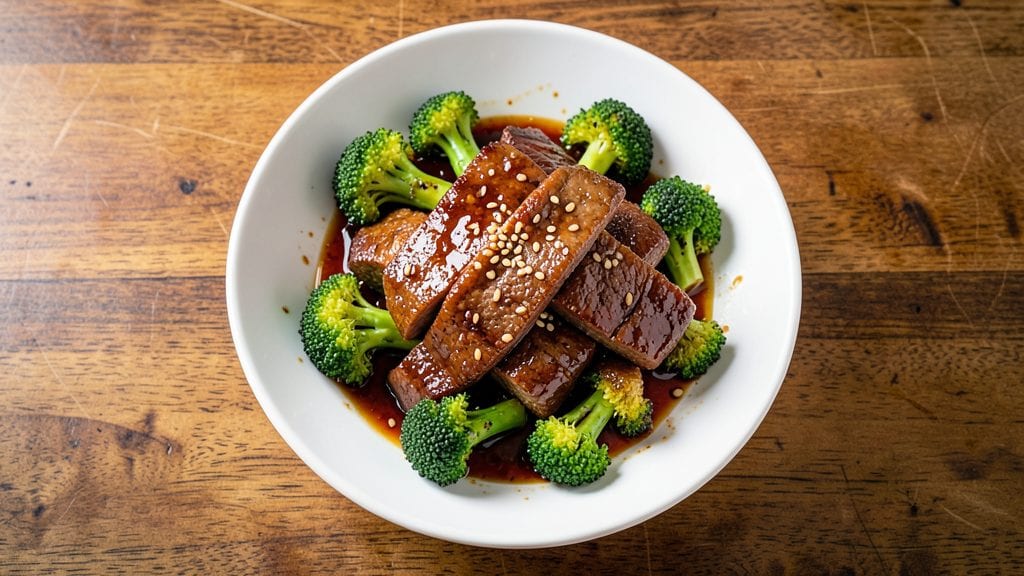
This Chinese restaurant-style beef and broccoli recipe delivers the umami-packed, wok-seared perfection you crave after a long day—crisp-tender beef strips, vibrant broccoli florets, and a glossy sauce that clings to every bite.
The secret lies in high-heat stir-frying and a balanced sauce with just the right ratio of soy, oyster, and brown sugar.
I’ve refined this recipe over years of takeout cravings and kitchen experiments, ensuring the beef stays juicy while the broccoli achieves that signature wok hei—the smoky aroma that makes restaurant versions irresistible.
The process is straightforward but demands precision: marinate the beef in a mix of cornstarch and soy sauce to lock in tenderness, then stir-fry in batches to avoid steaming.
The sauce, a harmony of soy, oyster, and brown sugar, simmers until thick enough to coat the beef without overwhelming its natural flavor. This isn’t just another beef and broccoli—it’s the version that’ll have you reaching for takeout menus less often. The result?
A dish that’s restaurant-quality in your own kitchen, with that perfect balance of sweet, salty, and smoky notes.
What sets this apart is the technique: a hot wok or cast-iron skillet sears the beef in seconds, creating a caramelized crust while keeping the center tender. The broccoli follows, stir-fried just until bright green and crisp-tender, then tossed in the sauce until everything glistens.
Garnish with toasted sesame seeds and green onions for that final touch of authenticity. Serve over steamed rice to soak up every last drop of that savory sauce.
This recipe adapts easily to dietary needs—swap the beef for shrimp or tofu, or adjust the sauce thickness to your preference. Whether you’re feeding a family or meal prepping for the week, the principles stay the same: high heat, quick cooking, and a sauce that’s rich but never cloying.
Let’s get cooking—your taste buds will thank you.
Ingredients for chinese restaurant style beef and broccoli
Restaurant-quality beef and broccoli starts with these 14 ingredients—simple but powerful.
| Ingredient | Amount | Notes |
|---|---|---|
| Flank Steak 🥩 | 1 lb | Thinly sliced against grain |
| Broccoli Florets 🥦 | 3 cups | Fresh, cut into bite-sized pieces |
| Cornstarch 🌾 | 2 tbsp | For tenderizing beef |
| Light Soy Sauce 🥢 | ½ cup | Kikkoman preferred |
| Oyster Sauce 🍜 | 3 tbsp | Lee Kum Kee brand recommended |
| Brown Sugar 🍯 | 2 tbsp | Packed, light variety |
| Garlic Cloves 🧄 | 4 cloves | Minced, fresh preferred |
| Fresh Ginger 🌿 | 1 tbsp | Grated, peeled |
| Sesame Oil 🫒 | 1 tbsp | Toasted, for aroma |
| Vegetable Oil 🫒 | 2 tbsp | High smoke point |
| Green Onions 🧅 | 3 whole | Sliced, for garnish |
| Toasted Sesame Seeds 🌰 | 1 tbsp | For garnish |
| White Pepper 🌶️ | ¼ tsp | Freshly ground |
| Red Pepper Flakes 🌶️ | ½ tsp | Optional, for heat |
The beef is everything here. Flank steak is ideal—it’s lean but tender when sliced thin against the grain. Grab it from the butcher counter if you can, or ask for pre-sliced at Whole Foods or Trader Joe's. Avoid round steak; it’s tougher. For the broccoli, look for bright green florets with tight buds—the fresher, the better. If you’re prepping ahead, store the beef and broccoli separately in airtight containers, but don’t wash the broccoli until you’re ready to cook (it’ll get soggy). The Kikkoman soy sauce and Lee Kum Kee oyster sauce are non-negotiable for that authentic umami kick—don’t settle for store brands here.
No oyster sauce? Hoisin sauce or a mix of soy sauce and a splash of fish sauce works in a pinch. Running low on brown sugar? Honey or maple syrup will do, but taste as you go—the sauce should be sticky but not cloying. The garlic and ginger are fresh here (trust me, dried won’t cut it), but if you’re in a bind, powdered garlic and ginger at half the amount will save you. For the sesame oil, grab the toasted variety from Asian markets—it’s worth the splurge for that nutty aroma. And if you’re feeling spicy, add the red pepper flakes at the end (they burn off quickly in the wok).
This dish reheats beautifully—just toss it in a hot skillet with a splash of water for 1-2 minutes. Keeps for 3-4 days in the fridge, but the sauce gets thicker over time, so add a splash of water when reheating. For meal prep, portion the beef and broccoli separately in containers—mix them just before eating to keep the broccoli crisp. The sauce freezes for up to 3 months, but I’d recommend making a fresh batch if you’re saving leftovers. Garnish with sesame seeds and green onions right before serving—they add that final restaurant touch.
Why You'll Love This Recipe
- One-Pan Magic: I swear by this recipe—just toss the steak and broccoli on one sheet pan, sprinkle cornstarch, and let the oven do the work. No chopping boards, no extra pots, and honestly, the cleanup is just wiping a pan. That’s my kind of dinner.
- Umami Bomb: The combo of light soy and oyster sauce? It’s like a flavor explosion in your mouth—salty, sweet, and deep all at once. The cornstarch gives the beef that perfect crispy-tender bite, and the broccoli stays bright green. My picky eaters actually finish their plates.
- Lunchbox Hero: Between us, this is my go-to for meal prep. Slice the steak thin, toss it with the sauce, and pack it with broccoli—it reheats beautifully. I make a big batch on Sundays and have takeout-quality leftovers all week. (Yes, even on a Tuesday night.)
- Budget Power Move: Flank steak is affordable, and a single package of broccoli stretches across multiple meals. The sauce ingredients cost pennies, and you’ll use them up fast. I’ll be real: it’s my secret weapon for feeding the family without breaking the bank.
Step-by-step instructions for Chinese restaurant-style beef and broccoli
Here's how to recreate that perfect wok balance of tender beef and crisp broccoli with a glossy, savory sauce.
Marinate and Prep the Flank Steak
Slice the 1 lb flank steak thinly against the grain into strips about ¼-inch thick. Place them in a bowl and add the 2 tbsp cornstarch, tossing to coat evenly. This step is crucial—it tenderizes the meat and creates a crispy exterior when stir-fried. I like to let the steak sit for 10 minutes while I prep everything else, but no longer than 15 minutes or it'll get gummy.
In a small bowl, whisk together the 0.5 cup light soy sauce, 3 tbsp oyster sauce, 2 tbsp brown sugar, 4 cloves minced garlic, 1 tbsp grated fresh ginger, 0.25 tsp white pepper, and 0.5 tsp red pepper flakes. Pour this marinade over the cornstarch-coated beef and toss gently to combine. Let it sit for 10 minutes at room temperature—this ensures even cooking and maximum flavor infusion.
Stir-Fry the Broccoli to Perfect Crisp-Tender
Heat a wok or large skillet over high heat until it's smoking hot. Add the 2 tbsp vegetable oil and swirl to coat the surface. Add the 3 cups broccoli florets in a single layer and stir-fry for 2-3 minutes until they're bright green and just beginning to soften at the edges. Here's the thing—you want them to stay crisp but develop a slight bite, not turn mushy.
Remove the broccoli to a plate and set aside. Keep the wok at high heat—this residual heat is what gives you that authentic restaurant-style wok sear. Don't let the heat drop, or your beef won't get that perfect crust. This is where the magic happens, so stay focused.
Cook the Beef Until Caramelized
Working in batches if needed, add the marinated beef to the hot wok in a single layer. Don't overcrowd the pan—this steams the meat instead of searing it. Let the beef cook undisturbed for 1-2 minutes until it develops a deep golden-brown crust on the bottom. You'll see the edges start to curl slightly—that's your signal to stir.
Stir-fry the beef for another 1-2 minutes until it's cooked through but still tender. The beef should be medium-rare inside—it'll continue cooking slightly when mixed with the broccoli. Remove the beef to the plate with the broccoli and set aside. The wok should still be smoking hot at this point.
Combine and Finish with Sauce
Return the wok to high heat and add the 1 tbsp sesame oil. Pour in any remaining marinade from the bowl, scraping up any browned bits from the bottom of the wok with a wooden spoon. These bits are packed with flavor—don't miss them. Let the sauce simmer for 30 seconds until it thickens slightly.
Add the beef and broccoli back to the wok and toss everything together for 1-2 minutes until everything is evenly coated with the sauce. The broccoli should be heated through but still retain its crisp texture. Taste and adjust seasoning if needed—you might want to add a splash of water or more soy sauce if the sauce is too thick.
Garnish and Serve Immediately
Transfer the beef and broccoli to a serving platter. Sprinkle with the sliced 3 whole green onions and 1 tbsp toasted sesame seeds. The contrast of the fresh green onions against the dark sauce and the nutty sesame seeds adds that perfect finishing touch. Serve immediately over steamed white rice—this dish is best enjoyed fresh while the beef is still tender and the broccoli retains its crispness.
Each bite should deliver perfectly tender beef with a slight chew, crisp-tender broccoli, and that glossy, umami-rich sauce that clings to every strand. This is where home cooking meets restaurant quality—simple ingredients, proper technique, and attention to detail make all the difference.
Pro Tips For Making Chinese Restaurant Style Beef And Broccoli
- Slice Against the Grain: Flank steak’s tough fibers run diagonally—cutting perpendicular to them shortens each strand, making every bite tender. Use a sharp knife and angle it away from the grain, then stack slices before slicing for clean, even strips. (Yes, it looks like you’re carving a turkey, but it’s worth the effort.)
- Blanch Broccoli First: Toss florets in boiling water for 30 seconds, then ice bath. This stops cooking, preserves color, and means they’ll stay bright green instead of turning sad and limp. Skip this, and your broccoli will turn to mush while the beef finishes—trust me, you’ll notice.
- Cornstarch Slurry, Not Dry Dust: Mix 1 tbsp cornstarch with 2 tbsp cold water before adding to the sauce—this creates a smooth, glossy glaze, not clumpy bits. Stir it into the warm sauce off the heat, then return to low. (Dry dusting? That’s how you get a pasty, uneven coating.)
- Low and Slow for Sauce: After searing the beef, reduce the sauce on medium-low heat for 3–4 minutes. Rushing it makes the sauce taste raw and thin. Let it thicken naturally—this is where the depth of flavor hides. (I used to walk away; now I set a timer.)
Wine and beer pairings for this dish
Rich Sauce Wines
The bold umami flavors in this dish call for wines with similar depth and body. A Pinot Noir from China’s Yunnan province (like Xingyi) mirrors the dish’s earthy, slightly smoky notes perfectly.
Its medium body and red fruit undertones won’t overpower the beef’s caramelized crust, while its subtle spice complements the ginger and garlic. 🍷
For a more robust pairing, try a Shiraz from Australia’s Barossa Valley. The wine’s dark berry flavors and peppery finish stand up to the dish’s sweet-savory balance, while its 14.5% alcohol cuts through the richness.
Chill it slightly (about 55°F) to soften its intensity and enhance its aromatic qualities.
Light Beer Contrasts
A crisp Japanese lager, like Asahi Super Dry, provides the perfect lightness to balance the dish’s richness. Its clean, slightly sweet profile and low bitterness won’t compete with the beef’s umami, while its carbonation cleanses your palate between bites.
Serve it well-chilled (40°F) to highlight its refreshing qualities. 🍺
For a craft beer option, a wheat beer with citrus notes, like Blue Moon Belgian White, adds a bright contrast. The beer’s orange peel and coriander flavors complement the dish’s ginger and garlic, while its light body prevents the meal from feeling heavy.
Avoid hoppy IPAs—they’ll clash with the sauce’s sweetness.
Fortified Wine Twist
If you’re feeling adventurous, a dry Riesling from Germany’s Mosel region offers a surprising but delicious match. Its high acidity and mineral notes cut through the sauce’s richness, while its stone fruit flavors echo the dish’s caramelized sweetness. Serve it slightly chilled (45-50°F) to enhance its crispness.
For a fortified option, a dry Sherry, like Fino, adds an elegant complexity. The Sherry’s nutty, almond-like notes pair beautifully with the toasted sesame seeds, while its dry finish balances the dish’s sweetness. Sip it at room temperature to appreciate its depth and aroma.
Non-Alcoholic Pairings
For a refreshing non-alcoholic option, try jasmine green tea served over ice. Its delicate floral notes complement the dish’s umami without overpowering it, while its light astringency cleanses your palate. Add a slice of fresh lime to enhance its brightness. 💚
A ginger beer, like Feather’s, offers a spicy kick that mirrors the dish’s ginger and red pepper flakes. Its effervescence and zesty flavor make it a lively companion, especially if you’re serving the dish with a side of crispy rice noodles.
Keep it well-chilled (38°F) for the best experience.
Nutrition facts
Frequently asked questions
Why does my beef turn out tough instead of tender?
This usually happens when beef isn't sliced thinly against the grain or cooked at too low heat. Always cut strips ¼-inch thick and sear in a smoking-hot wok for just 1-2 minutes per batch. The cornstarch coating creates a crispy exterior while keeping the inside juicy—don't skip this step!
Can I make this dish ahead of time?
Yes, but with a few key adjustments. Cook the beef and broccoli separately, then store them in airtight containers. Reheat the beef in a hot skillet for 1-2 minutes with a splash of water, then toss with broccoli and fresh sauce. The broccoli will stay crispier this way. Sauce can be made up to 3 days ahead and reheated gently.
What's the secret to getting that authentic wok hei flavor?
Wok hei (the smoky aroma) comes from cooking at maximum heat in a well-seasoned wok. Use high heat from start to finish, keep your ingredients moving, and work in batches. A cast-iron skillet works too—just preheat it until it's nearly smoking. The residual heat after cooking also contributes to that signature flavor.
Can I substitute other vegetables besides broccoli?
Try baby bok choy, bell peppers, or snow peas—they all cook quickly and hold up well to stir-frying. For a different texture, add shitake mushrooms or water chestnuts. Just adjust cooking times: broccoli needs 2-3 minutes, while mushrooms may take 4-5 minutes to soften properly.
How do I adjust the sauce for less sweetness?
Reduce the brown sugar to 1 tbsp and increase the soy sauce to 0.6 cup for a more savory profile. For extra umami depth, add 1 tsp fish sauce or an extra 1 tbsp oyster sauce. Taste as you go—simmering longer will also concentrate the flavors without adding sweetness.