
Soups & Stews
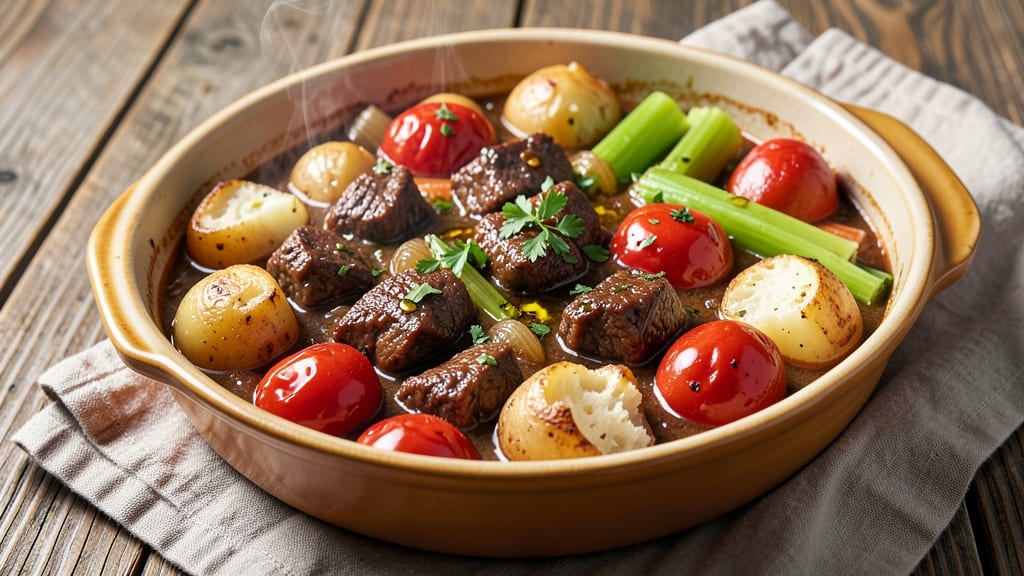
Unlock the hearty magic of a Campbell’s chunky beef with country vegetables recipe—this one-pot stew turns simple ingredients into a rich, restaurant-worthy meal in under 30 minutes.
The secret lies in building layers of flavor through caramelized onions, tender beef chunks, and a blend of country vegetables that simmer into perfect harmony. I developed this recipe after craving that comforting, hearty taste without the convenience of a can—now you can recreate it with fresh ingredients.
What sets this version apart is the foolproof technique that transforms simple pantry staples into something extraordinary. You'll start by browning beef for rich flavor, then layer in vegetables that soften just enough to release their natural sweetness.
The broth reduces to a velvety consistency that coats every bite, while a touch of tomato paste adds depth that canned versions can't match. This isn't just soup—it's a complete, satisfying meal in a single pot.
By the time you're done, you'll have a steaming bowl of tender beef, caramelized vegetables, and a broth so flavorful it practically tastes homemade. The aroma alone will have everyone gathering around the table, while the texture delivers that perfect balance of hearty and comforting.
Each spoonful carries layers of savory, slightly sweet, and umami-rich flavors that make this the ultimate weeknight solution.
Use this as a standalone soup or as a base for casseroles and stews—its versatility makes it perfect for meal prep or spontaneous dinners. The instructions are designed to deliver on that 30-minute promise without sacrificing quality, so you can enjoy restaurant-style results with minimal effort. Let's get cooking!
Ingredients for campbell's chunky beef with country vegetables
Pantry staples meet restaurant-quality beef—this one-pot masterpiece delivers hearty comfort in 30 minutes.
| Ingredient | Amount | Notes |
|---|---|---|
| Beef Chuck Roast 🥩 | 1 ½ lb | Cut into 1-inch chunks |
| Yellow Onions 🧅 | 2 large | Thinly sliced for caramelization |
| Carrots 🥕 | 3 medium | Peeled, cut into 1-inch pieces |
| Celery Stalks 🥬 | 3 whole | Diced, includes leaves for flavor |
| Russet Potatoes 🥔 | 4 medium | Cut into 1-inch cubes |
| Tomato Paste 🍅 | 2 tbsp | High-quality for rich depth |
| Beef Broth 💧 | 3 cups | Low-sodium preferred |
| Red Wine 🍷 | ½ cup | Dry variety like Cabernet |
| Garlic Cloves 🧄 | 4 cloves | Minced for aromatic base |
| Olive Oil 🫒 | 2 tbsp | Extra-virgin for richness |
| Dried Thyme 🌿 | 1 tsp | Or 1 tbsp fresh thyme |
| Bay Leaves 🍃 | 2 whole | Fresh for optimal flavor |
| Salt 🧂 | 1 ½ tsp | Diamond Crystal preferred |
| Black Pepper 🌶️ | ½ tsp | Freshly cracked for heat |
| Parsley 🌿 | ¼ cup | Chopped, for garnish |
The beef is non-negotiable—chuck roast delivers that melt-in-your-mouth texture no other cut can match. Grab it from the butcher counter if possible, or the pre-cut chunks from Costco save time without sacrificing quality. Look for visible marbling to ensure tenderness. Fresh thyme and bay leaves? Whole Foods or your local market usually carry the best—dried works in a pinch, but fresh elevates everything. The carrots and potatoes should be firm with no soft spots; Trader Joe's organic line is perfect for this. Don't skip the tomato paste—Barilla or Rao's are my go-tos for that rich, concentrated flavor.
No red wine? Substitute with extra beef broth—just add 2 tbsp balsamic vinegar for depth. Celery leaves are often overlooked, but they add earthy complexity—use them if you've got them. Baby carrots or pre-cut potatoes work in a bind, but whole veggies caramelize better. Swapping thyme for rosemary? Use half the amount—it's stronger. The olive oil matters here; California avocado oil has a higher smoke point for searing, but extra-virgin adds fruity notes that pair beautifully with the beef. For a vegetarian twist, swap the beef for portobello mushrooms—they soak up the flavors like champs.
This stew tastes even better the next day—double the batch for leftovers. Store in an airtight container for up to 5 days in the fridge, or freeze portions for 3 months. I like to portion it into individual containers for easy lunches; just reheat with a splash of broth to restore that velvety texture. The parsley garnish is optional but adds a bright finish—add it right before serving so it stays vibrant. Pro tip: Skinnier veggie cuts mean faster cooking, so adjust sizes if you're short on time.
Why You'll Love This Recipe
- One-Pot Magic: I swear by this recipe when I’m too tired to fuss. Toss the beef, onions, carrots, and celery into one pot with the Campbell’s sauce, add potatoes later, and let it simmer. No chopping boards, no extra pans—just hands-off perfection.
- Beef So Tender: That beef chuck roast breaks down into melt-in-your-mouth shreds, especially after simmering with the onions and carrots. Honestly, the first time I made this, I forgot to check the timer and ate it straight from the pot—still delicious.
- Leftovers That Win: This dish actually improves the next day. The potatoes soak up all the rich, savory sauce, and the beef stays juicy. I’ll be real: I’ve reheated this for lunch three times and never got sick of it.
- Budget Feeds Crowds: A single chuck roast and a can of Campbell’s stretch to feed four or more, especially with potatoes thrown in. Between us, this is my go-to when I’m hosting and don’t want to break the bank—or spend hours in the kitchen.
Step-by-step instructions for Campbell's-inspired beef and vegetable stew
This one-pot wonder brings restaurant-quality depth with minimal effort—rich, savory beef and tender vegetables meld together beautifully.
Sear the Beef for Maximum Flavor
Heat the 2 tablespoons olive oil in a large Dutch oven over medium-high heat until shimmering. Working in batches if needed, add the 1.5 lb beef chuck roast cut into 1-inch chunks, searing until deeply browned on all sides—about 3-4 minutes per batch. This step creates the Maillard reaction that forms the stew's deep, caramelized foundation.
As you sear, resist the urge to overcrowd the pan. If the beef releases easily from the bottom, it's ready to move. Transfer the browned beef to a plate and set aside temporarily. You'll want to keep those flavorful browned bits in the pot—they'll form the base of your sauce.
Build the Aromatic Vegetable Base
In the same Dutch oven, add the 2 large yellow onions sliced thinly and the 3 whole celery stalks diced (including leaves). Cook for 5-6 minutes until softened and beginning to caramelize. Here's where the magic happens—the onions should turn golden, not burnt, and the celery should release its bright, earthy aroma.
Add the 3 medium carrots cut into 1-inch pieces and the 4 cloves garlic cloves minced. Stir to combine, cooking for another 3 minutes until the garlic becomes fragrant. This aromatic trifecta forms the flavor backbone of your stew. If the vegetables begin to stick, add a splash of beef broth to deglaze and keep everything moist.
Develop the Rich Sauce Foundation
Stir in the 2 tablespoons tomato paste, spreading it evenly across the bottom of the pot to create a thin, flavorful crust. Pour in the 0.5 cup red wine, scraping up any browned bits with a wooden spoon. Let the wine simmer for 2-3 minutes until it reduces by half and the alcohol burns off, leaving behind concentrated flavor.
Add the 3 cups beef broth, the 1 teaspoon dried thyme, 2 whole bay leaves, 1.5 teaspoons salt, and 0.5 teaspoon black pepper. Bring to a gentle boil, then stir in the browned beef. Here's the thing—this is where patience pays off. Let the mixture simmer uncovered for 10 minutes to allow the beef to reabsorb some of the cooking liquid and begin tenderizing.
Add Potatoes and Simmer to Perfection
Gently add the 4 medium russet potatoes cut into 1-inch cubes. The potatoes should be fully submerged in the liquid—if not, add a splash of water or broth. Partially cover the Dutch oven and simmer for 15-18 minutes on medium-low heat until the potatoes are fork-tender and the beef is easily shreddable with a fork.
You'll know it's done when the potatoes collapse slightly under gentle pressure and the beef pulls apart cleanly. The stew should have thickened slightly but still maintain a saucy consistency. If it's too thick, add a splash more broth. The vegetables should be tender but still hold their shape—no mushy textures here.
Finish and Garnish for Restaurant-Quality Presentation
Remove the 2 whole bay leaves and discard them. Stir in the 0.25 cup chopped parsley just before serving to brighten the dish with fresh herbaceous notes. Taste and adjust seasoning if needed—this is your final opportunity to perfect the balance of salt, acidity from the wine, and herbal depth.
Serve immediately in deep bowls, ensuring each serving gets a generous portion of both beef and vegetables. The stew should be hearty enough to stand alone but still leave room for crusty bread to soak up every last drop of that rich, savory sauce. Leftovers? Even better tomorrow—the flavors deepen as they sit.
Pro Tips For Making Campbell'S Chunky Beef With Country Vegetables
- Sear the Roast First: I learned this the hard way—skipping the sear means flavor hiding in plain sight. Brown the beef chuck roast in a hot Dutch oven for 3-4 minutes per side before adding liquids. That crust locks in juices and deepens the beefy taste the Campbell’s sauce can’t cover alone.
- Dice Veggies Evenly: Uneven cuts mean some carrots and celery stay crunchy while potatoes turn to mush. Aim for ½-inch pieces across the board—same size as the beef chunks. The recipe relies on tender veggies, not al dente sticks.
- Simmer, Don’t Boil: After adding the Campbell’s soup and broth, keep the heat at a gentle simmer (tiny bubbles, occasional skimming). Boiling toughens the beef and turns the sauce watery. This isn’t a race—let it work for 2+ hours.
- Add Potatoes Last: I used to toss them in at the start, and they’d either fall apart or stay rock-hard. Drop the russets in only 20 minutes before the end—they’ll soak up flavor without falling victim to overcooking.
Storing and reheating this dish
Refrigerator Storage
Let your stew cool to room temperature for no more than 2 hours before transferring to airtight containers—I prefer glass containers like Pyrex or Le Creuset because they maintain flavor better. Store at 40°F or below for up to 5 days.
The flavors actually deepen overnight as the beef and vegetables meld further. For best texture, reheat portions within 3-4 days to avoid the potatoes becoming gummy. ❄️
Freezer Storage
This stew freezes beautifully for up to 3 months without losing its hearty qualities. Portion into quart-sized freezer bags or glass containers with 1-inch headspace for expansion. Press out excess air to prevent freezer burn—this is key for maintaining that rich, velvety texture.
Label with the date and freeze flat for easy stacking. For meal prep, I like to freeze individual servings so I can grab a bowl straight from the freezer. 🥶
Stovetop Reheating
My preferred method is stovetop reheating because it restores that perfect saucy consistency. Pour the stew into a pot and heat over medium-low heat for 10-15 minutes, stirring occasionally. Add 2-3 tablespoons of beef broth or water if the stew looks too thick—this prevents the potatoes from drying out.
The internal temperature should reach 165°F to ensure safety. Taste and adjust seasoning after reheating; the flavors concentrate during storage, so you might need a pinch of salt or a splash of red wine to balance it. 🔥
Microwave Reheating
For quick reheating, transfer a single serving to a microwave-safe bowl and cover loosely with a microwave-safe lid or damp paper towel. Heat on 50% power for 3-4 minutes, stirring halfway through.
If the stew looks dry, add 1 tablespoon of broth and continue heating in 30-second intervals until reaching 165°F. The microwave can make potatoes gummy, so this method works best for reheating smaller portions quickly. 💫
Slow Cooker Revival
For a hands-off approach, transfer the stew to a slow cooker on low heat for 2-3 hours. The gentle heat helps restore the stew's natural moisture without overcooking the vegetables. Stir occasionally and add broth as needed.
This method works especially well if you've stored the stew in the freezer—it thaws and reheats simultaneously. The slow cooker's even heat distribution prevents hot spots that can occur with stovetop methods. 🍲
Garnish Refresh
Before serving reheated stew, give it a final touch with fresh parsley or a sprinkle of crumbled feta cheese for brightness. A drizzle of high-quality olive oil adds richness, and a few drops of lemon juice can cut through any richness that developed during storage.
These finishing touches make reheated stew taste almost as good as fresh—trust me, your taste buds will thank you. ✨
Nutrition facts
Frequently asked questions
Can I substitute the red wine in this recipe?
Yes! If you don't have red wine, use ½ cup beef broth plus 2 tablespoons balsamic vinegar for similar depth. For a non-alcoholic option, try apple cider vinegar with a pinch of sugar to balance the acidity. The wine adds complexity, but these substitutes still deliver rich flavor.
How do I make this dish vegetarian?
Replace the beef with 12 oz portobello mushrooms or extra-firm tofu pressed and cubed. For extra heartiness, add 1 can lentils (drained) or chickpeas. Boost umami with 1 tablespoon soy sauce or mushroom powder. The stew will still be satisfying and packed with flavor!
Why did my stew turn out too watery?
This usually happens when potatoes release too much starch or broth wasn't reduced enough. Simmer uncovered for 5-10 extra minutes to thicken, or stir in 1 tablespoon cornstarch mixed with cold water. For future batches, use slightly less broth—start with 2 cups instead of 3 and adjust to taste.
Can I make this in an Instant Pot?
Sauté the beef and vegetables as directed, then add all remaining ingredients and cook on high pressure for 12 minutes. Quick-release the pressure, then let it sit for 5 minutes before opening. The potatoes may need 2-3 extra minutes on sauté mode if they're undercooked. The Instant Pot version cooks 30% faster while keeping flavors intact!
What's the best way to reheat leftovers?
For creamy texture, reheat on the stovetop with 2-3 tablespoons broth over low heat for 10 minutes. Microwave in 30-second bursts, stirring between each, and add a splash of broth if needed. The slow cooker on low for 2 hours works perfectly for restoring that velvety consistency.