
Soups & Stews
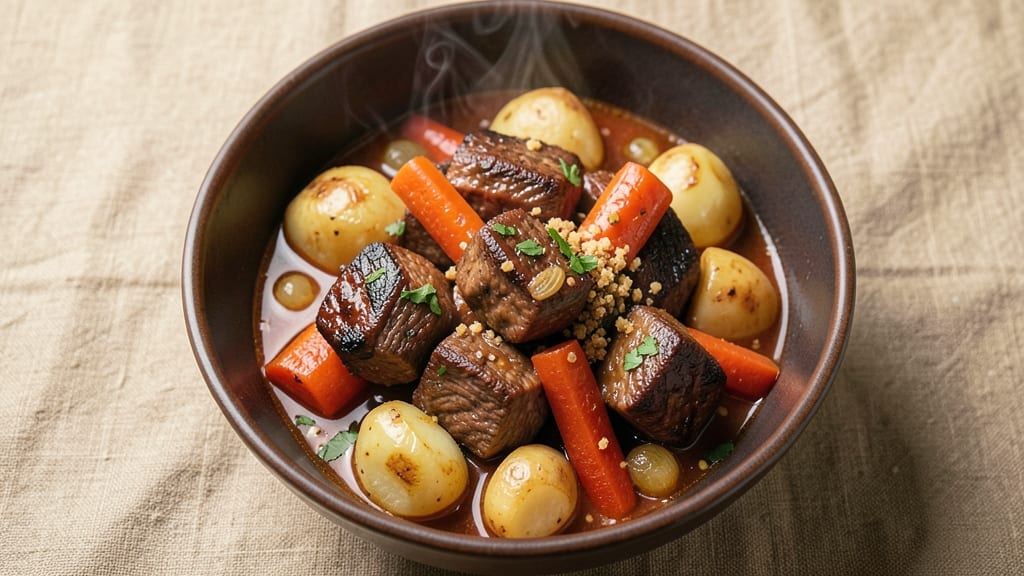
Creating a Campbell's-inspired beef stew that delivers that signature velvety tomato-braised richness requires patience and precision—two things that transform tough cuts into melt-in-your-mouth perfection. The key lies in slow simmering, where flavors meld into a deep, hearty broth that coats every bite.
I’ve refined this recipe over years to balance traditional techniques with modern convenience, ensuring you get restaurant-quality results without spending hours in the kitchen.
This method starts with browning the beef in batches to develop a rich, caramelized crust that forms the foundation of the stew’s depth. Vegetables like carrots, potatoes, and onions add natural sweetness and texture, while tomato paste and broth create that unmistakable velvety consistency.
The slow cook ensures the meat becomes tender and absorbs all the flavors, resulting in a dish that’s both comforting and impressive.
What you’ll end up with is a steaming pot of beef stew where the beef falls apart at the touch of a fork, the vegetables are perfectly tender, and the broth is thick yet silky—just like the classic Campbell’s version you love.
The aroma alone will have everyone gathering around the table, and the first bite delivers that perfect harmony of savory, sweet, and tangy notes. This is the kind of stew that tastes even better the next day, making it ideal for meal prep or feeding a crowd.
Whether you’re using a stovetop, slow cooker, or Instant Pot, the principles remain the same: browning the beef and letting it simmer low and slow. The recipe includes optional garnishes like fresh parsley or a sprinkle of crackers to elevate the dish further.
Ready to create a stew that’s as nostalgic as it is delicious? Let’s get started.
Ingredients for campbell's beef stew
Pantry staples plus a few key ingredients for that classic Campbell's-inspired richness.
| Ingredient | Amount | Notes |
|---|---|---|
| Chuck Roast Beef 🥩 | 3 lb | Cut into 1.5-inch cubes |
| Yellow Onion 🧅 | 2 whole | Chopped, medium size |
| Carrots 🥕 | 4 medium | Peeled, cut into chunks |
| Russet Potatoes 🥔 | 4 medium | Peeled, cut into chunks |
| Garlic Cloves 🧄 | 6 cloves | Minced for depth |
| Tomato Paste 🍅 | ½ cup | High quality preferred |
| Beef Broth 💧 | 4 cups | Low sodium preferred |
| Red Wine 🍷 | 1 cup | Dry, bold variety |
| All-Purpose Flour 🌾 | 1 tbsp | For thickening |
| Worcestershire Sauce 🍯 | 1 tbsp | For umami depth |
| Bay Leaves 🌿 | 2 whole | Fresh preferred |
| Salt 🧂 | 1 ½ tsp | Adjust to taste |
| Black Pepper 🌶️ | 1 tsp | Freshly ground |
| Fresh Parsley 🌿 | ¼ cup | Chopped for garnish |
The beef is everything here. Chuck roast is your best bet—it's tough enough to hold up during the long simmer but breaks down into tender perfection. Grab a 3-pound roast from the butcher section, not the pre-cut packages. If you're using pre-cubed beef, look for 1.5-inch chunks for even cooking. The carrots and potatoes should be medium-sized—no tiny baby potatoes, they'll turn mushy. For the tomato paste, Rao's or Barilla are my go-tos—they've got that concentrated, rich flavor that makes all the difference.
No red wine? Beef broth with a splash of balsamic vinegar works in a pinch, but you'll miss that depth. Fresh bay leaves are ideal, but dried works at half the amount. The Worcestershire sauce might be in a weird spot in your pantry—check the spice aisle or near the soy sauce. For the flour, King Arthur or Gold Medal are reliable choices. If you're using instant potatoes, soak them in cold water for 10 minutes first to avoid a gummy texture. The parsley is just for garnish, so fresh or dried will work—just skip it if you're short on time.
This stew tastes even better the next day, so make a big batch. It keeps for 5 days in the fridge or 3 months frozen. I like to portion it into containers for easy lunches. For reheating, warm on the stove over medium-low heat—stirring occasionally—to keep the potatoes from breaking apart. If it's too thick after reheating, just add a splash of broth or water.
Why You'll Love This Recipe
- One-Pot Magic: I swear by this—chuck roast, onions, and carrots all simmer together in one pot. No chopping boards to scrub, no extra pans, just dump, stir, and let it work its magic while you do something else.
- Garlic-Kissed Richness: That first whiff of garlic and beef broth? It’s like a warm hug for your taste buds. The chuck roast gets so tender it falls apart, and the potatoes soak up all that savory goodness—no fancy seasoning needed.
- Weeknight Workhorse: Honestly, this is my go-to when I’m too tired to think. Toss in some frozen veggies if I’m lazy, or keep it classic with fresh carrots and potatoes. It’s the kind of meal that feels fancy but takes zero effort.
- Budget-Friendly Feast: A whole chuck roast feeds my family for days, and the leftovers? Even better the next day. I’ll be real—it’s not the prettiest, but the taste makes up for it, and my wallet thanks me every time.
Step-by-step instructions for Campbell's beef stew recipe
Here's how to create a hearty, one-pot beef stew with deep tomato flavor and tender meat.
Prepare the Beef and Aromatics
Cut the 3 lb chuck roast beef into 1.5-inch cubes for even cooking. In a large Dutch oven, heat 1 tablespoon olive oil over medium-high heat. Add the beef cubes in a single layer and sear for 3-4 minutes per side until browned. This step develops deep flavor through the Maillard reaction.
Remove the beef from the pot and set aside. In the same pot, add the chopped 2 whole yellow onions and cook for 5 minutes until softened. Stir in the minced 6 cloves garlic and cook for 30 seconds until fragrant. Here's the thing—don't let the garlic burn, or it'll turn bitter and ruin your stew's delicate balance of flavors.
Build the Tomato-Wine Base
Reduce heat to medium and stir in the 0.5 cup tomato paste, coating the onions and garlic completely. Let it cook for 2 minutes until the raw tomato taste disappears. Pour in the 1 cup red wine and scrape up any browned bits from the bottom of the pot—this captures all the flavor you've built so far.
Add the 4 cups beef broth, 1 tablespoon Worcestershire sauce, 2 whole bay leaves, 1.5 teaspoons salt, and 1 teaspoon black pepper. Bring to a gentle simmer, then return the beef to the pot. The liquid should just cover the beef cubes. If it doesn't, add a splash of water to reach the proper level.
Slow Cook the Beef
Cover the pot and simmer on low heat for 1 hour 30 minutes, or until the beef is fork-tender. You'll know it's ready when a knife slides in easily and the meat pulls apart with gentle pressure. This slow cooking transforms tough chuck roast into melt-in-your-mouth tenderness.
Here's where it gets fun—after the initial hour, add the peeled and chunked 4 medium carrots and 4 medium russet potatoes to the pot. The vegetables will absorb all that rich beef flavor as they cook. If the stew gets too thick during this time, add a splash of water or broth to maintain the proper consistency.
Finish and Serve
Once the beef and vegetables are tender, remove the 2 bay leaves. Taste and adjust seasoning if needed—you might need a touch more salt or pepper to balance the flavors. Stir in the 1 tablespoon all-purpose flour to thicken the stew slightly, letting it simmer for another 5 minutes to develop a velvety texture.
Ladle the stew into bowls and garnish with the chopped 0.25 cup fresh parsley. Serve immediately with crusty bread to soak up every last drop of that rich, tomato-braised goodness. The perfect beef stew should have tender beef that falls apart, hearty vegetables, and a sauce that's thick enough to coat a spoon but still pours smoothly.
Pro Tips For Making Campbell'S Beef Stew
- Sear the Chuck First: I learned this the hard way—skipping the sear means flavorless beef. Brown the chuck roast in batches over medium-high heat for 3-4 minutes per side before adding the Campbell’s broth. The crust locks in juices and adds depth that canned broth alone can’t match.
- Cut Potatoes Uniformly: Uneven potatoes mean some mushy, some hard. Dice the russets into 1-inch cubes so they cook at the same rate. If you’re lazy like me, toss them in ice water for 10 minutes first—it speeds up even cooking later.
- Don’t Rush the Simmer: Low and slow is the only way. After adding the Campbell’s broth and veggies, reduce heat to a gentle simmer (tiny bubbles, not rolling). Too much heat turns the stew gloppy, and you’ll end up with rubbery carrots and floury potatoes.
- Toast the Garlic: Sauté the minced garlic in oil for 30 seconds until fragrant—it prevents that bitter aftertaste. Skip this, and your stew will taste like raw garlic punch. (Yes, even if you’re impatient like me.)
Make-ahead tips for campbell's beef stew
Prep Ahead Strategy
Start by prepping all your ingredients the night before—this is the key to saving time on stew day. Chop the 2 onions, 4 carrots, and 4 potatoes into even chunks and store them in airtight containers in the fridge.
Mince the 6 garlic cloves and keep them in a small jar. Cube the 3 lb chuck roast and refrigerate it uncovered for 24 hours—this helps tenderize the meat naturally. 🥔
Slow Cooker Prep
If using a slow cooker, sear the beef and onions in a skillet first, then transfer everything to the slow cooker. Add the remaining ingredients and cook on low for 8 hours or high for 5 hours.
This hands-off method lets you focus on other tasks while the stew develops deep flavors. I always set my slow cooker timer for 8 hours to ensure maximum tenderness.
Freezer-Friendly Portions
Divide cooled stew into quart-sized freezer bags>, removing as much air as possible to prevent freezer burn. Label each bag with the date—this stew keeps for 3 months in the freezer.
When ready to eat, thaw overnight in the fridge, then reheat on the stovetop over medium-low heat for 15-20 minutes, stirring occasionally. ❄️
Day-Before Assembly
For a stress-free cooking day, assemble the stew ingredients in your Dutch oven the night before. Store the raw mixture (uncooked) in the fridge, covered. The next day, simply bring it to a simmer and cook as directed.
This method works especially well for weeknight meals—just add 10 extra minutes of simmering time to account for the cold start.
Garnish Prep
Chop the ¼ cup fresh parsley ahead of time and store it in a small container with a damp paper towel to keep it fresh. You can also pre-mix any optional garnishes like toasted breadcrumbs or grated Parmesan in a separate container.
This way, all you need to do on serving day is sprinkle and serve. 🌿
Reheating Perfection
When reheating leftovers, add a splash of beef broth (about ¼ cup) to restore moisture and prevent the stew from becoming too thick. Warm over medium-low heat, stirring occasionally, until heated through (165°F internal temperature).
For microwave reheating, use 50% power in 2-minute intervals, stirring between each, to maintain even heating. 🔥
Nutrition facts
Frequently asked questions
Can I substitute red wine in this beef stew recipe?
If you don't have red wine, use 1 cup beef broth + 1 tablespoon balsamic vinegar for depth. For a non-alcoholic version, try 1 cup apple cider or 1 cup tomato juice + 1 teaspoon vinegar. The key is maintaining acidity to tenderize the beef and balance flavors.
How do I make this stew thicker or thinner?
For a thicker stew, mix 1 tablespoon flour or cornstarch with 2 tablespoons cold water, stir into the simmering stew, and cook for 5 minutes. To thin, add ½ cup beef broth or water at a time. Always stir well to prevent lumps. The perfect consistency should coat the back of a spoon but still pour smoothly.
What's the best cut of beef for this recipe?
Chuck roast is ideal—it's affordable and becomes tender when slow-cooked. Other good choices: stew meat (pre-cut chuck) or brisket. Avoid lean cuts like sirloin, which won't break down properly. Look for 1.5-inch cubes for even cooking.
Can I use instant potatoes instead of fresh?
Yes, but soak them in cold water for 10 minutes first to rehydrate. Drain well before adding to the stew. Instant potatoes absorb liquid faster, so they may break down more quickly. For extra heartiness, use Yukon Gold potatoes instead—they hold their shape better.
Why does my beef stew taste bland?
Bland stew often means insufficient browning or seasoning. Always sear the beef in batches to develop flavor, and deglaze with wine or broth to capture browned bits. Taste as you go—add salt, pepper, or Worcestershire sauce gradually. A pinch of smoked paprika can also add depth.