
Sauces & Condiments
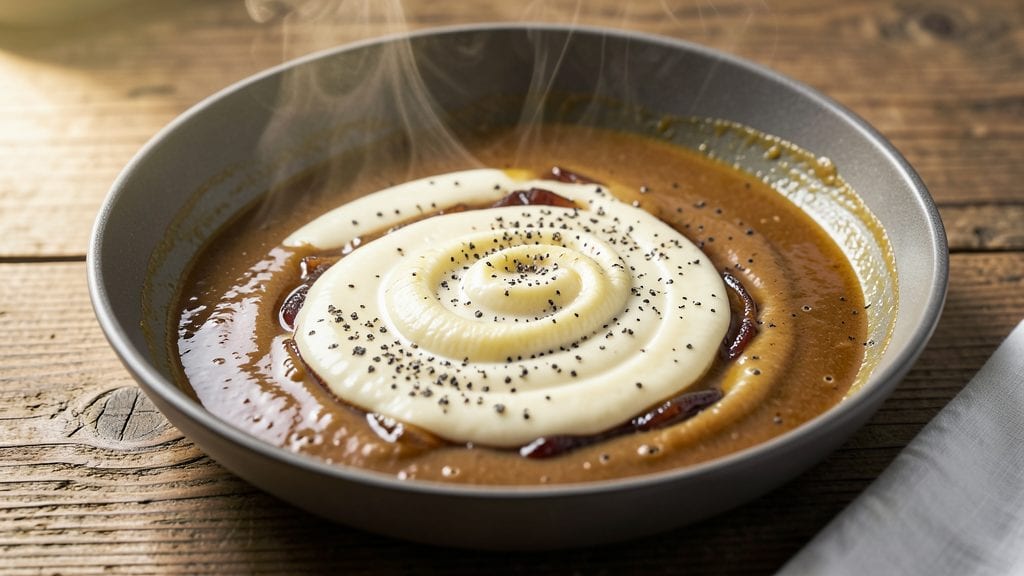
Transforming a simple beef broth into a thick, velvety gravy only takes minutes when you follow this Campbell’s beef broth gravy recipe. The secret lies in the right thickening technique—whether you use flour or cornstarch—and a few key seasonings to elevate the flavor.
I’ve perfected this method for restaurant-quality results that work equally well over mashed potatoes, meatloaf, or roasted vegetables.
This recipe delivers a rich, savory sauce with just five ingredients, making it foolproof for any home cook. The process is straightforward: deglaze the pan with beef broth, build a smooth roux, and let it simmer until thickened.
The result is a glossy, flavorful gravy that clings perfectly to any dish, adding depth and richness without overpowering the main course.
What sets this gravy apart is its versatility—use it as a finishing touch for holiday meals or a quick weeknight dinner. The scalable method means you can easily adjust the quantity to suit your needs, whether you're serving a family of four or a crowd.
Every bite will taste like you spent hours in the kitchen, not minutes.
Once you try this technique, you’ll never settle for store-bought gravy again. The silky texture and bold flavor make it a game-changer for any recipe requiring a pan sauce. Let’s get started on creating your perfect gravy.
Ingredients for campbell's beef broth gravy
Five ingredients transform simple beef broth into restaurant-worthy gravy in minutes.
| Ingredient | Amount | Notes |
|---|---|---|
| Campbell's Beef Broth 🥫 | 2 cups | Low-sodium preferred for balance |
| All-Purpose Flour 🌾 | ¼ cup | White or whole wheat works |
| Unsalted Butter 🧈 | 2 tbsp | Cold, cubed for roux |
| Worcestershire Sauce 🍶 | 1 tbsp | For umami depth |
| Diamond Crystal Kosher Salt 🧂 | ½ tsp | Adjust to taste |
| Freshly Ground Black Pepper 🌶️ | ¼ tsp | Cracked peppercorns preferred |
| Dried Thyme 🌿 | ¼ tsp | Or 1 tsp fresh chopped |
| Red Wine Vinegar 🍷 | 1 tsp | Brightens flavor |
The beef broth is your foundation—Campbell's low-sodium works perfectly since you're adding salt later. For that velvety texture, Diamond Crystal kosher salt dissolves smoothly, unlike table salt. Butter matters here: European-style (like Plugrá) has higher fat content, giving a richer roux. Fresh thyme? Worth it if you've got it, but dried works fine—just double the amount. The Worcestershire sauce might sound fancy, but it's the secret weapon for that savory depth. Grab the Lea & Perrins version if you're near a store, or any good-quality bottle.
No Worcestershire? Soy sauce at half the amount gets you close, though it's not identical. Short on butter? Olive oil works in a pinch, but it'll taste different. The flour is non-negotiable for thickening—cornstarch gives a glossier finish but lacks the same depth. Want to make this ahead? Cool completely before refrigerating—it thickens further when reheated. For extra richness, stir in a splash of beef drippings after cooking. And if you're making this for a crowd, just double everything—it scales perfectly.
This gravy keeps for 4-5 days in the fridge, though it thickens more as it sits. Freeze in ice cube trays for single-use portions—just thaw and reheat. For restaurant-quality results, always use a cold pan for the roux—heat too quickly and you'll get lumps. The key is patience: whisk constantly until it turns a pale golden color. That's when the magic happens. Store in an airtight container, and trust me, you'll reach for this over jarred gravy every time.
Why You'll Love This Recipe
- Pantry Magic: I swear by this when I forget to pull out the homemade stock. Three ingredients—broth, butter, flour—and boom, restaurant-quality richness without the fuss. The Worcestershire sauce adds that umami punch that makes it taste like you slaved over it.
- Umami Bomb: That first spoonful? Pure satisfaction. The beef broth’s depth, the butter’s silkiness, and the Worcestershire’s tang—it’s the kind of flavor that makes you pause mid-bite. Honestly, my picky husband actually asks for seconds now.
- Weeknight Hero: Mashed potatoes? Roast chicken? Even pancakes. This gravy turns ordinary meals into "I actually cooked dinner" moments. I keep a jar in the fridge because I’m always scrambling to cover something last-minute.
- Budget Bulk: A single can of broth stretches to four servings, and the rest of the ingredients cost pennies. Between us, this is how I feed my college-age kid without breaking the bank. Leftovers? Just reheat and drizzle—no waste, all flavor.
Step-by-step instructions for Campbell's beef broth gravy
Here's how to transform simple pantry staples into velvety gravy that elevates any meal.
Create a Golden Roux
Melt the 2 tablespoons unsalted butter in a medium saucepan over medium heat. Once the butter foams, immediately whisk in the ¼ cup all-purpose flour using a wooden spoon or whisk. You'll see the mixture transform from liquid to dough-like as the flour absorbs the butter's moisture.
Cook the roux for 1-2 minutes until it turns a rich, golden brown color. This color change indicates the flour's raw taste has cooked off and the roux is ready to bind your gravy. Be careful not to let it darken to nutty brown—that would add bitterness. Stir constantly during this process to prevent burning at the bottom of the pan.
Whisk in Broth Gradually
Slowly pour in the 2 cups Campbell's beef broth while whisking vigorously to prevent lumps from forming. Start with just a splash at first, then gradually increase the flow as the roux begins to incorporate. The mixture will thicken immediately as the flour absorbs the liquid.
Bring the gravy to a gentle simmer over medium-low heat, stirring occasionally. You'll notice the sauce becoming smoother and more cohesive. Let it cook for 3-4 minutes until it reaches your desired consistency—it should coat the back of a spoon but still be pourable. If it thickens too quickly, add 1 tablespoon water at a time to adjust the texture.
Build Flavor with Aromatics
Reduce heat to low and stir in the 1 tablespoon Worcestershire sauce, ½ teaspoon Diamond Crystal kosher salt, ¼ teaspoon freshly ground black pepper, ¼ teaspoon dried thyme, and 1 teaspoon red wine vinegar. The vinegar brightens the flavors while the Worcestershire adds that essential umami depth that makes this gravy sing.
Let the gravy simmer gently for 2-3 minutes to allow all the flavors to meld together. Taste and adjust seasoning—you might need a pinch more salt or pepper depending on your beef broth's sodium level. The thyme should be aromatic but not overpowering. Here's where it gets good: the vinegar cuts through the richness while enhancing all the other flavors.
Finish and Serve Immediately
Strain the gravy through a fine-mesh sieve into a clean saucepan if you prefer a completely smooth texture, or leave it slightly textured for rustic character. Return it to low heat and keep it warm until serving—this gravy tastes best fresh from the stove.
For maximum richness, spoon some of the gravy over your roasted meats or mashed potatoes before serving. The contrast of warm gravy against cool sides makes every bite unforgettable. This gravy keeps well in the refrigerator for 3-4 days or can be frozen for up to 3 months, though it's always best when made fresh.
Pro Tips For Making Campbell'S Beef Broth Gravy
- Whisk Like You Mean It: That flour-butter roux is where the magic happens, and if you stir it half-heartedly, you’ll end up with a lumpy mess. Use a proper whisk (or a sturdy spoon) and keep the heat medium-low—high heat burns flour faster than you can say "gravy fail." I learned this after watching my first roux turn into a sad, brown paste instead of a golden base.
- Salt the Broth First: Campbell’s beef broth is already salty, but unsalted butter and Worcestershire sauce throw off the balance if you don’t adjust. Taste the broth before adding the roux and add ½ to 1 teaspoon of kosher salt—you can always tweak it later. Skipping this step means guessing, and guessing leads to bland or overpowered gravy.
- Simmer, Don’t Boil: Once the roux is smooth and the broth is incorporated, lower the heat to a gentle simmer. Boiling turns gravy gluey and separates the fat, making it look greasy. A slow simmer (2-3 minutes) thickens it properly without breaking. I used to rush this, and my gravy always ended up looking like it needed a haircut.
- Deglaze First, Then Flour: If you’re making this from scratch (or adding pan drippings), deglaze the pot with a splash of broth before adding the flour-butter mix. This lifts up all the browned bits, giving your gravy depth without extra effort. I was skeptical until I tried it—now it’s non-negotiable for richer flavor.
Creative variations of campbell's beef broth gravy
Herb-Infused Variations
Swap the dried thyme for fresh rosemary or sage to create a holiday-worthy gravy. Use 1 sprig fresh rosemary (finely chopped) or 2 large sage leaves (torn) instead of the dried thyme.
Simmer these herbs in the broth for 3-4 minutes before straining—this infuses a fragrant, pine-like aroma that pairs perfectly with roasted turkey or beef. 🌿
Mushroom-Enhanced Depth
For an earthy twist, sauté ½ cup finely chopped cremini mushrooms in the butter before adding flour. Cook them until they release their moisture and develop a golden crust. This adds a meaty, umami-rich dimension that works beautifully with mushroom risotto or steak dishes.
Use the same amount of broth but reduce simmering time to 2 minutes after adding aromatics.
Creamy Diablo Style
Transform this gravy into a creamy Diablo-style sauce by stirring in ¼ cup heavy cream at the end. Add ½ teaspoon smoked paprika and ¼ teaspoon cayenne pepper for heat.
This version is perfect over mashed potatoes or cornbread—the cream adds luxurious body while the spices bring smoky warmth. Keep heat at low to prevent curdling the cream.
Red Wine Reduction
Replace the beef broth with 1 cup red wine (like Cabernet Sauvignon) and 1 cup beef broth for a richer, more complex flavor. Deglaze the pan with the wine first, letting it reduce by half before adding flour.
This version pairs exceptionally well with beef bourguignon or duck dishes. Use 1 teaspoon balsamic vinegar instead of red wine vinegar for balance.
Spicy Chipotle Kick
Add 1 teaspoon adobo sauce (from canned chipotle peppers) and ½ teaspoon ground cumin to the aromatics. This smoky, spicy variation works wonderfully with Mexican-inspired dishes like chiles rellenos or tacos.
For extra heat, stir in ½ teaspoon chipotle powder at the end. Adjust salt carefully—adobo sauce can be salty.
Cheesy Truffle Twist
Stir in 2 tablespoons grated Parmesan cheese and ½ teaspoon truffle oil at the very end for a luxurious, umami-packed gravy. This version elevates pasta dishes or grilled vegetables.
Use whole milk instead of beef broth for a lighter, creamier base. Keep heat at low to prevent the cheese from separating. 💫
Nutrition facts
Frequently asked questions
Can I use Campbell's beef broth gravy for dishes other than mashed potatoes?
This rich sauce works perfectly over roasted vegetables, meatloaf, cornbread, or even grilled chicken. The velvety texture clings beautifully to any dish, adding depth without overpowering. For extra flavor, spoon some over mac and cheese or stuffing too.
What if my gravy turns out too thin or too thick?
Too thin? Simmer uncovered for 2-3 more minutes to evaporate excess liquid. Still too runny? Mix 1 tablespoon cornstarch with 1 tablespoon cold water, stir into the gravy, and cook for 1 minute. Too thick? Thin with 1 tablespoon warm beef broth at a time until smooth. Always stir constantly to avoid lumps.
Can I make this gravy ahead of time?
Yes! Store it in an airtight container in the fridge for 4-5 days—it actually thickens further as it cools. For freezing, portion into ice cube trays or small containers. Thaw overnight in the fridge and reheat gently on low heat, stirring occasionally to restore smoothness. Stir in a splash of broth if it thickens too much.
What's the secret to getting that restaurant-quality smooth texture?
Strain the gravy through a fine-mesh sieve before serving to remove any flour bits. For extra silkiness, whisk constantly while cooking and avoid boiling. The golden roux (not brown!) is key—it should coat the back of a spoon but still be pourable. If lumps form, press them through the sieve or blend briefly with an immersion blender.
Can I substitute cornstarch for flour in this recipe?
You can, but the flavor won't be identical. Cornstarch creates a glossier, lighter sauce with less depth. For best results, use 1 tablespoon cornstarch mixed with 1 tablespoon cold water instead of the flour. Add it to the simmering broth and cook for 1 minute until thickened. The texture will be smoother but less rich than the flour-based version.