
Main Courses
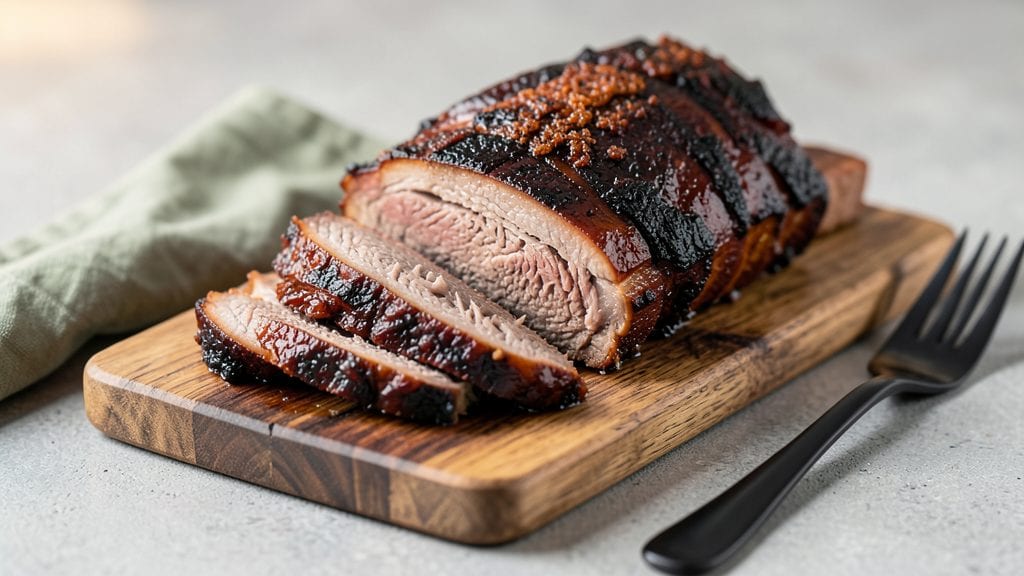
This smoked beef brisket recipe delivers the tender, fall-apart perfection that makes it a centerpiece for gatherings—where smoky bark meets buttery, juicy layers that disappear at first bite.
The key lies in a precise blend of salt, pepper, and time, transforming tough beef into restaurant-quality results right in your backyard. I’ve perfected this method through countless trials, ensuring every bite lives up to the hype without requiring a commercial smoker.
The process begins with a 24-hour brine to tenderize the meat, followed by a low-and-slow smoke at 225°F until the internal temperature reaches 203°F. This slow cook ensures the connective tissue breaks down, creating that signature melt-in-your-mouth texture while developing a deep, smoky flavor.
The bark forms naturally as the fat renders, sealing in moisture and locking in every layer of flavor.
By the time you pull it from the smoker, you’ll have a brisket so tender it practically falls apart at the touch, with a crust that’s crisp enough to stand on its own.
Serve it sliced against a bed of creamy coleslaw or with classic baked beans for a meal that feels like a celebration. The aroma alone will draw everyone to the table.
This recipe isn’t just about the beef—it’s about the experience. Whether you’re hosting a backyard barbecue or treating yourself to a Sunday feast, the results are worth the wait. Let’s get started on creating the perfect smoked brisket.
Ingredients for best smoked beef
The secret to perfect brisket starts with these core ingredients—where salt and smoke transform tough beef into melt-in-your-mouth magic.
| Ingredient | Amount | Notes |
|---|---|---|
| Beef Brisket 🥩 | 8 lb | Packer cut, good fat cap |
| Yellow Mustard 🍯 | ½ cup | For bark adhesion |
| Kosher Salt 🧂 | 1 ½ cups | Coarse grain preferred |
| Freshly Ground Black Pepper 🌶️ | 2 tbsp | Coarse grind for texture |
| Granulated Garlic 🧄 | 2 tbsp | For even distribution |
| Granulated Onion 🧅 | 2 tbsp | Adds sweet depth |
| Smoked Paprika 🌶️ | 1 tbsp | For subtle smokiness |
| Wood Chips 🪵 | 4 cups | Hickory or oak preferred |
| Beef Broth 🍲 | 1 cup | Low-sodium preferred |
| Apple Cider Vinegar 🍎 | ¼ cup | Balances flavors |
| Brown Sugar 🍬 | ½ cup | Lightly packed |
| Black Coffee ☕ | 1 cup | Cold brew works best |
| Butter 🧈 | ¼ cup | Cold, cubed for basting |
The brisket is everything here. Packer cut with a thick fat cap is non-negotiable—it protects the meat and renders into flavor. Look for a 6-8 lb packer at Costco or your local butcher shop. If you're buying a whole packer, trim it to 8 lbs for this recipe. The fat cap should be at least 1/4-inch thick. If yours is thinner, don't stress—just add an extra 1/2 cup of butter to the rub. For the wood chips, hickory or oak gives that classic BBQ flavor, but fruitwoods like cherry add sweetness if you're feeling experimental. Soak them for 30 minutes before using to prevent flare-ups.
No yellow mustard? Olive oil works in a pinch—just use half the amount since it's thinner. The kosher salt should be coarse grain (like Diamond Crystal)—it sticks better than table salt. Running short on time? Instant pot brisket works with the same rub, just cook at low pressure for 8 hours. The apple cider vinegar can be swapped for red wine vinegar, but it'll taste different. For the wood chips, if you can't find hickory, mesquite or pecan are great substitutes. And if you're worried about the bark not setting, spritz with beef broth every hour after the first 3 hours of smoking. Trust me, it makes a difference.
This brisket reheats like a dream—just wrap it in butcher paper and warm in a 275°F oven for 30 minutes. It'll actually taste better the next day once all the flavors meld. Store leftovers in the fridge for up to 5 days, or freeze for 3 months. I like to portion it into 1/2 lb servings for easy reheating. The rub? Make extra—it keeps in an airtight container for 6 months. And if you've got leftover bark, crush it and use it as a seasoning for fries or eggs. Nothing goes to waste.
Why You'll Love This Recipe
- Four-Hour Magic: I swear, you just rub the brisket with salt, pepper, and garlic—no fancy rubs, no stress—then let the smoker do its thing. Honestly, the hardest part is waiting, and even that’s satisfying.
- Mustard-Crusted Crunch: That yellow mustard isn’t just flavor—it caramelizes into a sticky, golden crust that cracks when you cut in. Between us, it’s the kind of texture that makes people pause mid-bite.
- Leftovers That Shine: Cold brisket sandwiches? Yes. Tacos? Absolutely. Even reheated, it’s tender and packed with that smoky depth. My freezer’s always stocked because this meat begs to be repurposed.
- Budget Beef Win: A whole packer of brisket feeds my family for days—no sad leftovers here. And since it’s just salt, pepper, and garlic, you’re not breaking the bank for a restaurant-worthy meal. (Yes, even on a Tuesday night.)
Step-by-step instructions for smoked beef brisket
Here's how to transform an 8 lb beef brisket into melt-in-your-mouth perfection with a smoky crust.
Prepare the Brisket for Maximum Flavor
Start by trimming the fat cap of the 8 lb beef brisket to about ¼-inch thickness using a sharp knife. This ensures even cooking while preserving enough fat to protect the meat. Pat the entire surface dry with paper towels - this step is crucial for developing that prized smoky bark later.
In a large bowl, combine the 1.5 cups kosher salt, 2 tbsp freshly ground black pepper, 2 tbsp granulated garlic, 2 tbsp granulated onion, and 1 tbsp smoked paprika. Mix thoroughly to create your dry rub. Spread 0.5 cup yellow mustard evenly over the brisket, then press the dry rub mixture firmly into every surface, including the fat cap. The mustard acts as a binder that helps the rub stick and creates that signature dark bark.
Place the seasoned brisket on a wire rack set over a baking sheet and refrigerate uncovered for 12-24 hours. This dry-brining process allows the rub to penetrate deeply and develops the perfect texture. The longer it rests, the better the flavor penetration - but don't exceed 24 hours or the surface will get too dry.
Set Up the Smoker for Perfect Results
Soak the 4 cups wood chips (hickory or oak) in water for at least 30 minutes before using. This prevents them from burning too quickly. Fill your smoker with the soaked wood chips and preheat to 225°F. You'll know it's ready when you see steady, thin blue smoke (not thick white smoke) coming from the chimney.
While the smoker heats, prepare your injection solution by combining 1 cup beef broth, 0.25 cup apple cider vinegar, 0.5 cup brown sugar, and 1 cup black coffee in a bowl. This liquid will penetrate the meat, adding moisture and depth of flavor. Using a meat injector, pierce the brisket in several places and inject the mixture evenly throughout.
Place the brisket fat-side up on the smoker grates. The fat will render down and baste the meat as it cooks, creating that beautiful bark. Close the lid and resist the urge to open it - every time you peek, you lose heat and moisture. Let the brisket smoke undisturbed for 6-8 hours, or until the internal temperature reaches 165-170°F.
Master the Wrap for Fall-Apart Tenderness
This is where the magic happens - the Texas crutch wrap. When the brisket hits that 165-170°F internal temperature, you'll notice the temperature stall where it stops rising. This is completely normal and happens as moisture evaporates. Don't panic - it's the perfect time to wrap.
Remove the brisket from the smoker and wrap it tightly in heavy-duty aluminum foil. Place the 0.25 cup cold, cubed butter on top of the brisket before sealing the foil completely. The butter will melt and baste the meat as it continues cooking, adding incredible richness. Return the wrapped brisket to the smoker and continue cooking.
Cook until the internal temperature reaches 203°F and the meat is fork-tender with no resistance. This typically takes another 4-6 hours, but don't rush it - patience is key to that perfect texture. The brisket should pull apart easily with two forks, indicating it's reached that coveted fall-apart tenderness.
Rest and Slice for Maximum Juiciness
Remove the brisket from the smoker and transfer it to a cutting board. Let it rest for at least 1 hour (2 hours is even better) before slicing. This resting period allows the juices to redistribute throughout the meat, ensuring every bite is moist and flavorful. Tent loosely with foil to keep it warm during the rest.
Locate the grain direction by looking for the natural lines in the meat. Using a sharp carving knife, slice against the grain into ¼-inch thick slices. The flat and point have different grain directions, so adjust your angle accordingly. Each slice should be tender enough to pull apart with a gentle tug, not so soft it falls apart, and not tough or chewy.
Serve immediately while still warm. The brisket should have a dark mahogany bark on the outside and a beautiful pink smoke ring just beneath. Each slice should be moist, flavorful, and have that perfect combination of smoky bark and buttery tenderness that makes this brisket truly exceptional.
Pro Tips For Making Best Smoked Beef
- Trim the Fat Cap: That thick layer of fat on the brisket isn’t just for looks—it protects the meat and renders into flavor. Use a sharp knife to trim it down to about ¼-inch thick before you even think about seasoning. I learned this the hard way when my first brisket turned out greasy instead of crispy.
- Salt the Night Before: Brisket needs time to absorb salt and form that crust. Sprinkle kosher salt generously (about 1.5 teaspoons per pound) and let it sit uncovered in the fridge for 12–24 hours. The mustard will stick better, and the seasoning won’t wash off when you sear it.
- Skip the Crowding: Piling briskets on top of each other in the smoker steals heat and traps steam, leading to soggy meat. Leave at least 1 inch of space between pieces—yes, even if it means smoking them in batches. Your future self will thank you when the bark stays crisp.
- Spritz with Mustard-Garlic Mix: Forget plain water spritzes—this recipe’s mustard and garlic are the real MVP. Mix ½ cup yellow mustard with 2 tablespoons granulated garlic and ¼ cup apple cider vinegar, then spray every 2–3 hours. It keeps the meat moist and adds a tangy depth that dry rubs can’t match.
Creative variations of these flavors
Texas-Style Brisket
This is the classic approach that made brisket famous, featuring a hickory-smoked bark and tender, buttery meat. The key difference? Texas pitmasters use pink butcher paper instead of foil for wrapping. This allows the bark to develop while keeping the meat moist.
I like to add 1 tbsp of beef tallow to the injection mix for extra richness. Serve with classic sides like white bread and pickled jalapeños for that authentic Central Texas experience. 🔥
Carolina Pulled Pork Style
Transform your brisket into pulled pork by shredding it after reaching 203°F internal temperature. Use 1 cup of apple cider vinegar and ½ cup of brown sugar in the injection mix for a tangy-sweet profile.
After wrapping, add ½ cup of BBQ sauce (like Sweet Baby Ray's) to the foil before sealing. Shred with forks and serve on buns with coleslaw. This variation is perfect for sandwiches or tacos.
Smoked Beef Short Ribs
For a different cut, try this with bone-in beef short ribs instead of brisket. Use the same rub but reduce the cooking time to 4-5 hours total, wrapping at 170°F and finishing at 195°F.
The bones add incredible flavor, and the meat falls off them effortlessly. Serve with creamy horseradish sauce and roasted garlic mashed potatoes for a hearty meal. 💫
Spicy Cajun Brisket
Add 2 tbsp of Cajun seasoning (like Tony Chachere's) to the dry rub for a Louisiana-inspired twist. Include 1 tbsp of cayenne pepper and 1 tsp of smoked paprika in the injection mix.
Serve with dirty rice and grilled corn on the cob. The heat from the Cajun spices pairs beautifully with the smoky flavors, creating a bold and flavorful dish.
Beer-Can Brisket
For a fun twist, place a 12-ounce can of beer (like Budweiser or IPA) in the center of the foil when wrapping. The beer steams the meat, adding moisture and subtle flavor.
This method works especially well with fruitwoods like cherry or pecan for a sweeter profile. Serve with beer-battered onion rings for a complete barbecue experience.
Asian-Inspired Smoked Beef
Swap the traditional rub for a blend of 2 tbsp soy sauce, 1 tbsp sesame oil, 1 tbsp honey, and 1 tbsp grated ginger. Use binchotan charcoal for smoking to keep the flavor profile clean.
Serve with steamed jasmine rice, quick-pickled cucumbers, and a drizzle of sriracha mayo. This fusion brings a unique twist to the classic smoked beef. 🌶️
Nutrition facts
Frequently asked questions
How long should I let the brisket rest before slicing?
Always rest the brisket for at least 1 hour—ideally 2 hours—before slicing. This crucial step lets the juices redistribute, preventing dry slices. Tent it loosely with foil to keep it warm during the rest.
Can I use an electric smoker instead of charcoal?
Electric smokers work perfectly for this recipe. Just maintain a steady 225°F temperature and use your preferred wood chips (hickory or oak recommended). The key is consistency—avoid opening the lid frequently to preserve heat and moisture.
What if my brisket isn't tender enough?
If the meat feels tough at 203°F, it likely didn’t rest long enough or wasn’t cooked low-and-slow. For next time, extend the smoking time to 12-16 hours total and ensure the temperature never exceeds 250°F during the wrap. Patience is key!
How do I store leftovers to keep them moist?
Wrap cooled brisket tightly in butcher paper or foil and refrigerate for up to 5 days. For reheating, warm in a 275°F oven for 30 minutes—this gently revives the texture. Avoid microwaving, as it dries out the meat.
What’s the best wood for smoking brisket?
Hickory or oak are classic choices for that bold, smoky flavor. For something sweeter, try cherry or pecan. Avoid fruitwoods like apple if you prefer a traditional profile. Soak chips for 30 minutes before use to prevent flare-ups.