
Main Courses
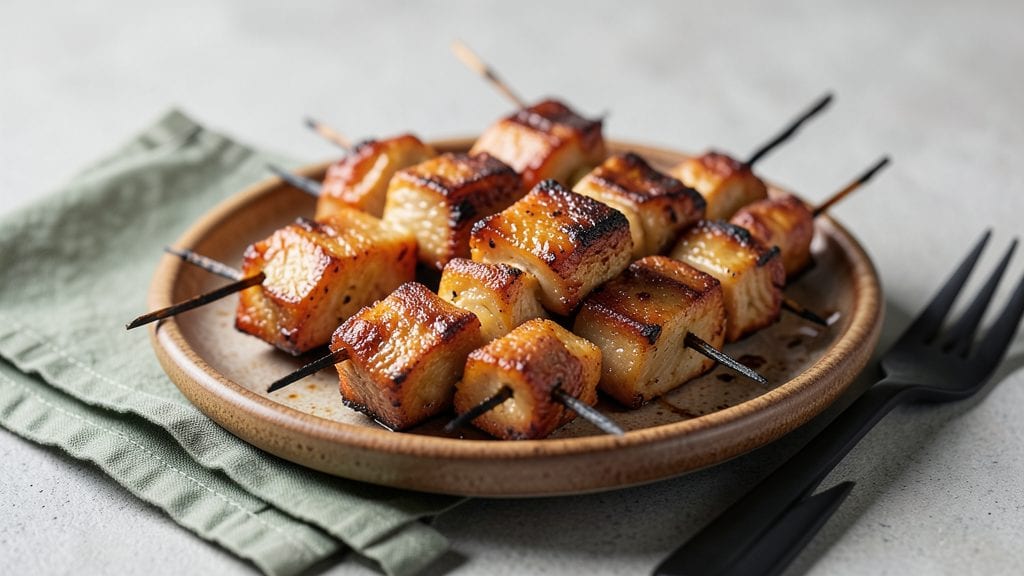
This beef tibs recipe delivers restaurant-quality spiced skewers with perfectly crispy bark and juicy centers—a dish that transforms simple beef into a flavor explosion.
The secret lies in cutting the meat into precise, uniform pieces and searing them quickly over high heat, while a blend of warm spices like cumin, coriander, and turmeric infuses every bite with aromatic depth.
My version balances traditional techniques with modern adaptations, offering flexibility for grilling, pan-searing, or even air-frying to suit any kitchen setup.
What sets this recipe apart is the dual texture you achieve: a crispy, caramelized exterior that gives way to tender, flavorful meat inside. The marinade—simple yet potent—penetrates the beef while keeping it moist, ensuring each bite is packed with layers of spice and savory richness.
Whether you're serving this as a standalone main or pairing it with basmati rice, naan, or a cooling cucumber salad, the results are consistently impressive.
The cooking process is straightforward but requires attention to timing—just a few minutes of active searing followed by a quick rest. This method guarantees juicy centers that stay intact while developing that coveted crispy bark.
The spices develop beautifully during cooking, creating a complex flavor profile that's both comforting and exciting. For a modern twist, consider finishing with a drizzle of honey or a splash of spiced rum reduction to elevate the dish further.
Perfect for weeknight dinners or special occasions, these beef tibs bring the bold flavors of global street food to your table with minimal effort. The recipe scales easily, making it ideal for feeding a crowd or meal prepping for the week. Let’s get cooking—your taste buds won’t regret it.
Ingredients for beef tibs
Nine key ingredients transform simple beef into restaurant-worthy spiced skewers with crispy edges and juicy centers.
| Ingredient | Amount | Notes |
|---|---|---|
| Beef Chuck Roast 🥩 | 1 ½ lb | Cut into 1-inch cubes, uniform size |
| Extra-Virgin Olive Oil 🫒 | ¼ cup | High smoke point for searing |
| Ground Cumin 🌿 | 1 tbsp | Toasted for deeper aroma |
| Ground Coriander 🌿 | 1 tbsp | Freshly ground preferred |
| Turmeric Powder 🌶️ | ½ tsp | Brightens the marinade |
| Garlic Cloves 🧄 | 6 cloves | Minced, vibrant flavor |
| Ginger Root 🌿 | 1 tbsp | Freshly grated, aromatic |
| Lemon Juice 🍋 | 2 tbsp | Freshly squeezed, bright acidity |
| Kosher Salt 🧂 | 1 ½ tsp | Diamond Crystal preferred |
| Black Pepper 🌶️ | ½ tsp | Freshly cracked, coarse grind |
| Honey 🍯 | 1 tbsp | Wildflower for floral notes |
| Wooden Skewers 🪵 | 8 whole | Soaked 30 minutes, sturdy |
The beef is everything here—chuck roast gives you that perfect balance of tenderness and fat for juiciness. Grab it pre-cut at Costco or your butcher's counter if you want uniform pieces (no guessing games). For the spices, Penzeys or bulk bins at natural markets have the freshest ground cumin and coriander—those pre-packaged jars lose punch fast. The ginger? Fresh is non-negotiable—dried just won't cut it for that bright zing. And that honey? Local wildflower adds complexity you won't find in regular supermarket brands.
No cumin? Cardamom at half the amount gives a similar warmth, though the flavor profile shifts slightly. Running low on fresh ginger? Powdered works in a pinch (use half the amount), but it won't have that same punch. The olive oil can be swapped for avocado oil if you're worried about smoke point—both work great for searing. For a modern twist, add 1 tsp smoked paprika to the marinade for extra depth. The skewers? Metal or bamboo work, but if using bamboo, soak them for 30 minutes to prevent burning.
Marinate the beef for at least 2 hours—overnight is even better if you're planning ahead. The skewers keep in the fridge for 3 days before cooking, but the flavor develops best when fresh. Once cooked, they reheat beautifully—just 5 minutes in a 350°F oven with a splash of water to keep them moist. For meal prep, store cooked skewers in airtight containers and freeze for up to 3 months. Trust me, they taste even better the next day.
Why You'll Love This Recipe
- One-Pan Magic: I swear by this—just toss the beef, spices, and oil in one skillet, and walk away. No chopping, no fussing, no extra dishes. That’s how I feed my family on nights when I’d rather scroll TikTok than stand at the stove.
- Earthy, Smoky Depth: The cumin and coriander do all the work here, turning tough chuck into tender, aromatic bites. Honestly? The turmeric’s subtle warmth makes it taste like you’ve been cooking all day—even if you didn’t.
- Lunchbox Hero: Between us, this is my go-to for meal prep. Slice the cooled beef into strips, pack it with rice or flatbread, and you’ve got a lunch that’ll make coworkers ask for the recipe. (I’ll send them here.)
- Budget Powerhouse: A pound of chuck roast stretches to feed four, and the spices cost pennies. I’ll be real: this is the dish I make when I’m broke but refuse to eat sad leftovers. The flavor punches way above its price tag.
Step-by-step instructions for spiced beef skewers
This method delivers perfectly balanced skewers with a deep spice crust and tender beef every time.
Prepare the Marinade and Cube the Beef
In a medium bowl, combine the 0.25 cup extra-virgin olive oil, 1 tbsp ground cumin, 1 tbsp ground coriander, 0.5 tsp turmeric powder, 1.5 tsp kosher salt, 0.5 tsp black pepper, 1 tbsp honey, 2 tbsp lemon juice, 6 minced garlic cloves, and 1 tbsp freshly grated ginger root. Whisk vigorously until the spices are fully dissolved and the mixture becomes aromatic—this should take about 1 minute. The marinade should have a vibrant golden hue from the turmeric and a rich, earthy scent from the spices.
While the marinade develops, cut the 1.5 lb beef chuck roast into 1-inch cubes, ensuring each piece is uniform in size. This prevents uneven cooking and guarantees that every skewer has the same perfect texture. I like to work quickly here—trim any excess fat but leave a thin layer to protect the meat during cooking. Place the beef cubes in a large resealable bag or shallow dish and pour the marinade over them, massaging it into every surface. Let it marinate for at least 4 hours (overnight is ideal) in the refrigerator. The acidity from the lemon juice and honey will begin breaking down the beef fibers, while the spices penetrate deeply.
Thread the Skewers and Rest
Soak the 8 wooden skewers in water for 30 minutes to prevent burning during cooking. Drain them well before using. Working with one skewer at a time, thread 3-4 beef cubes onto each skewer, alternating directions slightly to create an even surface for searing. Don't overcrowd—leave a little space between pieces so the heat can circulate and crisp the exterior properly. Once all skewers are assembled, place them on a plate or tray and refrigerate for 30 minutes to help them hold together better during cooking.
Here's the thing—this resting period is crucial. It allows the marinade to fully adhere to the beef, preventing it from sliding off during the high-heat searing. If you skip this, you risk losing flavor and texture control. The skewers should feel secure enough that they don't fall apart when you gently shake them.
Sear for Maximum Crispiness
Preheat your grill or grill pan to high heat (around 450°F). The key to crispy bark is getting the skewers searing hot right from the start. Once the grill is ready, place the skewers on the hottest part of the grill and cook undisturbed for 3-4 minutes per side. You'll see the marinade bubble vigorously and the beef develop a deep golden-brown crust. Don't be tempted to move them around—they need that direct, intense heat to create the perfect bark.
After the initial sear, reduce the heat to medium-high (around 375°F) and continue cooking for another 2-3 minutes per side, turning occasionally. The internal temperature should reach 135°F for medium-rare beef. Use an instant-read thermometer to check—this ensures the centers stay juicy while the exterior achieves that coveted crispiness. If the skewers start to char too quickly, move them to a cooler part of the grill or reduce the heat slightly.
Rest and Serve with Confidence
Transfer the cooked skewers to a cutting board or plate and let them rest for 5-10 minutes before serving. This resting period is non-negotiable—it allows the juices to redistribute throughout the beef, preventing them from pooling on the cutting board. During this time, the skewers will continue to carry over to a perfect internal temperature, and the exterior will firm up slightly, making it easier to handle.
Serve the skewers immediately with a side of your choice—perhaps a bright cucumber salad or warm flatbread to soak up the remaining juices. Each bite should deliver a perfect balance of crispy, spiced exterior and tender, juicy beef. The marinade's acidity and spices should be well-integrated, with no raw or undercooked spots. If you've followed these steps carefully, you'll have skewers that are restaurant-quality—crispy on the outside, juicy on the inside, and packed with bold, aromatic flavors.
Pro Tips For Making Beef Tibs
- Trim the Fat First: Chuck roast comes with a thick fat cap—slice it off before cutting into cubes. I learned this the hard way when my first batch turned greasy and lost texture. The fat’s fine for rendering later, but you want those tibs to sear, not swim.
- Toast the Spices Dry: Heat your cumin, coriander, and turmeric in a dry pan for 30 seconds until fragrant. Smells like cheating, but it deepens the flavor—no bitter aftertaste from raw spices. (Yes, even if you’re impatient like me.)
- Sear in Batches: Crowd the pan, and you’ll steam the beef instead of browning it. Work in 1-inch layers, letting each batch develop a crust before adding more. Your future self will thank you when the dish actually looks like it belongs in a restaurant.
- Deglaze with Lemon Juice: Skip the water—deglaze with 2 tablespoons of lemon juice after searing. Cuts through the richness, brightens the spices, and adds a tang that balances the beef’s depth. (Does it look weird? Yes. Does it work? Every single time.)
Troubleshooting your beef tibs
Uneven Cooking Fix
If your skewers develop patchy browning or some pieces cook faster than others, it’s likely due to uneven beef cube sizes or overcrowding on the grill. First, ensure all beef cubes are exactly 1-inch—use a ruler to check.
For the grill, space skewers at least 1 inch apart to allow proper airflow. If using a grill pan, work in batches of 2-3 skewers at a time to avoid steaming instead of searing. 🔥
Skewers Falling Apart
Wooden skewers breaking mid-cook usually means they weren’t soaked long enough or the beef pieces are too large. Soak skewers in cold water for 30+ minutes before use, and drain well to prevent burning.
For extra stability, secure the ends with a dab of marinade or wrap them in aluminum foil at the tips. Metal skewers solve this entirely but require pre-soaking to prevent sticking.
Dry or Tough Beef
Overcooking is the #1 culprit for dry beef tibs. Use a meat thermometer and pull skewers at 135°F internal temp (medium-rare). If you’re air-frying, reduce temp to 375°F and cook for 8-10 minutes total, shaking the basket halfway.
For extra moisture, brush skewers with olive oil during the last minute of cooking to lock in juices. 💡
Marinade Not Sticking
If the marinade slides off during cooking, the beef wasn’t massaged thoroughly or rested long enough. After marinating, pat the beef dry with paper towels to help the spices adhere better.
Let skewers rest 30 minutes before cooking—the marinade will cling like glue. For stubborn slides, lightly coat the beef in cornstarch before threading onto skewers (it creates a temporary crust).
Charred but Raw Centers
This happens when skewers spend too long on high heat without reaching the right internal temp. After the initial 3-4 minute sear, move to medium heat and focus on internal temperature (not just color).
For stubborn cold centers, cover the pan with a lid for 1-2 minutes to steam the beef gently. A cast-iron skillet retains heat better than nonstick—ideal for finishing undercooked pieces.
Spices Too Mild
If your tibs taste bland, the marinade likely didn’t penetrate enough. Toast the spices in a dry pan for 1 minute before mixing into the marinade to deepen their flavor.
For extra punch, add 1 tsp smoked paprika or ½ tsp cayenne to the marinade. Let the beef marinate overnight (not just 4 hours) for maximum spice absorption. 🌶️
Nutrition facts
Frequently asked questions
What cut of beef works best for these spiced skewers?
Beef chuck roast is ideal because its fat content keeps the meat juicy while cooking. The natural marbling breaks down during the marinating process, ensuring tender bites with crispy edges. For leaner options, try sirloin, but expect slightly less tenderness. Avoid cuts like flank steak—they're too lean and can dry out during the high-heat searing process.
Can I make these skewers ahead of time?
Assemble the skewers up to 3 days in advance and store them in an airtight container in the fridge. For best results, marinate the beef for at least 4 hours before assembling. Cooked skewers can be refrigerated for 2 days or frozen for 3 months. To reheat, warm in a 350°F oven for 5-10 minutes with a splash of water to maintain moisture.
How do I prevent the skewers from falling apart?
Soak wooden skewers in cold water for 30+ minutes before use to prevent burning. Thread the beef pieces snugly, leaving just a ¼-inch gap between cubes. For extra stability, secure the ends with a dab of marinade or wrap them in aluminum foil. Metal skewers are a foolproof alternative—they won't break and conduct heat evenly.
What's the secret to getting that perfect crispy bark?
The key is high, direct heat for the initial 3-4 minutes of cooking. Use a grill pan or cast-iron skillet preheated to 450°F and avoid moving the skewers until they develop a deep golden crust. The marinade's honey and spices caramelize under this heat, creating that coveted texture. After the initial sear, reduce to medium-high heat to finish cooking without burning.
What sides pair best with beef tibs?
Traditional pairings include basmati rice, warm naan or flatbread, and a cooling cucumber salad with yogurt and mint. For a modern twist, try quinoa pilaf or roasted vegetables like eggplant or bell peppers. The skewers also work beautifully with spiced lentils or a mango avocado salsa for a sweet-savory contrast.