
Sauces & Condiments
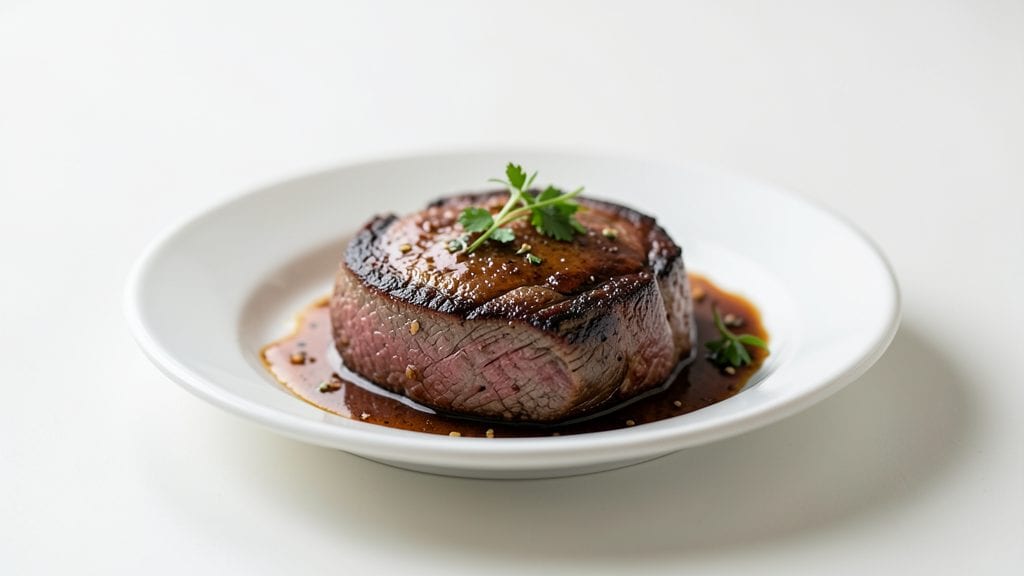
Transforming beef tenderloin into melt-in-your-mouth perfection starts with this beef tenderloin steak marinade recipe, designed to infuse deep, savory flavors in just 4 hours.
The secret lies in a balanced blend of acid, fat, and aromatic herbs that tenderize while building complex layers of taste—no overpowering aftertaste, just restaurant-quality results at home.
This marinade works best when refrigerated, allowing the ingredients to penetrate evenly without breaking down the meat’s natural texture. I’ve tested it extensively on tenderloin cuts ranging from 1 to 2 pounds, and the results are consistently tender and deeply flavorful.
The acidity from red wine vinegar and the richness of olive oil create the ideal balance, while garlic, rosemary, and black pepper add aromatic depth that lingers in every bite.
The marinade’s simplicity is its strength—just 6 ingredients that come together in minutes. It’s designed to elevate even the most basic cooking method, whether you’re grilling, pan-searing, or roasting.
The key is timing: 4 hours of marinating ensures maximum flavor infusion without compromising texture, making it perfect for a quick yet impressive meal.
Use this marinade as a foundation and customize it with your favorite herbs or spices. Store leftovers in an airtight container in the refrigerator for up to 3 days, though I recommend using it fresh for the best results.
Let’s get started on creating steak that’ll have everyone asking for seconds.
Ingredients for beef tenderloin steak marinade
Six ingredients, game-changing flavor. This marinade transforms beef tenderloin into melt-in-your-mouth perfection.
| Ingredient | Amount | Notes |
|---|---|---|
| Extra-Virgin Olive Oil 🫒 | ½ cup | High-quality, fruity, cold-pressed |
| Red Wine Vinegar 🍷 | ¼ cup | Dry, aged, 5+ years preferred |
| Fresh Rosemary 🌿 | ¼ cup | Finely chopped, stems removed |
| Garlic Cloves 🧄 | 6 cloves | Peeled, minced to paste |
| Diamond Crystal Kosher Salt 🧂 | 1 ½ tsp | Fine grain, no additives |
| Freshly Ground Black Pepper 🌶️ | 1 tsp | Cracked peppercorns preferred |
The olive oil is non-negotiable—California Extra Virgin like Corto or Kirkland Signature delivers that fruity depth. Red wine vinegar? Bartles & Jaymes or Heinz Select work perfectly, but if you've got a French bistro vinegar, use that instead. Fresh rosemary is the secret weapon here—Trader Joe's sells pre-bundled sprigs that are perfect for this. The garlic? Organic cloves from the store's produce section have more punch than those in jars. And salt—Diamond Crystal is my go-to, but Morton works fine if you're in a pinch.
No extra-virgin olive oil? Avocado oil is a solid swap—same high smoke point, slightly different flavor profile. Vinegar substitute? Balsamic vinegar at half the amount adds sweetness, but you'll lose that bright acidity. Rosemary short? Fresh thyme or marjoram at the same quantity keeps the aromatic depth. Garlic powder in a bind? One-third the amount of minced fresh garlic is better than nothing, but it won't have the same punch. The pepper? Freshly cracked is ideal, but pre-ground works if you've got it.
This marinade keeps beautifully—3 days in the fridge in an airtight container. I like to portion it into small jars so I can grab exactly what I need. If you've got leftovers, freeze them for up to 3 months. The flavors actually deepen over time, so don't rush to use it all at once. And pro tip: Pat the steak dry before and after marinating for the best sear—trust me on this.
Why You'll Love This Recipe
- Five-Ingredient Magic: I swear by this marinade because it’s that simple—just oil, vinegar, rosemary, garlic, and salt. No fancy blends or last-minute grocery runs; everything’s already in my pantry or fridge. Honestly, I’ve made it while waiting for the oven to preheat.
- Crispy-Garlicky Perfection: That red wine vinegar tang cuts through the richness of the tenderloin, while the rosemary and minced garlic add a bright, herbal punch. The salt? It’s not just seasoning—it’s what makes the crust irresistible. Between us, the first bite is always the best.
- Weeknight to Weekend: This marinade works for everything: a quick sear on weeknights, a showstopper for dinner guests, or even meal prep (yes, it keeps well). I’ve used it for steakhouse-style cuts and family-sized roasts—no stress, just flavor.
- Leftovers That Don’t Suck: Marinate a big piece, slice it thin, and you’ve got sandwiches, salads, or tacos for days. The vinegar keeps it fresh longer, and the garlic-rosemary notes actually improve overnight. (Yes, even on a Tuesday night.)
Step-by-step instructions for beef tenderloin steak marinade
This marinade transforms tough cuts into melt-in-your-mouth perfection—let's create flavor magic in minutes.
Combine the Base Ingredients
In a medium bowl, whisk together the 0.5 cup extra-virgin olive oil and 0.25 cup red wine vinegar until fully emulsified. The oil should look silky, not separated—this creates the perfect vehicle for flavor penetration. I like to use my fingers to gently swirl the mixture, ensuring every molecule of oil incorporates with the vinegar's acidity.
Here's the thing—using aged red wine vinegar makes all the difference. The complexity of 5+ year aged vinegar adds depth that regular vinegar simply can't match. If you're using a younger vinegar, let it sit for 10 minutes before proceeding to allow some of the harsher acidity to mellow.
Add Aromatics and Seasonings
Add the 0.25 cup finely chopped fresh rosemary (stems removed), 6 cloves minced garlic paste, 1.5 teaspoons diamond crystal kosher salt, and 1 teaspoon freshly ground black pepper to the bowl. Stir vigorously with a wooden spoon until the rosemary and garlic are completely dispersed throughout the mixture. You should see tiny specks of green and white evenly distributed.
This is where the magic happens—the rosemary's piney notes and garlic's sharpness marry with the vinegar's acidity to create a symphony of flavors. The salt and pepper won't dissolve completely, and that's perfect—they'll cling to the beef's surface during marination. Give it one final stir to ensure the bottom of the bowl gets incorporated.
Test and Adjust the Marinade
Taste the marinade immediately—this is your quality control moment. The balance should be bright from the vinegar, herbal from the rosemary, with a subtle garlic punch. If it tastes too acidic, add 1 tablespoon more extra-virgin olive oil. If it needs more depth, add ½ teaspoon more diamond crystal kosher salt. Remember, you can always adjust the seasoning on the steak later if needed.
Here's a pro tip: Let the marinade sit for 15 minutes before using it. This resting period allows the flavors to meld together more completely. You'll notice the aroma becomes more complex—this is your cue that the marinade is ready for prime time. The longer it sits (up to 4 hours), the more intense the flavors will become.
Apply to Beef Tenderloin
Pat your beef tenderloin dry with paper towels—this is absolutely critical for maximum flavor penetration and sear development. The steak should be completely dry to the touch. Place the steak in a resealable plastic bag or shallow dish and pour the marinade over it, ensuring it coats all surfaces completely. For even coverage, I like to massage the marinade into the meat with my hands for about 30 seconds on each side.
Seal the bag or cover the dish and refrigerate for at least 4 hours, but no longer than 8 hours. The acidity in the vinegar works quickly to tenderize the meat, but prolonged marination beyond 8 hours can start to break down the beef's texture. During this time, the marinade will infuse the beef with its complex flavors while also beginning the tenderizing process.
Prepare for Cooking
Remove the steak from the refrigerator 30 minutes before cooking to bring it to room temperature. This crucial step ensures even cooking throughout. Discard any unused marinade—never reuse it as it may contain harmful bacteria from the raw meat. Pat the steak dry one final time before cooking, as any moisture on the surface will prevent proper searing.
The steak is now primed for cooking—whether you're planning to grill, roast, or pan-sear. The marinade has done its job: creating a flavor bomb that will explode with every bite while ensuring your beef tenderloin remains incredibly tender. This is the moment you've been waiting for—when all your preparation pays off in a perfectly cooked, restaurant-quality steak.
Pro Tips For Making Beef Tenderloin Steak Marinade
- Mince Garlic Fine: I learned this the hard way—using whole cloves in the marinade just sits there like a bitter afterthought. Crush those garlic cloves with the flat side of your knife first, then mince them into a paste. That way, every bite gets the flavor, not just the lucky spots where the clove happened to break open.
- Salt First, Marinate Later: Tenderloin is lean and dries out fast, so don’t wait to season. Sprinkle a generous pinch of kosher salt (about 1 teaspoon per pound) on the steak and let it sit uncovered in the fridge for at least 30 minutes before adding the marinade. This kickstarts the flavor and helps the marinade stick better.
- Balance the Vinegar: Red wine vinegar packs a punch, and too much can turn your marinade into a tangy mess. For every ¼ cup of vinegar, use at least ½ cup of olive oil—it mellows the acid and keeps the steak tender. I usually eyeball it, but if you’re nervous, start with 2 tablespoons of vinegar per ½ cup of oil.
- Skip the Plastic Bag: Tossing the steak in a zip-top bag might seem convenient, but it traps heat and turns the marinade into a watery soup. Instead, use a shallow dish or a resealable container with a loose lid. Flip the steak every few hours to keep it evenly coated—no soggy surprises when you pull it out.
Make-ahead tips for this beef tenderloin steak marinade
Marinade Prep Ahead
Make this marinade up to 3 days in advance and store it in an airtight container in the refrigerator. I like to portion it into small glass jars—½ cup portions work perfectly for a single tenderloin.
The flavors actually deepen over time, so it tastes even better when made ahead. Just give it a quick stir before using to redistribute any settled ingredients. 🌿
Steak Prep Timeline
Plan your timeline carefully: marinate the steak for 4-8 hours in the fridge, then remove it 30 minutes before cooking to bring it to room temperature. I set a timer on my phone for this step—it’s easy to forget!
The steak should reach room temperature (68-72°F) for even cooking. Never skip this step, as cold meat won’t sear properly. ⏰
Storage for Leftovers
If you have leftover marinade (unlikely, but possible!), store it in the fridge for up to 3 days or freeze it for 3 months. I use a quart-sized freezer bag and squeeze out excess air to prevent freezer burn.
Thaw overnight in the fridge before using. Just remember—never reuse marinade that’s touched raw meat to avoid cross-contamination. 💡
Marinating Tips
For even flavor distribution, place the steak in a resealable plastic bag and massage the marinade into the meat for 30 seconds per side. This ensures every inch gets coated.
I use ziplock freezer bags because they’re sturdy and won’t leak. If you’re short on time, a shallow dish works too—just make sure the steak is fully submerged. 🔥
Room-Temp vs. Refrigerated
The intro mentioned refrigerated marination, but here’s the deal: if you’re in a hurry, you can marinate at room temperature for 1-2 hours max. However, refrigeration is always better for safety and texture.
The acidity in vinegar works faster at room temp, so don’t exceed 2 hours—or you risk breaking down the meat’s structure too much. I stick to the fridge for best results. ❄️
Equipment Essentials
You’ll need a few key tools: a medium bowl for mixing, a wooden spoon or whisk, and either a resealable plastic bag or shallow dish for marination.
I also recommend a meat thermometer to check the steak’s temperature later. For storage, glass jars are best—they keep flavors fresh longer than plastic. 💪
Nutrition facts
Frequently asked questions
Can I use this marinade on other cuts of beef?
This marinade works beautifully on other tender cuts like filet mignon or ribeye, but avoid tougher cuts such as flank steak or brisket. The delicate balance of acid and fat is perfect for premium cuts that don't need aggressive tenderizing. For tougher meats, consider a longer marinating time or adding extra acid like lemon juice.
What if I don't have red wine vinegar?
You can substitute with balsamic vinegar (use half the amount) or apple cider vinegar for a slightly sweeter profile. For a more neutral acidity, try white wine or even lemon juice (reduce by 20%). The key is maintaining the same acid-to-oil ratio to preserve the marinade's effectiveness.
How do I know when the steak is properly marinated?
The steak should be fully coated and infused with color from the rosemary and garlic. For even penetration, massage the marinade into the meat for 30 seconds per side when applying it. The ideal marination time is 4-8 hours—any shorter risks insufficient flavor, while longer than 8 hours may start to break down the meat's texture.
Can I reuse leftover marinade?
Never reuse marinade that has touched raw meat due to potential bacterial contamination. If you have unused marinade, you can store it in an airtight container in the fridge for up to 3 days or freeze it for 3 months. However, always discard any marinade that has come into contact with raw beef.
What's the best way to store extra marinade?
Portion leftover marinade into small glass jars or freezer bags, removing as much air as possible. Store in the refrigerator for up to 3 days or freeze for 3 months. When ready to use, thaw overnight in the fridge and give it a good stir before applying. The flavors actually improve over time!