
Main Courses
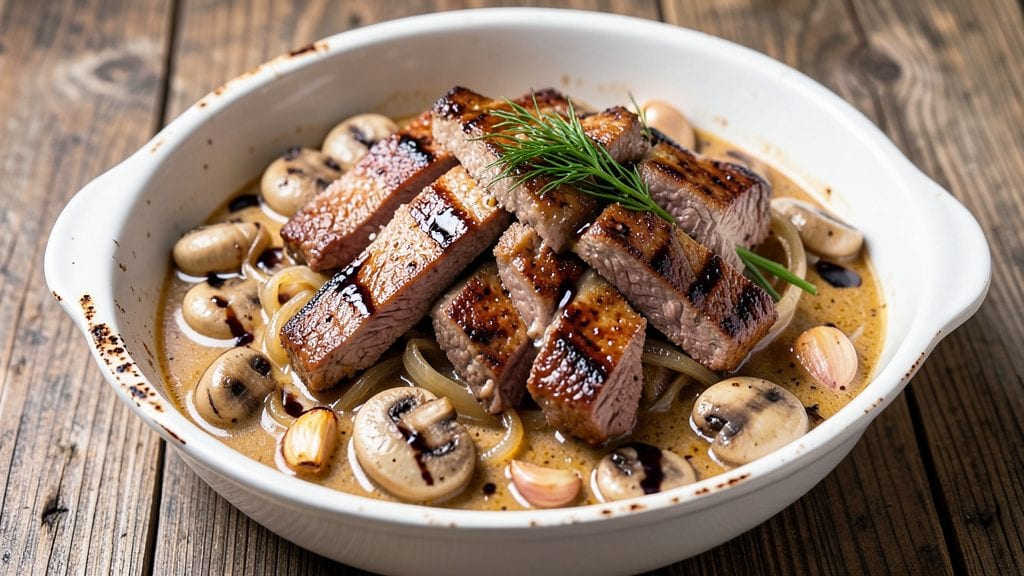
This beef stroganoff recipe with McCormick seasoning transforms a classic comfort dish into a restaurant-quality meal in just 30 minutes. The secret lies in using McCormick's savory garlic blend to elevate the mushrooms and beef, creating a rich, aromatic sauce that coats tender strips of beef and velvety egg noodles.
After years of perfecting stroganoff, I discovered this seasoning cuts prep time while deepening flavor—no fancy techniques required.
The magic happens in the sauce, where McCormick's seasoning infuses the mushrooms with garlic-kissed depth while the beef cooks in a fragrant blend of onion and paprika. Sour cream finishes the dish, adding that signature creamy texture that makes stroganoff irresistible.
This version maintains all the traditional elements—tender beef, earthy mushrooms, and perfectly cooked noodles—just with an extra layer of flavor from the seasoning.
What you'll end up with is a plate of golden-brown beef nestled in a glossy, savory mushroom sauce that clings perfectly to each strand of egg noodle.
The aroma alone will have everyone gathered around your table, and each bite delivers that perfect balance of rich, garlicky, and slightly tangy flavors. It's the kind of dish that feels indulgent yet comes together with simple ingredients and straightforward steps.
Serve this stroganoff with a side of crusty bread to soak up every last bit of that flavorful sauce, or pair it with a simple green salad for a complete meal.
The recipe scales easily for larger gatherings, making it perfect for weeknight dinners or special occasions. Let's get started on creating this comforting classic with a professional twist.
Ingredients for beef stroganoff recipe with mccormick seasoning
Fourteen ingredients transform into a restaurant-worthy stroganoff with McCormick seasoning's signature depth.
| Ingredient | Amount | Notes |
|---|---|---|
| Top Sirloin Steak 🥩 | 1 ¼ lb | Thinly sliced against grain |
| White Button Mushrooms 🍄 | 16 oz | Sliced into even strips |
| Yellow Onion 🧅 | 1 whole | Thinly sliced, white part only |
| Garlic Cloves 🧄 | 4 cloves | Minced, fresh preferred |
| McCormick Savory Garlic Blend Seasoning 🌶️ | 1 ½ tbsp | For signature depth |
| All-Purpose Flour 🌾 | 1 tbsp | For thickening sauce |
| Unsalted Butter 🧈 | 3 tbsp | European-style preferred |
| Beef Broth 💧 | 1 ½ cups | Low-sodium preferred |
| Sour Cream 🥛 | ½ cup | Full-fat for creaminess |
| Egg Noodles 🍝 | 8 oz | Medium width preferred |
| Smoked Paprika 🌶️ | ½ tsp | For subtle smokiness |
| Diamond Crystal Kosher Salt 🧂 | ½ tsp | Adjust to taste |
| Fresh Parsley 🌿 | 2 tbsp | Chopped for garnish |
| Extra-Virgin Olive Oil 🫒 | 1 tbsp | For searing beef |
The McCormick Savory Garlic Blend is non-negotiable here—its balanced garlic, onion, and savory notes create that professional depth in just 1.5 tablespoons. Grab the 1.5-ounce jar from the spice aisle at Walmart or Kroger, where it's consistently fresh. For the beef, top sirloin delivers the perfect balance of tenderness and flavor when sliced thinly against the grain. Most butchers will slice it for you if you ask, or use a sharp knife and freeze the meat 15 minutes before slicing for cleaner cuts. The mushrooms should be firm and dry—avoid those pre-sliced packs that turn slimy. White button mushrooms work, but cremini or baby bella add more earthiness if you're willing to pay the premium.
No McCormick seasoning? Substitute 1 teaspoon each of garlic powder, onion powder, and dried parsley—it won't be identical, but close. The flour can be swapped for cornstarch at half the amount for a glossier sauce, though traditionalists will argue it lacks the wheat's depth. For the beef broth, low-sodium options are critical—you'll be adding salt later. The sour cream should be full-fat and cold when added to prevent curdling; I like Kroger's brand for its tangy balance. Egg noodles vary wildly in width—medium (3/8-inch) is ideal, but any will work if cooked al dente. The smoked paprika adds subtle complexity; if you only have regular paprika, reduce to 1/4 teaspoon to avoid overpowering.
This stroganoff reheats beautifully—cover with plastic wrap pressed directly on the sauce to prevent a skin from forming. Store for up to 4 days in the refrigerator, though flavor peaks at day 2. For freezing, portion into airtight containers with a thin layer of olive oil on top to preserve moisture—3 months in the freezer. The sauce thickens when cold, so stir vigorously before reheating. For serving, I always toss the noodles with a splash of the sauce and a sprinkle of fresh parsley right before plating—that pop of green makes the dish look restaurant-worthy. The leftovers? Even better the next day as the flavors meld further.
Why You'll Love This Recipe
- One-Pan Magic: I swear by this recipe when I’m too tired to wash a second pan. Sear the steak, toss in the onions and mushrooms, then dump the creamy sauce right over everything—no extra dishes, just pure satisfaction.
- Garlic Bomb Flavor: That McCormick seasoning? It’s like a shortcut to restaurant-quality depth. The mushrooms soak it up while the steak stays tender, and honestly, the garlic aroma alone makes my kitchen smell like a cozy bistro.
- Weeknight to Dinner Party: Same dish, different vibes. Serve it over noodles for a quick Tuesday night, or plop it onto fluffy mashed potatoes for a fancier weekend meal. The seasoning makes it feel special without extra effort.
- Leftovers That Don’t Suck: Between us, most stroganoffs turn into sad, watery meals the next day. Not this one—the creamy sauce clings to the beef, and the mushrooms stay hearty. I’ve reheated mine three times, and it’s still the star of my lunchbox.
Step-by-step instructions for beef stroganoff with Mccormick seasoning
A rich, aromatic stroganoff comes together in layers—searing the beef, developing the mushroom base, and finishing with velvety sour cream. This method ensures depth of flavor while keeping the process straightforward.
Sear the Thinly Sliced Top Sirloin Steak
Heat the 1 tablespoon extra-virgin olive oil in a large skillet over medium-high heat until shimmering. Add the 1.25 lb top sirloin steak, sliced against the grain into ¼-inch strips, in a single layer. Let the beef sear undisturbed for 2-3 minutes until deeply browned on one side—this builds the foundation for the sauce's depth.
Use a slotted spoon to transfer the beef to a plate, leaving the rendered fat in the pan. The seared beef should be golden brown with visible grill marks; if it releases easily from the pan, it's ready. Discard any excess fat that accumulates beyond what the mushrooms will absorb.
Develop the Mushroom and Onion Base
In the same skillet, melt 2 tablespoons unsalted butter over medium heat. Add the 16 oz sliced white button mushrooms and 1 whole yellow onion, sliced into ¼-inch strips, spreading them evenly in the pan. Cook for 8-10 minutes until the mushrooms soften and release their moisture, then evaporate into a rich, caramelized base.
Stir in the 4 cloves minced garlic and 1.5 tablespoons McCormick Savory Garlic Blend Seasoning, cooking for 30 seconds until fragrant. Sprinkle the 1 tablespoon all-purpose flour over the mixture and stir vigorously for 1 minute to toast the flour lightly—this removes its raw taste and prepares it to thicken the sauce.
Build the Sauce with Beef Broth and Smoked Paprika
Pour in the 1.5 cups beef broth and scrape up any browned bits from the bottom of the pan with a wooden spoon. Add the 0.5 teaspoon smoked paprika and 0.5 teaspoon diamond crystal kosher salt, then bring the mixture to a gentle simmer. Let it reduce for 5-6 minutes until slightly thickened—you're aiming for a sauce that coats the back of a spoon.
Return the seared beef to the skillet and stir gently to combine. The beef should absorb the sauce's flavors without breaking apart. Taste and adjust the seasoning if needed; the McCormick seasoning already provides a robust garlic profile, so additional salt may not be necessary.
Finish with Sour Cream and Fresh Parsley
Reduce the heat to low and stir in the 0.5 cup sour cream, mixing gently to avoid curdling. Simmer for 1-2 minutes until the sauce reaches a creamy consistency—it should coat the beef and noodles smoothly. The sauce should be warm but not hot, as overheating can cause the sour cream to separate.
Remove the skillet from heat and stir in the 2 tablespoons chopped fresh parsley. Let the stroganoff rest for 2 minutes to allow the flavors to meld. This resting period ensures the sauce thickens slightly and the parsley releases its bright aroma.
Cook and Combine with Egg Noodles
While the stroganoff rests, cook the 8 oz egg noodles in a separate pot of boiling salted water for 2 minutes less than the package instructions specify—al dente is key here. Drain the noodles, reserving ½ cup pasta water, and toss them with 1 tablespoon unsalted butter to prevent sticking.
Serve the stroganoff immediately over the noodles, spooning the sauce generously over each portion. The McCormick seasoning and smoked paprika create a savory depth, while the sour cream adds a creamy finish. Garnish with an additional sprinkle of fresh parsley for freshness and color.
Pro Tips For Making Beef Stroganoff Recipe With Mccormick Seasoning
- SEAR STEAK IN BATCHES: Top sirloin’s best friend is high heat, but cramming all the slices in the pan just makes them steam. Work in two batches—3-4 minutes per side—so the meat gets that deep crust instead of turning out gray and sad. (Yes, even if you’re impatient like me.)
- SALT THE MUSHROOMS: Toss sliced mushrooms with a pinch of salt before cooking. It draws out moisture, so they brown faster and don’t turn into a soggy mess. Skip this, and you’ll end up with a watery stroganoff—trust me, I’ve been there.
- LOW AND SLOW FOR SAUCE: After deglazing, simmer the stroganoff on actual low heat. Rushing it makes the sauce taste raw and thin. Five minutes at a gentle bubble is all it needs to thicken properly—no need to babysit the pan.
- USE COLD BUTTER FOR CREAM: Whisk cold butter into the sauce last, off the heat. It emulsifies better than melted butter, giving you a silky finish without breaking the sauce. (Sounds weird, but it works—my grandmother swore by it.)
Storing and reheating your leftovers
Refrigerator Storage
Transfer your stroganoff to an airtight container with a tight-sealing lid—glass Pyrex or BPA-free plastic works best. Let it cool completely before storing to prevent condensation that can make the sauce watery.
I keep mine in the fridge for up to 4 days, though the flavors actually deepen after the first night as the McCormick seasoning melds with the beef and mushrooms. 💡
Freezer Prep Tips
For long-term storage, portion the stroganoff into quart-sized freezer bags or airtight containers, leaving ½-inch headspace for expansion. Press out excess air to prevent freezer burn, and label with the date—this dish stays delicious for 3 months.
The sauce thickens when frozen, so add 1-2 tablespoons of beef broth when reheating to restore its creamy texture.
Stovetop Reheating
My preferred method is stovetop reheating, which preserves the sauce's velvety consistency. Pour the stroganoff into a skillet over medium-low heat, add 2 tablespoons of beef broth, and stir frequently for 8-10 minutes until heated through.
If the sauce separates, whisk vigorously and add a splash more broth. The McCormick seasoning will still shine, giving that garlicky depth even after reheating. 🔥
Microwave Method
For quick reheating, transfer the stroganoff to a microwave-safe dish and cover loosely with a microwave-safe lid or damp paper towel. Heat on medium power (50%) for 2-3 minutes, stirring halfway, until reaching 165°F internal temperature.
Avoid high power to prevent the sour cream from curdling. The mushrooms may release extra moisture—stir well to redistribute the sauce evenly.
Noodle Refresh
If reheating leftovers, cook fresh egg noodles separately and toss them with 1 tablespoon butter and a splash of the reheated stroganoff sauce. This keeps the noodles al dente while letting everyone enjoy the rich, garlicky flavors.
The McCormick seasoning adds that restaurant-quality depth even after reheating, making it taste almost as good as the first serving. ✨
Sauce Rescue
If your stroganoff sauce separates after reheating, don't panic! Stir in 1 tablespoon cold sour cream or a ½ teaspoon cornstarch mixed with 1 tablespoon water to restore its silky texture. The smoked paprika and McCormick seasoning will still provide that savory backbone, ensuring your stroganoff remains delicious. 💪
Nutrition facts
Frequently asked questions
Can I substitute McCormick seasoning with other spices?
Yes, but the flavor won't be identical. For a close substitute, mix 1 teaspoon garlic powder, ½ teaspoon onion powder, and ½ teaspoon dried parsley. The McCormick blend contains savory notes that give stroganoff its signature depth, so no single spice will perfectly replicate it.
Why does my stroganoff sauce get watery?
This usually happens when the sauce isn't reduced enough or the noodles release too much starch. Simmer the sauce longer to thicken it, or stir in ½ teaspoon cornstarch mixed with 1 tablespoon water to restore consistency. The McCormick seasoning helps balance flavors, but proper reduction is key for that creamy texture.
What's the best way to make this stroganoff ahead of time?
Prepare the sauce and beef completely, then refrigerate in an airtight container for up to 4 days. Reheat gently on the stovetop with a splash of beef broth to restore creaminess. Cook the noodles fresh when serving to maintain their al dente texture. The McCormick seasoning's flavors actually improve overnight!
Can I use ground beef instead of sliced steak?
Ground beef works, but it won't have the same tender texture. If using it, brown the meat thoroughly first and drain excess fat. The McCormick seasoning will still enhance the flavor, though the dish will be heartier than traditional stroganoff. For best results, stick with thinly sliced top sirloin.
How do I prevent the sour cream from curdling?
Always stir the sour cream in at the very end over low heat—never let it boil. Remove the skillet from heat if needed to temper the mixture. The McCormick seasoning adds depth without affecting this process, but proper temperature control is critical for that creamy finish.