
Main Courses
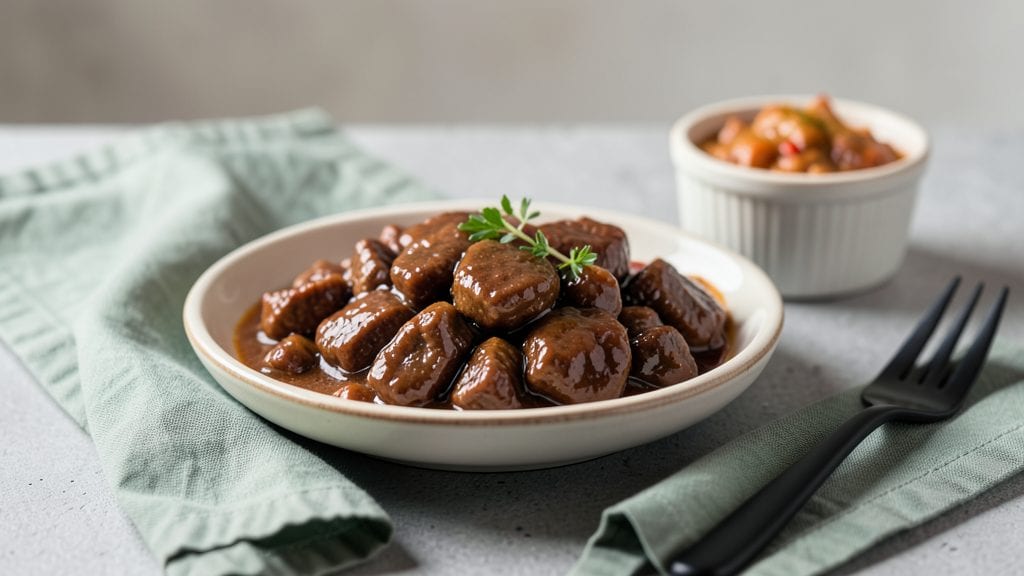
This beef stroganoff recipe delivers restaurant-quality results with tender beef, rich wine-infused sauce, and perfectly cooked egg noodles—all in one satisfying dish. The secret lies in proper searing and deglazing to build deep flavor before adding the creamy sauce.
I’ve refined this technique over years of testing, ensuring the sauce remains velvety without breaking.
What sets this recipe apart is the balance of acidity from white wine and mustard, which brightens the creamy sour cream base. The beef cooks just until tender, then slices thinly to melt into the sauce during the final simmer.
This method guarantees a dish that’s both elegant and approachable, perfect for weeknight dinners or special occasions.
The result is a rich, aromatic sauce with tender beef strands and egg noodles that soak up every drop. The wine reduces into a subtle depth, while the mustard adds a tangy kick that cuts through the creaminess.
Serve with a side of crusty bread to mop up every last bit of that luxurious sauce.
This recipe scales easily for a crowd, and leftovers reheat beautifully. The key is timing—cook the noodles separately and toss them in the sauce just before serving to keep them al dente.
For extra richness, a sprinkle of fresh parsley or a dollop of additional sour cream adds a professional touch.
Ingredients for beef striganoff
Restaurant-quality beef stroganoff starts with these 15 essential ingredients—each playing a precise role in the velvety wine-infused sauce.
| Ingredient | Amount | Notes |
|---|---|---|
| Beef Tenderloin 🥩 | 1 ½ lb | Center-cut, thinly sliced |
| Egg Noodles 🍝 | 8 oz | Fresh or dried, medium width |
| White Wine 🍷 | 1 cup | Dry, full-bodied variety |
| Dijon Mustard 🍯 | 1 tbsp | High-quality, smooth texture |
| Sour Cream 🥛 | 1 cup | Full-fat, room temperature |
| Heavy Cream 🥛 | ½ cup | Full-fat, chilled |
| Shallots 🧅 | 2 whole | Minced, finely chopped |
| Garlic Cloves 🧄 | 3 cloves | Minced, freshly peeled |
| Beef Broth 💧 | 1 cup | Low-sodium, homemade preferred |
| Unsalted Butter 🧈 | 3 tbsp | Cold, cubed for searing |
| All-Purpose Flour 🌾 | 1 tbsp | For sauce thickening |
| Fresh Parsley 🌿 | ¼ cup | Chopped, for garnish |
| Salt 🧂 | 1 tsp | Kosher or sea salt |
| Black Pepper 🌶️ | ½ tsp | Freshly ground |
| Olive Oil 🫒 | 1 tbsp | For initial searing |
The beef selection is critical for this dish. Tenderloin delivers the most tender texture, but sirloin or ribeye work well too—just slice against the grain. For best results, purchase from a trusted butcher or Whole Foods meat department where the cuts are consistently high-quality. The shallots and garlic should be vibrant and fresh; Trader Joe's often carries pre-minced shallots in a jar, which saves time without sacrificing flavor. When selecting wine, opt for a dry Chardonnay or Sauvignon Blanc—avoid sweet varieties that will overpower the dish. The sour cream and heavy cream must be full-fat to achieve that luxurious, velvety consistency; Kroger's or Whole Foods carry reliable brands like Trader Joe's and Organic Valley.
No white wine on hand? Substitute with beef broth and a splash of lemon juice—the acidity remains critical. Fresh parsley is ideal for garnish, but dried parsley at one-third the amount works in a pinch. The Dijon mustard adds depth, but whole-grain mustard thinned with water can substitute if needed. For the flour, all-purpose or cake flour both work, but avoid self-rising. If you're using dried egg noodles, cook them one minute less than package instructions since they'll finish cooking in the sauce. The beef broth can be homemade or a low-sodium store-bought version—just dilute if it's particularly salty. For extra richness, consider adding 1 oz of cream cheese to the sauce during the final simmer.
This dish reheats beautifully, but the sauce has a tendency to break if heated too quickly. To reheat, warm the sauce over low heat on the stovetop while stirring constantly until just hot. The noodles should be cooked separately and tossed into the sauce at the very end to maintain their al dente texture. Store leftovers in an airtight container in the refrigerator for up to 4 days, or freeze for 3 months. For freezing, portion the sauce separately from the noodles to prevent sogginess. When serving, a final sprinkle of freshly ground black pepper and a dollop of additional sour cream elevate the presentation to restaurant-quality.
Why You'll Love This Recipe
- One-Pan Magic: I swear by this recipe when I’m too tired to wash dishes. Sear the tenderloin, deglaze with wine, toss in the noodles—boom. That rich, creamy sauce clings to everything, and cleanup is just a wipe-down. (Yes, even on a Tuesday night.)
- Wine-Lover’s Dream: The white wine doesn’t just cook off—it sings in this dish. That bright acidity cuts through the beef’s richness while the Dijon mustard adds a tangy kick. Swirl in the sour cream at the end, and suddenly, you’ve got a restaurant-worthy sauce that tastes like you slaved over it.
- Leftovers That Don’t Suck: Between us, most creamy beef dishes turn into a sad, watery mess the next day. Not this one. The egg noodles hold up, the sauce stays velvety, and the beef? Still tender. I’ll pack this for lunch three times before I get tired of it—no sad desk meals here.
- Date-Night Zero Effort: No one wants to spend hours cooking when you’re trying to impress. Slice the beef thin, let the wine and mustard work their magic, and serve it over noodles with a dollop of sour cream. It’s fancy enough for a first date but unfussy enough that you’ll actually relax while eating. (Pro tip: Pair it with crusty bread to soak up every last bite.)
Step-by-step instructions for beef striganoff
This classic French-inspired dish delivers tender beef in a velvety wine-cream sauce over egg noodles.
Sear the Beef Tenderloin
Heat the olive oil in a large skillet over medium-high heat until shimmering. Pat the beef tenderloin slices dry with paper towels - any moisture will prevent proper searing. Working in batches if needed, add the slices and cook for 2-3 minutes per side until golden brown and cooked to medium-rare (130-135°F internal temperature). The edges should be caramelized while the center remains slightly pink.
Remove the beef from the skillet and set aside on a plate. Leave the browned bits in the pan - these contain concentrated flavor that will form the base of your sauce. If the pan appears dry, add 1 tablespoon of beef broth to deglaze while keeping the heat at medium-high.
Build the Wine-Cream Sauce
Reduce heat to medium and add the minced shallots to the skillet. Cook for 2-3 minutes until softened but not browned. Add the minced garlic cloves and cook for 30 seconds until fragrant - be careful not to let them burn. Pour in the white wine and scrape up any browned bits from the bottom of the pan with a wooden spoon.
Let the wine simmer for 3-4 minutes until reduced by half. Stir in the Dijon mustard and cook for 1 minute to blend the flavors. Sprinkle the all-purpose flour over the mixture and whisk vigorously for 1 minute to remove any raw flour taste. Slowly pour in the beef broth while whisking continuously to create a smooth sauce.
Finish with Cream and Sour Cream
Reduce heat to low and add the heavy cream. Stir constantly for 2-3 minutes until the sauce begins to thicken. Remove from heat and stir in the sour cream, being careful not to let it boil - this could cause the sauce to curdle. Season with salt and black pepper to taste, remembering that the sour cream and beef already contain some salt.
Return the beef tenderloin slices to the skillet and gently toss to coat in the sauce. Let it simmer for 1-2 minutes to heat through completely. The sauce should now be thick enough to coat the back of a spoon but still remain silky smooth.
Cook and Combine with Noodles
While the sauce finishes, cook the egg noodles according to package instructions until al dente. Drain and set aside, reserving ½ cup of pasta water. Add the cooked noodles to the skillet with the beef and sauce, tossing gently to combine. If the sauce appears too thick, add reserved pasta water 1 tablespoon at a time until reaching your desired consistency.
Transfer the beef striganoff to serving plates and garnish with chopped fresh parsley. Serve immediately while the noodles are still hot and the sauce maintains its velvety texture. Each bite should deliver tender beef, rich wine flavor, and a perfect balance of creaminess from the sauce.
Pro Tips For Making Beef Striganoff
- SEAR THE TENDERLOIN HARD: Don’t treat this like a gentle simmer—crank the heat to high and walk away for 3-4 minutes until deep brown crust forms. I learned this the hard way when my sauce tasted bland because the beef barely got a color. A cast-iron skillet or heavy pan makes this easier, and yes, it’ll smell amazing.
- DEGLAZE WITH COLD WINE: After searing, pour in the white wine immediately while the pan is still smoking hot. Let it bubble for 30 seconds before scraping up those browned bits—this is where the flavor lives. I used to add the wine too slowly, and half the magic stuck to the pan.
- TEMPER THE SOUR CREAM: Mix a spoonful of the hot pan sauce into the sour cream before stirring it into the rest. This stops it from curdling like a science experiment gone wrong. My first attempt turned the sauce into a gloopy mess—now I always do this step, even if it feels like overkill.
- SALT THE NOODLES WATER LATE: Wait until the water is actually boiling before adding salt—no need to rush. Over-salting the pasta water ruins the egg noodles’ texture, and you’ll end up with a mushy dish. I skip this rule sometimes, and the noodles always pay the price.
Pro cooking tips for great beef striganoff
Perfect Searing Technique
Start with a dry skillet—moisture is the enemy of proper searing. Use a 12-inch cast-iron skillet (like Lodge Pre-Seasoned) and heat it over medium-high heat until a drop of water sizzles violently.
Pat your beef slices extremely dry with paper towels before adding them to the pan. This ensures maximum contact with the hot surface, creating those beautiful caramelized edges we all crave. 🔥
Deglazing Like a Pro
Never pour wine into a cold pan—it won't release those precious browned bits (fond) that hold all the flavor. After removing the beef, immediately add ½ cup white wine and scrape vigorously with a wooden spoon.
Let it simmer for 3-4 minutes until reduced by half before adding shallots. This step builds the sauce's depth and prevents a flat, one-dimensional flavor profile.
Sauce Thickening Secrets
The key to a velvety stroganoff sauce lies in proper flour incorporation. Whisk 1 tbsp all-purpose flour into the wine reduction for 1 full minute before adding broth—this removes any raw flour taste.
For a glossier finish, whisk in heavy cream off the heat to prevent curdling. If your sauce breaks, whisk in 1 tsp cold butter to stabilize it instantly. 💡
Beef Cooking Precision
Beef should reach 130-135°F internal temperature for perfect medium-rare doneness. Use an instant-read thermometer like ThermoWorks Thermapen to check the thickest part of each slice. For extra tenderness, slice the beef against the grain before cooking—this shortens muscle fibers and makes each bite melt-in-your-mouth.
Rest the beef for 5 minutes after searing before adding it back to the sauce.
Noodle Timing Mastery
Cook noodles 1 minute less than package instructions since they'll finish in the sauce. Reserve ½ cup pasta water—this starchy liquid is your secret weapon for adjusting sauce consistency. Toss noodles with the stroganoff just before serving to prevent mushiness.
For restaurant-quality presentation, use a slotted spoon to serve, letting excess sauce drip back into the pan for seconds. ✨
Sauce Rescue Tips
If your sauce separates, whisk in 1 tbsp cold butter or 1 tsp cornstarch slurry (mix 1 tsp cornstarch with 1 tbsp cold water). For broken sour cream, stir in 1 tsp lemon juice to restore its tang.
To prevent future issues, never let the sauce boil after adding dairy—keep heat at low when incorporating creams. A splash of beef broth can also help rebalance flavors if the wine reduction becomes too sharp.
Nutrition facts
Frequently asked questions
Can I substitute red wine for white wine in this recipe?
While you can use red wine, it will significantly alter the flavor profile. Red wine adds a deeper, bolder taste that may overpower the delicate cream sauce. If you must substitute, use a light-bodied red like Pinot Noir and reduce it longer (5-6 minutes) to intensify the flavor without bitterness. For best results, stick with a dry white wine like Chardonnay or Sauvignon Blanc.
What's the best way to prevent the sauce from breaking?
The key is to avoid boiling after adding dairy. Always stir constantly over low heat when incorporating sour cream and heavy cream. If the sauce begins to curdle, immediately remove it from heat and whisk in 1 tsp cold butter or 1 tsp cornstarch slurry (mix 1 tsp cornstarch with 1 tbsp cold water). Never let the sauce boil once creams are added.
Can I make this dish ahead of time?
Yes, but with some adjustments. Cook the beef and sauce completely, then cool and refrigerate in an airtight container for up to 3 days. Reheat gently on the stovetop over low heat, stirring frequently. Cook the noodles fresh and toss them with the reheated sauce just before serving to maintain their texture. For freezing, portion the sauce separately from the noodles for up to 3 months.
What's the ideal doneness for the beef?
For the best texture, cook the beef to medium-rare (130-135°F internal temperature). This ensures tender slices that won't dry out when simmered in the sauce. Use an instant-read thermometer for accuracy. If you prefer well-done beef, slice it thinner and cook it for 1-2 minutes less per side to compensate for the additional cooking in the sauce.
Can I use ground beef instead of sliced tenderloin?
Ground beef works but will give you a different texture. For a similar result, use ground beef with 10-15% fat content and brown it thoroughly in the skillet. After browning, drain excess fat and proceed with the recipe. Alternatively, you can use thinly sliced top round or sirloin for a more traditional texture, sliced against the grain for tenderness.