
Main Courses
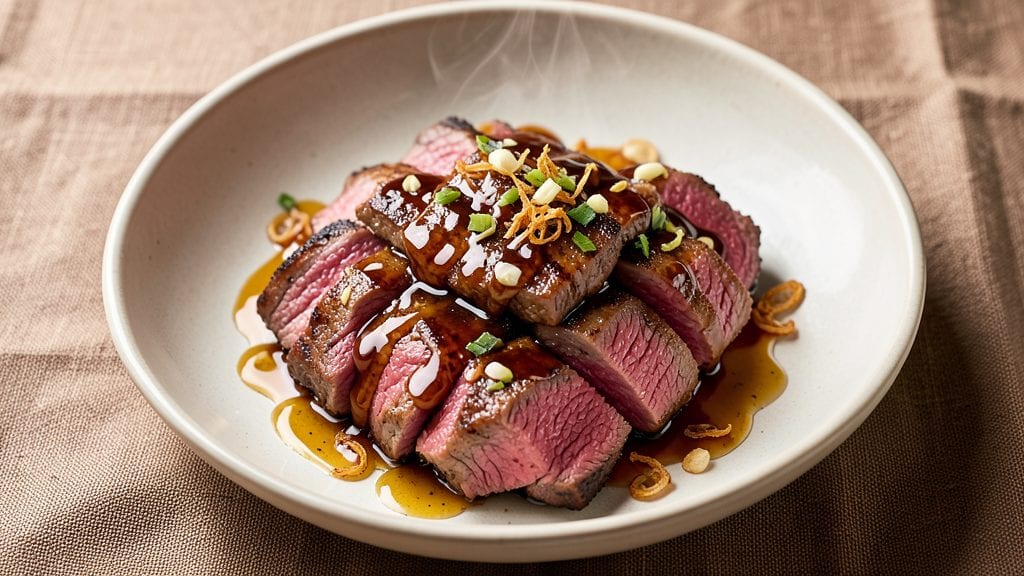
Mastering beef slices recipe that deliver crispy-sear grilled perfection with juicy centers transforms simple cuts into restaurant-quality bites. The secret lies in precise temperature control and marinating techniques that tenderize without sacrificing flavor—something I perfected after years of trial and error.
This method works equally well for quick weeknight dinners or impressive entertaining, proving versatility without compromise.
What sets this recipe apart is the balance between high-heat searing and controlled cooking times to lock in moisture while developing that signature crust. Whether you're stir-frying for Asian-inspired dishes or grilling for classic sandwiches, the same principles apply—just adjust your approach.
The result? Beef slices that stay tender yet develop that coveted caramelized exterior, making every bite satisfyingly crisp yet succulent.
By following these professional techniques, you'll achieve beef that's perfectly sliced for sandwiches, stir-fries, or salads—each piece maintaining its structural integrity while delivering maximum flavor. The marinade infuses depth while the cooking method ensures that crispy exterior you crave without drying out the centers.
This is the kind of beef preparation that elevates ordinary meals into memorable experiences.
The beauty of this recipe lies in its adaptability—use it for quick weeknight suppers or as a centerpiece for dinner parties. Pair with complementary sides like roasted vegetables or fresh salads to complete the meal.
Once you try this method, you'll never settle for anything less than perfect beef slices again.
Ingredients for beef slices
Precision-cut beef and a balanced marinade create restaurant-quality slices with crispy sears and juicy centers.
| Ingredient | Amount | Notes |
|---|---|---|
| Top Sirloin Steak 🥩 | 1 ½ lb | Center-cut, evenly sliced against grain |
| Extra-Virgin Olive Oil 🫒 | ¼ cup | High smoke point, fruity variety |
| Soy Sauce 🥢 | ¼ cup | Low-sodium preferred, Japanese style |
| Honey 🍯 | 2 tbsp | Wildflower or clover preferred |
| Garlic Cloves 🧄 | 6 cloves | Freshly minced, skin-on preferred |
| Fresh Ginger 🌿 | 2 tbsp | Finely grated, organic preferred |
| Sesame Oil 🫒 | 1 tbsp | Toasted, for finishing |
| Diamond Crystal Kosher Salt 🧂 | 1 ½ tsp | Fine grain, for seasoning |
| Freshly Ground Black Pepper 🌶️ | 1 tsp | Cracked peppercorns preferred |
| Cornstarch 🌾 | 2 tbsp | For tenderizing, food-grade |
| Sesame Seeds 🌰 | 1 tbsp | Toasted, for garnish |
| Green Onions 🧅 | 3 whole | Thinly sliced, white and green parts |
| Red Bell Pepper 🌶️ | 1 whole | Thinly sliced, for serving |
| Lime Wedges 🍋 | 2 whole | Freshly squeezed, for finishing |
The top sirloin steak is non-negotiable for this recipe—its lean yet flavorful profile responds perfectly to the marinade while maintaining structural integrity during high-heat searing. Butcher shops often offer pre-sliced cuts, but if purchasing whole, request center-cut slices (¼-inch thickness) to minimize connective tissue. For optimal results, source from USDA Choice or Prime graded beef, available at specialty markets like D'Artagnan or high-end grocery chains such as Whole Foods. The grain direction matters: slice against the grain for maximum tenderness—this is where professional butchers excel. If working with frozen beef, thaw in the refrigerator overnight for even cooking.
Substitutions must prioritize tenderness and fat content. Flat iron steak works as a secondary choice, though it yields slightly more connective tissue. For the marinade, low-sodium soy sauce is critical—high-sodium versions can overpower the delicate balance. No honey? Maple syrup serves as a 1:1 substitute, though the flavor profile shifts subtly. Fresh ginger can be swapped for 1 tbsp ground ginger, but the texture differs. The cornstarch acts as a meat tenderizer; in a pinch, arrowroot powder functions identically. For serving, Thai basil or cilantro can replace green onions, though the aromatic profile changes. Always toast sesame seeds in a dry pan for 30 seconds to enhance their nutty depth—this step is non-negotiable for authentic flavor.
Marinated beef slices maintain peak quality for 24 hours when refrigerated in an airtight container, though flavor intensifies after 6 hours. For long-term storage, freeze portions for up to 3 months—thaw overnight in the refrigerator before reheating. The marinade itself keeps for 1 week in the fridge, though the ginger and garlic should be added fresh if storing beyond 3 days. When reheating, use a non-stick skillet over medium-low heat to prevent moisture loss. Garnishes like sesame seeds and lime wedges should be added post-cooking to preserve their vibrant qualities. For meal prep, portion slices into individual servings and store separately from sauces to maintain texture.
Why You'll Love This Recipe
- No-Chop Shortcut: I swear by this trick—just slice the sirloin thinly against the grain (or ask the butcher to do it for you), and you’re halfway done. No dicing, no mincing, no fuss. The honey-soy glaze sticks to those perfect slices like magic.
- Sweet-Savory Magic: That honey cutting through the soy sauce? It’s the kind of balance that makes you close your eyes. The garlic cloves, lightly charred in the olive oil, add this deep, toasty note that turns a simple steak into something special—no fancy seasoning required.
- Weeknight to Party: Make a big batch on Sunday, and you’ve got lunch for the week, a quick dinner, or even a crowd-pleasing appetizer. Serve it cold in wraps for a picnic, warm over rice for a busy night, or skewer it for a last-minute BBQ. It’s that adaptable.
- Budget Power Move: Top sirloin is leaner than ribeye but packs just as much flavor when you treat it right. A single pan, a handful of ingredients, and you’ve got a protein-packed meal that won’t break the bank. Leftovers? Even better—toss them in a stir-fry or salad the next day.
Step-by-step instructions for perfectly crispy-sear beef slices
Master the balance between sear and tenderness with this method designed for restaurant-quality results.
Prepare the Marinade and Tenderize the Steak
In a medium bowl, combine the 0.25 cup extra-virgin olive oil, 0.25 cup soy sauce, 2 tbsp honey, 6 cloves minced garlic cloves, 2 tbsp finely grated fresh ginger, 1.5 tsp diamond crystal kosher salt, and 1 tsp freshly ground black pepper. Whisk vigorously until the honey and soy sauce fully emulsify, creating a glossy, cohesive marinade.
Place the 1.5 lb center-cut top sirloin steak on a clean cutting board. Using a sharp boning knife, slice the steak against the grain into ¼-inch thick slices, working carefully to maintain even thickness. Transfer the sliced steak to a resealable plastic bag and pour the marinade over. Seal the bag, remove as much air as possible, and massage the marinade into every slice. Refrigerate for at least 4 hours, preferably overnight, allowing the acidity in the soy sauce and the enzymes in the ginger to break down muscle fibers for maximum tenderness.
Create the Cornstarch Slurry and Prep Garnishes
In a small bowl, whisk together the 2 tbsp cornstarch with 1 tablespoon cold water until completely dissolved. This slurry will create a light, crispy crust when applied to the beef slices. Set aside at room temperature.
While the steak marinates, prepare the garnishes. Thinly slice the 3 whole green onions, separating the white and green parts. Thinly slice the 1 whole red bell pepper into ¼-inch strips. Squeeze the juice from the 2 whole lime wedges into a small bowl and set aside. Toast the 1 tbsp sesame seeds in a dry skillet over medium heat for 1-2 minutes, stirring constantly, until fragrant and golden. Transfer to a small plate to cool.
Sear the Beef Slices to Crispy Perfection
Heat a large cast-iron skillet over high heat until smoking hot. Add 1 tablespoon sesame oil and swirl to coat the bottom evenly. Working in batches to avoid overcrowding, remove the beef slices from the marinade (reserve the marinade) and pat them dry with paper towels. This step is critical—excess moisture prevents proper searing.
Add the beef slices to the skillet in a single layer, leaving space between each piece. Let them sear undisturbed for 1 minute until the bottoms develop a deep golden-brown crust. Flip carefully and sear the other side for another 1 minute. Transfer the seared slices to a plate and tent loosely with aluminum foil to keep warm.
Finish with the Slurry and Sauce
Return the skillet to high heat and add the reserved marinade, scraping up any browned bits from the bottom with a wooden spoon. Bring to a gentle simmer and let it reduce by half, which should take about 2-3 minutes. Stir in the cornstarch slurry and cook for an additional 1 minute until the sauce thickens slightly and coats the back of a spoon.
Return the seared beef slices to the skillet, spooning the sauce generously over each piece. Let everything heat through for 30 seconds, then transfer the beef slices to a serving platter. Drizzle the remaining sauce evenly over the top and garnish with the toasted sesame seeds, thinly sliced green onions, red bell pepper strips, and a squeeze of lime juice.
Pro Tips For Making Beef Slices
- Sear First, Simmer Second: Hit your top sirloin with a screaming-hot pan for 30-45 seconds per side before adding any sauce—this locks in juices and builds flavor. I used to rush the sear, and the slices always ended up dry or tasting like they were swimming in sauce. High heat. Seriously, crank it up.
- Minced Garlic, Not Sliced: Finely chop or mince your garlic instead of slicing it—this way, it blends into the sauce instead of sitting as chunks. I was skeptical until I tried it; the flavor disperses evenly, and you don’t get that one chewy piece ruining every bite.
- Don’t Drown the Honey: Add honey after the beef has seared and soy sauce is reduced by half—otherwise, it burns instantly and turns bitter. I learned this the hard way when my first batch tasted like charred caramel instead of sweet-savory. A splash of water first helps too.
- Rest Before Slicing: Let the beef rest under foil for 5 minutes after cooking—yes, even if you’re impatient like me. Slicing too soon turns your tender strips into sad, stringy scraps. Trust the process; your future self will thank you.
Essential equipment for beef slices
Cast-Iron Skillet
Your large cast-iron skillet is non-negotiable for achieving that perfect crispy sear. I recommend a 12-inch Lodge Pre-Seasoned Skillet—its thick base retains heat evenly while its pre-seasoned surface prevents sticking.
If you don’t own cast iron, a high-quality stainless steel skillet like All-Clad Stainless works too, though you’ll need to oil it generously to prevent sticking. For weeknight convenience, a non-stick skillet (like GreenPan Ceramic) can work, but avoid overcrowding the pan to maintain crispiness. 🔥
High-Heat Thermometer
A laser infrared thermometer (like the Thermoworks IR10) is my secret weapon for monitoring your skillet’s temperature. Aim for 450-500°F before adding the beef slices—this ensures that perfect golden-brown crust without burning.
If you don’t have one, perform the water test: flick a drop of water onto the skillet; if it sizzles and evaporates instantly, it’s ready. For budget options, the Kizen Digital Instant-Read Thermometer offers precise readings without the laser feature.
Sharp Boning Knife
Slicing beef against the grain requires a sharp boning knife—I use a Wüsthof Classic 7-inch for its precision and durability. A dull knife will tear the fibers, ruining the tenderness you’ve worked so hard to achieve.
If you’re new to boning knives, a Victorinox Fibrox is a great mid-range alternative. For safety, always cut on a stable cutting board (like John Boos End Grain Maple) and keep your fingers curled under to avoid slips.
A knife sharpener (like Work Sharp Whetstone) should be part of your prep routine—sharpen before slicing to ensure clean cuts every time. ✨
Marinating Bag
Use a resealable plastic bag (like Ziploc Gallon Freezer Bags) to maximize marinade contact with the beef slices. Remove as much air as possible to prevent oxidation and ensure even flavor absorption.
For a more eco-friendly option, try silicone marinating bags (like Stasher Bags), which are reusable and BPA-free. If you’re marinating for more than 4 hours, place the bag in a glass baking dish to catch any leaks—this is especially useful for overnight marinating in the fridge.
Tongs for Flipping
Stainless steel tongs (like OXO Good Grips) are essential for flipping the beef slices without crushing them. Their long handles keep your fingers safe from the high heat, and their serrated edges grip the slices securely. Avoid metal spatulas, which can tear the delicate sear. For extra precision, I keep a pair of tweezers (like KitchenCraft Stainless Steel Tweezers) nearby to adjust garnishes like sesame seeds and green onions after cooking. 💡
Measuring Tools
Precision matters when balancing flavors, so invest in high-quality measuring tools. A stainless steel measuring cup set (like OXO Good Grips) ensures accurate liquid measurements, while a digital kitchen scale (like Escali Primo) is ideal for weighing ingredients like cornstarch or honey.
For spices, a spice grinder (like Spice Genie) keeps your garlic and ginger finely minced and fresh. A microplane (like Barcadi) is perfect for grating ginger quickly and evenly—this makes all the difference in flavor infusion. 💫
Nutrition facts
Frequently asked questions
What's the best cut of beef for these slices?
Use center-cut top sirloin steak for the perfect balance of tenderness and flavor. The lean yet flavorful profile responds beautifully to marinating and high-heat searing. Avoid tougher cuts like flank steak unless you're willing to marinate for 24 hours or longer.
Can I use this recipe for sandwiches or stir-fries?
These beef slices work perfectly for both. For sandwiches, grill them slightly thicker (½-inch slices) and serve on crusty bread with your favorite toppings. For stir-fries, keep them ¼-inch thick and cook them quickly over high heat to maintain tenderness. The marinade adds great flavor to both applications.
How do I prevent the beef from drying out?
Pat the slices very dry before searing to ensure a good crust, but don't overcook them. Sear for only 1 minute per side and avoid high heat after the initial sear. The cornstarch slurry helps create a protective crust that locks in moisture. Also, let the beef rest for 5 minutes after cooking before slicing.
What if I don't have cornstarch?
Use arrowroot powder as a 1:1 substitute—it works identically. In a pinch, you can omit it entirely, though you'll lose that extra crispy texture. The marinade alone will still provide great flavor, but the slices may be slightly less tender. For maximum tenderness, consider using 1 tbsp baking powder mixed with 1 tbsp water as an alternative.
How far ahead can I marinate the beef?
Marinate for at least 4 hours, but no more than 24 hours to prevent over-tenderizing. For best results, marinate overnight. If storing longer than 8 hours, keep the beef in the refrigerator and avoid marinating in direct sunlight, which can degrade the quality.