
Main Courses
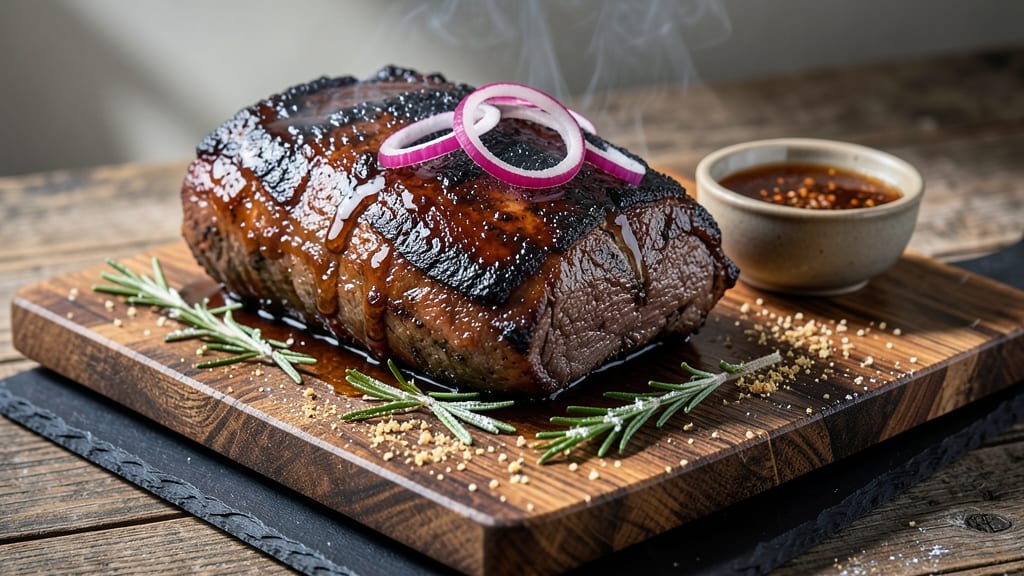
This beef shoulder smoked recipe transforms tough cuts into melt-in-your-mouth perfection through the magic of low-and-slow smoking. 🔥 The day I realized French technique could elevate my rubs changed everything—now I blend that precision with the soul of pitmaster smoking.
What starts as a simple brine and spice rub becomes a deeply flavorful, tender masterpiece that falls apart at the touch of a fork.
The secret lies in patience and control: maintaining 225°F for 10-12 hours while hickory or oak smoke infuses the meat with rich, aromatic depth. No fancy equipment needed—just a reliable smoker, quality wood, and time.
The result? Juicy, smoky beef shoulder with a bark so flavorful it makes every bite unforgettable. This is the kind of dish that turns a simple dinner into a centerpiece.
By the time you pull it from the smoker, the meat will be so tender it nearly shreds with a fork, coated in a glossy sheen from the apple cider vinegar brine.
The spices—garlic, paprika, and black pepper—create layers of warmth that pair perfectly with classic sides like creamy mashed potatoes or tangy coleslaw. This is comfort food at its finest, built on technique and tradition.
Whether you're feeding a crowd or treating yourself to a weekend project, this recipe delivers restaurant-quality results without the fuss. Let's get started—your smoker is about to become your new favorite kitchen tool.
Ingredients for beef shoulder smoked
Six pounds of beef shoulder, a handful of spices, and time—this is all you need for smoky perfection.
| Ingredient | Amount | Notes |
|---|---|---|
| Beef Shoulder (Boston Butt) 🥩 | 6 lb | Bone-in, well-marbled cut |
| Apple Cider Vinegar 🍏 | 1 cup | For brining, raw and unfiltered |
| Kosher Salt 🧂 | ½ cup | Non-iodized, coarse grain |
| Brown Sugar 🍚 | ¼ cup | Light or dark, packed |
| Garlic Powder 🧄 | 2 tbsp | Freshly ground preferred |
| Smoked Paprika 🌶️ | 2 tbsp | High-quality, not sweet |
| Ground Black Pepper 🌶️ | 1 tbsp | Freshly cracked preferred |
| Onion Powder 🧅 | 1 tbsp | Freshly ground preferred |
| Mustard Powder 🍯 | 1 tsp | Yellow or Dijon |
| Ground Cumin 🌿 | 1 tsp | Toasted for depth |
| Hickory Wood Chips 🌳 | 2 lb | Unsoaked, quality brand |
| Oak Wood Chips 🌳 | 1 lb | Unsoaked, for balance |
| Butter 🧈 | ½ cup | Unsalted, cold for basting |
| Fresh Rosemary 🌿 | ¼ cup | Chopped, stems removed |
| Fresh Thyme 🌿 | ¼ cup | Leaves only, chopped |
The beef shoulder is your star, so pick a well-marbled cut from a trusted butcher or grocery store meat department. I always ask for the Boston butt—it's got that perfect balance of fat and meat. Costco or Whole Foods are great spots for quality cuts, but any reputable grocery store will have it. If you're buying a whole shoulder, look for vibrant color and good marbling—those white flecks of fat are what make it tender. The wood chips? Traeger or Cookshack brands are solid, but any unsoaked chips will work. Just avoid the pre-soaked ones—they lose flavor fast.
No smoked paprika? Sweet paprika plus a pinch of liquid smoke gets you close, but it won't be the same. Fresh herbs? Dried rosemary and thyme at one-third the amount work in a pinch, but fresh is worth it if you've got it. Short on brown sugar? Honey or maple syrup adds moisture but changes the flavor slightly. The wood chips can be swapped—mesquite for boldness or cherry for sweetness. Just remember, oak and hickory are the classic pair for beef. And if you're using a smoker with a water pan, skip the extra apple cider vinegar in the brine—you don't want to dilute the flavor.
This meat is best made ahead—3-4 days in the fridge before smoking gives the brine time to work its magic. The wood chips? Store them in an airtight container in the freezer to keep them fresh. Once smoked, the beef shoulder keeps for 5-6 days in the fridge, or you can freeze it for up to 6 months. I always portion it into containers so I can pull out exactly what I need for meals. The bark? That's the good stuff—save some for sandwiches or tacos. It's worth every minute of wait time.
Why You'll Love This Recipe
- Flavor Bomb Combo: That tangy vinegar cuts through the richness of the beef shoulder like a knife, while the brown sugar caramelizes into a glossy crust. Honestly, the first bite makes me close my eyes—it’s that good.
- Leftovers That Shine: Smoked beef shoulder? It’s basically a flavor upgrade for tacos, sandwiches, or even fried rice. I’ll be real: my freezer is packed with vacuum-sealed portions because it’s the ultimate lazy-day savior.
- Budget Beef Powerhouse: A single Boston butt feeds my family for days—think pulled pork sandwiches, stews, or even breakfast hash. Between us, it’s the most cost-effective way to keep everyone full without breaking the bank.
Step-by-step instructions for smoked beef shoulder
Here's the foolproof method for tender, fall-apart smoked beef shoulder with perfect bark.
🔥 Step 1: Prepare the Brine for Maximum Flavor
In a large container or zip-top bag, combine the 6 lb beef shoulder (Boston Butt), 1 cup apple cider vinegar, and 0.5 cup kosher salt. Massage the salt mixture into all surfaces of the meat, working it into crevices and fat pockets. The vinegar helps tenderize while the salt draws out moisture for better bark formation.
Refrigerate the beef shoulder for 12-24 hours, turning it occasionally. This step is critical—it ensures even seasoning and prevents the bark from becoming too tough. After brining, rinse the meat thoroughly under cold water and pat it completely dry with paper towels. The drier the surface, the better the bark will develop during smoking.
👨🍳 Step 2: Create the Dry Rub and Prep the Smoker
In a bowl, mix together 0.25 cup brown sugar, 2 tbsp garlic powder, 2 tbsp smoked paprika, 1 tbsp ground black pepper, 1 tbsp onion powder, 1 tsp mustard powder, and 1 tsp ground cumin. This blend delivers sweet, smoky, and slightly tangy flavors that pair perfectly with the beef.
Generously coat the dried beef shoulder with the rub, pressing it into the meat so it adheres well. For the smoker, combine 2 lb hickory wood chips and 1 lb oak wood chips in the smoker box. Preheat your smoker to 225°F—this low-and-slow temperature is key for tenderizing the tough connective tissues. Let the smoker run for 15-20 minutes until you see clean, blue smoke with no white steam.
🔥 Step 3: Smoke the Shoulder Low and Slow
Place the rubbed beef shoulder fat-side up on the smoker grate. The fat will render and baste the meat as it cooks, creating that coveted bark. Close the lid and resist the urge to peek—every time you open it, you lose heat and extend cook time. Smoke the beef shoulder for 8-10 hours until the internal temperature reaches 165-170°F.
Here's where the magic happens: the "stall" occurs around 160°F, where the meat's moisture evaporates and the temperature plateaus. Don't panic—this is normal. If the stall lasts too long (more than 2 hours), wrap the beef shoulder tightly in butcher paper (not foil) to push through it while preserving the bark. Return it to the smoker and continue cooking until the internal temperature hits 203°F and the meat is fork-tender.
⏰ Step 4: Rest and Baste for Juicy Perfection
Remove the beef shoulder from the smoker and transfer it to a cutting board. Tent it loosely with foil and let it rest for 1-2 hours. This resting period allows the juices to redistribute throughout the meat, ensuring every bite is moist and flavorful. While it rests, melt 0.5 cup butter in a small saucepan over low heat, then stir in 0.25 cup fresh rosemary and 0.25 cup fresh thyme. Simmer for 2 minutes to infuse the butter with herb flavors.
After resting, use a sharp carving knife to slice the beef shoulder against the grain into ¼-inch thick slices. Baste each slice generously with the herb-infused butter before serving. The result should be tender, juicy meat with a dark, flavorful bark and a fragrant herb finish. Serve with your favorite sides and enjoy the fruits of your low-and-slow labor!
Pro Tips For Making Beef Shoulder Smoked
- Trim the Fat Cap: That thick layer of fat on the Boston butt isn’t just for looks—it renders down into flavor gold. Use a sharp knife to trim it to about ¼-inch thick before smoking. Too much fat? It’ll burn before the meat hits 165°F, leaving you with bitter smoke instead of juicy perfection. I learned this after watching my first batch turn into a smoky charcuterie fail.
- Salt the Night Before: Dry-brining the beef shoulder overnight (with 1.5 tsp kosher salt per pound) does more than just season—it breaks down proteins for tender, juicy meat. Wrap it in plastic and stick it in the fridge; the salt will pull out moisture, then reabsorb it during cooking. Skipping this? You’ll end up with a chewy, flavorless brick.
- Spritz with Vinegar: Every 90 minutes of smoking, hit the shoulder with a mix of equal parts apple cider vinegar and water. The acid tenderizes the meat and keeps the bark from drying out. I used to forget, and my bark would crack like brittle leather—now it stays sticky and dark. No spritz? Your rub’s flavors will stay trapped under a hard crust.
- Wrap at 170°F: Don’t rush to wrap the shoulder in foil—wait until the internal temp hits 170°F. This ensures the bark sets properly before the steam phase. Wrap too early, and you’ll trap moisture, turning your crispy crust into sad, soggy skin. My first attempt at wrapping at 150°F gave me a sad, damp mess. Patience here makes all the difference.
Make-ahead tips for this recipe
Prep Ahead Strategy
Start your beef shoulder 3-4 days before smoking to maximize flavor infusion. I always brine mine in the fridge, then store it in a sealed container with the rub mixed in. This gives the spices time to penetrate deeply, creating a flavor bomb that’s worth the wait.
The key is keeping it cold—never let the meat sit at room temperature longer than 2 hours before or after brining. 💪
Smoker Prep Night Before
Set up your smoker the night before to save time. I load the wood chips, preheat to 225°F, and let it run for 30 minutes to clear any manufacturing smoke. Then I shut it down and let it cool.
The next morning, just relight it—this ensures a clean smoke ring right from the start. Pro tip: Store your wood chips in an airtight container in the freezer to keep them fresh.
Portioning for Leftovers
After smoking, portion the beef into quart-sized freezer bags while it’s still warm. I slice it into 1-inch cubes for tacos or sandwiches, and save some whole for pulled pork applications.
Label each bag with the date—this smoked beef stays good in the freezer for up to 6 months without losing quality. The bark holds up surprisingly well when reheated gently.
Reheating Perfection
For fridge leftovers, reheat in a 350°F oven with ¼ cup beef broth until reaching 165°F internal temperature. I use a meat thermometer to check—this prevents drying out. For freezer-to-table meals, thaw overnight in the fridge, then reheat using the same method.
The bark stays crispy, and the meat remains tender. Never microwave—it turns the bark soggy and ruins the texture. 🔥
Sauce Prep Shortcut
Make your herb butter sauce ahead of time and store it in a small jar in the fridge. The flavors meld beautifully overnight, and you can just reheat it in the microwave for 20 seconds before basting.
I also prep extra sauce for sandwiches or topping roasted potatoes. This saves time on serving day and ensures every bite has that rich, herby finish.
Freezer-Friendly Bark
If you want to preserve that perfect bark for sandwiches or tacos, slice the beef thinly against the grain and freeze it on a baking sheet before transferring to bags. This prevents the slices from sticking together.
When ready to use, reheat in a skillet over medium heat for 2-3 minutes per side. The bark stays crispy, and the meat remains juicy—just like fresh from the smoker. 💫
Nutrition facts
Frequently asked questions
Can I use a different wood type for smoking?
While hickory and oak are classic choices, try mesquite for bold, earthy notes or cherry for a sweeter profile. Just avoid fruit woods like apple or pecan—they can overpower the beef's natural flavor. For a balanced smoke, mix 2 parts hickory to 1 part oak as the base recipe suggests.
How do I know when the beef shoulder is done?
Use a meat thermometer to check the internal temperature—203°F is your target for pull-apart tenderness. The "probe test" works too: insert a fork into the thickest part. If it slides in effortlessly, it's ready. Never rely on time alone, as cook duration varies by smoker and weather conditions.
What's the best way to store leftovers?
Portion cooled beef into airtight containers and refrigerate for up to 5 days, or freeze for 6 months. For reheating, use a 350°F oven with ¼ cup beef broth to maintain moisture. Never microwave—it ruins the bark's texture. The bark stays crispy when reheated gently in the oven.
Can I skip the brining step?
While possible, brining is crucial for moisture and flavor. Without it, the bark may become too tough, and the meat could dry out. If short on time, at least dry-brine the shoulder with 0.25 cup salt for 12 hours before smoking. The salt still helps tenderize, though not as effectively as the vinegar brine.
What's the ideal temperature for smoking?
Maintain a steady 225°F throughout the cook. This low-and-slow approach breaks down collagen for tenderness. If your smoker fluctuates, use a water pan to stabilize heat. Avoid cranking up the temp—it creates a tough exterior before the center cooks through. Patience is key for perfect results.