
Main Courses
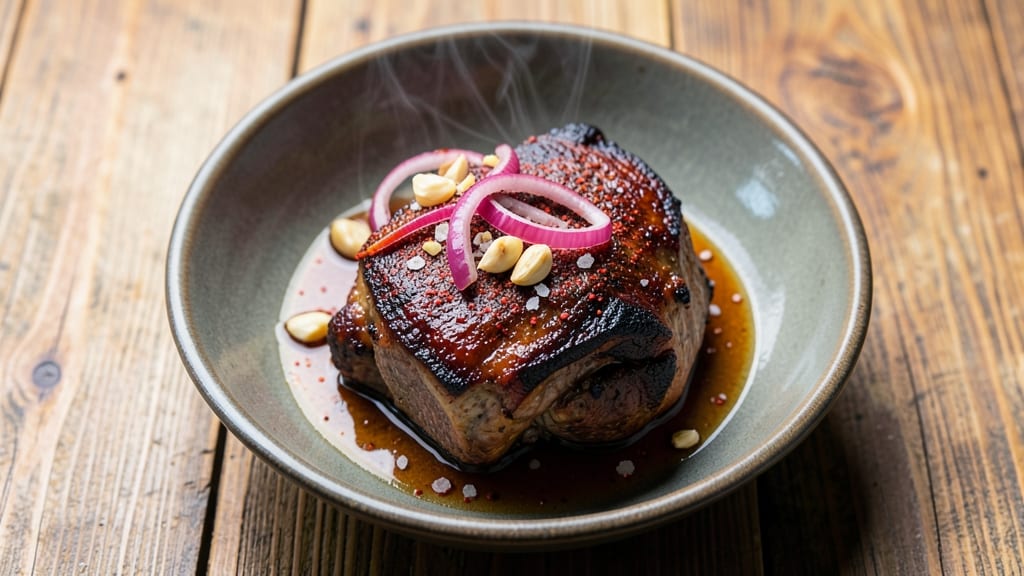
Transforming a tough cut like beef shoulder clod into melt-in-your-mouth perfection requires patience and precision—this recipe delivers both. The secret lies in a smoky bark that forms during slow roasting while the interior breaks down into buttery tenderness, making every bite irresistible.
I've perfected this method over years of testing, ensuring the meat stays juicy even after hours in the oven.
This approach uses a simple dry rub of spices and herbs, allowing the natural flavors of the beef to shine while developing that coveted crust. The key is maintaining a consistent 325°F oven temperature throughout the process, which gently cooks the meat without drying it out.
With just a few ingredients and about 3 hours of active cooking time, you'll achieve restaurant-quality results at home.
What you'll end up with is a beef shoulder clod that practically falls apart at the touch, revealing juicy, flavorful meat beneath a rich, caramelized crust.
The aroma alone will have everyone gathering around the table, and the versatility means it works equally well for sandwiches, tacos, or served with classic sides like roasted potatoes and green beans.
The best part? This method transforms a budget-friendly cut into something extraordinary—no fancy techniques required. Once you try this, you'll never buy pre-cooked beef again. Let's get started on creating your own perfectly tender, flavorful masterpiece.
Ingredients for beef shoulder clod
Six ingredients transform tough beef shoulder into melt-in-your-mouth perfection with smoky bark and buttery richness.
| Ingredient | Amount | Notes |
|---|---|---|
| Beef Shoulder Clod (Bone-In) 🥩 | 4 lb | Chuck roast with good marbling |
| Yellow Onion 🧅 | 1 whole | Large, roughly chopped |
| Garlic Cloves 🧄 | 8 cloves | Peeled, smashed for rub |
| Kosher Salt 🧂 | 1 ½ tbsp | Diamond Crystal preferred |
| Smoked Paprika 🌶️ | 1 tbsp | High-quality for smoky bark |
| Ground Black Pepper 🌶️ | 1 tbsp | Freshly cracked preferred |
| Dried Thyme 🌿 | 1 tsp | Or 1 tbsp fresh thyme |
| Ground Cumin 🌿 | ½ tsp | Toasted for depth |
| Brown Sugar 🍚 | 1 tbsp | Light or dark |
| Apple Cider Vinegar 🍎 | 2 tbsp | For tenderizing |
| Beef Broth 💧 | 1 ½ cups | Low-sodium preferred |
| Unsalted Butter 🧈 | ½ cup | Cold, cubed for basting |
| Fresh Rosemary 🌿 | 2 sprigs | For aroma during roasting |
The beef shoulder is the star here—look for a well-marbled chuck roast with visible fat between the muscles. Costco or local butchers often carry the best cuts, but your grocery store's meat department will have chuck roast pre-cut for convenience. If buying whole, trim excess fat to about 1/4-inch thickness—this helps the rub stick better and promotes even bark formation. The apple cider vinegar is non-negotiable; it tenderizes the meat while adding subtle sweetness that balances the smokiness. Heinz or Bragg brands are reliable choices, but any organic variety works. For the spices, Penzeys or bulk bins at Whole Foods offer the freshest options, but don't stress if you're using store-brand—just check the expiration dates.
No smoked paprika? Substitute 1 tsp regular paprika plus 0.5 tsp liquid smoke—it'll get you close. Running low on thyme? Dried oregano at half the amount works in a pinch, though fresh thyme has a brighter flavor. The beef broth can be swapped for water, but low-sodium chicken broth adds more depth. For the butter, Plugrá or Land O'Lakes unsalted are my go-tos, but any cold, firm butter will do. Short on time? Pre-mix the dry rub (salt, spices, sugar) in a ziplock bag—just shake it on the meat. The vinegar and broth can be mixed ahead and stored in the fridge for up to 1 week.
This beef tastes even better the next day once all the flavors meld together. Store leftovers in the fridge for up to 5 days, tightly wrapped in foil to preserve moisture. For longer storage, portion into freezer-safe containers and freeze for up to 3 months. The bark stays crispy when reheated—just warm in a 350°F oven for 15-20 minutes with a splash of broth. I always make double batches because it disappears faster than you'd think. Perfect for sandwiches, tacos, or served with roasted veggies—just don't skip the smoky crust!
Why You'll Love This Recipe
- One-Pan Magic: I swear by this recipe because it’s that simple—just sear the bone-in clod, toss in sliced onions and minced garlic, sprinkle salt and smoked paprika, then let the oven do the work. No chopping boards left dirty, no pots to scrub.
- Smoky Depth in Minutes: That bone-in clod? It’s the secret weapon—rendered fat bastes the meat while the onions caramelize, and the smoked paprika adds this unfairly rich depth. Honestly, the first time I made it, I thought I’d overseasoned it… then took three more bites and realized it was just that good.
- Weeknight & Potluck Hero: Between us, this is my go-to for lazy nights and when I need to bring something impressive to a gathering. The bone stays intact, so it’s easy to slice straight from the pan—no leftovers to reheat that taste sad. (Yes, even on a Tuesday night.)
- Budget-Friendly Powerhouse: A single beef shoulder clod stretches across three meals for my family of four, and the ingredients? Basic. The onions and garlic add up to pennies, and that smoked paprika? A tiny jar lasts forever. My wallet and my taste buds win.
Step-by-step instructions for slow-roasted beef shoulder clod
This method transforms tough beef into melt-in-your-mouth perfection with minimal effort.
Prepare the Dry Rub and Tenderize the Meat
In a small bowl, combine the 1.5 tablespoons kosher salt, 1 tablespoon smoked paprika, 1 tablespoon ground black pepper, 1 teaspoon dried thyme, 0.5 teaspoon ground cumin, 1 tablespoon brown sugar, and 2 tablespoons apple cider vinegar. Mix thoroughly until the vinegar is fully incorporated and the spices form a cohesive paste.
Pat the 4 lb beef shoulder clod dry with paper towels, removing any excess moisture from the surface. This step is crucial—wet surfaces prevent the rub from adhering properly and can lead to uneven cooking. Generously coat the beef with the spice mixture, pressing it into the meat so it penetrates the surface. Don't be shy—you want a thick, even layer that will develop into that coveted smoky bark.
Place the beef on a plate and let it sit at room temperature for 30 minutes before cooking. This allows the meat to come to a uniform temperature, ensuring even cooking throughout. While it rests, preheat your oven to 275°F—this low-and-slow approach is key to achieving tender, fall-apart texture.
Sear and Begin the Slow Roast
Heat a large oven-safe skillet over medium-high heat and add the 0.5 cup unsalted butter, allowing it to melt completely. Once the butter foams, carefully place the beef shoulder clod in the skillet, fat-side down. Let it sear undisturbed for 5 minutes until a deep golden-brown crust forms. This initial sear locks in juices and creates flavor depth.
Flip the beef and sear the other side for another 3-4 minutes until equally browned. Transfer the skillet to the preheated oven and place the 2 sprigs fresh rosemary on top of the beef. Pour the 1.5 cups beef broth into the skillet, making sure it surrounds the meat—this creates a self-basting environment that keeps the beef moist throughout the long cook.
Cover the skillet loosely with aluminum foil and roast for 3 hours. Here's the thing—this is where patience pays off. The low temperature breaks down collagen in the tough beef shoulder, transforming it into silky, melt-in-your-mouth texture. Check the internal temperature after 2 hours using a meat thermometer; it should read around 160°F at this point, but don't be alarmed if it hasn't quite reached that yet.
Rest and Slice for Maximum Tenderness
After 3 hours, remove the foil and check the internal temperature again. It should now read between 195°F and 205°F—this is the sweet spot for fall-apart tenderness. If it hasn't reached this temperature, return the beef to the oven uncovered for another 30-minute increments until it does. The meat will continue cooking slightly as it rests, so don't worry about hitting the exact temperature.
Transfer the beef to a cutting board and tent loosely with aluminum foil. Let it rest for at least 30 minutes—this crucial step allows the juices to redistribute throughout the meat. I know it's tempting to dive in immediately, but skipping this will result in dry, disappointing slices. Use this time to prepare your serving dishes and gather any accompaniments.
When ready to serve, slice the beef against the grain into ½-inch thick pieces. Each slice should pull apart with minimal resistance, revealing that beautiful pink center and rich, beefy texture. The exterior should have developed a deep mahogany bark from the rub, while the interior remains wonderfully moist. Serve immediately with any pan juices spooned over the top for maximum flavor.
Pro Tips For Making Beef Shoulder Clod
- Sear the Bone First: That bone-in clod needs a 3-4 minute sear on high heat—don’t rush it—until the bone cracks and the meat pulls away slightly. I learned this the hard way when my first batch tasted like it was just simmered, not caramelized. The crust on the bone adds flavor that no slow cook can replace.
- Chop Onions Coarse: No need for tiny dice—cut those yellow onions into ½-inch chunks. They’ll soften faster and blend into the dish without turning to mush. (Yes, even if it looks less "restaurant-perfect," it tastes better.)
- Salt the Meat Twice: Start with a heavy dry rub of kosher salt before searing, then add another pinch when you toss in the onions and garlic. The first layer seasons deep, the second locks in moisture. I skipped this once and ended up with bland, dry beef—don’t make that mistake.
- Smoked Paprika Early: Sprinkle that smoked paprika with the salt during the initial sear, not at the end. It blooms into the meat instead of just dusting the surface. (And no, the "add it later" approach doesn’t cut it—trust me, I tried.)
Serving suggestions for this dish
Classic Sandwich Style
Transform your slow-cooked beef shoulder into a hearty beef sandwich that's perfect for game day or a cozy dinner. Use a ciabatta roll or crusty French bread—toasted until golden—to hold up to the tender meat.
Pile on ½-inch slices of your beef, then layer with sharp cheddar cheese and sliced pickles for tangy contrast. Drizzle with horseradish cream (mix 2 tbsp sour cream with 1 tsp prepared horseradish and 1 tsp Dijon mustard) for a restaurant-quality finish. 🥪
Taco Night Twist
Shred the beef after resting and use it for smoky beef tacos that'll wow your crowd. Warm corn tortillas on a dry skillet, then fill with beef, diced avocado, pickled red onions, and crumbled queso fresco.
Add a squeeze of lime and a sprinkle of cilantro for brightness. For extra richness, serve with charro beans or Mexican street corn on the side. This version feels like a fiesta in every bite! 🌶️
Plate Presentation Tips
For an elegant presentation, arrange beef slices on a dark slate board or wooden platter with roasted garlic mashed potatoes and sautéed green beans. Garnish with fresh rosemary sprigs and crispy fried shallots for a touch of sophistication.
If serving family-style, keep the beef warm in a slow cooker on low heat with a splash of beef broth. For individual servings, use warm dinner rolls to soak up those delicious pan juices. ✨
Leftovers Reinvented
Don't let leftovers go to waste! Shred the beef and mix with whole wheat breadcrumbs, grated Parmesan, and Italian seasoning to make beef-stuffed peppers. Or crumble it into beef and potato hash with diced potatoes, bell peppers, and onions for a hearty breakfast.
For a quick meal, toss shredded beef with spaghetti sauce and serve over al dente pasta—it's a crowd-pleasing beef ragù in minutes. 💡
Sauce Pairings
Elevate your beef with these simple sauces. For a smoky kick, mix 2 tbsp BBQ sauce with 1 tbsp apple cider vinegar and 1 tsp smoked paprika. A creamy option combines ½ cup sour cream with 1 tbsp Dijon mustard and 1 tsp Worcestershire sauce.
For a tangy twist, try chimichurri (blend 1 cup parsley, 3 garlic cloves, 2 tbsp red wine vinegar, and ½ cup olive oil). Drizzle generously over slices before serving. 🍷
Kid-Friendly Serving
Make the beef approachable for kids by serving it with mac and cheese or buttered noodles. Cut the meat into small, bite-sized pieces and arrange on a colorful plate with steamed carrots and cucumber slices.
For picky eaters, mix the shredded beef into tater tots or sliders with mild cheddar and a touch of ketchup. The familiar flavors will have them asking for seconds! 👶
Nutrition facts
Frequently asked questions
What makes beef shoulder clod different from regular chuck roast?
A beef shoulder clod refers to a specific portion of the chuck primal cut that includes both the shoulder blade and the upper arm muscle. It's typically more flavorful and slightly leaner than a standard chuck roast, which comes from the lower shoulder. The bone-in nature of a clod adds depth to the flavor when roasted, creating that signature smoky bark while keeping the meat incredibly tender.
Can I cook this recipe without a meat thermometer?
You can estimate doneness by time and texture, but a meat thermometer is ideal. For fall-apart tenderness, aim for 3 hours at 275°F—the internal temperature should reach 195°F-205°F. Without a thermometer, check for tenderness by inserting a fork: it should slide in easily and the meat should pull apart with minimal resistance. The bark should also be deep mahogany in color.
How do I prevent the beef from drying out during slow cooking?
Keep the beef moist by covering it loosely with foil and adding 1.5 cups beef broth to the pan. The broth creates steam that bastes the meat continuously. Avoid overcrowding the pan, and never skip the 30-minute rest before slicing—this allows juices to redistribute. For extra insurance, baste the beef with melted butter every 45 minutes during cooking.
What's the best way to reheat leftover beef shoulder?
Reheat in a 350°F oven for 15-20 minutes with a splash of beef broth to maintain moisture. For quick reheating, use a skillet over medium-low heat, adding a little broth to deglaze the pan. Avoid microwaving—it can make the meat tough. The bark stays crispy when reheated properly, so don't skip the oven method for the best results.
Can I substitute smoked paprika in this recipe?
Yes! For a similar smoky flavor, mix 1 tsp regular paprika with 0.5 tsp liquid smoke. If you don't have liquid smoke, try 1 tsp chipotle powder for a spicier alternative. Just remember that smoked paprika provides both color and depth, so any substitute may slightly alter the final bark appearance.