
Main Courses
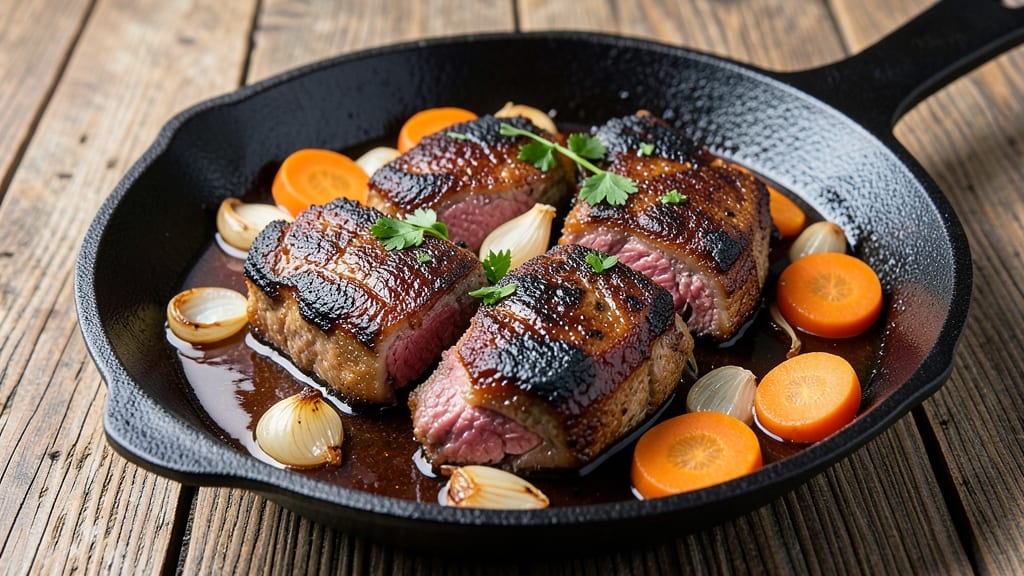
This beef short ribs Guinness recipe transforms tough cuts into melt-in-your-mouth perfection through slow braising and rich stout infusion. The key lies in marinating the ribs overnight, allowing the malty depth of Guinness to penetrate while tenderizing the meat—no shortcuts here.
Professional results require patience, but the reward is a dish with a deep, caramelized crust and silky texture that pairs beautifully with classic sides.
The braising process is where the magic happens, using the stout to create a velvety sauce that clings to every bite. I’ve refined this method over years, balancing traditional techniques with modern adaptations—whether you’re using a Dutch oven or pressure cooker.
The result is a dish that feels indulgent yet maintains a professional restaurant quality at home.
What you’ll achieve is beef so tender it falls apart at the touch, bathed in a glossy Guinness reduction that’s rich, slightly sweet, and packed with umami. The aroma alone will draw everyone to the table, and the first bite delivers that perfect harmony of smoky, malty, and savory flavors.
This is the kind of recipe that elevates weeknight dinners into memorable meals.
Serve with creamy mashed potatoes to soak up the sauce or roasted root vegetables for a well-rounded plate. The braising liquid can also be repurposed into gravy or a quick pan sauce for extra flavor. Here’s how to master it step by step.
Ingredients for beef short ribs guinness
Four pounds of beef, two cups of Guinness, and a slow cooker's patience—this is restaurant-quality braising at home.
| Ingredient | Amount | Notes |
|---|---|---|
| Beef Short Ribs 🥩 | 4 lb | Bone-in, 1-1.5 inches thick |
| Guinness Stout 🍺 | 2 cups | Full-bodied, not light |
| Yellow Onion 🧅 | 1 whole | Chopped, medium size |
| Garlic Cloves 🧄 | 6 cloves | Smashed, not minced |
| Carrots 🥕 | 2 whole | Large, peeled, cut chunks |
| Tomato Paste 🍅 | ½ cup | Squeeze tube preferred |
| Beef Broth 💧 | 2 cups | Low-sodium, homemade or high-quality |
| Dry Red Wine 🍷 | ½ cup | Cabernet Sauvignon or Merlot |
| Thyme 🌿 | 1 tbsp | Fresh, stems removed |
| Bay Leaves 🍃 | 2 whole | Dried, standard size |
| Olive Oil 🫒 | 2 tbsp | Extra-virgin for searing |
| Salt 🧂 | 2 tsp | Kosher or sea salt |
| Black Peppercorns 🌶️ | 1 tsp | Freshly cracked |
| Balsamic Vinegar 🍶 | 1 tbsp | For deglazing |
| Honey 🍯 | 1 tbsp | Light, for balancing |
The ribs are everything here. Look for bone-in short ribs—they stay juicier and add depth to the braise. Most butchers will cut them for you if you ask, but Costco or Whole Foods usually have pre-cut packs. Thickness matters: 1-1.5 inches ensures they stay tender without falling apart. Pat them dry before searing—this helps the crust form. I always buy extra and freeze half; the flavor only gets better after a few days in the fridge. Guinness is non-negotiable—full-bodied stouts like Guinness Foreign Extra or Harp work best. Light beers won’t cut it here.
No Guinness? Substitute with a mix of beef broth and a splash of soy sauce—it mimics the umami depth, though the malty notes will be missing. Running short on red wine? Dry sherry or even more beef broth works in a pinch. Fresh thyme is ideal, but dried at one-third the amount gets you close. The tomato paste can be the squeeze-tube kind—Trader Joe’s has the best no-mess option. For the carrots, baby carrots work, but larger ones stay firmer during braising. The balsamic vinegar might seem like overkill, but it cuts through the richness beautifully when deglazing.
This dish tastes even better the next day—make extra if you can. The braising liquid keeps for 5 days in the fridge and freezes for 3 months. I portion the ribs into containers with some sauce so they’re ready for quick lunches. The sauce thickens as it cools, so add a splash of water or broth when reheating. Store the ribs in the coldest part of your fridge, and keep the sauce separate to prevent sogginess. Leftovers? Repurpose the sauce into a quick gravy or slather it on mashed potatoes—trust me, it’s worth it.
Why You'll Love This Recipe
- One-Pan Magic: I swear by this recipe when I’m too tired to wash extra dishes. The ribs, onions, and carrots all go into the same pot with the Guinness, and by the time the sauce reduces, everything’s caramelized and sticky—no scrubbing required.
- Rich Without Effort: That first sip of the Guinness-infused sauce is where this dish shines. The stout’s bitterness mellows into deep, savory sweetness, while the garlic and onions melt into the meat, creating layers of flavor that feel luxurious but take zero extra work.
- Leftovers That Beg for Seconds: Between us, these ribs taste even better the next day. The meat gets more tender, the sauce thickens into a glossy glaze, and suddenly you’ve got a freezer-friendly meal that turns into a lazy Sunday lunch or a quick workday dinner reheated in minutes.
- Budget-Friendly Feast: Short ribs might sound fancy, but they stretch farther than you’d think. A few pounds of bone-in ribs, a bottle of Guinness, and basic veggies feed four (or five if you’re hungry) without breaking the bank—plus, the leftovers make it a steal for the flavor.
Step-by-step instructions for beef short ribs with Guinness
Here's how to turn tough ribs into melt-in-your-mouth perfection with rich Guinness flavor.
Sear the Ribs Until Deep Brown
Pat the 4 lb beef short ribs completely dry with paper towels—this is non-negotiable for crispy crust. Heat 1 tablespoon of the olive oil in a heavy Dutch oven over medium-high heat until shimmering. Working in batches if needed, add the ribs bone-side down and press down gently with a spatula. Let them sear undisturbed for 5 minutes until deep golden brown crust forms.
Flip the ribs and sear the other side for another 5 minutes. You'll hear that satisfying sizzle—this means the fat is rendering and building flavor. Transfer the seared ribs to a plate and set aside. Repeat with the remaining 1 tablespoon olive oil if needed for all pieces. The goal is caramelized edges that'll melt in your mouth later.
Build the Guinness-Braised Foundation
In the same Dutch oven, add the chopped yellow onion and carrot chunks. Cook over medium heat for 5 minutes until the vegetables begin to soften. Add the smashed garlic cloves and cook for 30 seconds until fragrant—don't let it brown or it'll turn bitter.
Pour in the 0.5 cup tomato paste and stir to coat the vegetables completely. Cook for 2 minutes until the paste darkens slightly. This creates the flavor base for your braise. Then carefully pour in the 2 cups Guinness stout, scraping up any browned bits from the bottom with a wooden spoon. Add the 2 cups beef broth, 0.5 cup dry red wine, 1 tablespoon thyme, and 2 bay leaves.
Simmer Until Fork-Tender
Return the seared ribs to the Dutch oven, bone-side up. Bring the liquid to a gentle simmer over medium heat, then reduce to low. Cover partially with a lid (leave a small gap) and simmer for 2 hours. You'll see the liquid gradually reduce and develop a rich, malty color—this is where all the magic happens.
After 2 hours, check for doneness by inserting a fork into the thickest part of a rib. If it slides in easily with minimal resistance, they're ready. If not, continue simmering uncovered for another 30-60 minutes until tender. The ribs should be falling off the bone when properly cooked. Real talk: This is the moment that matters—don't rush it.
Finish with Balsamic and Honey
Once the ribs are tender, remove them from the pot and set aside. Increase heat to medium and pour in the 1 tablespoon balsamic vinegar and 1 tablespoon honey. Stir and simmer for 2-3 minutes until slightly thickened. This final touch balances the richness with bright acidity and subtle sweetness.
Return the ribs to the pot just to warm through for 1-2 minutes. The sauce should coat the ribs beautifully, creating that signature glossy finish. Taste and adjust seasoning with the remaining 2 teaspoons salt and 1 teaspoon black peppercorns if needed. The Guinness already adds plenty of saltiness, so go easy with the extra salt.
Rest and Serve
Transfer the ribs to a serving platter and tent loosely with foil. Let them rest for 10 minutes before serving—this crucial step lets the juices redistribute throughout the meat. The sauce can be served spooned over the ribs or passed separately for dipping.
Here's the thing—beef short ribs are at their best when served immediately after resting. The meat should be so tender it practically falls apart with a fork, and the Guinness sauce should coat your plate with every bite. Pair with crusty bread to soak up all that delicious braising liquid, and you've got a restaurant-quality meal right in your kitchen.
Pro Tips For Making Beef Short Ribs Guinness
- SEAR THE RIB BONES: Get those short ribs bone-side down first in a screaming-hot pan—cast iron if you have it—and let them brown for 8-10 minutes undisturbed. I learned this the hard way: rushing the sear means the Guinness won’t cling to the bones later, and your sauce stays thin and watery. (Yes, even if you’re impatient like me.)
- TRIM THE FAT, NOT THE FLAVOR: Cut away the thickest fat caps from the ribs, but leave the thin layer of fat marbling on the meat—it’s what renders into golden, buttery goodness during the braise. I used to trim everything, and my dish tasted dry. The Guinness needs that fat to emulsify into a rich, velvety sauce.
- DEGLAZE WITH GUINNESS IMMEDIATELY: As soon as you lift those ribs out of the pan, pour in the full bottle of Guinness right away—don’t let the fond burn. Scrape up every last bit with a wooden spoon, then simmer for 5 minutes before adding the onions and carrots. I skipped this once and ended up with a bitter, burnt base that ruined the whole dish.
- SIMMER LOW AND SLOW: After adding the veggies and liquid, reduce heat to a gentle simmer—you should barely see bubbles. Cover and cook for 2.5-3 hours, checking occasionally to ensure the liquid doesn’t evaporate. I used to crank the heat, and the ribs turned tough instead of meltingly tender. (Your future self will thank you.)
Dietary considerations for this dish
Gluten-Free Adaptations
Guinness itself contains gluten, but you can still enjoy this dish by using gluten-free alternatives. Replace the 2 cups Guinness with an equal amount of gluten-free stout like Oscar's Craft Brewing Co.'s gluten-free stout or a mix of gluten-free beef broth and 1 tablespoon soy sauce (for umami depth).
Always check labels on broths and sauces to ensure they're certified gluten-free. The texture and flavor will be slightly different but still delicious. 🍺
Low-Carb Options
For a lower-carb version, skip the tomato paste and reduce the carrots to just 1 small carrot or omit them entirely. Use cauliflower mash instead of potatoes, and serve with a side of roasted Brussels sprouts or zucchini noodles.
The braising liquid will still be rich and flavorful, just without the extra carbs. I’ve found that the Guinness sauce pairs perfectly with these low-carb sides. 🥦
Dairy-Free Considerations
This recipe is naturally dairy-free, but always double-check your ingredients. Some beef broths contain dairy, so opt for a vegetable-based broth if needed. For serving, pair with dairy-free mashed potatoes made with olive oil and almond milk or a simple green salad with a balsamic vinaigrette.
The Guinness sauce stands up beautifully to dairy-free sides. 🥗
Allergen-Friendly Substitutions
If you have nut allergies, ensure your broth and any additional ingredients (like honey) are nut-free. For a honey-free version, substitute with maple syrup (1 tablespoon) or skip it entirely.
The balsamic vinegar adds enough brightness without needing sweetness. Always verify all ingredients for potential allergens before cooking. Safety first—especially when sharing meals with guests. 💡
Protein Adjustments
For a lighter protein option, reduce the beef to 3 pounds and add 1 cup cooked quinoa or lentils to the braising liquid during the final 30 minutes of cooking.
This stretches the meal while keeping the Guinness sauce as the star. The quinoa absorbs the flavors beautifully, creating a heartier dish. 🌱
Nutrition facts
Frequently asked questions
Can I use bone-in or boneless short ribs for this recipe?
Bone-in short ribs are ideal—they stay juicier and add depth to the braise. If you must use boneless, reduce the braising time by 30-45 minutes since they cook faster. The bone also helps stabilize the meat during long cooking, preventing it from falling apart prematurely.
What's the best way to store leftovers?
Store ribs and sauce separately in airtight containers for up to 5 days in the fridge. Reheat the sauce separately first, then add ribs to warm through. For longer storage, freeze portions for 3 months—the sauce thickens when cold, so add a splash of broth when reheating.
Can I make this in a slow cooker or Instant Pot?
For a slow cooker, sear ribs first, then add all ingredients and cook on low for 8 hours or high for 5 hours. For an Instant Pot, use the "High Pressure" setting for 60 minutes after searing, then natural release. The pressure cooker cuts time but requires careful monitoring to avoid overcooking.
Why does my sauce look thin after cooking?
The sauce should reduce naturally as it simmers. If it's too thin, simmer uncovered for 10-15 extra minutes to thicken. For a quicker fix, mix 1 tablespoon cornstarch with cold water and stir into the sauce at the end. The Guinness already adds body, but this helps if you prefer a glossier finish.
What sides pair best with these ribs?
Creamy mashed potatoes soak up the sauce perfectly, while roasted root vegetables (carrots, parsnips) complement the malty flavors. For a lighter option, try a simple green salad with a tangy vinaigrette. The rich Guinness sauce works with almost anything—just avoid overly sweet sides that clash with the beer's depth.