
Main Courses
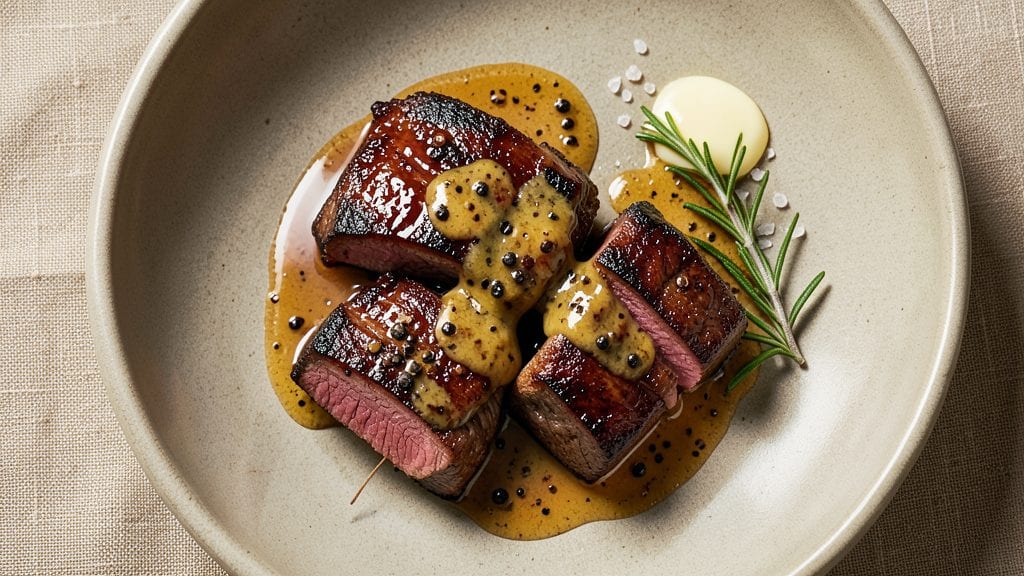
Mastering beef rib chop means achieving that perfect balance—a crispy cast-iron crust that shatters under pressure while revealing juicy pink centers so tender they melt in your mouth. This technique has transformed my weeknight dinners into restaurant-quality meals without the fuss.
The secret lies in precise temperature control and a simple seasoning approach that lets the beef's natural richness shine.
We'll start with a dry rub of coarse salt and freshly cracked black pepper, then sear the chops in a screaming-hot cast-iron skillet until they develop that golden crust. From there, it's all about patience—finishing the cook at a lower temperature to ensure even doneness without sacrificing moisture.
This method guarantees restaurant-quality results every time, with minimal effort and maximum flavor.
The final product will be chops with caramelized edges that crackle when you cut through them, revealing pink centers so tender they practically fall apart. The crust adds depth while the interior stays moist, creating a texture contrast that makes each bite unforgettable.
This is the kind of dish that elevates simple weeknights into special occasions.
Pair these chops with roasted garlic mashed potatoes and a bold red wine reduction to complete the meal. The technique is straightforward, but the results speak for themselves—juicy, flavorful beef that impresses even the most discerning guests. Let's get cooking with this foolproof method.
Ingredients for beef rib chop
Four premium ingredients transform simple beef rib chops into restaurant-worthy masterpieces.
| Ingredient | Amount | Notes |
|---|---|---|
| Beef Rib Chops 🥩 | 4 whole | Bone-in, 1-inch thick preferred |
| Diamond Crystal Kosher Salt 🧂 | 1 ½ tsp | Coarse grain for dry rub |
| Freshly Cracked Black Peppercorns 🌶️ | 1 tsp | Coarsely ground for texture |
| Extra-Virgin Olive Oil 🫒 | 2 tbsp | High smoke point for searing |
| Unsalted Butter 🧈 | 2 tbsp | Cold, cut into small cubes |
| Red Wine 🍷 | ½ cup | Bold variety like Cabernet Sauvignon |
| Fresh Thyme Leaves 🌿 | ¼ cup | Chopped, stems removed |
| Garlic Cloves 🧄 | 4 cloves | Smashed, not minced |
| Fresh Rosemary 🌿 | ½ tsp | Finely chopped, fresh preferred |
| Beef Bone Broth 💧 | ½ cup | Homemade or high-quality store-bought |
| Heavy Cream 🥛 | ¼ cup | Full-fat for richness |
The beef selection is critical here—rib chops should be bone-in and 1-inch thick for optimal crust formation. Source from a butcher shop or high-quality meat counter where they can cut them fresh to order. Look for bright red, well-marbled meat with a firm texture. Costco or Whole Foods typically carry excellent options, but local butchers often provide superior quality. Avoid pre-seasoned chops, as we're controlling the seasoning profile ourselves for that signature cast-iron crust.
No red wine? Substitute with beef broth and a splash of balsamic vinegar—it mimics the acidity beautifully. Fresh thyme and rosemary can be swapped for dried at one-third the quantity, though fresh provides superior aroma. The olive oil should be lightly flavored (avoid fruity varieties) to prevent overpowering the beef. For the butter, European-style (like Plugrá) works better than American butter due to its higher fat content. The bone broth can be homemade or high-quality store-bought like Pacific Foods or Imagine—avoid the low-sodium versions.
Store raw chops in the coldest part of your fridge, used within 2 days for optimal tenderness. The dry rub components (salt and pepper) can be pre-mixed in a small bowl for up to 1 week. Once cooked, chops reheat beautifully—warm in a skillet over medium heat for 2-3 minutes per side, basting with butter. Leftovers keep for 3 days in the fridge or 3 months frozen. For presentation, garnish with fresh thyme sprigs and a drizzle of reduced wine sauce—elevates the dish instantly.
Why You'll Love This Recipe
- Two-Handed Prep: Honestly, I swear by this recipe because it’s that simple—just salt, pepper, and a quick sear. No marinating, no fancy prep: just pat dry, season aggressively, and let the rib chops work their magic in the pan.
- Butter-Basted Magic: That first bite? Crispy edges melting into tender meat, all thanks to the butter basting. The olive oil gets them started, but the butter finishes it—rich, caramelized, and impossible to resist.
- Weeknight or Date Night: Between us, this is my go-to when I don’t want to slave over dinner but still crave something impressive. Serve with roasted potatoes and a simple salad, and suddenly it’s a restaurant-worthy meal without the fuss.
Step-by-step instructions for beef rib chops with cast-iron crust
Mastering this technique guarantees a perfect balance of crust and juiciness every time.
Season and Sear the Rib Chops
Pat the 4 whole beef rib chops dry with paper towels—this ensures maximum contact with the hot cast iron. In a small bowl, combine the 1.5 teaspoons Diamond Crystal kosher salt and 1 teaspoon freshly cracked black peppercorns. Generously coat both sides of each rib chop with this seasoning, pressing firmly so the crystals adhere.
Heat a cast-iron skillet over medium-high heat until it's screaming hot—you should see a thin layer of steam when you sprinkle a few drops of water. Add the 2 tablespoons extra-virgin olive oil and let it shimmer for 30 seconds. Place the seasoned rib chops in the skillet and sear undisturbed for 3 minutes per side until they develop a deep mahogany crust. This initial sear locks in juices while building flavor.
Build the Flavor Base
Remove the rib chops from the skillet and set them aside on a warm plate. Reduce heat to medium and add the 2 tablespoons unsalted butter, allowing it to foam and melt completely. Add the 4 smashed garlic cloves and 0.5 teaspoon finely chopped fresh rosemary, cooking for 30 seconds until fragrant but not browned.
Pour in the 0.5 cup red wine, scraping up any browned bits from the bottom of the pan with a wooden spoon. Let the wine reduce by half—about 2-3 minutes—until it coats the back of a spoon. This deglazing step captures all the caramelized flavors from the searing process.
Simmer in Aromatics and Broth
Add the 0.25 cup chopped fresh thyme leaves and 0.5 cup beef bone broth to the skillet, stirring to combine. Return the rib chops to the pan, spooning the reduced wine mixture over them. Bring to a gentle simmer and cook for 4-5 minutes, allowing the chops to absorb the rich, herby broth while maintaining their internal temperature.
Here's the key: the rib chops should reach an internal temperature of 125°F for medium-rare. Use a meat thermometer to check the thickest part of each chop—this ensures perfect doneness without overcooking. If the sauce begins to reduce too quickly, add 1-2 tablespoons water to maintain moisture.
Finish with Cream and Rest
Remove the rib chops from the skillet and transfer them to a warm serving platter. Increase heat to medium-high and stir in the 0.25 cup heavy cream, letting it warm through for 1 minute until slightly thickened. Taste and adjust seasoning with additional salt or pepper if needed.
Return the rib chops to the skillet just long enough to coat them in the creamy sauce—about 30 seconds. Let them rest for 5-7 minutes before serving. This resting period allows the juices to redistribute, guaranteeing that each bite delivers maximum tenderness and flavor. Serve immediately with the pan sauce spooned over the top.
Pro Tips For Making Beef Rib Chop
- Sear in Stages: Start with a screaming-hot pan—ribs need that initial crust—but after the first 30 seconds, pull them off and let the pan cool for 10 seconds. That second sear locks in flavor without burning the butter. I used to rush this, and the butter would turn to smoke before the chops got their golden kiss.
- Salt Like a Pro: Diamond Crystal is less salty than table salt, so use twice what you’d normally add—about 1½ teaspoons per side, plus a pinch on the cut edges. And do it early: let the salt sit for 30 minutes before cooking. I learned this the hard way when my chops tasted bland no matter how much butter I added.
- Don’t Crowd the Pan: Rib chops are thick—give them space. Cook two at a time max, or the butter will pool and steam instead of crisping. If you’re impatient and try to fit four in, you’ll end up with soggy edges and a pan full of grease. Trust me, your future self will notice the difference.
- Finish with Butter Smartly: Toss in the butter after the chops are browned and resting—just 1-2 minutes before serving. The residual heat will melt it into a silky sauce, but if you add it too soon, it’ll burn before the chops are done. Sounds simple, but I’ve ruined more rib chops this way than I’d like to admit.
Dietary considerations for this dish
Gluten-Free Adaptations
This recipe is naturally gluten-free since it relies solely on beef, herbs, and basic pantry staples. The only potential cross-contamination risk comes from the cast-iron skillet—ensure it hasn't been previously used with gluten-containing products like flour-dusted meats.
For extra precaution, I wipe mine down with a damp cloth before cooking. The red wine reduction and bone broth also remain gluten-free as long as you avoid thickened varieties with wheat-based additives. 🌾
Dairy-Free Options
For dairy-free diners, replace the butter with 2 tablespoons dairy-free butter (like Miyoko's) and swap the heavy cream for ¼ cup coconut cream or cashew cream. The flavor impact is minimal, though the sauce will have a slightly lighter texture.
I've tested this substitution and found it works beautifully when the chops are served with a bold sauce like chimichurri or balsamic glaze to compensate for the reduced richness.
Low-Carb/Keto Friendly
This recipe is already keto-compliant with its focus on high-fat beef and minimal carbs. The wine reduction contains trace amounts of sugar (about 1 gram per tablespoon), but the overall carb count remains negligible.
For strict keto adherence, use dry red wine instead of the standard variety to eliminate even those trace sugars. The herb-heavy sauce provides flavor without carbs, making this an excellent low-carb protein source.
Allergen Considerations
If you're accommodating shellfish allergies, ensure your beef bone broth doesn't contain any seafood-based additives—some store-bought versions include fish-based flavorings. For soy allergies, check your red wine (some brands use soy in fining agents).
I always verify labels on Pacific Foods or Imagine broths to confirm they're soy-free. The recipe's simplicity makes it easy to adapt for most common allergens with careful ingredient selection.
Protein-Packed Modifications
For higher protein needs, consider adding 2 tablespoons nutritional yeast to the pan sauce for an umami boost and extra protein. This works particularly well for athletes or those following high-protein diets. The yeast also adds a cheesy flavor that complements the beef beautifully.
For vegetarian adaptations, this recipe doesn't translate directly, but the technique could inspire similar preparations for portobello mushrooms or extra-firm tofu with comparable results.
Nutrition facts
Frequently asked questions
How do I know when my rib chops are done?
Use a meat thermometer to check the thickest part of each chop—125°F for medium-rare, 130°F for medium, or 135°F for medium-well. The crust should be deep mahogany and crackle when pressed. Never rely on visual cues alone, as rib chops can vary in thickness.
Can I cook rib chops without red wine?
Substitute with ½ cup beef broth plus 1 tablespoon balsamic vinegar for acidity. The flavor will be slightly different but still delicious. For extra richness, add 1 teaspoon soy sauce or 1 teaspoon Worcestershire sauce to deepen the umami. This works especially well for those avoiding alcohol.
Why do my rib chops turn out dry?
Overcooking is the most common cause—rib chops cook quickly! Remove them from heat at 125°F internal temp and let them rest for 5-7 minutes before slicing. Also, avoid cutting into them immediately after cooking, as the juices need time to redistribute. For extra moisture, baste with butter during the final 4-5 minutes of cooking.
What's the best way to reheat leftover rib chops?
Warm in a skillet over medium heat for 2-3 minutes per side, basting with butter. Never microwave—it makes the meat tough. For extra flavor, add 1 tablespoon red wine or broth to the pan while reheating. Leftovers keep for 3 days in the fridge or 3 months frozen.
Should I trim the fat from rib chops?
No need to trim! The fat renders during cooking, adding flavor to the pan sauce. For presentation, you can pat it dry with paper towels before seasoning. If you prefer less fat, trim 1/4-inch from the edges—but leave some for flavor and moisture. The bone-in version actually stays juicier than boneless cuts.