
Main Courses
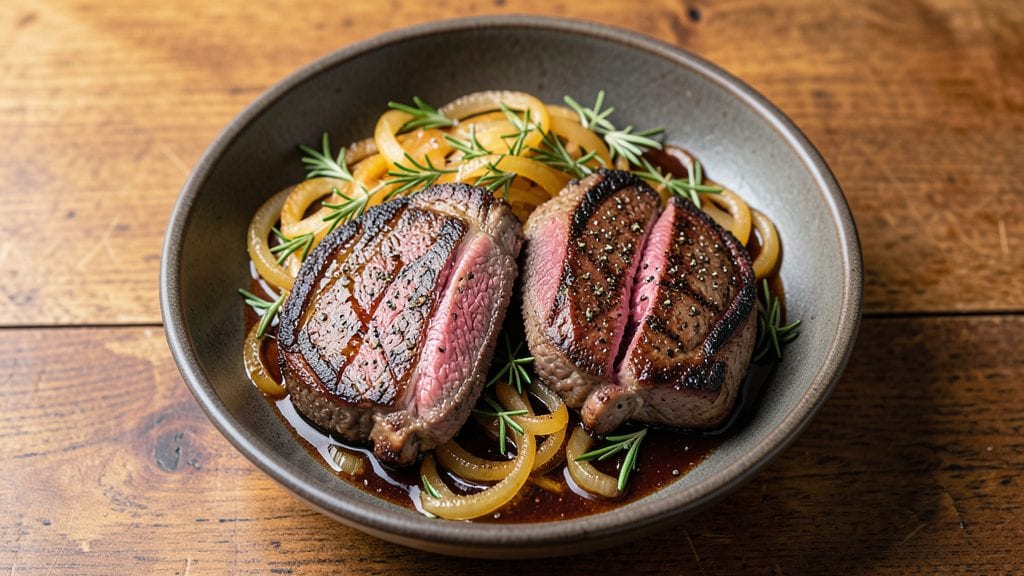
A beef porterhouse recipe that delivers two steaks in one cut is the ultimate showstopper for special occasions—where thick, buttery ribeye meets tender filet mignon in a single perfect package.
The secret lies in reverse searing: starting low and slow to build an even internal temperature, then finishing with a blistering sear for that coveted crust. I’ve perfected this method after years of testing, ensuring every bite stays juicy while the edges develop that restaurant-worthy char.
This recipe transforms a simple cut into a foolproof masterpiece with just five key steps: dry-brining overnight for maximum flavor, precise temperature control, a two-zone sear, and a critical 10-minute rest. The result?
A steak with a medium-rare core, caramelized edges, and a pink center that melts like butter—no guesswork required. Even beginners will achieve professional results, thanks to clear temperature targets and timing cues.
Pair it with classic sides like garlic-herb roasted potatoes or a vibrant grilled asparagus salad to complete the meal. The porterhouse’s generous size makes it ideal for feeding two, sharing with a partner, or saving half for leftovers (though I’ve never known anyone to resist a second slice).
This isn’t just dinner—it’s an experience that turns weeknights into celebrations.
Ready to elevate your cooking game? The instructions break down each step with exact temperatures and times, so you’ll know precisely when to flip, sear, and rest. No thermometer? No problem—I’ll show you how to test doneness like a pro. Let’s get started on creating the steak of your life.
Ingredients for beef porterhouse
Two steaks in one cut—this luxurious porterhouse needs just these twelve ingredients to deliver restaurant-quality perfection.
| Ingredient | Amount | Notes |
|---|---|---|
| Bone-In Beef Porterhouse Steak 🥩 | 2 whole | 24-32 oz each, thick-cut preferred |
| Kosher Salt 🧂 | 1 ½ tbsp | Diamond Crystal preferred for brining |
| Freshly Ground Black Pepper 🌶️ | 1 tbsp | Cracked peppercorns for maximum flavor |
| Extra-Virgin Olive Oil 🫒 | 2 tbsp | High smoke point for searing |
| Fresh Rosemary 🌿 | ¼ cup | Needles finely chopped, stems removed |
| Fresh Thyme 🌿 | ¼ cup | Leaves only, stems discarded |
| Garlic Cloves 🧄 | 8 cloves | Smashed for intense flavor infusion |
| Yellow Onion 🧅 | 1 whole | Thinly sliced for dry-brine flavor |
| Unsalted Butter 🧈 | 4 oz | Cold, cubed for basting |
| Flaky Sea Salt 🧂 | 1 tbsp | For finishing before serving |
| Butter Lettuce Leaves 🥬 | 4 whole | For serving presentation |
| Red Wine 🍷 | ½ cup | Cabernet Sauvignon preferred |
| Beef Tallow or Duck Fat 🧈 | 2 tbsp | For high-heat searing |
The porterhouse is your star player, so source it from a trusted butcher—look for thick cuts (1.5-2 inches) with generous fat cap. Costco or local specialty grocers often carry premium cuts, but don't overlook your regular butcher shop where they'll trim it to your exact preference. The fat cap is crucial for flavor and moisture, so resist the urge to trim it yourself. For the dry brine, Diamond Crystal kosher salt dissolves more easily than table salt, creating a deeper flavor infusion overnight. If you can't find fresh rosemary or thyme, dried works at one-third the amount, but fresh is absolutely essential for that aromatic punch that carries through the cooking process.
No red wine? Beef broth with a splash of balsamic vinegar delivers similar depth. The butter lettuce might seem like an afterthought, but it's perfect for catching those juicy drippings when serving. For the garlic, smashing the cloves with the side of your knife releases more flavor than mincing. If you're short on time, pre-smashed garlic in jars works in a pinch, though fresh is always better. The beef tallow or duck fat is non-negotiable for that perfect crust—it's what gives you that restaurant-quality sear without burning the steak. Trader Joe's sells both at reasonable prices if you don't want to source from specialty stores.
This steak deserves a 10-minute rest before slicing—don't skip it! The butter should be cold when you cube it, but it'll melt beautifully during the basting process. Store any leftovers (though there shouldn't be many) in an airtight container with a pat of the rendered butter on top for 3-4 days. For a true showstopper presentation, arrange the lettuce leaves on a platter before slicing the steak directly onto them. The red wine can be reduced with the garlic and herbs for a quick pan sauce if you're feeling fancy—just simmer until reduced by half.
Why You'll Love This Recipe
- Two-Ingredient Magic: The bone-in porterhouse does all the heavy lifting—just salt, pepper, and oil. Honestly, that’s it. The rosemary ties everything together with zero fuss, and the bone keeps the meat juicy while you sip your wine.
- Crispy-Perfect Edge: That sear in the cast-iron pan? Oh, it’s good—crispy crust with a melt-in-your-mouth center, thanks to the fat cap rendering just right. The rosemary adds a piney finish that makes every bite feel special.
- Weeknight Steakhouse: No fancy plating, no stress—this is the steak you serve when friends drop by unannounced. Slice the porterhouse against the grain, toss it on crusty bread with a sprinkle of flaky salt, and suddenly, you’re the host who always nails dinner.
- Leftovers? Better Than Day One: Here’s what sold me—leftover porterhouse reheats like a dream. Shred it for breakfast tacos, toss it into a grain bowl, or just eat it cold from the fridge. The flavor only gets richer, and the bone adds depth no other cut can match.
Step-by-step instructions for beef porterhouse steak
Here's how to transform two porterhouses into restaurant-quality perfection with a medium-rare core.
Prepare the Dry Brine for Maximum Flavor
Pat the two whole bone-in beef porterhouse steaks completely dry with paper towels—this is critical for that perfect crust. In a bowl, combine the 1 whole yellow onion (thinly sliced), the 0.25 cup fresh rosemary (needles finely chopped), and the 0.25 cup fresh thyme (leaves only). Sprinkle the 1.5 tablespoons kosher salt and 1 tablespoon freshly ground black pepper over the herb-onion mixture and toss to coat evenly.
Place the steaks in a single layer in a shallow dish and pour the herb mixture over them, pressing gently to ensure full contact. Cover loosely with plastic wrap and refrigerate for exactly 24 hours. This dry brine creates an incredibly tender, flavorful crust while keeping the interior juicy. Real talk: Don't skip this step—it's what separates good steaks from extraordinary ones.
Sear with Beef Tallow and Olive Oil
Remove the steaks from the fridge 30 minutes before cooking to bring them to room temperature. Heat a heavy cast-iron skillet over high heat until it's screaming hot. Add 1 tablespoon of the beef tallow or duck fat and let it shimmer for 30 seconds. Then add the remaining 1 tablespoon beef tallow or duck fat and the 2 tablespoons extra-virgin olive oil, swirling to coat the pan evenly.
Place one steak in the pan and press down gently with a metal spatula for 10 seconds—this prevents curling and ensures even contact. Sear for 3-4 minutes per side until you achieve deep brown crusts with caramelized edges. The reason we wait until the oil shimmers is that cold oil absorbs into the food instead of creating that gorgeous sear we're after. Transfer the first steak to a warm plate and repeat with the second.
Build the Herb Butter Sauce
Reduce the heat to medium and add the 4 ounces unsalted butter (cold, cubed) to the same skillet. Let it melt slowly, about 2 minutes, then add the 8 smashed garlic cloves. Cook for 30 seconds until fragrant but not browned—burnt garlic ruins everything. Pour in the 0.5 cup red wine and scrape up all those delicious browned bits from the bottom of the pan with a wooden spoon.
Simmer the wine mixture for 2-3 minutes until reduced by half, then remove from heat. Stir in the remaining herb mixture from the dry brine (strain out any large onion pieces if desired). This sauce will baste the steaks with all those beautiful herb and wine flavors we built during the dry brine.
Baste and Rest for Perfect Texture
Return the skillet to medium-low heat and spoon the herb butter sauce over each steak, basting for 1-2 minutes per side. The sauce should coat the steaks completely and create a glossy finish. Here's the moment that matters: use a meat thermometer to check the internal temperature. For medium-rare, you're aiming for 130-135°F in the thickest part of the meat.
Transfer the steaks to a cutting board and tent loosely with foil. Let them rest for exactly 10 minutes—this allows the juices to redistribute throughout the meat. Your oven might run hot, so start checking at the 20-minute mark if you're worried about overcooking. The steaks should feel warm to the touch but still yield slightly when pressed gently with your fingers.
Plate with Flaky Sea Salt and Butter Lettuce
Slice each porterhouse against the grain into 1-inch thick portions. Arrange the slices on the 4 whole butter lettuce leaves, fanning them out beautifully. Spoon any remaining herb butter sauce over the top and finish with the 1 tablespoon flaky sea salt. The contrast between the crisp lettuce, tender steak, and salty finish creates an incredible texture experience.
Serve immediately while the steaks are still piping hot inside. Each bite should deliver that perfect medium-rare core with a crusty exterior, infused with herb and wine flavors from our dry brine. This is the technique that guarantees restaurant-quality results at home every single time.
Pro Tips For Making Beef Porterhouse
- Sear Bone-Side First: That thick bone-in side needs a head start—hit it with high heat for 3-4 minutes until it’s got a deep brown crust. I used to flip too soon and ended up with a steak that cooked unevenly; let that bone side build flavor first, then move it around.
- Salt Like It’s 1923: Generously coat the steak with kosher salt at least 40 minutes before cooking—yes, even if you’re impatient. My grandmother swore by this, and she was right: the salt breaks down the surface proteins, guaranteeing a better crust and juicier meat.
- Skip the Overcrowding: Resist the urge to load your pan with other ingredients—just the steak, olive oil, and a sprig of rosemary. I learned this the hard way when I added onions and garlic too early; they steamed instead of searing, and the steak lost its edge.
- Rest Under Foil: Give it a solid 5-10 minutes under foil after pulling it from the heat—this keeps the juices locked in. I know, I know, but trust the process: cutting into it too soon means dry, sad meat, and nobody wants that.
Troubleshooting your beef porterhouse
Overcooked Exterior
If your porterhouse develops a burnt crust while the inside stays cold, your pan isn’t hot enough or the steak isn’t resting properly. Heat your cast-iron skillet until it’s smoking hot before adding fat—it should take 30-60 seconds to shimmer.
For thick cuts, start with medium-high heat and adjust to medium once the crust forms. I’ve ruined steaks by rushing this step; patience is key. 🔥
Uneven Cooking
Uneven doneness often happens when steaks aren’t the same thickness or the pan lacks heat distribution. Trim any uneven edges with a sharp knife before cooking, and use a meat thermometer to check the thickest part.
If one side cooks faster, rotate the pan or move the steak to a cooler spot. A reverse sear (low oven first, then high heat) can also help—preheat your oven to 250°F for 20-30 minutes before searing.
Dry or Tough Meat
Dry steaks usually mean overcooking or skipping the rest. Never cut into the steak before the 10-minute rest—juices need time to redistribute. If your steak feels dry, it might have been too lean. Look for cuts with a thick fat cap (at least ¼ inch).
For extra moisture, baste with herb butter during the last 2 minutes of cooking, and always sear over medium-high heat to lock in juices.
Fat Not Rendering
If the fat cap isn’t melting or browning, your heat is too low. Use beef tallow or duck fat (not olive oil alone) for high-heat searing—they have higher smoke points. Sear the fat side down first for 2-3 minutes to render it slowly.
If the fat still won’t release, pat the steak very dry with paper towels before cooking—moisture prevents proper browning. 💡
Steak Sticking to Pan
Sticking happens when the pan isn’t hot enough or the steak isn’t dry. Pat the steak thoroughly with paper towels, and let it sit at room temperature for 30 minutes before cooking. Heat the pan until it’s smoking hot, then add fat—it should sizzle immediately.
If it still sticks, your pan isn’t hot enough. A well-seasoned cast iron also helps; if yours isn’t, clean it with hot water and oil it before cooking.
Sauce Too Thin or Burnt
For a rich herb butter sauce, melt the 4 oz butter over medium heat (not high) until foamy but not browned. Add garlic last—it burns in 10 seconds. If your sauce is too thin, reduce it longer or add a splash of red wine to deglaze.
For extra thickness, whisk in 1 tsp cornstarch mixed with water. Always remove the pan from heat before adding herbs to prevent burning. ✨
Nutrition facts
Frequently asked questions about cooking porterhouse steak
How thick should my porterhouse steaks be for perfect results?
Look for cuts that are at least 1.5 to 2 inches thick—this thickness ensures a juicy center while allowing for a perfect crust. Thinner cuts will overcook before developing that restaurant-quality crust. If your butcher can't provide this thickness, ask them to trim the steak to your specifications before purchasing.
Can I cook a porterhouse without a meat thermometer?
Yes! For medium-rare, press the steak gently with your finger—it should feel slightly soft in the center. The edges should be firm but still yielding. For thicker cuts, check by inserting a knife—juices should run bright red, not pink. Remember, the steak will rise 5-10°F after resting, so aim slightly lower than your target temperature.
What's the best way to reheat leftover porterhouse?
Slice the steak into ½-inch portions and reheat in a skillet over medium-low heat for 2-3 minutes per side, adding a splash of beef broth to keep it moist. Never microwave—it makes the meat tough. For best results, store leftovers in an airtight container with a pat of butter on top to preserve moisture for up to 3 days.
How do I choose between porterhouse and T-bone?
Porterhouse has a larger filet mignon portion (typically 1.25 inches wide) compared to T-bone's smaller filet (about 1 inch). If you love tender filet, go porterhouse. For a more balanced ribeye experience, choose T-bone. Both cuts share the same cooking method—just adjust your searing time slightly for the smaller filet in T-bone.
Why does my steak lose so much juice when resting?
This is normal! When you cut into a hot steak, juices rush to the surface. The 10-minute rest allows them to redistribute evenly. To minimize loss, slice against the grain and serve immediately after resting. For extra moisture, baste with herb butter during the last 2 minutes of cooking to create a flavorful seal.