
Sauces & Condiments
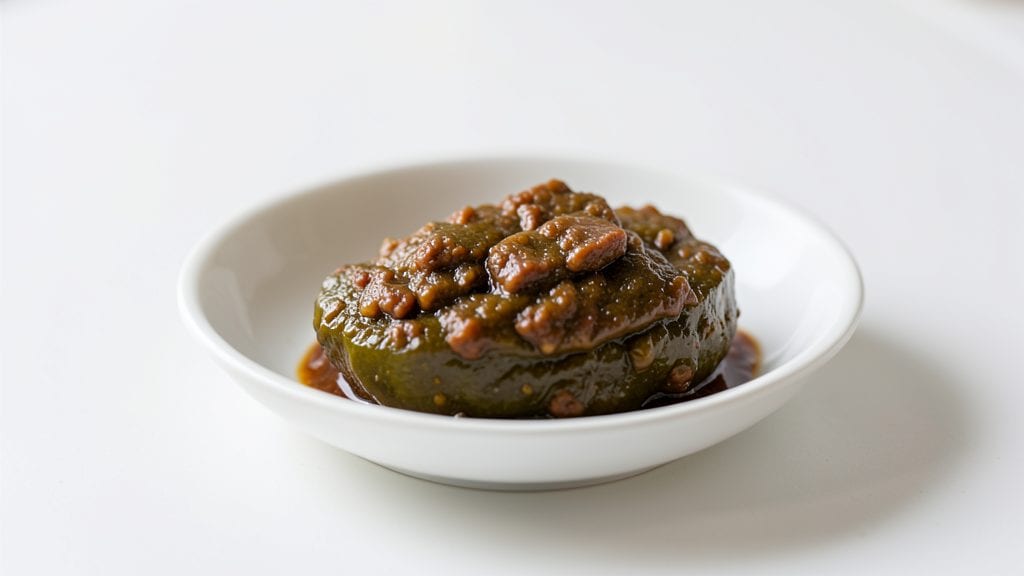
This beef pickle recipe transforms tender beef into sweet, tangy bites that balance crisp cucumbers perfectly—ideal for spicing up any meal. The process involves brining the beef to enhance flavor while preserving its texture, then pairing it with a vinegar-spiced solution that creates that signature tangy crunch.
I developed this method after craving a dish that combined the boldness of pickled vegetables with the richness of beef, and it’s become a staple in my kitchen for its versatility and depth of flavor.
The beauty of this recipe lies in its simplicity: just a few key ingredients—vinegar, sugar, spices, and fresh cucumbers—work together to create a dish that’s both restaurant-worthy and easy to prepare.
The beef cooks through in about 30 minutes, while the pickling solution infuses the ingredients with a bright, zesty kick that cuts through the richness of the meat. This balance makes it a perfect addition to meals ranging from casual lunches to elegant dinner spreads.
What you’ll end up with is a dish that’s crisp, tangy, and deeply flavorful, where each bite delivers a satisfying contrast of textures and tastes. The beef remains tender yet firm, while the cucumbers stay crisp and refreshing.
This recipe is particularly effective when served with warm flatbread, rice, or as a topping for salads—adding a unique twist to everyday meals.
One of the best aspects of beef pickles is their ability to stay fresh for up to two weeks in the refrigerator, making them a great make-ahead dish for meal prep.
Whether you’re looking to elevate a simple lunch or impress guests with a sophisticated appetizer, this recipe delivers professional-quality results with minimal effort. Let’s get started!
Ingredients for beef pickle
Sweet, tangy beef bites pair perfectly with crisp cucumbers—just a handful of ingredients for restaurant-quality flavor.
| Ingredient | Amount | Notes |
|---|---|---|
| Beef Top Round Roast 🥩 | 1 ½ lb | Thinly sliced against grain |
| White Vinegar 💧 | 1 cup | Distilled preferred for clarity |
| Granulated Sugar 🍚 | ¾ cup | White or raw preferred |
| Pickling Salt 🧂 | ½ cup | Non-iodized for purity |
| Yellow Mustard Seeds 🌶️ | 1 tbsp | Whole seeds for texture |
| Ground Black Peppercorns 🌶️ | 1 tsp | Freshly cracked preferred |
| Garlic Cloves 🧄 | 4 cloves | Sliced thin for infusion |
| Fresh Dill Weeds 🌿 | ¼ cup | Chopped, stems removed |
| English Cucumbers 🥒 | 2 whole | Sliced into 1/4-inch rounds |
| Red Onion 🧅 | 1 whole | Thinly sliced into rings |
| Vegetable Oil 🫒 | ¼ cup | Light neutral oil for frying |
| Cornstarch 🌾 | 1 tbsp | For crisp coating |
The beef selection is critical here. Top round roast delivers the right balance of tenderness and texture—sirloin or flank steak work too, but top round stays firm during pickling. Slice it against the grain for maximum tenderness. For sourcing, local butcher shops often carry pre-sliced beef, but if you're buying whole, ask for it sliced 1/4-inch thick. The vinegar and sugar should be food-grade quality—White House or Heinz brands are reliable choices. Fresh dill is ideal, but if you're using dried, reduce to 1/4 teaspoon since it's more potent.
No mustard seeds? Celery seeds or ground mustard add similar depth, though texture will differ. Substitute white vinegar with apple cider vinegar for a milder tang, but reduce to 3/4 cup to balance sweetness. For the cucumbers, English cucumbers stay crispest, but Persian cucumbers work too—just slice them slightly thinner. If you're short on time, pre-sliced pickles from the jar aisle can be used as a shortcut, though homemade always tastes better. The cornstarch is optional but creates a lovely crisp coating when fried—skip it if you prefer softer beef bites.
This recipe keeps beautifully for up to two weeks in the fridge, stored in airtight jars with the liquid preserved. For best texture, consume within one week if possible. The pickling liquid can be reused for up to three batches—just add fresh ingredients and more vinegar as needed. To serve, drain the beef and cucumbers, then toss with a bit of the reserved liquid for extra tang. These bites reheat well in a skillet with a splash of water or oil, making them perfect for meal prep.
Why You'll Love This Recipe
- No-Slice Needed: I swear, I’ve made this with a whole roast just sliced thin by the butcher—no knife work required. The vinegar and sugar do all the tenderizing while you sip your coffee.
- Tangy-Sweet Magic: That bright vinegar cut with just enough sugar? It’s like a flavor explosion in your mouth—crisp, punchy, and weirdly addictive. The mustard seeds add a little peppery kick that makes it unforgettable.
- Picnic Perfect: Honestly, this is my go-to for picnics, potlucks, or even a lazy Sunday spread. It keeps well, slices neatly, and tastes even better the next day—no sad leftovers here.
- Budget Stretch: A big roast feeds a crowd for pennies, and the vinegar-salt brine stretches every bite. I’ve served this at family gatherings, and no one ever guesses it’s not some fancy restaurant dish.
Step-by-step instructions for sweet & tangy cucumber beef bites
Here's how to transform simple ingredients into tender beef bites with crisp vegetables and a perfectly balanced sweet-tangy sauce.
Prepare the Beef and Vegetable Base
Slice the 1.5 lb beef top round roast thinly against the grain into ¼-inch thick strips. This cut ensures tender bites that cook quickly. Transfer the sliced beef to a large mixing bowl and set aside.
Peel and slice the 2 whole English cucumbers into ¼-inch rounds, then thinly slice the 1 whole red onion into rings. Add these to the bowl with the beef. The cucumbers will soften during cooking while the onions add sharp contrast to the sweet-tangy profile.
In a small bowl, combine the 1 tbsp yellow mustard seeds, 1 tsp ground black peppercorns, 4 cloves sliced garlic cloves, and 0.25 cup chopped fresh dill weeds. Sprinkle this aromatic blend evenly over the beef and vegetables. This seasoning mix infuses every bite with depth and complexity.
Create the Sweet-Tangy Marinade
In a separate medium bowl, whisk together the 1 cup white vinegar, 0.75 cup granulated sugar, and 0.5 cup pickling salt until the sugar and salt fully dissolve. The mixture should look like a thick, syrupy liquid with no visible grains.
This marinade is the heart of your beef pickle—its balance of acidity and sweetness creates that signature tangy flavor. Pour the marinade over the beef and vegetable mixture, stirring gently to coat everything evenly. Cover the bowl and refrigerate for at least 4 hours, or preferably overnight. The longer it marinates, the more tender the beef becomes and the deeper the flavors develop.
Here's the thing—don't rush this step. The acid in the vinegar begins breaking down the beef fibers immediately, but proper marinating time ensures fork-tender results without making the meat mushy.
Cook the Beef to Perfect Tenderness
Remove the beef mixture from the refrigerator and drain it in a colander, reserving the marinade. Heat 0.25 cup vegetable oil in a large skillet over medium-high heat until shimmering. Working in batches if needed, add the beef to the hot oil and cook for 2-3 minutes per side until browned and cooked through.
You'll know it's ready when the beef releases easily from the pan and reaches an internal temperature of 160°F at its thickest point. Transfer the cooked beef to a clean bowl and set aside. The vegetables can be added back to the skillet now—they'll cook quickly in the residual heat.
Thicken the Sauce and Combine
Return the reserved marinade to the skillet and bring to a boil over medium-high heat. Stir in the 1 tbsp cornstarch and cook for 2-3 minutes, stirring constantly, until the sauce thickens to a glossy consistency that lightly coats the back of a spoon.
This is where the magic happens—the cornstarch transforms the tangy marinade into a velvety sauce that clings beautifully to the beef. Add the cooked beef and vegetables back to the skillet and toss gently to coat everything evenly in the sauce. The mixture should look glossy and inviting, with the beef absorbing the sweet-tangy flavors.
Rest and Serve for Maximum Flavor
Transfer the beef pickle mixture to a serving bowl and let it rest for 10 minutes at room temperature. This resting period allows the flavors to meld completely and the sauce to set slightly, making each bite more cohesive.
Serve immediately while still warm, or chill in the refrigerator for at least 1 hour before serving if you prefer a cooler presentation. The flavors deepen as they sit, creating that perfect balance of sweet, tangy, and savory notes. This dish pairs beautifully with crusty bread or as a standalone appetizer for gatherings.
Pro Tips For Making Beef Pickle
- Trim and Score: Top round is lean—trim excess fat first, then score the surface in a crosshatch every ½ inch. This lets the vinegar and spices penetrate deeper, so you’re not just pickling the outside. (Yes, it’s tedious, but your future sandwiches will taste like you spent all day.)
- Bloom the Spices: Toast the mustard seeds in a dry pan for 30 seconds until they sizzle—don’t let them burn. Cold seeds just sit there like wallflowers, but toasted ones release their punch right into the vinegar. Add them to the vinegar mix first, then strain later if you’re fancy.
- Don’t Rush the Cure: The first 24 hours in the fridge are non-negotiable. The salt and vinegar need time to work their magic, and skipping this means your beef will taste like sad, waterlogged jerky. Trust me, I’ve eaten it both ways.
- Sweat the Sugar: Dissolve the sugar in the vinegar before adding it to the beef—heat it gently until it’s fully incorporated. Undissolved sugar grains turn into gritty little landmines in your bite. Stir it like you’re mad at the pot.
Essential equipment for perfect results
Skillet Essentials
A 12-inch cast iron skillet is my go-to for cooking beef pickles—its heavy base distributes heat evenly, preventing hot spots that can burn the beef. I recommend a Lodge Pre-Seasoned Cast Iron Skillet for its durability and natural non-stick properties over time.
If cast iron isn’t available, a stainless steel skillet like All-Clad Stainless works well, though you may need to add a touch more oil to prevent sticking. 🔥
Precision Tools
For slicing the beef and vegetables, a sharp chef’s knife is non-negotiable—I use a Wüsthof Classic 8-inch for its razor-sharp edge and comfortable handle. A mandoline slicer with a ¼-inch blade ensures uniform cucumber and onion slices, which is key for even cooking.
For measuring, a digital kitchen scale (like OXO Good Grips) guarantees accuracy with the beef and spices.
Marinating Gear
An airtight glass container is essential for marinating—it preserves flavors and prevents leaks. I love Le Parfait glass storage containers with snap-on lids for their leak-proof seal. For the marinade itself, a whisk (like OXO Good Grips) ensures the vinegar, sugar, and salt dissolve smoothly.
A fine-mesh strainer helps drain excess marinade before cooking, keeping the beef from becoming soggy.
Sauce Thickening
A wooden spoon is ideal for stirring the cornstarch slurry into the marinade—it won’t scratch your skillet like metal utensils. For precise measurements, a small measuring cup (like Pyrex) works best for the 1 tbsp cornstarch.
If you’re frying the beef in batches, a tongs set (such as OXO Good Grips) makes flipping and transferring pieces effortless without overcrowding the pan.
Serving & Storage
For serving, I use glass jars with wide mouths (like Ball Mason jars) to store the beef pickles—they’re airtight and let you see the vibrant colors. A ladle (preferably stainless steel) helps portion out the pickles and sauce neatly.
For reheating, a small saucepan with a lid keeps everything warm and saucy. If you’re prepping ahead, vacuum-sealing bags extend freshness for up to 3 months in the freezer. 💡
Nutrition facts
Frequently asked questions about sweet & tangy cucumber beef bites
Why does the beef need to marinate so long?
The 4-hour minimum (or overnight) marinating time is key to breaking down the beef fibers with vinegar's acidity while keeping it tender, not mushy. This creates that signature fork-tender texture while letting the spices and garlic infuse deeply. The longer it marinates, the more complex the flavor becomes—think of it as a flavor jumpstart for your dish.
Can I make this recipe without cornstarch?
Yes, but the sauce will be thinner. For a similar thickening effect, try 1 tbsp flour or arrowroot powder instead. Just whisk it with 2 tbsp cold water first to create a slurry before adding to the marinade. The cornstarch gives that glossy, velvety finish that clings beautifully to the beef.
What's the best way to store these beef pickles?
Transfer to airtight glass jars with the pickling liquid and refrigerate for up to 2 weeks. For longer storage, freeze in portions for 3 months—thaw overnight in the fridge before serving. The liquid preserves the flavors, so don't drain it completely! Use a wide-mouth jar for easy serving.
How can I adjust the sweetness or tanginess?
For more sweetness, add 1-2 tbsp extra sugar to the marinade. For extra tang, increase the vinegar by 2 tbsp. Want a milder flavor? Reduce sugar by 1 tbsp and vinegar by 1 tbsp. Taste as you go—this recipe is highly customizable to your preference!
What are the best ways to serve these beef bites?
These make a fantastic appetizer with warm naan or flatbread, or as a topping for salads or rice bowls. For a heartier meal, serve with mashed potatoes or roasted vegetables. The tangy-sweet flavor also pairs beautifully with grilled chicken or fish for a complete spread.