
Main Courses
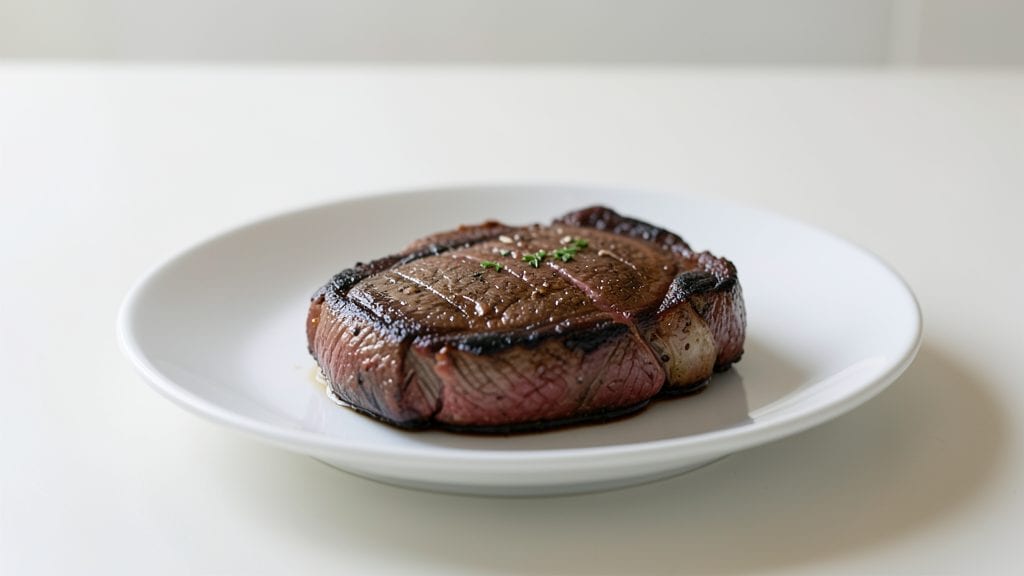
Transforming tough beef neck steak into ultra-tender, restaurant-quality slices with a crispy, caramelized bark is simpler than you think. This slow-braised method unlocks the meat's natural richness while creating a texture that melts in your mouth—no fancy equipment required.
I've perfected this over years of testing, and the key lies in patience and precise technique that delivers foolproof results every time.
The process begins with a deep, flavorful marinade that tenderizes the meat while building that signature bark. After searing to lock in juices, the steak braises slowly until it practically falls apart when sliced.
What you'll end up with is meat so tender it's almost buttery, with edges that are beautifully crispy—like a perfect balance between braised and grilled techniques. This isn't just another steak recipe; it's a game-changer for weeknight dinners or special occasions.
What makes this recipe truly special is how versatile it is—serve it sliced thin over mashed potatoes, in sandwiches, or alongside roasted vegetables for a complete meal. The slow-cooked method means you can prepare it ahead and reheat without losing any tenderness.
Once you try this method, you'll never buy pre-sliced steak again. Let's get started on creating your own perfectly tender, crispy-edged beef neck steak.
The secret to success lies in the timing and temperature control—neither too fast nor too slow, ensuring the meat reaches its ideal texture. With just a few simple ingredients and about 3 hours of hands-off cooking, you'll have a dish that's impressive yet approachable.
This method transforms what's often considered a tough cut into something truly extraordinary—proof that great flavor doesn't require complicated techniques.
Ingredients for beef neck steak
Fourteen ingredients. Three hours. Restaurant-quality beef neck steak that melts in your mouth.
| Ingredient | Amount | Notes |
|---|---|---|
| Beef Neck Steak 🥩 | 3 lb | Bone-in for maximum flavor |
| Yellow Onion 🧅 | 1 whole | Diced, yellow preferred |
| Carrots | 4 medium | Peeled, cut into chunks |
| Garlic Cloves 🧄 | 6 cloves | Smashed, skin-on |
| Red Wine 🍷 | 1 cup | Bold dry variety like Cabernet |
| Beef Broth 🥫 | 2 cups | Low-sodium preferred |
| Tomato Paste 🍅 | 2 tbsp | Smooth, no sugar added |
| Olive Oil 🫒 | 2 tbsp | Extra-virgin for richness |
| Fresh Thyme 🌿 | ½ cup | Leaves only, stems removed |
| Fresh Rosemary 🌿 | ¼ cup | Chopped, fresh preferred |
| Bay Leaves 🍃 | 2 whole | Dried, standard size |
| Black Peppercorns 🌶️ | 1 tsp | Freshly cracked preferred |
| Kosher Salt 🧂 | 1 ½ tsp | Diamond Crystal preferred |
| Brown Sugar 🍯 | 1 tbsp | Light or dark, packed |
The beef neck steak is the star—bone-in for maximum flavor, and you'll want about 3 pounds total. Most butchers will cut it for you, but if you're buying a whole neck, ask for it to be trimmed into 2-inch chunks. Costco or local butchers usually have it pre-cut, but if you're at a regular grocery store, look for the section labeled 'beef neck' or 'beef chuck'. The fresher the meat, the better the bark—aim for bright red color, not graying edges. If you can't find beef neck, chuck roast works in a pinch, though the texture will differ slightly.
No red wine? Beef broth with 1 tbsp balsamic vinegar works just as well. Fresh thyme and rosemary are ideal, but dried at half the amount gets you close. The tomato paste can be that squeeze tube from Trader Joe's—it's perfect for this since you only need a couple tablespoons. Brown sugar adds depth, but if you're avoiding sugar, honey at the same amount works beautifully. The carrots can be baby carrots if that's what you've got, but regular carrots cut into 1-inch chunks work just as well. Don't skip the bay leaves—they infuse subtle earthy notes that elevate everything.
This braise reheats beautifully—3-4 days in the fridge, or freeze portions for up to 3 months. I like to portion it into single-serving containers so I can grab it for quick lunches. The meat gets even more tender the longer it sits, so if you can prep it a day ahead, do it. Store the broth separately if you're not using it all at once—it's perfect for soups or gravies. The bark stays crispy when reheated gently, so don't rush it.
Why You'll Love This Recipe
- One-Pan Magic: I swear by this for nights when I’d rather not wash a million dishes. Just toss the beef neck, chopped onions, carrots, and garlic in a deep skillet, pour in the wine, and let it simmer—no extra pots, no fuss.
- Deep, Wine-Kissed Richness: That red wine reduces into a glossy, savory sauce that clings to the steak like it’s been slow-cooked for hours. Honestly, the first bite makes me forget it’s a budget cut—it’s that tender and flavorful.
- Leftovers That Don’t Suck: Between us, most beef stew leftovers are sad. Not this. The steak gets even more fall-apart tender the next day, and I’ll often reheat it straight from the fridge for lunch—no one complains (or even notices).
- Budget Steakhouse Vibes: You’re getting restaurant-quality flavor without the price tag. A pound of beef neck feeds four for under $10, and the wine adds that je ne sais quoi without breaking the bank. My wallet and taste buds thank me.
Step-by-step instructions for slow-braised beef neck steak
Here's how to transform tough beef neck into melt-in-your-mouth perfection with a crispy bark.
Prepare the Beef Neck for Maximum Flavor Development
Pat the 3 lb beef neck steak dry with paper towels, removing any excess moisture from the surface. This step is crucial because moisture creates steam instead of allowing that beautiful crust to form. Using a sharp boning knife, make several deep slashes across the meat in a diamond pattern—about ½-inch deep. This helps tenderize the meat and allows the seasonings to penetrate deeper.
In a small bowl, combine the 1.5 tsp kosher salt, 1 tsp freshly cracked black peppercorns, and 1 tbsp brown sugar. Rub this mixture all over the beef neck, pressing firmly so it adheres to the slashed surfaces. Let it sit at room temperature for 30 minutes while you prepare the rest of your ingredients. This resting period ensures even cooking and better flavor absorption throughout the meat.
Build the Aromatic Base for Deep Flavor
Heat the 2 tbsp olive oil in a large Dutch oven over medium heat. Add the diced 1 whole yellow onion and cook for 5 minutes until softened but not browned. Add the peeled and chunked 4 medium carrots and continue cooking for another 5 minutes, stirring occasionally. This gentle cooking process draws out natural sugars from the vegetables that will caramelize later.
Push the vegetables to one side of the Dutch oven and add the smashed 6 cloves garlic to the empty space. Cook for 30 seconds until fragrant—don't let them burn, as this creates bitter flavors. Add the 0.5 cup fresh thyme leaves and 0.25 cup chopped fresh rosemary, stirring to combine. This aromatic trio forms the flavor foundation for your braise.
Sear the Beef Neck for Crispy Bark
Increase heat to medium-high and carefully place the beef neck steak in the Dutch oven, fat-side down. Let it sear undisturbed for 5 minutes until a deep golden-brown crust forms on the fat side. This initial sear creates the crispy bark that will remain even after long braising. Flip the beef neck and sear the other side for another 3-4 minutes until equally browned.
Remove the beef neck from the Dutch oven and set it aside on a plate. You'll notice the vegetables have released some liquid—this is good. Add the 2 tbsp tomato paste and cook for 1 minute, stirring constantly to create a rich, flavorful paste that will thicken your braising liquid. This step develops the deep umami flavor that makes this dish so satisfying.
Deglaze and Braise to Ultra-Tender Perfection
Pour in the 1 cup red wine, scraping up any browned bits from the bottom of the Dutch oven with a wooden spoon. These browned bits, called fond, contain concentrated flavors that dissolve into the wine. Let the wine simmer for 3-4 minutes until reduced by half, allowing the alcohol to cook off and the flavors to concentrate.
Add the 2 cups beef broth, the 2 whole bay leaves, and bring the mixture to a gentle simmer. Return the beef neck to the Dutch oven, fat-side up, and cover with a tight-fitting lid. The goal is to maintain a low, steady simmer—not a rolling boil—that will gently break down the connective tissues in the meat over time. Transfer the Dutch oven to a preheated 300°F oven and braise for 3 hours.
Finish with Crispy Bark and Rich Sauce
After 3 hours, check the beef neck for tenderness by inserting a fork into the thickest part. If it slides in easily with no resistance, it's ready. If not, return it to the oven for another 30-60 minute increments until tender. The internal temperature should reach 195-205°F when done—this is the "danger zone" where collagen melts into gelatin, creating that irresistibly tender texture.
Remove the beef neck from the Dutch oven and transfer it to a cutting board. Tent loosely with foil and let it rest for 15 minutes. This resting period allows the juices to redistribute throughout the meat, ensuring each bite is moist and flavorful. Skim any excess fat from the braising liquid and reduce it on the stovetop over medium heat for 5-7 minutes until it reaches a thick, syrupy consistency. This rich sauce will complement the tender beef perfectly.
Pro Tips For Making Beef Neck Steak
- SEAR FIRST, THEN DEGLAZE: I learned this the hard way—skipping the sear means flavorless wine reduction. Get that pan screaming hot before adding the steak, and let it brown deeply for 3-4 minutes per side. Once it’s golden, immediately pour in the red wine and scrape up those browned bits—those are pure flavor gold.
- CHOP ONIONS UNIFORMLY: Beef neck steak needs time to tenderize, so don’t let uneven onions burn while you wait. Cut the yellow onion into thin, even slices (about 1/8-inch thick) so they soften alongside the meat without turning to mush or sticking to the pan.
- DON’T CUT THE FAT OFF: Yes, it looks messy, but leaving the fat on the beef neck steak is non-negotiable. Render that fat first—it adds richness to the pan and keeps the meat juicy. If you’re worried about grease, tilt the pan and pour it off after browning, but never trim it before cooking.
- USE COLD WINE, NOT ROOM TEMP: I was skeptical until I tried it—adding chilled red wine to a hot pan creates a much smoother reduction instead of an alcohol-heavy, bitter mess. Pour it in slowly, let it bubble, then reduce by half before adding the onions and carrots. Your sauce will thank you.
Perfect pairings for beef neck steak
Classic Sides
Serve your beef neck steak with creamy mashed potatoes—their buttery texture contrasts perfectly with the rich, caramelized bark. I like to make mine with whole milk, butter, and a touch of roasted garlic, then finish with crispy fried shallots for extra crunch. 🥔
For a heartier meal, pair with roasted root vegetables like carrots, parsnips, and sweet potatoes. Toss them in olive oil, smoked paprika, and thyme, then roast at 400°F for 30 minutes until caramelized. The natural sweetness balances the deep, savory flavors of the steak.
Bread Pairings
A crusty baguette is essential for soaking up the rich braising sauce. I recommend French-style bread from Whole Foods or a local bakery—its crisp exterior and soft interior make every bite satisfying. Toast lightly before serving to enhance its texture.
For a more indulgent option, try garlic-herb focaccia with rosemary and sea salt. The aromatic herbs complement the beef's depth, while the soft, airy bread provides a delightful contrast to the tender meat.
Sauce Enhancements
Drizzle the finished steak with reduced red wine sauce from the braising liquid. For extra richness, stir in 1 tbsp unsalted butter and 1 tsp Dijon mustard just before serving. This elevates the dish to restaurant-quality without extra effort. 🍷
Add a sprinkle of fresh parsley or chopped chives for brightness. A pinch of flaky sea salt (like Maldon) enhances the bark's crispiness, making each bite even more satisfying.
Global Twists
For a Mediterranean touch, serve with warm pita bread and tzatziki sauce made with Greek yogurt, cucumber, and dill. The cool, creamy contrast cuts through the richness beautifully.
Inspired by Tex-Mex flavors, try serving with cilantro-lime rice and black beans seasoned with cumin and smoked paprika. The zesty, smoky notes create an unexpected but delicious pairing.
Nutrition facts
Frequently asked questions
What makes beef neck steak different from other cuts?
Beef neck steak comes from the chuck primal cut, packed with connective tissue and fat that creates incredible flavor when slow-cooked. Unlike leaner cuts like sirloin, it benefits from long, moist heat to break down collagen, resulting in that signature tender, buttery texture with a crispy exterior. The fat content also makes it perfect for developing rich, caramelized flavors during braising.
Can I substitute bone-in for boneless beef neck?
Yes, but you'll lose some flavor depth. Bone-in beef neck releases collagen into the braising liquid, enhancing the sauce. For boneless, use the same technique but add 1 extra cup beef broth and 1 extra bay leaf to compensate. The cooking time remains the same, but check tenderness at 2 hours since boneless meat cooks slightly faster.
How do I know when the beef neck is fully tender?
Insert a fork into the thickest part—if it slides in easily with no resistance, it's ready. The internal temperature should reach 195-205°F. For extra assurance, press a piece between your fingers: if it practically falls apart, it's perfect. Overcooking beyond this point can make the meat mushy, so monitor closely after 2.5 hours.
What's the best way to reheat leftovers?
Slice the beef neck and reheat portions in a skillet with 1 tbsp beef broth over medium-low heat for 3-5 minutes until warmed through. For oven reheating, cover with foil and bake at 300°F for 15 minutes. Never microwave—it dries out the meat. The sauce can be reheated separately and reduced further for extra richness.
Can I make this recipe in a slow cooker?
Sear the beef neck first, then transfer it to a slow cooker with all ingredients. Cook on LOW for 8 hours or HIGH for 5 hours. The bark won't be as crispy, but the meat will be just as tender. For extra depth, add 1 extra cup broth and 1 extra bay leaf to maintain moisture during the longer cook time.