
Soups & Stews
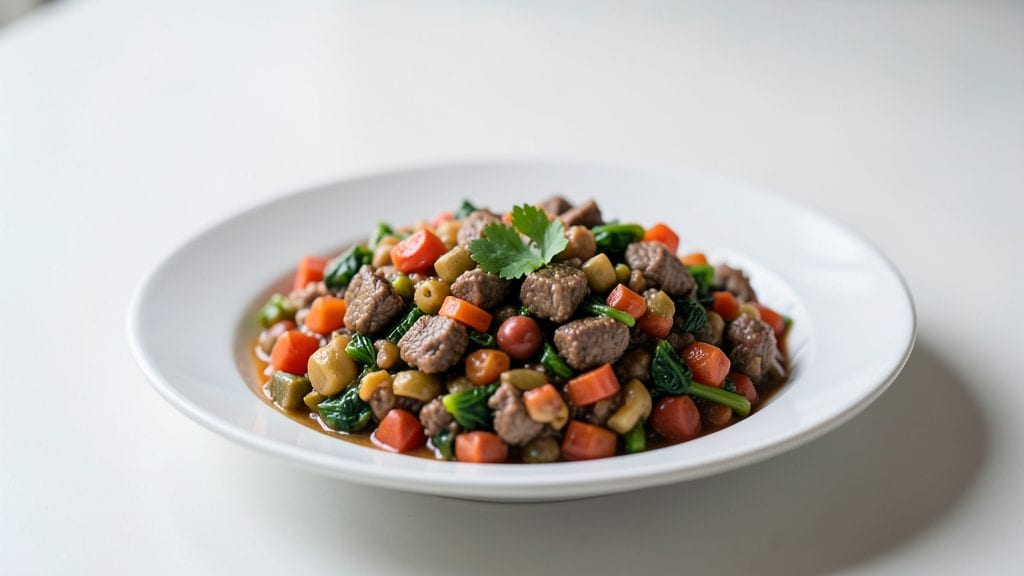
This beef minestrone recipe delivers the ultimate Italian comfort food—rich beef broth, tender vegetables, and al dente pasta all simmered together in one pot. The secret lies in browning the beef properly and layering flavors through careful sautéing and simmering.
After years of perfecting this dish, I’ve developed a method that balances heartiness with simplicity, ensuring every spoonful is packed with depth and texture.
The beauty of minestrone is its versatility—traditional Italian techniques meet modern convenience, whether you’re using a stovetop, slow cooker, or Instant Pot. I focus on building flavor through caramelized onions, garlic, and herbs, while the beef adds substantial protein that transforms this into a satisfying meal.
The vegetables—carrots, celery, zucchini, and cannellini beans—soften just enough to release their natural sweetness without losing texture.
By the end, you’ll have a steaming bowl of hearty minestrone with perfectly integrated pasta, tender beef, and a broth so flavorful it tastes like it’s been simmering all day.
The aroma alone will have everyone gathering around the table, and the first bite delivers that perfect balance of savory, earthy, and comforting notes. This is the kind of dish that feels like a hug in a bowl—warm, nourishing, and impossible to resist.
Serve it with crusty bread to soak up every last drop of that rich broth, or pair it with a simple green salad for a complete meal.
The best part? Leftovers taste even better the next day as flavors meld further. Let’s get cooking—this minestrone is worth every minute of simmering time.
Ingredients for beef minestrone
Sixteen ingredients, one unforgettable pot of Italian comfort—rich beef, vibrant vegetables, and al dente pasta.
| Ingredient | Amount | Notes |
|---|---|---|
| Beef Chuck Roast 🥩 | 1 ½ lb | Cut into 1-inch cubes |
| Yellow Onions 🧅 | 2 whole | Thinly sliced for caramelizing |
| Carrots 🥕 | 4 whole | Medium, peeled and sliced |
| Celery Stalks 🥬 | 4 whole | Trimmed and chopped |
| Zucchini 🥒 | 2 medium | Sliced into half-moons |
| Cannellini Beans 🌿 | 2 cans | Drained, rinsed, 15 oz each |
| Ditalini Pasta 🍝 | 1 lb | Uncooked, al dente preferred |
| Beef Broth 💧 | 6 cups | Homemade or high-quality store-bought |
| Tomato Paste 🍅 | ½ cup | Smooth, not chunky |
| Garlic Cloves 🧄 | 6 cloves | Minced for maximum flavor |
| Fresh Rosemary 🌿 | ¼ cup | Chopped, stems removed |
| Fresh Thyme 🌿 | ¼ cup | Leaves only, stems discarded |
| Extra-Virgin Olive Oil 🫒 | ½ cup | For sautéing and finishing |
| Salt 🧂 | 2 tsp | Diamond Crystal kosher preferred |
| Black Pepper 🌶️ | 1 tsp | Freshly cracked for brightness |
The beef is non-negotiable—chuck roast delivers that melt-in-your-mouth texture you crave. Grab it from Costco's butcher counter if you want the best marbling, or the regular supermarket chuck works fine. For the vegetables, Trader Joe's has pre-sliced carrots and celery that save time, but fresh is always better. The zucchini should be firm and bright green—no mealy ones here. Cannellini beans? Wooden spoon brand is my go-to for that perfect texture. And don't even think about pre-shredded cheese—freshly grated Parmigiano-Reggiano is where it's at if you want to add some at the end.
No chuck roast? Sirloin or flank steak works in a pinch, but it won't have the same tenderness. Fresh herbs wilt fast, so dried thyme and rosemary at half the amount will work if you're out. The tomato paste can be that squeeze tube from Trader Joe's—it's perfect for this. For the pasta, ditalini or small shells both work beautifully. Want to make it vegetarian? Swap the beef for extra-firm tofu or mushrooms—just increase the broth by 1 cup to keep it luscious. The key is balancing those veggies—if you're adding extras like corn or spinach, reduce one of the existing veggies slightly.
This soup sings better the next day—3-4 days in the fridge is perfect. For freezing, portion into airtight containers with 1-inch headspace—it keeps for up to 3 months. I always make double batches because it disappears faster than you can say 'comfort food.' The pasta will soften when reheating, so add a splash of broth and let it simmer gently. For serving, I like to top each bowl with freshly grated Parmigiano-Reggiano and a drizzle of that extra-virgin olive oil—game-changer every time.
Why You'll Love This Recipe
- One-Pot Magic: I swear by this recipe because it’s the kind of meal where you dump everything in one pot and walk away. The beef chuck roast slow-cooks right in the broth, while the onions, carrots, and celery soften into that perfect, savory base—no chopping boards left sticky or sink full of dishes.
- Rich, Hearty Depth: Between us, this isn’t your light summer soup. The beef chuck roast melts into tender, pull-apart strands, and the zucchini adds just enough freshness to balance the deep, meaty flavor. Honestly, the first time I tasted it, I thought, "Why haven’t I been making this all along?"
- Meal Prep MVP: This soup tastes even better the next day—yes, really. I make a big batch on Sundays, and by Wednesday, the flavors have melded into something even more satisfying. It’s my go-to for busy weeks, potlucks, or when I need to feed a crowd without stressing.
- Budget-Friendly Feast: A chuck roast stretches further than you’d think, and the veggies—onions, carrots, celery—are pantry staples. I’ll be real: it’s not the fanciest dish, but it’s the kind of meal that makes grocery money go further while still feeling special. Plus, leftovers? Always welcome.
Step-by-step instructions for beef minestrone
This hearty one-pot masterpiece delivers restaurant-quality depth with minimal effort.
Sear the Beef Chuck Roast for Maximum Flavor
Heat the 0.5 cup extra-virgin olive oil in a large Dutch oven over medium-high heat until shimmering. Working in batches to avoid crowding, add the 1.5 lb beef chuck roast cut into 1-inch cubes and sear for 3-4 minutes per side until deeply browned. This step creates the rich foundation for your soup.
Remove the beef and set aside. Here's the thing—don't rush this part. The deeper the caramelization, the more complex the final flavor. If your pan gets too crowded, reduce the heat slightly to prevent steaming instead of searing. You're building layers of flavor that will carry through the entire cooking process.
Build the Aromatic Vegetable Base
In the same Dutch oven, add the 2 whole yellow onions sliced thinly, 4 whole carrots sliced into rounds, and 4 whole celery stalks chopped into ¼-inch pieces. Cook for 8-10 minutes until the onions soften and begin to caramelize, stirring occasionally. This is where the sweetness develops—don't skip stirring or you'll risk burning.
Add the 6 cloves garlic cloves minced and cook for 30 seconds until fragrant. Stir in the 0.5 cup tomato paste and cook for another 2 minutes, allowing it to deepen in color. This creates a flavorful base that will blend beautifully with the beef and broth. The tomato paste adds a subtle sweetness that balances the hearty beef and vegetables.
Simmer the Beef and Vegetables
Return the seared beef to the pot. Pour in the 6 cups beef broth and bring to a gentle boil. Reduce heat to low and simmer uncovered for 1 hour, partially covered, until the beef is fork-tender. You'll notice the broth will reduce slightly and develop a rich, beefy aroma—this is your signal that the beef is breaking down beautifully.
Add the 2 medium zucchini sliced into half-moons and 2 cans cannellini beans drained and rinsed during the last 15 minutes of cooking. The zucchini should just barely soften—you want to preserve its slight crunch. Real talk: if you add them too early, they'll turn to mush. This timing ensures they retain their texture while absorbing all that delicious broth.
Finish with Herbs and Pasta
Stir in the 0.25 cup fresh rosemary and 0.25 cup fresh thyme, along with 2 teaspoons salt and 1 teaspoon black pepper. Add the 1 lb ditalini pasta and simmer for 10-12 minutes until al dente. The pasta should be just slightly undercooked—it will finish cooking in the residual heat as you serve.
Taste and adjust seasoning if needed. The beauty of this soup is in its balance—salty from the beans and broth, rich from the beef, and bright from the herbs and vegetables. Don't be afraid to add a splash more broth if it's too thick. This final step transforms your simple ingredients into a comforting, hearty meal that's perfect for chilly days.
Pro Tips For Making Beef Minestrone
- Sear the Chuck First: That beef chuck roast won’t self-baste like a steak—you’ve got to get it browned first. Hit medium-high heat with 1 tablespoon oil, then sear each side for 3-4 minutes until deep color forms. The crust locks in flavor and prevents dryness later. (Yes, even if you’re tempted to rush it.)
- Cut Veggies Uniformly: Dice those onions, carrots, and celery into ½-inch pieces—no smaller, no larger. Uniform size means even cooking, and you’ll avoid mushy carrots or undercooked celery. Skip the food processor unless you’re okay with mush. (I learned this after one disastrous batch where the celery turned to paste.)
- Add Zucchini Late: Tossing zucchini in too early turns it into sad, watery pulp. Wait until the last 10 minutes of simmering, then add it whole or in thick slices. It’ll absorb just enough flavor without falling apart. (Pro tip: Pat them dry first—they’ll release less water.)
- Deglaze with Wine: After searing the beef, don’t just add broth—deglaze the pan with ½ cup dry red wine (or broth if you’re skipping alcohol). Scrape up those browned bits; they’re packed with flavor that’ll deepen the soup. Let it reduce by half before adding liquids. (This isn’t optional—it’s the thing that makes the difference.)
Wine and beer pairings for this dish
Italian Red Wine
For this hearty beef minestrone, I reach for a medium-bodied Chianti Classico—its bright acidity and cherry notes cut through the richness of the beef while complementing the earthy vegetables.
Look for a Sangiovese-based wine from Tuscany, like Castello di Volpaia Chianti Classico, which balances the dish's savory depth with a touch of herbal complexity. Serve it slightly chilled (60-65°F) to enhance its refreshing qualities against the warm soup. 🍷
Crisp White Wines
If you prefer white, a Vermentino from Sardinia or a Fiano from Campania shines here. These wines offer citrus and mineral notes that refresh your palate between spoonfuls of beef and beans.
I love Terre Bianche Vermentino—its crisp acidity and white peach undertones harmonize beautifully with the tomato paste and herbs. Chill to 45-50°F for the best experience.
Malbec for Bold Preference
For those who love bold flavors, a Malbec from Argentina—like Catena Zapata Malbec—adds a velvety texture and dark fruit notes that stand up to the beef's richness. The wine's slight earthiness enhances the rosemary and thyme in the soup.
Decant for 30 minutes before serving to soften its tannins and bring out its plum and chocolate undertones.
Beer Pairings
A Belgian witbier like Hoegaarden brings a refreshing contrast with its citrusy coriander and spicy notes. The effervescence cleanses your palate between bites of hearty minestrone. For a darker option, try a German Dunkel—its malty sweetness and caramel undertones complement the caramelized onions and beef beautifully.
Non-Alcoholic Options
Don't overlook sparkling apple cider—it mirrors the acidity of wine while adding a crisp, fruity brightness. For a more savory match, try a ginger beer with a hint of lime, which enhances the dish's herbal notes without competing. Both options keep the meal refreshing and balanced. 💛
Nutrition facts
Frequently asked questions
Can I use ground beef instead of chuck roast for this minestrone?
Ground beef works in a pinch, but it won't deliver the same rich, tender texture. For best results, use 1 lb ground beef and brown it thoroughly with the onions. The flavor will be more uniform, though you'll lose the satisfying bite of properly cooked beef cubes. If you want a compromise, try 1 lb ground chuck—it has more fat and flavor than lean ground beef.
How can I make this minestrone in a slow cooker?
Transfer the seared beef, caramelized onions, garlic, and tomato paste to your slow cooker. Add the beef broth and simmer on low for 6-7 hours or high for 3-4 hours. During the last 30 minutes, add the zucchini, beans, herbs, and pasta. The slow cooker keeps everything tender without overcooking the vegetables. Stir occasionally to prevent sticking.
What vegetables can I substitute if I don't have all the ingredients?
This recipe is flexible! Swap carrots for potatoes or sweet potatoes, celery for kale or spinach, or zucchini for mushrooms or green beans. Just adjust cooking times—sturdy veggies like potatoes need more time, while delicate greens should go in last. The key is maintaining a balance of textures and flavors in each spoonful.
Why does my minestrone taste bland after simmering?
Blandness usually means insufficient seasoning or underdeveloped flavors. Always taste and adjust before serving—add more salt, pepper, or even a splash of red wine or balsamic vinegar for depth. The beef should be properly seared, and vegetables should caramelize slightly. If using store-bought broth, opt for low-sodium and add extra salt to taste.
Can I make this minestrone ahead of time?
This soup tastes even better the next day! Store in an airtight container in the fridge for 3-4 days or freeze for up to 3 months. Reheat gently on the stove with a splash of broth to restore texture. The flavors meld beautifully over time, making it perfect for meal prep.