
Sauces & Condiments
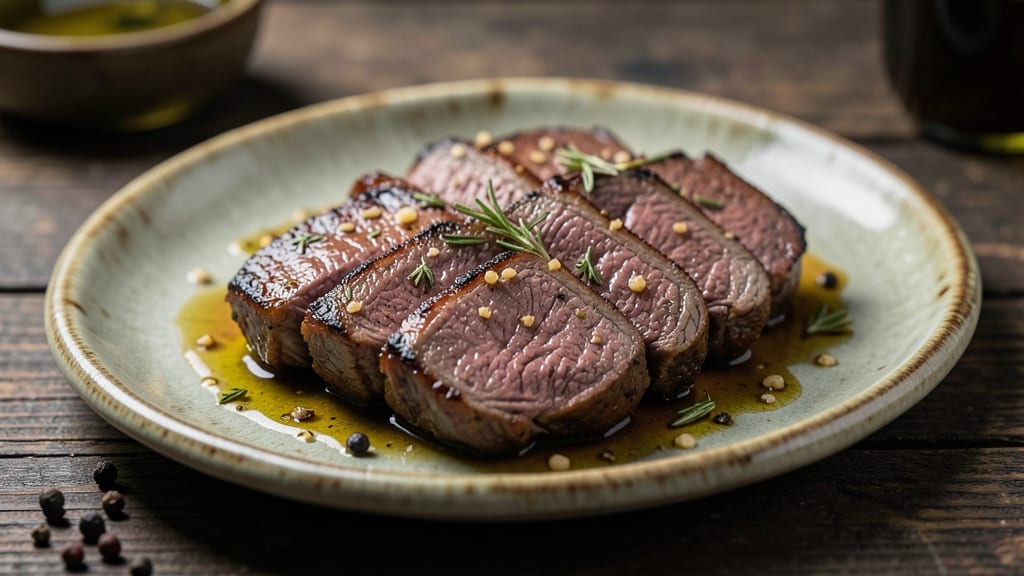
Transforming tough beef loin into tender, flavorful perfection starts with this beef loin marinade recipe designed to penetrate deep in under 30 minutes of prep. The secret lies in balancing acidity, oils, and aromatics to break down fibers while infusing rich, savory notes that elevate every bite.
I developed this marinade after years of testing—it’s the one that finally delivers restaurant-quality results at home without overpowering the natural beef flavor.
What sets this marinade apart is its precision: a blend of olive oil and red wine vinegar tenderizes the meat, while garlic, rosemary, and black pepper create layers of aromatic depth. The recipe uses only seven simple ingredients, yet achieves complex flavor that rivals hours of dry-brining.
For best results, marinate for 4 to 24 hours, allowing the beef to absorb maximum flavor while remaining juicy and tender.
By the time you’re ready to cook, your beef loin will be infused with a harmonious balance of tangy, herby, and umami notes that transform even the simplest preparation. This marinade works equally well for grilling, roasting, or pan-searing, making it a versatile foundation for any beef dish.
The flavors develop beautifully over time, ensuring your meat stays moist and packed with depth.
Store any leftover marinade in an airtight container for up to 5 days, or freeze for extended use—just remember to reserve a portion for basting. Whether you’re cooking for a special occasion or a weeknight dinner, this marinade guarantees beef that’s impossible to resist.
Let’s get started on the perfect flavor foundation.
Ingredients for beef loin marinade
Seven ingredients blend to create restaurant-quality beef flavor in minutes.
| Ingredient | Amount | Notes |
|---|---|---|
| Extra-Virgin Olive Oil 🫒 | ½ cup | High-quality, fruity variety |
| Red Wine Vinegar 🍷 | ¼ cup | Dry, full-bodied preferred |
| Garlic Cloves 🧄 | 6 cloves | Freshly minced, aromatic |
| Fresh Rosemary 🌿 | ¼ cup | Finely chopped, organic preferred |
| Black Peppercorns 🌶️ | 1 tbsp | Freshly cracked, coarse grind |
| Kosher Salt 🧂 | 1 ½ tsp | Fine grain, sea salt alternative |
| Worcestershire Sauce 🍶 | 1 tbsp | High-quality, umami-rich |
The olive oil is the backbone—look for extra-virgin with fruity notes at Whole Foods or Trader Joe's. Red wine vinegar should be dry and aged (none of that sweet cooking wine stuff). Fresh rosemary makes all the difference—buy sprigs and chop yourself—pre-cut loses flavor fast. Black peppercorns? Toast them lightly in a dry pan first—that extra step deepens the aroma. The Worcestershire sauce adds that umami punch—Lea & Perrins is the gold standard, but any good brand works.
No Worcestershire? Soy sauce or fish sauce at half the amount gets you close. Short on rosemary? Thyme or oregano work too. Olive oil shortage? Avocado oil is a great swap. The vinegar can be balsamic if you're in a pinch, but it'll taste sweeter. Garlic powder is a last resort—fresh is non-negotiable here. Want more depth? Add a splash of beef broth or soy sauce to the mix. This marinade keeps its punch even after sitting—perfect for meal prep.
Store leftovers in a sealed jar in the fridge for up to 5 days. Freeze for 3 months if you're prepping ahead. I always double the batch—one for marinating, one for basting. The flavors actually improve after 24 hours, so plan ahead. If you're grilling, reserve some marinade to brush on during cooking—that's where the magic happens.
Why You'll Love This Recipe
- No-Fuss Mixing: I just toss everything—olive oil, vinegar, smashed garlic, rosemary sprigs, and cracked peppercorns—into a jar and shake. Literally. No measuring cups, no straining, no mess. The vinegar and oil emulsify while you wait, so by the time you’re ready to cook, it’s ready.
- Umami Bomb: That red wine vinegar cuts through the richness of the beef like a knife, while the garlic and rosemary add layers of earthy heat. The result? A crusty, aromatic bite that makes even a simple pan-seared loin taste like it belongs on a restaurant menu.
- Weeknight to Dinner Party: Use it for quick weeknight dinners or let it sit overnight for a fancy roast. The same marinade works for grilled steaks, slow-cooked beef, or even a quick sear with roasted potatoes. Honestly, I’ve used it for all three in the same week.
- Leftovers That Don’t Suck: The flavors deepen the longer it sits, so I always make extra. That jar of marinade? It’s my secret weapon for turning tough cuts into tender, flavorful leftovers—no one ever guesses it’s the same stuff from yesterday. (Yes, even on a Tuesday night.)
Step-by-step instructions for beef loin marinade
This marinade delivers bold, aromatic flavor that penetrates deep into beef loin in record time.
Combine Wet Ingredients in a Mixing Bowl
In a medium mixing bowl, pour in the 0.5 cup extra-virgin olive oil and 0.25 cup red wine vinegar. I like to use a glass bowl for this step—it lets me see the colors blend beautifully as I stir. The vinegar will initially separate from the oil, but don't worry, they'll emulsify as we work.
Next, add the 1 tbsp Worcestershire sauce and 1.5 tsp kosher salt. Stir everything together with a whisk or fork until the salt dissolves completely. The mixture should look like a pale golden emulsion, with the vinegar's acidity starting to mellow out the oil's richness. This base creates the perfect balance of tangy, savory, and umami that will cling to the beef.
Add Aromatics and Peppercorns
Now it's time for the aromatic punch. Add the 6 cloves freshly minced garlic and 1 tbsp freshly cracked black peppercorns to the bowl. I always use a microplane for the garlic—it gives me finely minced cloves that dissolve beautifully into the marinade without leaving chunks. The peppercorns add a subtle heat that will permeate the beef.
Give everything another good stir, making sure the garlic and peppercorns are fully incorporated. You should notice the mixture darkening slightly as the aromatics release their oils. This is when the marinade starts to develop its complex flavor profile. The garlic will mellow out during the marinating process, but its initial sharpness helps break down the beef fibers.
Fold in Fresh Rosemary
Finally, add the 0.25 cup finely chopped fresh rosemary. I like to use a sharp chef's knife for this—chopping the rosemary finely ensures it distributes evenly and infuses the marinade without leaving noticeable stems. Give everything one last thorough stir, breaking up any rosemary sprigs that might form.
The marinade should now have a rich, herby aroma with a deep red-purple hue from the rosemary. This is your signal that all the flavors are properly combined. Let the marinade sit at room temperature for 5 minutes before using—this gives the ingredients just enough time to meld together naturally. The texture should be smooth and slightly syrupy, perfect for clinging to beef loin.
Marinade the Beef Loin (Critical Timing)
Place your beef loin in a resealable plastic bag or shallow dish and pour the marinade over it. I always use a bag for this because it ensures complete coverage and makes turning the meat easy. Massage the marinade into the beef, working it into all the crevices and edges. This step is crucial—it helps the marinade penetrate deep into the meat.
Seal the bag or cover the dish and refrigerate for no more than 4 hours—this marinade works fast but doesn't need long to do its job. For best results, flip the beef every hour to ensure even coating. The acid in the vinegar starts breaking down the meat fibers almost immediately, so don't over-marinate or you'll end up with mushy texture. When ready to cook, pat the beef dry before searing—this ensures a perfect crust every time.
Pro Tips For Making Beef Loin Marinade
- CRUSH THE GARLIC: Use a mortar and pestle or smash the cloves flat with the side of your knife before adding them—this releases more flavor and avoids bitter almond-like chunks. I learned this the hard way after serving a guest who complained about "garlic bits" in their steak.
- STEAM THE ROSEMARY: Lightly crush the rosemary sprigs with your palm before tossing them in—this bruises the leaves and releases their essential oils, making the marinade smell like a Tuscan summer. Skip this, and you’re basically marinating with a handful of twigs.
- MARINATE COLD: Let the beef loin sit in the fridge for at least 4 hours, ideally overnight, but don’t skip the cold step—room-temperature meat can turn the olive oil rancid faster than you’d think. I used to rush this and wondered why my steak tasted "off" even after cooking.
- BALANCE THE VINEGAR: Start with 1 tablespoon of red wine vinegar per cup of olive oil, then taste the marinade before adding more—too much acid will make the beef taste sour rather than bright. I was skeptical until I tried it: the right balance makes the rosemary and garlic sing.
Wine and beer pairings for this recipe
Red Wine Pairings
A bold Cabernet Sauvignon from Napa Valley is my go-to choice for this marinade—its dark fruit notes and firm tannins complement the rosemary and black pepper beautifully. Look for a 2018 or newer vintage with 14-15% ABV to stand up to the beef's richness.
The wine's acidity also mirrors the vinegar in the marinade, creating a harmonious balance. 🍷
For a more budget-friendly option, try a Malbec from Argentina—its plum and spice profile pairs wonderfully with the herby marinade. I recommend Catena Zapata for their consistent quality. Avoid overly oaky Chardonnays or light Pinot Noirs, as they won't match the marinade's intensity.
Beer Pairings
A Belgian Dubbel like Westmalle Trappist offers a perfect contrast with its caramel and raisin notes that complement the beef's savory depth. The beer's slight sweetness balances the marinade's acidity beautifully. Serve slightly chilled at 55°F to enhance its malt profile.
For a lighter option, try a German Helles Lager—its crisp, clean finish won't overpower the dish. Weihenstephaner Original is my top pick, with its subtle malt sweetness. Avoid heavy stouts or IPAs, as their bitterness can clash with the rosemary's herbal notes.
Cooking Wine Substitutes
If you're using the marinade to baste during cooking, consider adding a splash of dry red cooking wine (like Martini Rossi) to the remaining marinade. The alcohol burns off, leaving behind concentrated flavor. This works especially well when grilling—just brush on during the last 5-7 minutes of cooking.
For a non-alcoholic option, use grape juice reduction—simmer 1 cup dry red grape juice until reduced by half. The concentrated fruit flavors mimic wine beautifully while keeping the dish suitable for all guests. 💫
Seasonal Adaptations
In summer months, I like to add 1 tbsp fresh thyme to the marinade and pair it with a crisp Sauvignon Blanc from New Zealand. The citrusy wine brightens up the dish perfectly when temperatures rise.
The thyme adds an extra layer of herbal complexity that works well with grilled beef.
For winter cooking, swap the rosemary for fresh thyme and bay leaves and pair with a Syrah from the Rhône Valley. The spice notes in the wine enhance the beef's richness, making it ideal for hearty winter meals.
The bay leaves add a subtle earthiness that complements both the wine and the beef.
Nutrition facts
Frequently asked questions
How long should I marinate beef loin for maximum flavor without over-tenderizing?
Marinate for 4 to 24 hours in the refrigerator for optimal results. The acid in the vinegar starts breaking down fibers immediately, so beyond 24 hours, you risk making the meat mushy. For best texture, 8-12 hours gives perfect tenderization without compromising structure. Always flip the meat hourly for even coating.
Can I reuse leftover marinade after it's touched raw beef?
No, never reuse marinade that's been in contact with raw meat—it contains harmful bacteria. For basting, make a fresh batch using the same ingredients or use a separate portion reserved before marinating. The flavors are identical, so this is a safety must. Always boil unused marinade for 5 minutes if you want to use it as a sauce for non-meat dishes.
What's the best way to store this marinade if I make extra?
Store unused marinade in an airtight container in the fridge for 5 days or freeze for 3 months. The flavors actually improve over time! For freezing, use ice cube trays—thaw and use within 24 hours. Label with the date to track freshness. The rosemary and garlic will keep their potency better when properly stored.
Can I adjust this marinade for grilling vs. roasting?
For grilling, add 1 tbsp smoked paprika to enhance smoky flavors. For roasting, increase the rosemary to 0.5 cup and add 1 tsp dried thyme for extra depth. The base marinade works for both, but these tweaks optimize the cooking method. Always pat the beef dry before grilling to get that perfect sear.
Why does my beef turn out tough even after marinating?
Over-marinating (beyond 24 hours) or using too much acid (vinegar) breaks down muscle fibers too much. Also check your cooking temperature—beef loin should reach 145°F internally for medium-rare. Rest the meat for 10-15 minutes after cooking to redistribute juices. If using thick cuts, consider a 2-hour dry brine with salt before marinating for extra tenderness.