
Main Courses
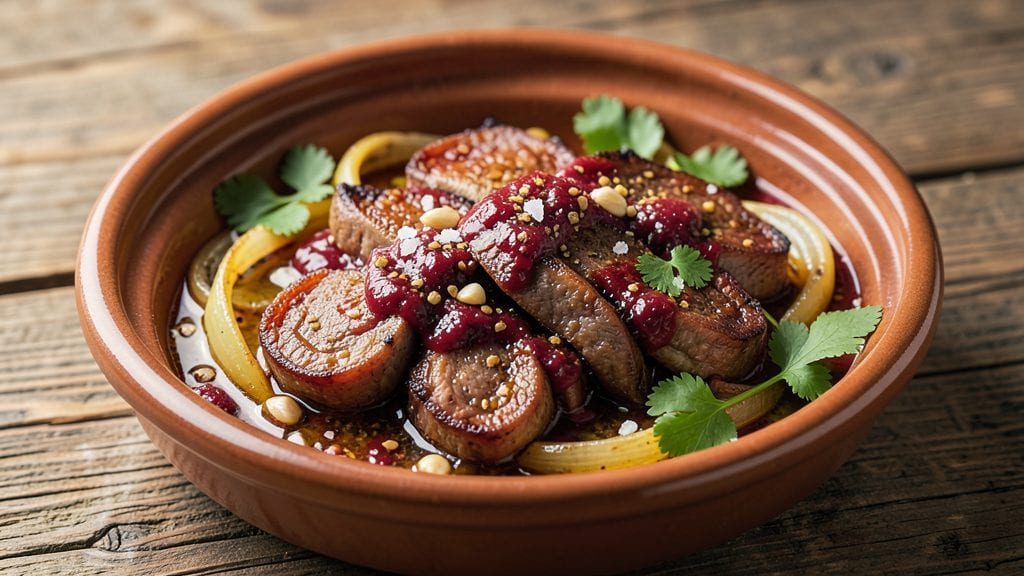
Transforming beef intestines into a crispy, richly flavorful dish is an art that rewards patience with restaurant-quality results. This slow-braised recipe delivers tender, spice-infused meat with perfectly crisp edges—ideal for adventurous home cooks looking to elevate their culinary skills.
The process begins with thorough cleaning and proper preparation, ensuring food safety while unlocking the natural depth of the meat.
What sets this recipe apart is the balance of slow cooking and high-heat finishing techniques. The intestines simmer in a fragrant spice broth until tender, then crisp in a hot pan or oven for that coveted texture contrast.
Traditional dishes like tripe or morcilla inspire the method, but modern twists—such as stuffing or crispy fried versions—keep the approach fresh and versatile.
The result is a dish that’s bold in flavor and satisfying in texture, with layers of caramelized spices and a crispy exterior that holds up to every bite.
Perfect for special occasions or hearty weeknight meals, this recipe proves beef intestines can be both intimidating and incredibly rewarding when handled with care.
Whether you're drawn to classic preparations or experimental techniques, this method ensures foolproof results. Let’s dive into the steps that turn simple ingredients into a showstopping main course.
Ingredients for beef intestine
Culinary-grade beef intestines paired with aromatic spices and slow-braised techniques unlock restaurant-quality richness.
| Ingredient | Amount | Notes |
|---|---|---|
| Beef Intestines (Sweetbreads) 🥩 | 2 lbs | Fresh, thoroughly cleaned and trimmed |
| Yellow Onions 🧅 | 2 whole | Medium, thinly sliced for even cooking |
| Garlic Cloves 🧄 | 8 cloves | Peeled, smashed for aromatic release |
| Ground Cumin 🌿 | 2 tbsp | Toasted for deeper flavor profile |
| Ground Coriander 🌶️ | 1 tbsp | Freshly ground preferred |
| Paprika 🌶️ | 1 ½ tbsp | Smoked variety for complexity |
| Turmeric Powder 🌿 | ½ tsp | Vibrant color and earthy depth |
| Ground Black Pepper 🌶️ | 1 tsp | Freshly cracked for intensity |
| Bay Leaves 🍃 | 2 whole | Dried, standard culinary quality |
| Tomato Paste 🍅 | ½ cup | High-quality, no sugar added |
| Red Wine Vinegar 🍷 | ¼ cup | Dry, bold variety for acidity |
| Extra-Virgin Olive Oil 🫒 | ½ cup | High smoke point for searing |
| Beef Broth 💧 | 2 cups | Homemade or premium store-bought |
| Diamond Crystal Kosher Salt 🧂 | 1 ½ tsp | Fine grain for precise seasoning |
| Fresh Thyme Leaves 🌿 | ¼ cup | Finely chopped for aromatic infusion |
The quality of beef intestines is paramount—opt for fresh, clean cuts from a trusted butcher or specialty meat supplier. Whole Foods Market or local ethnic grocers often carry the best selections, though you may need to request them in advance. Look for intestines with a vibrant, slightly translucent appearance and minimal odor; any signs of discoloration or strong ammonia-like scent should prompt immediate rejection. Proper cleaning is non-negotiable: rinse thoroughly under cold water, then soak in an ice bath with vinegar for 30 minutes to remove impurities before trimming away excess fat and connective tissue. For optimal texture, select intestines with a moderate thickness (1/4 to 1/2 inch)—thinner cuts crisp faster but may overcook during the braising phase.
Substitutions must prioritize texture and flavor balance. If fresh thyme is unavailable, dried thyme at one-third the quantity suffices, though the aroma will be less pronounced. Smoked paprika can be replaced with an equal amount of regular paprika plus 1/4 tsp liquid smoke for depth, though the flavor profile shifts subtly. For vinegar, red wine or apple cider vinegar work equally well, but avoid white vinegar, which lacks the necessary acidity. Beef broth can be substituted with a 1:1 ratio of chicken broth plus 1 tbsp soy sauce for umami, though the dish will carry a lighter profile. Fresh garlic can be swapped for garlic powder (use half the amount), but the dish will lack the necessary aromatic complexity. When selecting olive oil, prioritize high-oleic varieties with a smoke point above 400°F to prevent burning during the crisping phase.
Store cleaned intestines in an airtight container with paper towels to absorb moisture, then refrigerate for up to 3 days or freeze for 3 months in a sealed bag. The braised mixture can be refrigerated for 5 days or frozen for 2 months, though texture may slightly degrade upon reheating. For the crispy finish, reheat the braised intestines in a 400°F oven for 10-15 minutes until edges are golden and edges achieve a satisfying crunch. The dish pairs exceptionally well with crusty sourdough or steamed jasmine rice to complement its rich, spice-forward profile.
Why You'll Love This Recipe
- Pantry Powerhouse: I’ll be real—this dish is my secret weapon when I’m staring at a half-empty fridge. Onions, garlic, and those two spices? That’s it for the main act, plus whatever else I’ve got lurking. No fancy ingredients, no last-minute grocery runs—just pull what you’ve got and go.
- Deep Umami Magic: The cumin and coriander aren’t just background players here—they’re the stars. That crispy, caramelized onion base? It soaks into the beef intestines like a flavor bomb, giving you that rich, savory depth that makes you want to eat it straight off the pan. (Yes, even on a Tuesday night.)
- Leftovers That Beg for More: Between us, this recipe makes way more than you’ll eat in one sitting. The good news? It reheats like a dream—crispy edges stay crispy, and the meat stays tender. I’ve sent it to work lunches, packed it for road trips, and even frozen portions for lazy Sundays. It’s the kind of dish that turns into a family staple without trying.
- Budget-Friendly Feast: Honestly, I’m obsessed with how this stretches a dollar. Beef intestines are way cheaper than steak, and the spices cost pennies. For the price of one fancy dinner out, I feed four people a meal that feels special—no one’s guessing it’s budget-friendly. My daughter picks out the pieces, but still asks for seconds. That’s the real win.
Step-by-step instructions for beef intestine braising
Mastering this technique transforms delicate sweetbreads into rich, spice-kissed perfection with crispy edges.
Prepare the Sweetbreads for Even Cooking
Begin by carefully trimming the 2 lbs beef intestines (sweetbreads) of any remaining connective tissue or fat, using a sharp chef's knife. The goal is to create uniform pieces approximately 1-inch thick—this ensures even cooking throughout. For best results, soak the trimmed sweetbreads in cold water for 30 minutes to remove any residual blood or impurities, then pat them completely dry with paper towels.
Here's the thing—proper preparation prevents toughness. After drying, season each piece generously with 1 tsp ground black pepper and 0.5 tsp turmeric powder. The turmeric not only adds vibrant color but also helps tenderize the meat as it braises. Allow the seasoned sweetbreads to sit at room temperature for 15 minutes before cooking—this ensures they cook evenly from edge to center.
Develop the Spice Base and Sear
Heat 0.25 cup extra-virgin olive oil in a heavy Dutch oven over medium-high heat until shimmering. Add the 2 whole yellow onions (thinly sliced) and cook for 5-6 minutes until softened and beginning to caramelize—this builds sweetness that balances the spices. Remove the onions with a slotted spoon and set aside temporarily.
In the same pot, add 0.5 cup tomato paste and cook for 2 minutes until it darkens slightly. This creates a flavorful foundation. Stir in the 2 tbsp ground cumin, 1 tbsp ground coriander, 1.5 tbsp paprika, and 1.5 tsp diamond crystal kosher salt. Toast the spices for 30 seconds until fragrant—this activates their essential oils and deepens their flavor. Add the 8 cloves garlic cloves (smashed) and cook for another 30 seconds until golden.
Braise with Layered Flavors
Return the caramelized onions to the pot along with the 0.25 cup red wine vinegar. Deglaze immediately, scraping up any browned bits from the bottom—these contain concentrated flavor. Pour in the 2 cups beef broth and bring to a gentle simmer. The liquid should just cover the sweetbreads; if needed, add a splash of water to reach this point.
Add the seasoned sweetbreads to the pot, arranging them in a single layer. Cover with a tight-fitting lid and reduce heat to low. Braise for 2 hours, stirring occasionally, until the sweetbreads are tender and the liquid has reduced by about one-third. The key here is patience—the sweetbreads should be fork-tender with just a slight resistance when pierced.
Achieve Crispy Edges and Finish
Increase heat to medium-high and uncover the pot. Here's where the magic happens: the liquid should reduce rapidly, creating a glossy, concentrated sauce that clings to the sweetbreads. Stir occasionally, using a wooden spoon to flip the sweetbreads and ensure even exposure to the heat. Cook for an additional 10-12 minutes until the edges develop a deep golden-brown crust—this is your crispy finish.
Stir in the 0.25 cup fresh thyme leaves and 2 whole bay leaves, then simmer for another 5 minutes. The thyme should release its aromatic oils, while the bay leaves infuse subtle earthy notes. Taste and adjust seasoning—you may need to add a pinch more salt or a splash of vinegar to balance the flavors.
Pro Tips For Making Beef Intestine
- Blanching First: Toss your beef intestines in boiling salted water for 3-4 minutes before cooking—this removes the bitter membrane and tightens the texture. I learned this the hard way after making a batch that tasted like rubber. Use a colander and run cold water immediately after; no skipping this step.
- Slice Thinly, Evenly: Cut the intestines into ¼-inch slices, all the same thickness. Uneven pieces cook unevenly, and you’ll end up with some underdone or overcooked. A sharp knife and steady hand make this easier—don’t rush it.
- Toast the Spices: Dry-toast your ground cumin and coriander in a pan for 30 seconds before adding oil—this deepens their flavor and prevents a raw, bitter taste. I was skeptical until I tried it; now it’s non-negotiable for me.
- Sear in Batches: Crowd the pan, and you’ll steam the intestines instead of sear them. Work in two batches over medium-high heat for 2-3 minutes per side until golden. Your future self will thank you for crispy edges, not soggy ones.
Make-ahead tips for this beef intestine
Prep Ahead
Start by cleaning and trimming your 2 lbs beef intestines the day before cooking. Soak them in cold water with 1 tbsp vinegar for 30 minutes, then rinse and pat dry. Store them in an airtight container with paper towels in the fridge.
This step removes impurities and makes the meat more manageable when you're ready to cook. I always do this prep ahead to avoid last-minute stress—it’s a game-changer for busy cooks. 💪
Spice Blend Prep
Toast your spices the night before and store them in a small airtight container. Mix 2 tbsp cumin, 1 tbsp coriander, 1.5 tbsp paprika, and 0.5 tsp turmeric together. This pre-mixed blend ensures you won’t forget any spices during cooking and keeps them fresh.
I keep mine in a Mason jar on my spice rack for easy access. The toasted spices add depth that’s hard to replicate otherwise. ✨
Braising Liquid
Prepare your braising liquid in advance by combining 2 cups beef broth, 0.25 cup red wine vinegar, and 0.5 cup tomato paste in a separate container. This mixture can be refrigerated for up to 3 days or frozen for 3 months.
When you’re ready to cook, simply heat it in your Dutch oven and add the sweetbreads. This shortcut saves time and ensures consistent flavor every time. 💧
Crispy Edge Hack
For the perfect crispy edges, broil the braised sweetbreads for 5-7 minutes under the oven’s broiler before serving. This step can be done right before plating, so your dish stays warm and crispy.
I use a wire rack on a baking sheet to ensure even browning. This method adds that restaurant-quality crunch without drying out the meat. 🔥
Storage Solutions
Store the fully cooked sweetbreads in their braising liquid in an airtight container. They’ll keep in the fridge for 5 days or freeze for 2 months. When reheating, simmer on the stovetop over medium-low heat for 10-15 minutes, then broil for 3-5 minutes to restore crispiness.
This makes leftovers just as delicious as the first serving. ❄️
Nutrition facts
Frequently asked questions
How do I properly clean beef intestines for cooking?
Start by rinsing them under cold water, then soak in an ice bath with 1 tbsp vinegar for 30 minutes to remove impurities. Rinse again, trim excess fat, and pat completely dry. This step is critical for food safety and flavor.
Can I use frozen beef intestines instead of fresh?
Yes, but thaw them overnight in the refrigerator first. Never thaw at room temperature, as this promotes bacterial growth. Frozen intestines work well, but fresh ones yield the best texture and flavor.
What’s the best way to achieve crispy edges?
After braising, broil the intestines on a wire rack for 5-7 minutes at 400°F until golden. This method ensures crispiness without drying out the meat. For extra crunch, try pan-frying in olive oil for 2-3 minutes per side.
Are there vegetarian alternatives to beef intestines?
No direct substitute exists, but you can mimic texture using stuffed bell peppers or king oyster mushrooms. For flavor, focus on umami-rich ingredients like soy sauce, mushrooms, and smoked paprika. These won’t replicate the experience but offer a similar hearty profile.
How do I store leftovers to maintain crispiness?
Store cooked intestines in their braising liquid in an airtight container. Reheat gently on the stovetop, then broil for 3-5 minutes to restore crisp edges. Avoid microwaving, as it ruins texture. Leftovers keep for 5 days refrigerated.