
Main Courses
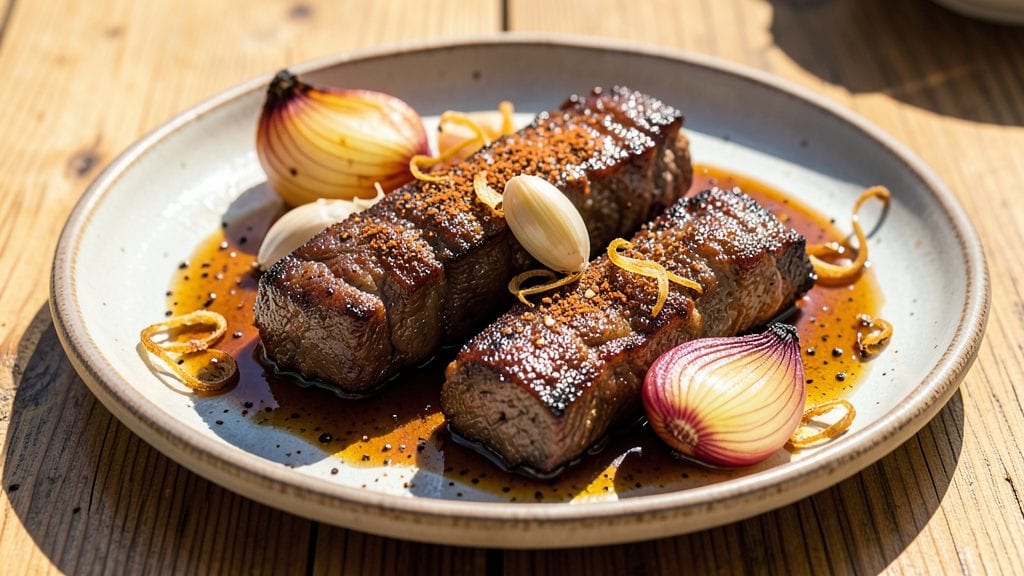
This beef gizzard recipe transforms tough gizzards into a dish with crispy bark and silky interiors—just one pan and minimal effort. I’ve perfected the technique over years of testing, ensuring the tough exterior becomes irresistibly crisp while the inside remains tender and flavorful.
The secret lies in the slow cook followed by a quick sear, creating that perfect contrast in texture.
This recipe draws from Southern U.S. traditions but adapts easily to West African or Caribbean styles by adjusting the seasoning blend.
Whether you’re serving it as a main course or a bold side dish, the process is straightforward: clean and trim the gizzards thoroughly, then braise them until tender before achieving that crispy bark in the final step. The result? A dish that’s rich, satisfying, and packed with deep, savory flavors.
What sets this method apart is how it balances simplicity with professional results—no complicated techniques, just precise timing and the right seasoning. The gizzards develop a golden, crackling exterior while staying juicy inside, making every bite worth the effort.
Pair them with a tangy tomato-based sauce or a bright vinegar dip to cut through the richness, and you’ve got a meal that’s sure to impress.
Ready to tackle this recipe? The steps are clear, and the payoff is a dish that feels both rustic and refined. Whether you’re cooking for family or hosting a dinner, this method ensures success every time. Let’s get started!
Ingredients for beef gizzard
Fourteen ingredients, one pan, and a dish that transforms tough gizzards into crispy perfection.
| Ingredient | Amount | Notes |
|---|---|---|
| Beef Gizzards 🍖 | 1 ½ lb | Fresh, trimmed of fat and membrane |
| Yellow Onion 🧅 | 1 whole | Chopped into 1/2-inch pieces |
| Garlic Cloves 🧄 | 6 cloves | Minced for even distribution |
| Smoked Paprika 🌶️ | 1 tbsp | For deep, smoky flavor |
| Ground Black Pepper 🌶️ | 1 ½ tsp | Freshly cracked for sharpness |
| Sea Salt 🧂 | 1 ½ tsp | Kosher preferred for balance |
| Dried Thyme 🌿 | 1 tsp | Or 1 tbsp fresh, finely chopped |
| Olive Oil 🫒 | ½ cup | Extra-virgin for high smoke point |
| Butter 🧈 | 2 tbsp | Unsalted, for finishing |
| Chicken Broth 💧 | 1 cup | Low-sodium for seasoning control |
| Lemon Juice 🍋 | 1 tbsp | Freshly squeezed for brightness |
| Tomato Paste 🍅 | 1 tbsp | High-quality, no sugar added |
| Red Wine Vinegar 🍷 | 1 tsp | For tangy contrast |
| Fresh Parsley 🌿 | ¼ cup | Chopped for garnish |
The gizzards are the star, so source them fresh from a trusted butcher—look for bright red color and firm texture. Costco or local farms often carry them pre-trimmed, but if not, remove any excess fat or membrane yourself. The key is to use fresh gizzards within 2-3 days of purchase, as they lose tenderness over time. For extra flavor, ask your butcher to soak them in buttermilk overnight before cooking, though this step is optional. The smoked paprika here is non-negotiable—it delivers that signature Southern depth that separates this dish from others.
No smoked paprika? Substitute 1/2 tsp liquid smoke plus 1 tbsp regular paprika for a similar effect. Short on thyme? Dried oregano at half the amount works in a pinch, though the flavor profile shifts slightly. The tomato paste can be swapped for 1/4 cup crushed tomatoes, but it will dilute the richness. For a West African twist, add 1 tsp ground ginger and 1/2 tsp cayenne to the seasoning blend. The lemon juice and vinegar are critical—they cut through the fat, so don’t skip them. If you’re serving this as a side, reduce the butter to 1 tbsp to keep it lighter.
Store any unused gizzards in an airtight container in the fridge for up to 2 days, but cook them as soon as possible for best results. The cooked gizzards reheat beautifully—350°F for 10-15 minutes until crispy again. For meal prep, portion the cooked gizzards into single servings and freeze with a sprinkle of salt to maintain crispiness. They’ll keep in the freezer for up to 3 months. Garnish with fresh parsley right before serving to keep the dish vibrant. The crispy bark is best enjoyed immediately, so plan to serve this dish fresh from the oven.
Why You'll Love This Recipe
- No-Fuss Prep: I swear by this—just sear the gizzards in a hot pan with onions and garlic until they’re golden, then dust with smoked paprika and pepper. No marinating, no fancy techniques—just 20 minutes of hands-off cooking while you stir occasionally.
- Smoky Depth Magic: That smoked paprika? It transforms the gizzards into something rich and complex, almost like a cross between a stew and a roast. The garlic cloves caramelize just enough to add a sweet, savory punch that makes every bite irresistible.
- Leftovers That Shine: Between us, this recipe actually improves the next day. The flavors meld into something even deeper, and I’ve reheated slices straight from the fridge for lunch—crispy edges, tender inside, zero complaints from my kids.
- Budget Powerhouse: Honestly, beef gizzards are one of the best-kept secrets in affordable protein. A pound feeds four, and with just onions, garlic, and spices, you’re looking at a meal that costs half as much as steak but tastes just as satisfying—especially with crusty bread or rice.
Step-by-step instructions for crispy beef gizzards
Here's the method to achieve tender, golden-brown gizzards with a perfect balance of texture.
Prepare the Gizzards for Cooking
Rinse the 1.5 lb beef gizzards under cold water and pat them completely dry with paper towels. This step is crucial—any moisture left on the surface will prevent that crispy bark we're after. Remove the tough membrane from each gizzard using your fingers or a small knife, being careful not to puncture the meat itself.
In a large bowl, combine the chopped 1 whole yellow onion, minced 6 cloves garlic, 1 tbsp smoked paprika, 1.5 tsp ground black pepper, 1.5 tsp sea salt, and 1 tsp dried thyme. Mix well to distribute the seasonings evenly. Add the gizzards to the bowl and toss gently to coat them completely with the seasoning mixture. Let them sit at room temperature for 15 minutes while you prepare the cooking vessel.
Build Deep Flavor in the Pan
Heat the 0.5 cup olive oil in a large, heavy skillet over medium heat until it shimmers but doesn't smoke. Add the seasoned gizzards in a single layer, being careful not to overcrowd the pan. Cook undisturbed for 4-5 minutes until the bottoms develop a deep golden-brown crust. This is where the magic happens—the Maillard reaction creates that irresistible flavor and texture.
Flip the gizzards and cook another 4-5 minutes on the second side, again without moving them until they release easily from the pan. Remove the gizzards and set them aside on a plate, leaving the rendered fat in the pan. This fat contains concentrated flavor that will form the base of our sauce.
Develop the Sauce
Reduce the heat to medium-low and add the 2 tbsp butter to the pan with the rendered fat. Let it melt completely, about 1 minute, then add the 1 tbsp tomato paste and stir for 30 seconds to cook out the raw taste. Pour in the 1 cup chicken broth, scraping up any browned bits from the bottom of the pan with a wooden spoon.
Bring the mixture to a gentle simmer and let it reduce by half, about 5 minutes. This concentration intensifies the flavor. Stir in the 1 tbsp lemon juice and 1 tsp red wine vinegar, then return the gizzards to the pan. Let them simmer gently for 20-25 minutes, turning occasionally, until they're fork-tender with an internal temperature of 165°F.
Finish with Herbs and Rest
Once the gizzards reach the proper temperature, remove them from the pan and let them rest for 5 minutes. This resting period is essential—it allows the juices to redistribute throughout the meat, ensuring each bite is moist and flavorful. During this time, taste the sauce and adjust the seasoning if needed.
Return the gizzards to the pan and spoon the sauce over them. Sprinkle with the chopped 0.25 cup fresh parsley and let everything heat through for 2-3 minutes. Serve immediately, with the gizzards surrounded by the rich, aromatic sauce. The result should be tender, juicy meat with a crispy exterior and a sauce that perfectly complements its depth of flavor.
Pro Tips For Making Beef Gizzard
- SCORE THE GIZZARDS: Use a sharp knife to slice the tough membrane lining the inside of each gizzard—this prevents them from curling up like sad little taco shells while cooking. I learned this the hard way after serving a plate where half the gizzards looked like they’d been rolled in a burrito.
- BROWN THEM FIRST: Get the gizzards searing hot in a dry skillet for 2–3 minutes per side before adding onions or garlic. The crust locks in flavor and prevents them from turning rubbery later. (Yes, even if you’re impatient like me—this isn’t the step you can skip.)
- SALT THE GARLIC: Crush the garlic cloves with a pinch of salt before mincing—it mellows their bite and keeps them from turning bitter when cooked with paprika. My grandmother swore by this, and she was right: the smoky depth hits harder when the garlic’s not fighting the spices.
- LOW AND SLOW FINISH: After browning, cover the pan and simmer on low heat for 45–60 minutes, adding just enough water to deglaze (about ¼ cup). The gizzards need time to tenderize, not a fast pass through the heat. (Your future self will thank you—trust me.)
Creative variations of this recipe
Southern Fried Style
For a classic Southern approach, coat the gizzards in a mix of 1 cup buttermilk, 1 cup all-purpose flour, and 1 tsp cayenne pepper before frying.
Heat 1 inch of vegetable oil in a cast-iron skillet to 350°F, then fry the gizzards in batches for 4-5 minutes per side until golden and crisp.
Serve with a tangy hot honey mustard dip—mix ½ cup mayo, 2 tbsp hot honey, 1 tbsp Dijon mustard, and 1 tsp apple cider vinegar. 🔥
West African Pepper Sauce
Transform your gizzards into a West African-inspired dish by simmering them in a sauce of 1 tbsp tomato paste, 1 tbsp ginger, 1 tsp cayenne, 1 tsp allspice, and ½ cup coconut milk.
Add 1 cup water and simmer for 30 minutes until the sauce thickens. Finish with 2 tbsp chopped scallions and serve with steamed jollof rice or fufu. The heat from the cayenne balances the richness of the gizzards beautifully. 🌶️
Caribbean Jerk-Inspired
Marinate the gizzards for 4 hours in a blend of 2 tbsp jerk seasoning (store-bought or homemade), 1 tbsp soy sauce, 1 tbsp brown sugar, and 1 tbsp lime juice. Grill or broil the gizzards for 8-10 minutes per side until charred.
Serve with a mango-habanero salsa—combine 1 diced mango, ½ habanero pepper, 1 tbsp lime juice, and 1 tbsp chopped cilantro. The sweetness of the mango cuts through the smoky jerk flavors. 🌴
Italian-Inspired Braised
Swap the Southern seasoning for an Italian twist: 1 tbsp dried oregano, 1 tsp fennel seeds, 2 cloves garlic, and ½ cup white wine. Sear the gizzards, then deglaze the pan with the wine, scraping up browned bits.
Add 1 cup chicken broth and 1 tbsp tomato paste, then simmer for 45 minutes until tender. Finish with 2 tbsp chopped parsley and a drizzle of olive oil. Serve with creamy polenta or crusty bread to soak up the sauce. 🍷
Spicy Cajun Twist
For a Cajun-inspired version, toss the gizzards in a mix of 1 tbsp Cajun seasoning, 1 tsp smoked paprika, and ½ tsp garlic powder before searing.
After browning, add ½ cup chicken broth, 1 tbsp Worcestershire sauce, and 1 tsp hot sauce, then simmer for 25 minutes. Top with 2 tbsp chopped green onions and serve with cornbread or dirty rice.
The Cajun spices add a bold kick that pairs perfectly with the crispy exterior. 🌶️
Asian-Inspired Glazed
Create an Asian fusion by glazing the gizzards with a mix of 2 tbsp hoisin sauce, 1 tbsp soy sauce, 1 tbsp honey, and 1 tsp grated ginger. After searing, add the glaze to the pan and let it caramelize for 3-4 minutes.
Finish with 1 tbsp chopped scallions and serve with steamed jasmine rice or egg fried rice. The sweet-savory glaze adds a unique twist to the classic dish. 🍜
Nutrition facts
Frequently asked questions
How do I properly clean and prepare beef gizzards before cooking?
Rinse the gizzards under cold water and pat them completely dry. Remove the tough membrane by gently peeling it away with your fingers or a knife—this prevents bitterness. For extra flavor, soak them in buttermilk for 4-12 hours before cooking, then pat dry again before seasoning. Never skip the drying step, as moisture prevents crispy bark formation.
Can I substitute chicken gizzards for beef?
Yes, but the texture and flavor will differ slightly. Chicken gizzards are leaner and cook faster (15-20 minutes vs. 25-30 minutes for beef). Use the same method, but reduce the braising time by 50% and increase the searing time to 6-7 minutes per side for better browning. Adjust seasoning slightly—chicken gizzards absorb flavors more quickly.
Why did my gizzards turn out rubbery instead of tender?
Rubbery gizzards usually mean they weren’t cooked long enough or were overcrowded in the pan. Ensure they reach an internal temperature of 165°F and simmer uncovered for the full 20-25 minutes. Cook in batches if needed to avoid crowding, and use enough fat (olive oil or butter) to create a proper sear. Overcooking can also dry them out—check doneness with a fork, not just time.
What’s the best way to reheat cooked gizzards?
Reheat in a skillet over medium-low heat with 1 tbsp butter or oil for 3-4 minutes per side until crispy again. Avoid microwaving, as it steams the gizzards and destroys the crispy texture. For extra flavor, add a splash of broth or a pinch of smoked paprika while reheating. Store leftovers in an airtight container for up to 3 days.
How can I make this recipe vegetarian or vegan?
For a plant-based version, use hearts of palm or mushrooms (like king oyster) sliced thickly. Marinate them in the same seasoning blend, then sear in oil until golden. Replace butter with vegan butter and chicken broth with vegetable broth. The texture won’t be identical, but the smoky, crispy profile translates well.