
Main Courses
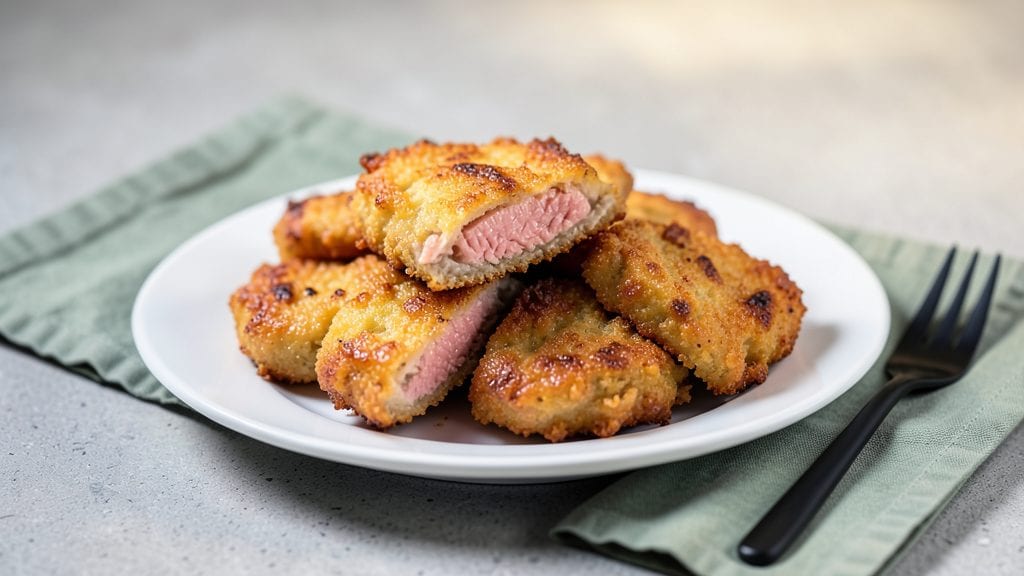
This beef fry recipe delivers crispy-crusted bites with perfectly juicy centers, transforming simple cuts into restaurant-quality results. The secret lies in proper breading technique and precise oil temperature—no more dry, greasy, or undercooked beef.
I’ve perfected this method over years of testing, ensuring every bite has that satisfying crunch while staying tender inside.
What sets this recipe apart is the two-step breading process that creates an ultra-crispy exterior without sacrificing moisture. Whether you’re working with thin cutlets or heartier steak slices, the technique adapts seamlessly.
The dish comes together in just 20 minutes of active prep, making it ideal for weeknight dinners or weekend gatherings where you want to impress.
By the time you plate these golden, shatteringly crispy beef bites, you’ll have a dish that’s impossible to resist—juicy enough to melt in your mouth yet sturdy enough to hold up to dipping sauces.
The aroma alone will have everyone at the table anticipating the first bite, and the contrast of textures makes every mouthful unforgettable.
Serve with a cooling side salad, roasted vegetables, or a simple rice pilaf to balance the richness. The versatility of this recipe means it works equally well as a main course or appetizer, proving that crispy doesn’t have to mean complicated.
Let’s get started on creating beef that’s worth the wait.
Ingredients for beef fry
Transform simple beef cuts into restaurant-quality bites with these essential ingredients.
| Ingredient | Amount | Notes |
|---|---|---|
| Beef Top Round Steak 🥩 | 1 ½ lb | Cut into 1/2-inch thick slices |
| All-Purpose Flour 🌾 | 1 ½ cups | For first breading layer |
| Cornstarch 🌾 | ½ cup | For second breading layer |
| Diamond Crystal Kosher Salt 🧂 | 1 ½ tsp | Fine grain preferred |
| Ground Black Pepper 🌶️ | 1 tsp | Freshly cracked preferred |
| Garlic Powder 🧄 | 1 tsp | Not garlic salt |
| Onion Powder 🧅 | 1 tsp | For seasoning |
| Vegetable Oil 🫒 | 3 cups | High smoke point preferred |
| Butter 🧈 | 2 tbsp | Unsalted, for basting |
| Fresh Lemon Juice 🍋 | 1 tbsp | For brightness |
| Ice Cubes ❄️ | 1 cup | For chilling beef |
| Panko Breadcrumbs 🍞 | ½ cup | For extra crunch |
The beef top round is ideal for this recipe—lean enough to stay tender yet sturdy enough to hold its shape during frying. Purchase from your local butcher or grocery store meat department, and ask for pre-sliced cutlets if available, which saves time. For optimal texture, ensure the slices are uniform in thickness—trim any uneven edges with a sharp knife. Costco and Whole Foods typically carry high-quality cuts with good marbling, which enhances flavor. If working with thicker steaks, pound them to 1/2-inch thickness using a meat mallet for even cooking. Seasoning the beef immediately after slicing prevents over-salting during the breading process.
Substitutions are possible but require adjustments for texture. Flank steak or sirloin work well, though they may yield slightly different results due to varying fat content. For the breading, self-rising flour can replace all-purpose flour plus the salt, though you’ll need to omit the additional salt in the seasoning. Cornmeal makes an excellent substitute for cornstarch in the second breading layer, though it may alter the crispiness slightly. If you’re short on time, pre-made panko works fine, but for extra crunch, toast your own breadcrumbs in a dry pan for 2-3 minutes before using. Vegetable oil is ideal for frying due to its high smoke point, but avocado oil or peanut oil are equally effective. Avoid olive oil—its low smoke point can cause burning.
Proper storage of ingredients is key to maintaining quality. Beef should be used within 2 days of purchase for best texture, though it can be frozen for up to 3 months. Store raw beef in an airtight container on the bottom shelf of your fridge to prevent cross-contamination. Flour and cornstarch keep indefinitely in a cool, dry place, while panko breadcrumbs stay fresh for 1 month if stored in an airtight container. Vegetable oil can be reused up to 3 times if strained and stored properly in a sealed container. For leftovers, these crispy beef bites reheat best in a 350°F oven for 5-7 minutes, though they’re best enjoyed fresh. Portion into single-serving containers for easy reheating.
Why You'll Love This Recipe
- No-Fuss Prep: Honestly, this takes less time than ordering takeout. Slice that top round into strips, toss it in flour and cornstarch, and you’re done—no marinating, no fancy techniques. The salt and pepper do all the heavy lifting while you’re still deciding what to drink.
- Crispy-Creamy Magic: That flour-cornstarch combo? It’s the secret weapon. You get a shatteringly crisp exterior with a tender, juicy bite inside—like a perfect little contradiction in every piece. (Yes, even on a Tuesday night.)
- Leftovers That Don’t Suck: Between us, most beef dishes turn sad after day two. Not this one. The texture stays crispy when reheated (thanks to that cornstarch), and it’s just as good cold in a sandwich the next day. My lunchbox’s hero.
- Budget Workhorse: Top round is cheap, but it feels like a splurge. A pound feeds four, and the pantry staples (flour, salt, pepper) mean you’re not scrambling for extra ingredients. Plus, it’s the kind of dish that makes even the simplest meal feel like a celebration.
Step-by-step instructions for crispy-crusted beef fry
Mastering this technique delivers perfect texture every time—crispy crusts with tender, juicy centers.
Prepare and Chill the Beef
Begin by slicing the 1.5 lb beef top round steak into ½-inch thick portions. This thickness ensures even cooking and proper breading adhesion. Pat each slice completely dry with paper towels—any moisture will prevent the coating from crisping properly.
Place the sliced beef in a single layer on a plate and pour the 1 cup ice cubes over them. Let the beef sit for 15 minutes while the ice melts. This chilling step is critical—it firms up the proteins, preventing them from shrinking during cooking and ensuring a more stable structure for the breading. The ice water also helps tenderize the meat slightly, improving the final texture.
Create the Breading Stations
In a shallow bowl, combine the 1.5 cups all-purpose flour, 1.5 tsp diamond crystal kosher salt, 1 tsp ground black pepper, 1 tsp garlic powder, and 1 tsp onion powder. Whisk gently to distribute the seasonings evenly—this is your first breading layer. In another bowl, mix the 0.5 cup cornstarch with the 0.5 cup panko breadcrumbs for the second coating.
Set up a third bowl with 1 tbsp fresh lemon juice mixed with 2 tbsp butter, melted and slightly cooled. This mixture will be used for basting after frying. Arrange your bowls in this order: flour mixture first, cornstarch-panko second, and lemon butter third. Working quickly prevents the breading from becoming soggy.
Bread the Beef in Layers
Remove the beef from the ice water and let any excess moisture evaporate for 2-3 minutes—this ensures the first breading adheres properly. Dredge each piece thoroughly in the flour mixture, pressing gently to coat all sides. Shake off any excess, then transfer immediately to the cornstarch-panko mixture. Press again to create an even, crunchy second layer.
Place the breaded beef on a wire rack set over a baking sheet. This allows air circulation, preventing the breading from steaming and becoming soggy. Let the pieces rest for 10 minutes while you prepare the frying station. This brief pause helps the breading adhere more securely, reducing the chance of it falling off during frying.
Fry to Golden Perfection
Heat 3 cups vegetable oil in a deep skillet or Dutch oven over medium heat until it reaches 350°F—use a deep-fry thermometer to monitor the temperature accurately. The oil should shimmer gently but not smoke excessively. Test the heat by dropping a small piece of breading in; if it turns golden in 30 seconds, the oil is ready.
Working in batches to avoid overcrowding, carefully slide the breaded beef into the hot oil. Fry for 2-3 minutes per side, turning with tongs, until the crust is deep golden brown and the internal temperature reaches 145°F when measured with an instant-read thermometer. Overcrowding the pan will lower the oil temperature, resulting in greasy rather than crispy fries.
Baste and Serve Immediately
Transfer the fried beef to a paper towel-lined plate to drain excess oil. Immediately baste each piece with the lemon butter mixture, using a brush or spoon to coat all sides. The acidity of the lemon juice brightens the flavors while the butter adds richness and helps lock in moisture. Serve while the crust is still crisp and the centers remain juicy.
For best results, serve immediately with a side of fresh lemon wedges or a dipping sauce made from the reserved lemon butter. The contrast of crispy, savory crust with the bright, tangy lemon enhances every bite. If you must hold the fries, keep them warm in a 200°F oven on a wire rack for no more than 10 minutes to maintain crispness.
Pro Tips For Making Beef Fry
- Hammer the Meat Thin: Top round steak fights back if you’re lazy—slice it against the grain into ¼-inch cuts, not those stubborn ½-inch chunks you’re tempted to leave. Thin slices cook faster, stay tender, and soak up that flour-cornstarch crust like a sponge instead of turning chewy.
- Mix the Dry Coat: Skip the separate dredging—toss your sliced beef with ¼ cup flour + 2 tbsp cornstarch right in the bowl before seasoning. The cornstarch clings better, and you avoid the messy double-dip that wastes half your seasoning. (Yes, even if you’re impatient like me.)
- Start Hot, Then Bail: Sear the beef in a screaming-hot pan for 30 seconds per side—you’ll smell it, it’ll sizzle like a teen drama. Then drop the heat to medium and finish cooking; high heat all the way through turns your fry into shoe leather. (I learned this the hard way with my first batch.)
- Salt the Flour, Not Just the Meat: Your beef’s already got salt from the kosher salt rub, but the flour mix needs it too—add ½ tsp Diamond Crystal per cup of flour. This guarantees every bite has that umami punch without tasting like you’re licking a salt shaker. (Your future self will notice the difference.)
Wine and beer pairings for this dish
Crispy Beef & Bold Reds
A full-bodied Cabernet Sauvignon from Napa Valley is my go-to pairing for this dish. The wine’s tannins and dark fruit notes cut through the richness of the fried crust while complementing the beef’s savory depth.
I recommend a 2018 or newer vintage with 14-15% ABV—just enough alcohol to cleanse the palate between bites. Serve slightly chilled (55-60°F) to enhance its structure and balance the dish’s heat. 🍷
Lighter Whites for Balance
If you prefer white wine, a dry Riesling from Germany offers surprising harmony. The wine’s citrus acidity and mineral finish mirror the lemon butter basting while its honeyed sweetness balances the salty crust.
Look for a Mosel Riesling with 12-13% ABV—the crispness prevents the beef from tasting heavy. Serve at 45-50°F to preserve its vibrant flavors.
Malty Beers for Contrast
For beer lovers, a Belgian Dubbel like Rodenu provides the perfect contrast. The beer’s caramel malt and spiced notes enhance the beef’s savory crust, while its moderate alcohol (6-7% ABV) keeps the meal feeling light.
Alternatively, a German Dunkel offers a deeper malt profile that pairs beautifully with the dish’s richness. Serve at 50-55°F to highlight its complexity. 🍺
Craft IPA for Heat Seekers
If you enjoy a bit of hoppy bitterness, a West Coast IPA with citrus and pine notes cuts through the fried beef’s richness. I recommend Stone Ruination or Green Flash Hophead—their IBU levels (60-70) provide enough bite to balance the dish’s saltiness.
The carbonation also cleanses the palate between bites. Serve at 42-48°F to maintain its crispness.
Non-Alcoholic Options
For non-drinkers, a sparkling ginger beer like Feather’s adds effervescence and spice that complements the beef’s crust. The ginger’s warmth pairs beautifully with the lemon butter, while the bubbles refresh the palate. Alternatively, a dry sparkling water with a lemon wedge serves as a simple yet effective accompaniment. 💧
Nutrition facts
Frequently asked questions
What's the best cut of beef for this recipe?
Top round steak is ideal here—it's lean, affordable, and stays tender when sliced thin. For extra juiciness, try sirloin or ribeye (trim excess fat first). Avoid tougher cuts like chuck; they won't hold up well during frying.
Can I make this recipe without deep-frying?
For an air fryer version, coat the beef as directed and cook at 375°F for 8-10 minutes, flipping halfway. For an oven method, bake on a wire rack at 425°F for 12-15 minutes—spray with oil first for crispiness. Both methods reduce oil but may sacrifice some crunch.
Why is my breading falling off?
This usually happens when the beef isn't dry enough or the breading layers aren't pressed firmly. Pat slices thoroughly with paper towels, and let them rest 10 minutes after breading before frying. Also ensure your oil is at 350°F—too low a temperature makes breading soggy.
How do I keep these crispy after frying?
Work in small batches to maintain oil temperature, and drain fried pieces on a wire rack (not paper towels) to prevent steaming. For holding, keep in a 200°F oven for no more than 10 minutes. The lemon butter basting also helps lock in freshness.
What sides pair best with this dish?
A cooling arugula salad with lemon vinaigrette balances the richness perfectly. Other great options: roasted Brussels sprouts, garlic mashed potatoes, or a simple cucumber-tomato salad. For a complete meal, serve with steamed jasmine rice to soak up any sauces.