
Soups & Stews
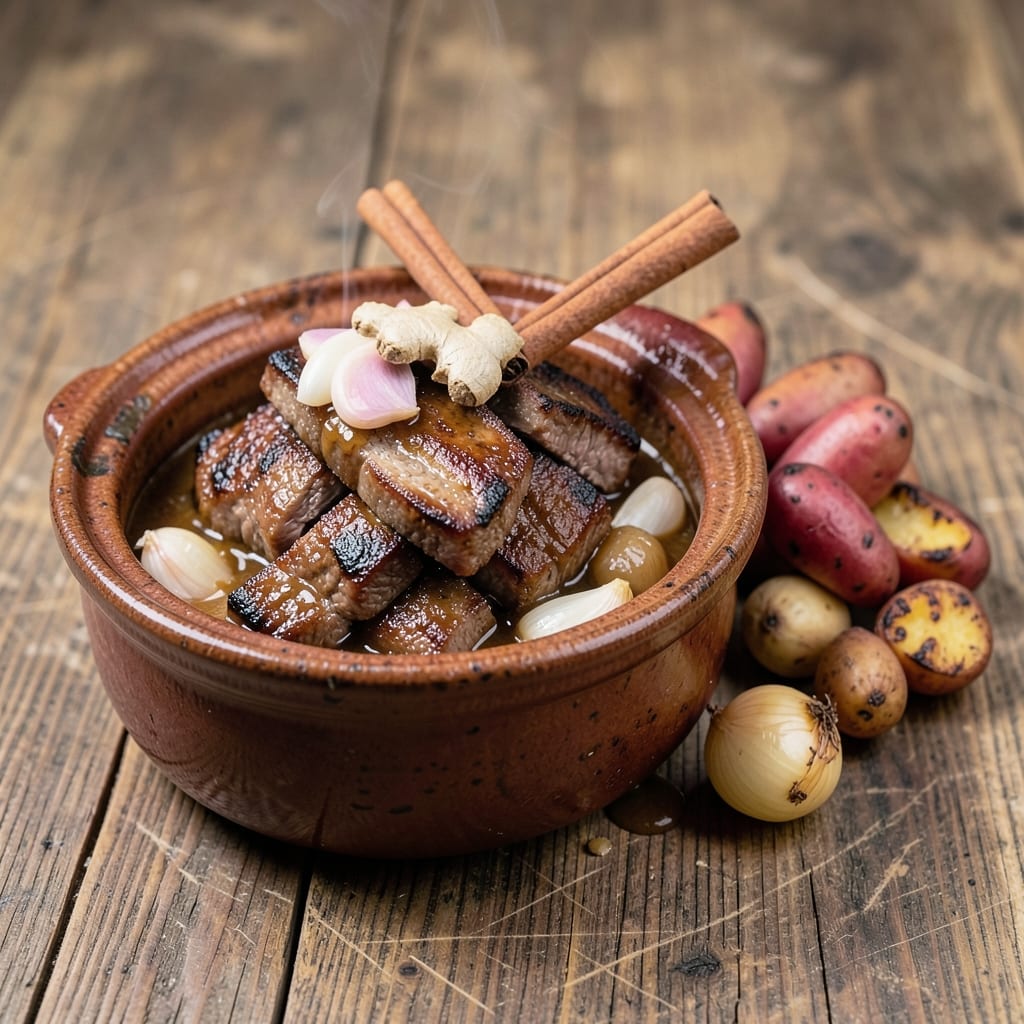
This beef Bengali recipe brings the rich, aromatic flavors of Kolkata straight to your kitchen, where tender beef and potatoes simmer in a fragrant blend of cinnamon, cardamom, and bay leaves. 🌟 The secret lies in slow-cooking the meat until it practically melts in your mouth, creating a dish that’s both hearty and deeply satisfying—perfect for a cozy family dinner or special gathering. What sets this recipe apart is the layering of spices, which infuse the beef and potatoes with warmth and depth. Unlike quick weeknight meals, this dish rewards patience, transforming tough cuts into melt-in-your-mouth perfection. The slow simmer also allows the potatoes to absorb the rich, spice-infused gravy, making every bite unforgettable. By the time you serve this, you’ll have a dish that’s restaurant-quality at home—golden-brown potatoes, tender beef, and a sauce so aromatic it’ll have everyone asking for seconds. The best part? It pairs beautifully with steamed basmati rice or warm roti, turning a simple meal into a celebration of flavor. Ready to master this classic? Let’s get started—your taste buds will thank you.
Ingredients for beef bengali
Rich spices and tender beef create this aromatic Bengali masterpiece—just 17 ingredients for restaurant-quality flavor.
| Ingredient | Amount | Notes |
|---|---|---|
| Beef Chuck Roast 🥩 | 1 ½ lb | Cut into 1.5-inch cubes |
| Russet Potatoes 🥔 | 2 lb | Cut into 1-inch chunks |
| Yellow Onion 🧅 | 1 whole | Sliced into half-moons |
| Garlic Cloves 🧄 | 6 cloves | Minced for aromatic base |
| Fresh Ginger 🌿 | 2 tbsp | Grated finely (peeled) |
| Cinnamon Sticks 🌿 | 2 whole | Broken into 1-inch pieces |
| Green Cardamom Pods 🌿 | 6 whole | Lightly crushed |
| Bay Leaves 🌿 | 2 whole | For deep aromatic flavor |
| Ground Cumin 🌶️ | 1 tbsp | Toasted for warmth |
| Ground Coriander 🌿 | 1 tbsp | Freshly ground preferred |
| Turmeric Powder 🌶️ | 1 tsp | Bright yellow color |
| Garam Masala Powder 🌶️ | 1 tbsp | For finishing touch |
| Tomato Paste 🍅 | 2 tbsp | Squeeze tube preferred |
| Coconut Milk 🥥 | 1 can (13.5 oz) | Full-fat for creaminess |
| Water 💧 | 2 cups | Room temperature |
| Salt 🧂 | 1 ½ tsp | Kosher or sea salt |
| Black Pepper 🌶️ | ½ tsp | Freshly ground |
The beef is everything here. Chuck roast breaks down beautifully during slow cooking, but sirloin works too if you're in a hurry—just don't expect the same melt-in-your-mouth texture. I always grab mine from Costco or the butcher section at Whole Foods for the best marbling. The potatoes? Russets hold up best to long cooking—they'll soak up all that spiced gravy like a dream. For the spices, Penzeys or the bulk bins at Indian markets are your best bets. If you're using whole spices like cardamom and cinnamon, toast them lightly in a dry pan first—trust me, it makes a difference.
No fresh ginger? Ginger powder works at half the amount, but it won't have the same zing. Running low on garam masala? Mix 1/2 tsp each of cinnamon, cardamom, cloves, and cumin—it's not identical, but it'll get you through. The coconut milk can be swapped for heavy cream if you're not vegan, but the dish has a more authentic flavor with the coconut. For the tomato paste, Trader Joe's squeeze tubes are my go-to—they're convenient and last forever. And if you can't find green cardamom pods, ground cardamom at 1/3 the amount will work in a pinch, though the flavor won't be quite the same.
This dish tastes even better the next day—honestly, the flavors meld together perfectly after resting. Store leftovers in an airtight container in the fridge for up to 5 days, or freeze for 3 months. I like to portion mine into individual containers so I can reheat just what I need. When reheating, add a splash of water or coconut milk to keep the sauce from drying out. And if you've got extra spice blend, it keeps for 6 months in a sealed jar—perfect for future batches.
Why You'll Love This Recipe
- One-Pot Wonder: I swear by this recipe when I’m too tired to fuss—just brown the beef, toss in the potatoes, onions, and spices, then let it slow-cook while I watch a movie. The chuck roast stays tender, and the potatoes soak up all the rich, garlicky goodness without extra effort.
- Flavor Bomb: That ginger-garlic paste? It’s the secret weapon—sharp, bright, and just spicy enough to wake up your taste buds. The beef ends up fall-apart tender with a crust that’s dangerously good, and the potatoes? Crispy edges, fluffy inside. It’s the kind of dish that makes you close your eyes and sigh.
- Weeknight Hero: Between us, this is my go-to when I’ve got friends over but no time to slave in the kitchen. It’s hearty enough for a crowd but simple enough to make when I’m feeding just myself—leftovers reheat like a dream, and the flavors only get better the next day. (Yes, even on a Tuesday night.)
- Budget Stretch: A chuck roast is cheap, potatoes are cheap, and this recipe turns them into something restaurant-worthy. I’ve fed six people for under $15 with this, and honestly? No one ever complains. It’s the kind of meal that makes you feel like you’re splurging without actually breaking the bank.
Step-by-step instructions for beef Bengali curry
Here's how to craft this aromatic, spice-infused dish with tender beef and potatoes.
🍳 Step 1: Sauté the Spice Base
Heat a large Dutch oven over medium heat and add the 2 tbsp fresh ginger and 1 whole yellow onion (sliced). Cook for 5-6 minutes until the onion softens and the ginger releases its bright aroma. This is your flavor foundation—don't rush it.
Add the 6 cloves garlic cloves (minced), 2 whole cinnamon sticks (broken), 6 whole green cardamom pods (lightly crushed), and 2 whole bay leaves. Stir for 1 minute until the garlic turns golden and the spices begin to sizzle. You'll smell that signature Bengali warmth developing—this is where the magic starts.
🍳 Step 2: Toast the Ground Spices
Lower the heat to medium-low and add the 1 tbsp ground cumin, 1 tbsp ground coriander, and 1 tsp turmeric powder. Stir constantly for 1-2 minutes until the spices become fragrant and slightly darkened—this toasting deepens their flavor. Be careful not to burn them; you want them aromatic, not bitter.
Add the 2 tbsp tomato paste and cook for another 1 minute, stirring to create a rich, slightly caramelized paste. This step builds the curry's depth of flavor—don't skip it. The paste will thicken slightly and develop a beautiful reddish hue.
🔥 Step 3: Brown the Beef
Increase heat to medium-high and add the 1.5 lb beef chuck roast (cut into 1.5-inch cubes). Brown the beef in batches if needed, working in 2-3 minutes per side until deeply golden. This creates that beautiful crust that holds up to the long simmer ahead.
Once the beef is browned, remove it from the pot and set it aside. You'll add it back later—this two-step process ensures tender, flavorful meat. The pot should have a rich, caramelized layer of beef juices and spices at the bottom—this is flavor you don't want to miss.
🥘 Step 4: Simmer the Potatoes and Build the Sauce
Return the beef to the pot and add the 2 lb russet potatoes (cut into 1-inch chunks), 2 cups water, and 1 can (13.5 oz) coconut milk. Stir well to combine, then bring to a gentle simmer over medium-low heat. Cover and cook for 45-50 minutes, stirring occasionally, until the potatoes are tender.
After 30 minutes, add the 1.5 tsp salt and 0.5 tsp black pepper. The curry should be thick and fragrant, with the potatoes absorbing all those beautiful spices. If it's too thick, add ¼ cup water to reach your desired consistency.
🔥 Step 5: Finish with Garam Masala
Once the potatoes are tender, remove the cinnamon sticks, cardamom pods, and bay leaves (they've done their job and can be discarded). Stir in the 1 tbsp garam masala powder and simmer uncovered for 5-7 minutes to let the flavors meld and the sauce thicken slightly.
Taste and adjust seasoning if needed—this is your chance to balance the flavors. The curry should be rich, aromatic, and perfectly seasoned. Serve immediately over steamed basmati rice for that authentic Bengali experience. Each bite should deliver tender beef, flavorful potatoes, and layers of warm spices.
Pro Tips For Making Beef Bengali
- SEAR THE BEEF FIRST: After burning three batches of beef Bengali, I finally learned—don’t toss the raw chuck roast straight into the slow-cooked spices. Hit it with a hot, dry skillet first (no oil needed) until deep brown crust forms. That’s where the flavor hides, and it won’t dissolve into the broth later.
- PEEL AND SOAK POTATOES: Russets break down into mush if you’re not careful. Peel them first, then soak in cold water for 30 minutes to remove excess starch. Drain well before adding to the pot—this keeps them firm and lets them absorb the rich beef flavors instead of turning gluey.
- DON’T SKIP THE GINGER PASTE: Fresh ginger is great, but for beef Bengali, make a paste with garlic and ginger first. Blend them with a splash of water until smooth—this ensures even distribution and prevents bitter chunks. Trust me, your future self will notice when you skip this.
- LOW AND SLOW FOR TENDERNESS: Chuck roast needs patience. Once the beef is seared and spices are toasted, cover the pot and simmer on lowest heat for at least 3 hours. The slow cooker isn’t cheating—it’s the only way to melt fat and collagen into the potatoes without drying out the meat.
Storing and reheating this beef bengali
Refrigerator Storage
Let your beef Bengali curry cool to room temperature for no more than 2 hours before storing. Transfer to an airtight container—I use glass Pyrex with snap-on lids—and refrigerate at 40°F or below. This dish tastes even better the next day as the spices meld further. Store for up to 5 days while maintaining its rich, aromatic flavors. 💛
Freezer Storage
For longer storage, freeze your curry in quart-sized freezer bags or airtight containers, leaving 1 inch of headspace for expansion. Portion into individual servings for easy reheating. This curry freezes beautifully for up to 3 months without losing its signature spice depth. I always label my containers with the date to track freshness.
Stovetop Reheating
My preferred method is stovetop reheating to preserve texture. Pour the curry into a heavy-bottomed pot and add 2-3 tablespoons of water or coconut milk to prevent drying. Heat over medium-low heat for 10-15 minutes, stirring occasionally. The sauce should gently bubble without boiling—this keeps the potatoes from turning mushy. Taste and adjust seasoning after reheating.
Microwave Reheating
For quick meals, microwave individual portions covered with a microwave-safe lid or damp paper towel. Heat on 50% power for 2-3 minutes, stir halfway, then continue in 30-second intervals until reaching 165°F. Add a splash of water if the sauce looks too thick. This method works best for single servings and maintains reasonable texture.
Sauce Consistency Tips
If your reheated curry seems too thick, stir in 1-2 tablespoons of water or coconut milk to restore the perfect sauce-to-potato ratio. For extra richness, add a pat of butter during reheating—it enhances the spice flavors beautifully. I also recommend reheating only what you plan to eat immediately to prevent the potatoes from absorbing too much liquid and becoming watery.
Garnish for Freshness
Before serving reheated curry, brighten it up with fresh garnishes. A sprinkle of chopped cilantro or green onions adds freshness, while a drizzle of yogurt balances the richness. For extra flair, toast 1/4 tsp cumin seeds in a dry pan and sprinkle on top just before serving. This simple step makes reheated curry feel like a fresh-cooked masterpiece. ✨
Nutrition facts
Frequently asked questions
Can I substitute beef with chicken or lamb?
This recipe works beautifully with chicken thighs (bone-in for extra flavor) or lamb shoulder. For chicken, reduce cooking time to 30-35 minutes after potatoes are tender. Lamb requires 10-15 extra minutes due to its richness. The spice blend remains the same—just adjust meat quantity to 1.25 lbs for 4 servings.
Why does my curry taste too spicy?
Fresh ginger and green cardamom can intensify heat. To balance, add 1 tbsp yogurt or 1/2 tsp sugar to reduce spice sharpness. For future batches, reduce ground spices by 1/4 tsp each or use mild cumin instead of toasted. The coconut milk also helps mellow flavors—add 1/4 cup extra if needed.
Can I make this in an Instant Pot?
Yes! Sauté onions, ginger, and spices as directed, then add all ingredients except garam masala. Seal the lid, cook on High Pressure for 25 minutes, then quick-release. Stir in garam masala and simmer 5 minutes on sauté mode. The potatoes may break down more—use Yukon Golds for better texture.
What's the best way to serve this dish?
Pair with steamed basmati rice or jeera rice (cumin rice) for authenticity. Add warm naan or roti for scooping up the rich sauce. For a complete meal, include raita (yogurt dip) with cucumber and mint. Garnish with cilantro and a squeeze of lemon just before serving.
How do I fix if my potatoes are mushy?
If potatoes overcook, stir in 1 tbsp cornstarch mixed with 2 tbsp water to thicken the sauce. For texture, add 1/2 cup fresh peas or chopped carrots in the last 10 minutes of cooking. If reheating, use low heat and add 1 tbsp coconut milk to prevent breakdown.