
Soups & Stews
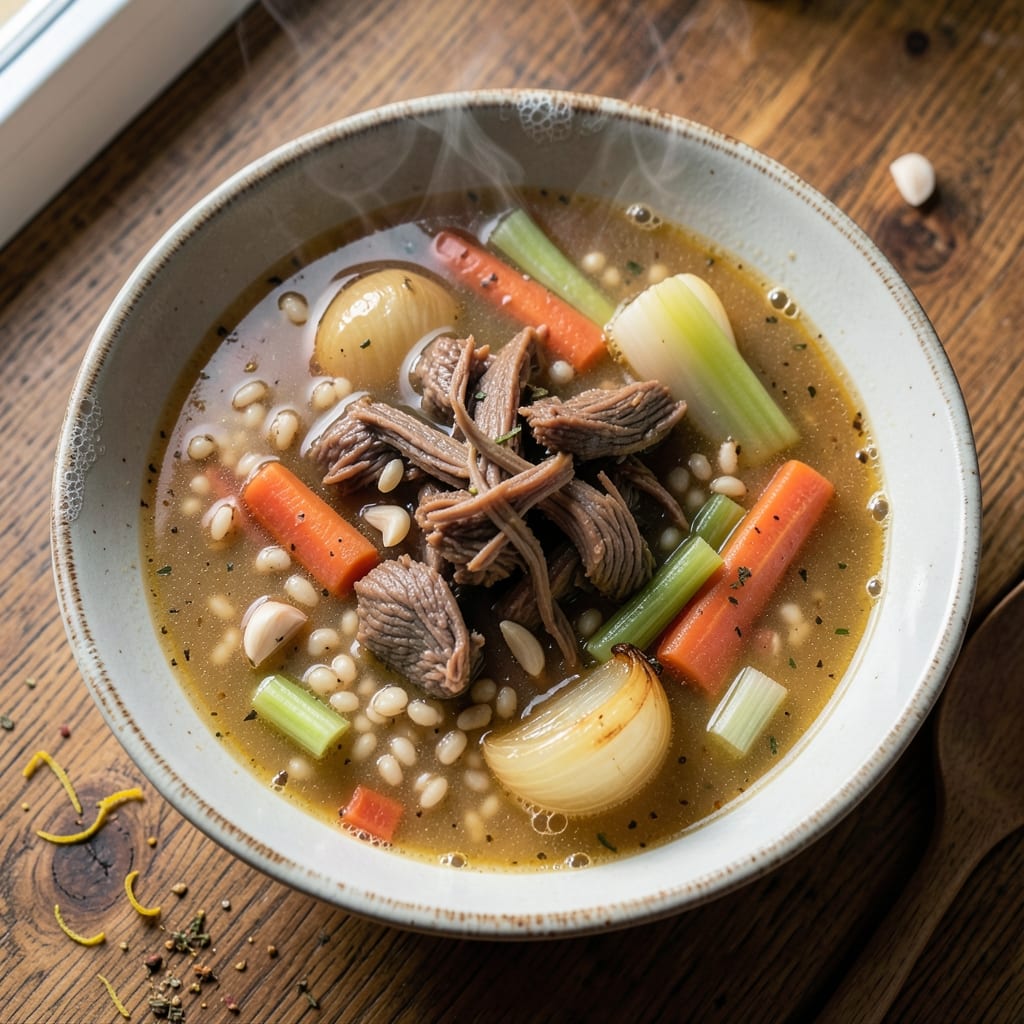
Transforming leftover roast beef into this umami-packed beef barley soup is the ultimate way to extend a meal without sacrificing flavor. The secret lies in building rich, layered broth from the roast's juices while letting pearl barley absorb all that savory goodness—no wasted ingredients, just pure, hearty comfort. This one-pot method ensures minimal cleanup while delivering restaurant-quality depth in every spoonful.
The beauty of this recipe is its flexibility—whether you're using a Sunday roast or a holiday leftovers stash, the technique remains the same. We'll start with a deep, caramelized base from the roast bones (if available) or simply shredded meat, then simmer everything together until the barley reaches that perfect tender yet firm texture. The result? A soup so satisfying it feels like a hug in a bowl.
What makes this version stand out is how it transforms simple ingredients into something extraordinary through slow cooking and careful seasoning. The barley softens just enough to create a creamy, velvety texture, while the roast beef adds depth that store-bought broths can't match. Each bite delivers that perfect balance of meaty richness and barley's earthy sweetness.
This soup isn't just practical—it's a celebration of leftovers done right. Serve it with crusty bread for dipping or a sprinkle of fresh parsley for brightness. The best part? You'll have a foolproof, one-pot masterpiece that turns scraps into a meal worth savoring. Let's get cooking!
Ingredients for beef barley soup recipe with leftover roast
Leftover roast beef transforms into restaurant-quality soup with these 15 hearty ingredients.
| Ingredient | Amount | Notes |
|---|---|---|
| Leftover Roast Beef 🥩 | 1 ½ lb | Shredded or chopped from bones |
| Pearl Barley 🌾 | 1 cup | Uncooked, rinsed thoroughly |
| Yellow Onion 🧅 | 1 whole | Diced, medium size preferred |
| Carrots 🥕 | 3 medium | Peeled, cut into 1-inch pieces |
| Celery Stalks 🧄 | 3 whole | Diced, including leaves |
| Garlic Cloves 🧄 | 4 cloves | Minced, fresh preferred |
| Tomato Paste 🍅 | 2 tbsp | Smooth, not chunky |
| Beef Broth 💧 | 4 cups | Homemade or high-quality store-bought |
| Red Wine 🍷 | ½ cup | Bold, dry variety like Cabernet |
| Fresh Thyme 🌿 | 2 sprigs | Or 1 tsp dried thyme |
| Fresh Parsley 🌿 | ¼ cup | Chopped, for garnish |
| Bay Leaves 🌿 | 2 whole | Removed before serving |
| Salt 🧂 | 1 ½ tsp | Diamond Crystal preferred |
| Black Peppercorns 🌶️ | ½ tsp | Freshly cracked |
| Olive Oil 🫒 | 2 tbsp | Extra-virgin for richness |
The roast beef is the soul of this soup—Costco or Whole Foods roasts with good marbling work best. If using bones, roast them first to deepen the flavor. Pearl barley is non-negotiable here; steel-cut won't soften enough. For the vegetables, Trader Joe's pre-cut mirepoix saves time, but fresh is always better. The tomato paste? San Marzano is ideal, but any smooth brand works. Red wine adds depth—whatever bold, dry red you have open (Cabernet, Merlot) will do.
No red wine? Beef broth with a splash of balsamic gets you close. Fresh thyme is ideal, but dried at one-third the amount works in a pinch. Pre-cut veggies from the store are fine, but fresh carrots and celery caramelize better. The barley needs plenty of liquid—don't skimp on broth. For extra richness, deglaze the pot with a splash of red wine after browning the veggies. Fresh parsley brightens the dish, but dried oregano at half the amount works if you're out.
This soup tastes even better the next day—make a double batch and store leftovers for up to 5 days in the fridge. Freezes beautifully for 3 months. The barley thickens as it cools, so add a splash of broth when reheating. Fresh herbs like parsley add brightness, but dried works in a bind. Serve with crusty bread for dipping—the perfect way to use up scraps while creating something extraordinary.
Why You'll Love This Recipe
- I’ll be real: I’ve thrown out leftover roast before, but not anymore. This recipe turns yesterday’s dinner into today’s meal without breaking the bank or the fridge. Plus, the barley’s slow cook makes it taste like you spent hours stirring—when really, you just set it and forgot it.
- No-Chop Night Saved: I swear by this when I’m too tired to dice anything—just toss in whole onions, carrots, and celery stalks (yes, unpeeled if you’re really lazy) and let them soften. The barley handles the work for you, turning tough veggies into melt-in-your-mouth goodness without a single knife scrape.
- Deep Umami Magic: That leftover roast beef? It’s the star. The slow simmer pulls all the rich, savory flavors right out of the meat, while the barley soaks them up like a sponge. Honestly, the first time I made this, my partner asked if I’d secretly added a whole bouillon cube—nope, just patience and a pot.
- Lunchbox Hero: Between us, this is my go-to for meal prep. The barley stays firm enough to hold up in containers, and the broth thickens just enough to keep everything cohesive. Pack it cold or reheat it—either way, it’s the kind of soup that makes office lunches feel like a home-cooked hug.
Step-by-step instructions for beef barley soup with leftover roast
Transform your leftover roast into a rich, hearty soup that tastes even better the next day.
Sauté the Aromatic Vegetables
Heat the 2 tablespoons olive oil in a large Dutch oven over medium heat. Add the diced yellow onion, carrots, and celery stalks, stirring occasionally for 8-10 minutes until the vegetables soften and the onion becomes translucent. This slow cooking draws out their natural sweetness and ensures they don't burn.
Add the 4 cloves minced garlic and the 2 tablespoons tomato paste, stirring for another 2 minutes until the garlic is fragrant and the paste darkens slightly. This step builds the flavor foundation—don't rush it. The tomato paste will deepen the soup's richness, while the garlic adds a subtle complexity that balances the barley's earthiness.
Deglaze and Build the Base
Pour in the 0.5 cup red wine, scraping the bottom of the pot to release any browned bits. Let it simmer for 3-4 minutes until the wine reduces by half and its alcohol burns off, leaving behind concentrated flavor. This deglazing step is crucial—it captures all the caramelized goodness from the vegetables.
Stir in the 4 cups beef broth, 1.5 teaspoons salt, and 0.5 teaspoon black peppercorns, bringing the mixture to a gentle boil. Add the 2 sprigs fresh thyme and 2 whole bay leaves, then reduce the heat to low-medium and let it simmer for 10 minutes to infuse the broth with aromatic depth. This step ensures every spoonful of soup carries layers of flavor.
Add the Barley and Leftover Beef
Rinse the 1 cup pearl barley under cold water to remove any debris, then add it to the simmering broth along with the 1.5 pounds shredded or chopped leftover roast beef. Stir gently to combine, making sure the beef is fully submerged in the liquid. The barley will absorb the broth as it cooks, so don't worry if it looks like too much liquid now.
Return the soup to a gentle simmer, then reduce the heat to low and cover the pot. Let it cook for 45-50 minutes, stirring occasionally to prevent the barley from sticking to the bottom. The barley should be tender but still have a slight bite—this ensures the soup holds its shape without turning mushy. If the soup gets too thick, add a splash of water or broth to maintain the right consistency.
Finish and Garnish
Once the barley is tender, remove the thyme sprigs and bay leaves (they've done their job and can be discarded). Taste the soup and adjust the seasoning if needed—this is where you can fine-tune the balance of salt, pepper, and acidity. A squeeze of lemon juice or a pinch of sugar can brighten the flavors if the soup tastes too heavy.
Ladle the soup into bowls and garnish each serving with 0.25 cup chopped fresh parsley. The parsley adds a fresh contrast to the rich, hearty broth and beef. Serve immediately while still steaming hot—this soup tastes best fresh out of the pot, with the barley still warm and the beef juicy. The one-pot simplicity makes it perfect for a cozy meal without the fuss.
Pro Tips For Making Beef Barley Soup Recipe With Leftover Roast
- SHRED THE ROAST FIRST: Cut your leftover roast into ½-inch chunks before adding it to the pot—this ensures even heating and faster flavor infusion. I used to toss in big hunks and end up with chewy bits that needed extra time to tenderize.
- SOAK BARLEY 30 MINUTES: Skip the 2-hour soak if you're short on time, but at least let pearl barley sit in cold water for 30 minutes—this cuts cooking time by 20 minutes and prevents a gummy texture. (Yes, even if you're impatient like me.)
- SAUTÉ THE AROMATICS HARD: Don’t just soften the onions, carrots, and celery—cook them until they’re deeply caramelized (about 8-10 minutes) before adding liquid. This builds flavor depth that raw veggies just can’t match.
- USE THE BROTH TWICE: Save the drippings from your roast and use them as the first liquid in the soup—it’s richer than water or bouillon. Then top off with broth or water if needed, but start with those precious juices for maximum beefy punch.
Pro cooking tips for this dish
Broth Depth Matters
Start with a flavor-packed base by using the roast's juices and bones if available. If you have leftover bones, roast them at 400°F for 20 minutes before adding to the pot—the caramelization creates a deeper, meatier flavor. For maximum richness, I like to add 1 cup of the roasting pan drippings to the broth. This simple step transforms ordinary beef broth into something extraordinary. 💫
Barley Texture Control
Pearl barley needs gentle handling to avoid mushiness. Rinse it thoroughly before adding to remove excess starch, then simmer uncovered for the first 15 minutes to release its natural starches. After that, cover and reduce heat to low for the remaining 30-35 minutes. Taste-test at 40 minutes—it should be tender but still hold its shape. If it's too firm, add ½ cup hot broth and simmer another 10 minutes.
Wine Reduction Trick
The red wine isn't just for flavor—it's a secret weapon for depth. After deglazing, let it reduce by half before adding broth. This concentrated wine adds complexity without overpowering. I prefer bold reds like Cabernet Sauvignon or Malbec for their dark fruit notes, but any dry red works. For a non-alcoholic version, substitute with ½ cup beef broth + 1 tbsp balsamic vinegar—it mimics the acidity and depth beautifully.
Herb Infusion Hack
Don't just toss in thyme and bay leaves—infuse them properly. Add the thyme sprigs and bay leaves to the simmering broth 10 minutes before adding barley. This gives them time to release their aromatic oils fully. For extra depth, I like to add 1 tsp dried rosemary along with the thyme—it pairs beautifully with the beef and barley. Remove all herbs before serving to avoid bitterness.
Leftover Beef Prep
How you prep the leftover beef makes all the difference. For maximum flavor, shred the meat against the grain into ¼-inch thick strips—this creates tender bites. If your beef has a lot of fat, skim some off before adding to the soup to prevent greasiness. For extra richness, I like to add 1 tbsp of the roast's fat drippings directly to the pot when adding the beef. This ensures every spoonful is packed with flavor.
Final Seasoning Boost
Taste your soup before serving—this is where you fine-tune the magic. A pinch of salt, a crack of black pepper, or even a squeeze of lemon juice can elevate flavors. I often add ½ tsp Worcestershire sauce for umami depth or a dash of smoked paprika for warmth. The key is balance—start with small amounts and adjust gradually. The soup should taste rich but not overpowering. ✨
Nutrition facts
Frequently asked questions
Can I use steel-cut oats instead of pearl barley?
No, steel-cut oats won't work—they stay too firm and won't soften enough in the same cooking time. Pearl barley is essential here because it absorbs liquid beautifully while maintaining a pleasant texture. For a similar hearty feel, try wheat berries (cook for 50-60 minutes), but they'll have a different flavor profile.
What if my leftover roast is dry or tough?
Don't let dry or tough meat ruin your soup! Shred it into smaller pieces and simmer it with the barley for an extra 10-15 minutes to rehydrate. Add ½ cup extra broth if needed, and finish with a splash of red wine or balsamic vinegar to tenderize the fibers. The long simmer will make it melt-in-your-mouth delicious.
Can I make this soup in an Instant Pot?
Sauté the veggies as directed, then add all ingredients (except parsley) and cook on high pressure for 12 minutes. Let the pressure release naturally for 10 minutes, then stir and check the barley's doneness. If too firm, cook another 3-4 minutes. The Instant Pot cuts cooking time dramatically while keeping flavors rich.
How do I store and reheat leftovers?
Store in an airtight container in the fridge for up to 5 days or freeze for 3 months. When reheating, add 2-3 tablespoons of broth or water to prevent thickening. Warm on the stove over medium-low heat until steaming, stirring occasionally. The barley will firm up slightly—just add more liquid as needed. Garnish with fresh parsley before serving.
What vegetables can I swap in for carrots and celery?
For a classic flavor, use leeks (white and light green parts) or fennel instead of celery. Swap carrots for parsnips or turnips (peeled and diced). Sweet potatoes add natural sweetness, but reduce cooking time to 30 minutes once the barley is tender. Just ensure your veggies hold up well in long simmering—avoid delicate greens like spinach.