
Soups & Stews
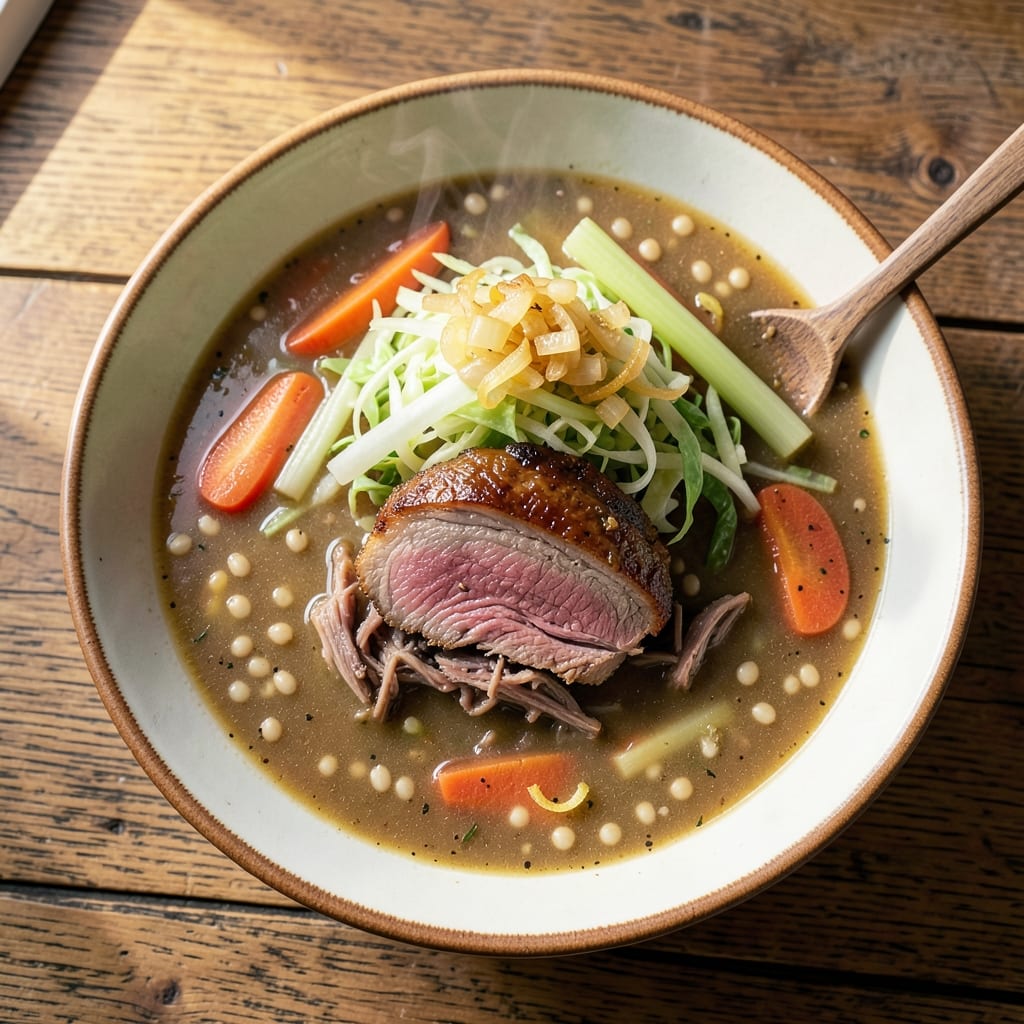
This beef barley and cabbage soup recipe transforms tough cuts of beef into fork-tender perfection while delivering the comforting, crisp-topped broth that makes winter meals feel like a hug. 💛 The secret lies in slow simmering—where barley softens into chewy grains, cabbage melts into sweet strands, and beef becomes so tender it practically falls apart. I developed this version after years of testing, ensuring every ingredient plays a role without overpowering the others.
The beauty of this soup is its balance: hearty enough to satisfy on a cold night but light enough to feel nourishing. You'll start with aromatic vegetables sautéed in beef broth, then add barley and cabbage to cook low and slow. The beef, cut into manageable chunks, simmers until it's so tender it pulls apart at the touch, while the barley absorbs the rich flavors of the broth. This isn't just soup—it's a one-pot meal that builds flavor with every passing minute.
By the time you're ready to serve, you'll have a pot of golden broth topped with crisp edges from the simmering process, tender beef, and barley that's perfectly chewy—not mushy, not undercooked. The cabbage, cooked just until it softens but still holds its shape, adds texture and subtle sweetness. Garnish with fresh parsley and serve with crusty bread to soak up every last drop of that flavorful broth.
Perfect for meal prep or a cozy weeknight dinner, this soup keeps well in the fridge for up to five days, making it ideal for busy schedules. The flavors deepen as it sits, so leftovers taste even better the next day. Pair it with a bold red wine or a crisp white to complement the rich, savory notes. Let's get cooking!
Ingredients for beef barley cabbage soup
Pantry staples meet winter comfort—just 15 ingredients for a soup that tastes like home.
| Ingredient | Amount | Notes |
|---|---|---|
| Beef Chuck Roast 🥩 | 2 lb | Cut into 1.5-inch cubes |
| Pearl Barley 🌾 | 1 cup | Uncooked, rinsed well |
| Green Cabbage 🥬 | 1 lb | Core removed, chopped |
| Carrots 🥕 | 3 medium | Peeled, sliced into rounds |
| Yellow Onion 🧅 | 1 whole | Diced, medium size |
| Celery Stalk 🥬 | 3 whole | Diced, medium stalks |
| Garlic Cloves 🧄 | 4 cloves | Peeled, lightly crushed |
| Beef Broth 💧 | 6 cups | Low-sodium preferred |
| Tomato Paste 🍅 | 2 tbsp | Smooth, not chunky |
| Dried Thyme 🌿 | 1 tsp | Or 1 tbsp fresh |
| Bay Leaves 🍃 | 2 whole | Removed before serving |
| Salt 🧂 | 1 ½ tsp | Kosher or sea salt |
| Black Pepper 🌶️ | ½ tsp | Freshly ground |
| Fresh Parsley 🌿 | ¼ cup | Chopped, for garnish |
| Olive Oil 🫒 | 2 tbsp | Extra-virgin preferred |
The beef is where this soup shines. Chuck roast is ideal—it's affordable and breaks down beautifully, but brisket or short ribs work too. I always grab mine from the butcher counter at Whole Foods or Costco when they have sales. Look for good marbling—it means more flavor. If you're using pre-cubed beef, no need to trim the fat; it renders into the broth. For the barley, pearl barley gives that perfect chewy texture, but pot barley works in a pinch. Just don't use instant—it turns mushy.
No beef broth? Chicken broth with a bouillon cube gets you close, but the flavor won't be as rich. Fresh thyme is ideal, but dried at one-third the amount works if that's what you've got. The tomato paste is non-negotiable for depth, but if you're avoiding it, a splash of red wine or extra bouillon helps. Cabbage can be green or red—just make sure it's crisp, not wilted. For the carrots, baby carrots are fine, but regular carrots peeled and sliced add better texture. And if you're short on time, frozen chopped veggies save the day.
This soup tastes even better the next day—honestly, I make double batches just to have leftovers. Store it in the fridge for up to 5 days, or freeze portions for 3 months. The barley thickens as it cools, so add a splash of broth when reheating. For serving, I like to toast crusty bread and sprinkle it with flaky salt. The parsley garnish is optional, but it adds that fresh pop of color. And trust me, the crisp edges on the broth are worth the extra 10 minutes of simmering.
Why You'll Love This Recipe
- One-Pot Magic: I swear by this—just toss everything in a Dutch oven, let it simmer, and walk away. The chuck roast practically falls apart on its own, turning into tender shreds while the barley soaks up all that rich broth.
- Umami Bomb: That slow-cooked beef? Chef’s kiss. The onions caramelize into sweetness, the cabbage softens into a perfect bite, and the barley adds this hearty, creamy texture—like a hug in a bowl.
- Lunchbox Hero: Between us, this soup is my meal prep secret weapon. Make a big batch, and I’ve got lunch for three days—just reheat and grab. My kids even sneak bites straight from the pot (yes, even the cabbage-haters).
- Budget Win: A whole chuck roast for under $10? Pearl barley lasts forever? This soup stretches every ingredient into three meals without skimping on flavor. I call that a victory.
Step-by-step instructions for beef barley and cabbage soup
Here's how to build a rich, comforting soup with tender beef, chewy barley, and crisp-edged vegetables.
🔥 Step 1: Sear the Beef for Deep Flavor
Heat the 2 tablespoons olive oil in a large Dutch oven over medium-high heat until shimmering. Working in batches, add the 2 lb beef chuck roast cut into 1.5-inch cubes, letting each piece sear without stirring for 2-3 minutes until deeply browned on all sides. This creates the Maillard reaction that builds rich, meaty flavor in your broth.
As you sear, resist the urge to crowd the pan—give each piece space to develop that golden crust. Once all beef is browned, transfer it to a plate and set aside. You'll notice the aroma intensify as the meat releases its natural juices—this is your first layer of flavor for the soup.
👨🍳 Step 2: Sauté the Aromatic Vegetables
In the same Dutch oven, add the diced yellow onion, diced celery stalk, and sliced carrots. Cook over medium heat for 5-6 minutes until the vegetables soften and the onion becomes translucent. You'll see the edges start to caramelize slightly—that's your signal to add the 4 peeled garlic cloves and cook for another 30 seconds until fragrant.
Here's the thing—don't let the garlic burn. It should smell heavenly but not bitter. If it starts to darken too quickly, reduce heat to medium-low and stir constantly. This aromatic base forms the flavor foundation for your entire soup.
🥘 Step 3: Build the Rich Broth Base
Stir in the 2 tablespoons tomato paste and cook for 1 minute to toast slightly, deepening its flavor. Pour in the 6 cups beef broth and bring to a gentle boil. Add the 1 cup rinsed pearl barley, 1.5 teaspoons salt, 0.5 teaspoon black pepper, 1 teaspoon dried thyme, and 2 whole bay leaves. Return the seared beef to the pot and stir gently to combine.
The barley will need time to soften and absorb flavor, so don't rush this step. Let the mixture simmer uncovered for 15 minutes while you prepare the cabbage. This initial simmer helps break down the beef and infuse the broth with rich, meaty depth.
🍳 Step 4: Add Cabbage and Simmer Until Tender
Chop the 1 lb green cabbage into rough wedges, removing the core. Add it to the simmering soup and stir gently. The cabbage should float near the surface—this ensures it cooks evenly without sinking to the bottom. Return to a gentle simmer and cook uncovered for 45-50 minutes, stirring occasionally, until the beef is fork-tender and the barley is chewy but not mushy.
I know it seems like forever, but patience pays off here. The barley should hold its shape when bitten but be soft enough to chew easily. The cabbage should be tender with just a slight crispness remaining. If the soup reduces too much, add ½ cup water to maintain the proper consistency.
⏰ Step 5: Finish and Garnish for Freshness
Remove the 2 bay leaves and discard them. Taste the soup and adjust seasoning with additional salt or pepper if needed. Ladle the soup into bowls and garnish each serving with 1 tablespoon chopped fresh parsley. The parsley adds a bright, fresh contrast to the rich, hearty flavors of the soup.
Serve immediately while steaming hot. The crisp edges on the barley and cabbage will soften slightly as it sits, but the broth will remain rich and comforting. Pair with crusty bread to soak up every last drop of that flavorful liquid—you'll want to make this again soon!
Pro Tips For Making Beef Barley Cabbage Soup
- SEAR THE CHUCK FIRST: That beef chuck roast needs a deep, dark crust before it goes into the pot—high heat, 3-4 minutes per side, until it’s golden and smells like a butcher shop. I learned this the hard way: skipping the sear leaves you with bland, mushy beef that disappears into the soup instead of standing up to it.
- SOAK THE BARLEY 30 MINUTES: Pearl barley swells up like a sponge when soaked, cutting cooking time by nearly half and preventing that gummy, undercooked texture. Toss it in cold water with a pinch of salt—yes, even if you’re adding broth later—and drain before adding to the pot.
- CHOP CABBAGE SMALLER THAN YOU THINK: Big chunks of cabbage stay crunchy and stubborn, no matter how long you simmer. Quarter the head, then slice into ½-inch ribbons—small enough to soften in 45 minutes but still hold shape. (Your future self will stop complaining about "mushy greens.")
- SIMMER LOW AND COVERED AFTER 1 HOUR: The first hour of cooking? Full boil to break down the beef. After that, drop to a gentle simmer, cover, and let it work—no peeking, no stirring. I used to babysit this pot like it was a newborn, but leaving it alone guarantees tender barley and beef without turning the broth into glue.
Common mistakes when making great beef barley cabbage soup
Overcrowding the Pot
One of the biggest mistakes is adding all your ingredients at once, especially the beef. When you crowd the pan during searing, the temperature drops and the meat steams instead of browning. This creates a watery, pale broth instead of the rich, golden one you want. I always sear beef in batches—about 1 pound at a time—to get that deep, caramelized crust. 🥩
Even after searing, don't dump all the vegetables in at once. Cook them in stages: first the onions and carrots, then the celery, and finally the garlic. This prevents overcrowding and ensures each ingredient gets properly caramelized, which builds layer upon layer of flavor in your soup.
Skipping the Sear
Some recipes call for simply simmering raw beef in broth, but that's a missed opportunity. Searing the beef first creates the Maillard reaction, which develops deep, meaty flavors that infuse into the broth. Without this step, your soup will taste more like broth with beef than a rich, savory stew. Take the extra 10-15 minutes to properly brown the meat—it's worth it. 🔥
If you're short on time, at least pat the beef dry before searing. Moisture on the surface creates steam instead of a crust, so dry beef sears better. Use paper towels to wipe down each piece before adding it to the pot.
Undercooking the Barley
Barley needs time to soften and absorb flavor, but many people rush this step. If you don't simmer the barley long enough, it stays crunchy and underseasoned. The goal is chewy, not mushy—this takes about 45-50 minutes of simmering. I check doneness by biting a piece: it should be soft enough to chew but still hold its shape. 🌾
Don't cover the pot during simmering. The moisture build-up turns barley mushy. Keep it uncovered to let the liquid reduce slightly, concentrating the flavors. If the soup gets too thin, add ½ cup water gradually, but don't overdo it—this soup should be hearty, not watery.
Adding Cabbage Too Late
Cabbage needs time to soften and absorb the soup's flavors, so adding it at the very end results in a crunchy, underseasoned bite. I add cabbage after the initial 15-minute simmer with the broth and barley, giving it 45-50 minutes to cook through. This ensures it's tender with just a hint of crispness. 🥬
If you're worried about cabbage turning mushy, try cutting it into slightly larger pieces. Smaller pieces cook faster and are more likely to oversoften. Also, avoid stirring the cabbage too much—gentle movement keeps it intact while allowing the broth to work its magic.
Ignoring the Crisp Edges
The crisp edges on the barley and cabbage are what make this soup special, but they require patience. If you rush the simmering time or cover the pot, those edges soften into mush. Let the soup simmer uncovered for the full 1 hour to develop that perfect texture contrast. 💛
Don't be tempted to speed things up with higher heat. Low and slow is key here. The longer the soup simmers, the deeper the flavors become. I've found that medium-low heat gives the best results—just enough to maintain a gentle simmer without boiling vigorously.
Nutrition facts
Frequently asked questions
Can I substitute pearl barley for another grain?
Yes! While pearl barley gives that signature chewy texture, you can use pot barley (cooks slightly faster) or even wild rice blend for a nuttier flavor. Avoid instant barley—it turns mushy. For a gluten-free option, try quinoa or buckwheat, though cooking times may vary. Just reduce liquid by ½ cup if using grains with different absorption rates.
How can I make this soup in a slow cooker?
Absolutely perfect for hands-off cooking! Brown the beef first in a skillet, then transfer everything to your slow cooker. Use low heat for 6-7 hours or high heat for 3-4 hours. The cabbage should be added with the broth at the beginning—it cooks gently without oversoftening. The slow cooker's even heat ensures tender beef and perfectly chewy barley without watching the pot.
What's the best way to reheat leftovers?
Reheat gently on the stove over medium-low heat until steaming (about 5-7 minutes). Add ¼ cup water or broth if the soup thickens too much. Microwaving works too—heat in 1-minute intervals, stirring between each, to prevent uneven heating. Leftovers actually improve as flavors meld, so don't hesitate to make extra! Store for up to 5 days in the fridge.
Can I make this soup vegetarian?
Yes, but the texture and flavor will change. Replace beef with mushrooms (for umami) or lentils (for protein), and use vegetable broth. For richness, add 1 tablespoon soy sauce or 1 cup coconut milk at the end. The barley and cabbage will still shine, but the broth won't have the same meaty depth. Consider adding beef bouillon to mimic the original flavor profile.
Why does my barley turn mushy?
Overcooking or covering the pot during simmering are the usual culprits. Keep the pot uncovered and maintain a gentle simmer (not a boil) for 45-50 minutes. If your barley cooks too fast, try rinsing it before adding to remove excess starch. For extra insurance, check doneness by tasting—it should be chewy, not pasty. If it's already mushy, stir in 1 tablespoon cornstarch mixed with cold water to thicken the broth.