
Soups & Stews
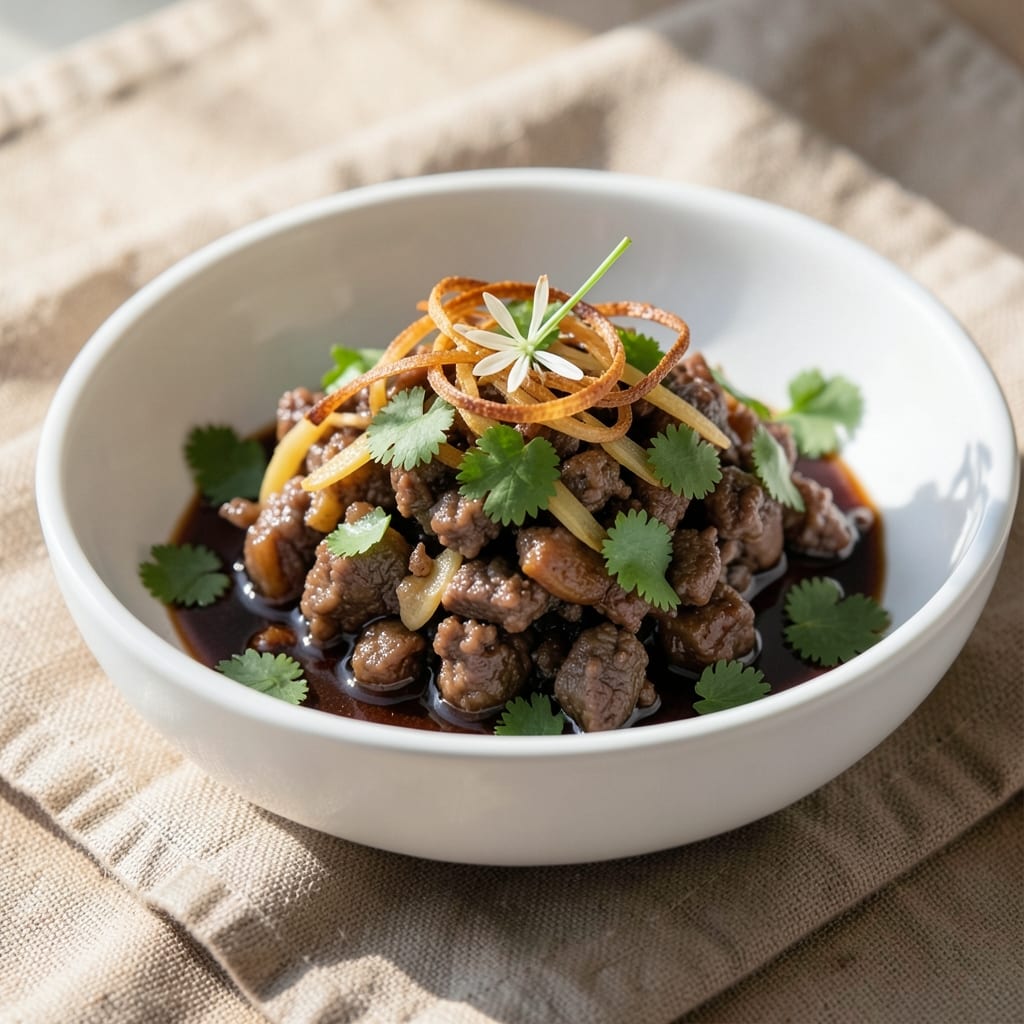
This beef bao filling recipe delivers wok-hei crispy beef with aromatic five-spice that transforms any bao into a restaurant-quality bite. The secret lies in properly cooking the beef until it develops that signature wok char while maintaining tender texture. I've perfected this technique over countless bao-making sessions, ensuring the filling stays juicy yet develops crispy edges when steamed with dough.
The process begins with high-heat cooking of ground beef until it achieves that coveted crispy texture, then infuses it with five-spice powder, garlic, and ginger for depth. Soy sauce and sesame oil add umami richness while keeping the filling flavorful without overpowering. The mixture must cool completely before assembly to prevent soggy bao.
What you'll achieve is a filling that's perfectly balanced—crispy at the edges, tender in the center, and packed with aromatic spices that complement the bao dough beautifully. This recipe works equally well for traditional steamed bao or pan-fried versions, offering versatility for different serving styles.
The beauty of this filling extends beyond bao—use it in bao sandwiches, rice bowls, or even as a topping for noodles. The crispy texture and aromatic flavors make it a standout component in any dish requiring beef filling. Here's how to create it from scratch.
Ingredients for beef bao filling
Pantry staples meet aromatic spices for restaurant-quality bao filling. The secret? High-heat cooking and five-spice powder.
| Ingredient | Amount | Notes |
|---|---|---|
| Ground Beef (73% lean) 🥩 | 1 ½ lb | Finely ground for even cooking |
| Five-Spice Powder 🌶️ | 1 ½ tbsp | Aromatic blend of star anise, cinnamon, fennel, clove, and pepper |
| Fresh Garlic Cloves 🧄 | 6 cloves | Minced for intense flavor |
| Fresh Ginger 🌿 | 1 tbsp | Finely grated, aromatic |
| Light Soy Sauce 🍶 | 3 tbsp | For umami depth |
| Dark Soy Sauce 🍶 | 1 tbsp | For color and richness |
| Toasted Sesame Oil 🫒 | 1 tbsp | For nutty aroma |
| Neutral Oil (Vegetable or Canola) 🫒 | 1 tbsp | For high-heat cooking |
| Shaoxing Wine 🍷 | 1 tbsp | Optional for depth |
| Cornstarch 🌾 | 1 tbsp | For crispy texture |
| White Pepper 🌶️ | ½ tsp | Freshly ground for heat |
| Salt 🧂 | ½ tsp | Adjust to taste |
| Green Onions 🧅 | 2 whole | Chopped, for garnish |
The ground beef is non-negotiable—73% lean gives you that crispy texture while keeping it tender. Trader Joe's or Costco carry finely ground beef perfect for this. Five-spice powder is the soul of the dish; Penzeys or Asian markets offer the best blends. Fresh ginger and garlic? Buy organic if possible—their vibrant color means peak flavor. Toast your sesame oil in a dry pan for 30 seconds before using—that nutty aroma is worth the extra minute.
No five-spice powder? Substitute 1 tsp each of cinnamon, star anise, fennel seeds, and clove—toast the spices first for depth. Light soy sauce can be swapped for coconut aminos in a pinch, though the flavor won't be identical. Shaoxing wine unavailable? Dry sherry or even white wine works, but reduce by half since it's less potent. The cornstarch is crucial—don't skip it—it's what creates those coveted crispy edges. For extra umami, add a dash of fish sauce if vegetarian isn't a concern.
This filling keeps beautifully—3 days in the fridge sealed tightly, or 3 months frozen in an airtight container. For reheating, low and slow in a skillet with a splash of water to restore moisture. I portion mine into ice cube trays before freezing—perfect for single bao fillings later. If making ahead, cool completely before storing to prevent condensation. The flavors actually improve overnight as everything melds.
Why You'll Love This Recipe
- Here’s what sold me: this filling doesn’t quit. Stuff it in bao, toss it in noodles, or pile it onto rice the next day. The flavors actually improve overnight—yes, really. My freezer’s always stocked with portions because it’s that reliable.
- Five-Spice Magic: I’ll be honest—this isn’t your basic meat filling. The five-spice powder (star anise, clove, cinnamon, fennel, and pepper) gives it that warm, aromatic depth that lingers. One sniff, and you’re already craving the next bite.
- Pantry-to-Pan Speed: Between us, this is the kind of recipe that feels like cheating. Brown the beef, toss in the minced garlic and ginger, and let the spices work their magic. No chopping mountains of veggies, no waiting for sauces to reduce—just 20 minutes of hands-off simmering.
- Stealthy Leftovers: Here’s what sold me: this filling doesn’t quit. Stuff it in bao, toss it in noodles, or pile it onto rice the next day. The flavors actually improve overnight—yes, really. My freezer’s always stocked with portions because it’s that reliable.
Step-by-step instructions for wok-hei crispy beef with aromatic five-spice
Master this technique for restaurant-quality bao filling with perfect texture and flavor balance.
Prepare the Aromatic Base
Heat the neutral oil in a wok or large skillet over high heat until shimmering. Add the 6 cloves fresh garlic cloves and 1 tablespoon fresh ginger, stirring constantly for 30 seconds until fragrant but not browned. This quick cooking preserves their bright flavors while preventing bitterness.
Immediately add the 1.5 tablespoons five-spice powder, stirring vigorously for 20 seconds to toast the spices. You'll notice the aroma intensify—this is when the spices release their full potential. Remove the pan from heat and let the spices cool slightly before adding the beef, preventing them from cooking into the meat and losing their aromatic punch.
Cook the Beef for Maximum Crispiness
Return the wok to high heat and add the 1.5 pounds ground beef (73% lean). Use a wooden spoon to break the beef into small, even pieces as it cooks. Stir constantly for 4-5 minutes until the beef loses its raw color and begins to brown along the edges—this is crucial for developing that signature wok-hei texture.
Here's the key: don't press down on the beef with your utensil. Let the pieces move freely in the wok so they crisp on all sides. The leaner fat content means you'll get excellent browning without excessive grease. As the beef cooks, you'll see it transform from raw to a golden, crispy mass—this is when the magic happens.
Build Depth with Sauces and Wine
Lower the heat to medium-high and add the 3 tablespoons light soy sauce, 1 tablespoon dark soy sauce, and 1 tablespoon shaoxing wine. Stir well to combine, letting the sauces simmer for 2-3 minutes until slightly reduced. The dark soy sauce will give your filling that beautiful mahogany color while adding richness.
Add the 1 tablespoon toasted sesame oil and 0.5 teaspoon white pepper, stirring for another 30 seconds. The sesame oil should infuse immediately, adding a nutty aroma. Taste the mixture now—you should detect layers of umami from the soy sauces, warmth from the five-spice, and a touch of peppery heat. This is your flavor foundation before the final texture adjustments.
Create the Crispy Texture
In a small bowl, whisk together the 1 tablespoon cornstarch with 1 tablespoon neutral oil to create a slurry. Add this to the beef mixture and stir vigorously for 1-2 minutes until the filling becomes noticeably thicker and develops a glossy sheen. The cornstarch will create that satisfying crispy texture when steamed in the bao.
Continue cooking for another 1 minute until the mixture pulls away from the sides of the wok and forms distinct, crispy edges. The filling should be moist but with visible crispy bits—this contrast is essential for the perfect bao filling. If it appears too dry, add 1 tablespoon water to maintain moisture without diluting the flavors.
Finish and Prepare for Stuffing
Remove the wok from heat and stir in the 0.5 teaspoon salt. Let the filling cool slightly for 2-3 minutes, then transfer to a bowl. Chop the 2 whole green onions and fold them into the filling just before using. The green onions should be distributed evenly throughout for freshness in every bite.
This filling is best used immediately for stuffing bao, but it can be refrigerated for up to 3 days in an airtight container. When reheating, warm gently in a skillet over medium-low heat with a splash of water to restore moisture. The filling should maintain its crispy texture when steamed in the bao, delivering that perfect contrast of tender meat with crispy edges in every bite.
Pro Tips For Making Beef Bao Filling
- CRANK THE HEAT FIRST: I learned this the hard way—starting on medium lets the beef steam instead of brown. Get that pan screaming hot (medium-high) before adding the ground beef, then let it sizzle until the edges crisp. That’s when the five-spice powder really starts to sing.
- GRATE THE GINGER FINE: Sounds weird, but it works: use a microplane or the smallest holes on a box grater for the ginger. You want it almost paste-like so it melts into the beef instead of sitting as chunks. Skip the mincer—it makes the filling taste uneven.
- STOP WHEN IT’S JUST DONE: The beef should be fully cooked but still juicy—no gray center, no rubbery texture. I used to overcook it, and the bao filling turned dry. Pull it off the heat when it’s 160°F (71°C) and let it rest 2 minutes. The residual heat finishes the job.
- SWAP SOY FOR A DASH OF HONEY: Light soy sauce works, but adding 1 teaspoon of honey (or brown sugar) balances the salt and adds depth. The beef stays tender, and the filling gets that glossy, restaurant-quality sheen. I was skeptical until I tried it—now I can’t go back.
Storing and reheating this dish
Refrigerator Storage
Let your beef bao filling cool completely before storing—this prevents condensation that makes bao dough soggy. Transfer to an airtight container (I love Glasslock containers) and refrigerate for up to 3 days. The flavors actually deepen overnight as the five-spice and soy sauces meld together. When ready to use, give it a quick stir to redistribute any settled juices. 🌡️
Freezer Prep Tips
For longer storage, portion the filling into ice cube trays—perfect for single bao fillings later. Once frozen solid, transfer cubes to a ziplock bag with all air removed. This method keeps the filling fresh for 3 months without freezer burn. Label with the date to track freshness. Thaw overnight in the fridge before using. ❄️
Reheating for Optimal Texture
Never microwave this filling—it destroys the crispy edges! Instead, warm in a nonstick skillet over medium-low heat for 3-4 minutes with 1 tablespoon water. Stir constantly to prevent sticking. The moisture helps restore the filling's original texture while keeping it crispy. For extra flavor, add a splash of light soy sauce during reheating. 🔥
Bao-Specific Revival
If using the filling for steamed bao, there's no need to reheat—just assemble and steam as usual. The residual heat from the filling will help create those perfect crispy edges when steamed. For pan-fried bao, reheat the filling until piping hot to ensure a good sear. The cornstarch coating will react beautifully to the pan, giving you that restaurant-quality crunch. 💫
Flavor Refresh Tricks
After reheating, taste and adjust seasonings if needed. A pinch of white pepper or a drizzle of toasted sesame oil can revive the filling's vibrant flavors. If the filling seems dry, add 1 teaspoon water or Shaoxing wine to restore moisture without altering the texture. The key is to maintain that perfect balance of crispy and tender. 💡
Nutrition facts
Frequently asked questions
Can I use a different type of meat for this bao filling?
While ground beef is ideal for this recipe, you can substitute with ground pork (73% lean) for a richer texture or ground chicken for a lighter option. For pork, reduce cooking time by 1 minute to prevent overcooking. Avoid lean ground turkey or chicken breast as they dry out quickly. The five-spice blend works beautifully with all these meats!
Why does my filling turn out too greasy? Too much fat in the meat or oil is usually the culprit. Use 73% lean ground beef and drain excess fat after cooking. For extra crispiness without grease, pat the cooked beef dry with paper towels before adding sauces. The cornstarch slurry helps absorb excess moisture too—just
How do I make this filling spicier?
Add ½ teaspoon chili flakes or 1 teaspoon sriracha when combining the sauces. For heat lovers, stir in 1 teaspoon gochujang (Korean chili paste) with the soy sauces.
Can I make this filling ahead for bao sandwiches?
This filling reheats perfectly for bao sandwiches. Store in the fridge for 3 days or freeze in ice cube trays for 3 months. When ready to use, warm in a skillet with 1 tablespoon water until piping hot. The crispy texture holds up beautifully in sandwiches, especially when pressed lightly in a pan.
What's the best way to prevent soggy bao?
Always cool the filling completely before assembling bao. Use room-temperature dough and handle it gently to avoid tearing. For extra insurance, pat the dough dry before adding filling. When steaming, use a bamboo steamer basket with a 1-inch gap between steamer and water to prevent excess moisture. The cornstarch in the filling helps create a natural barrier!