
Soups & Stews
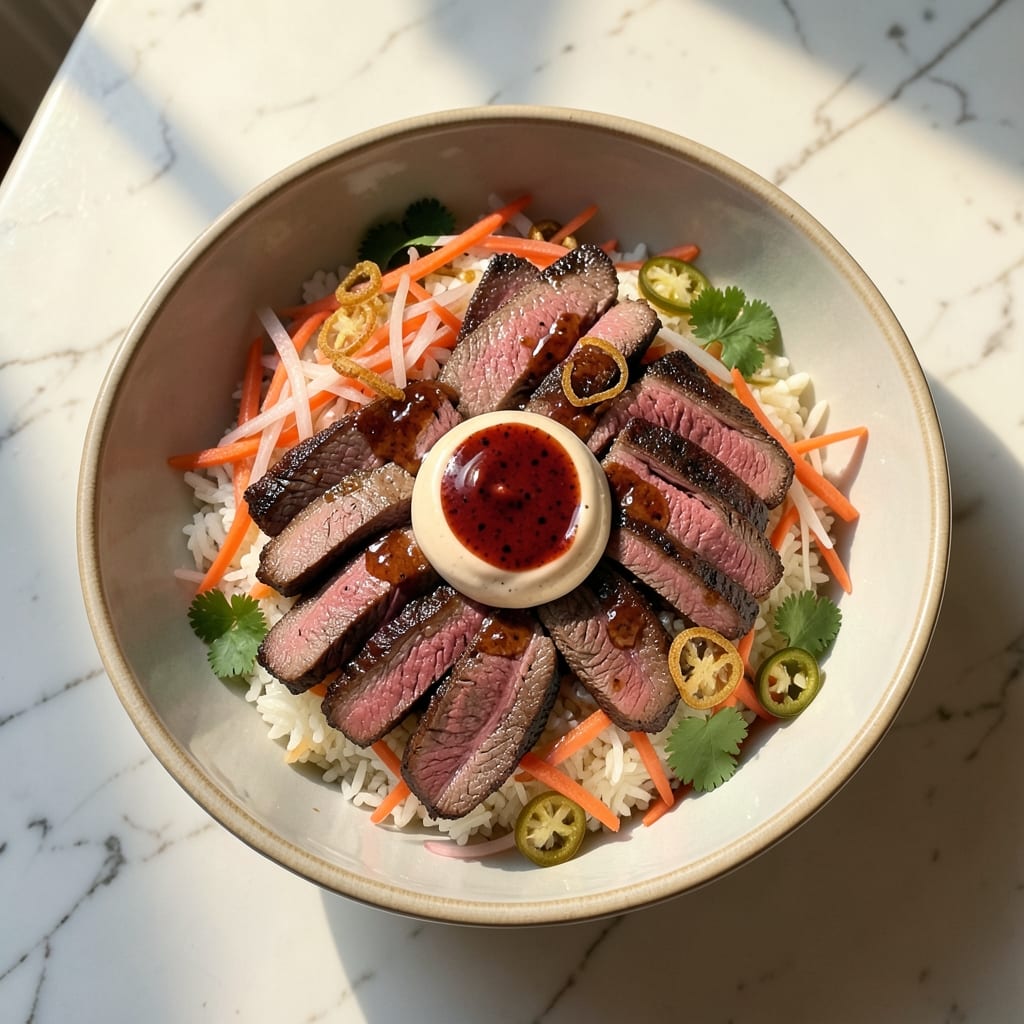
This beef banh mi bowl recipe transforms Vietnamese street food into a satisfying, crispy, and vibrant bowl packed with wok-hei beef, pickled vegetables, and bold flavors. The secret lies in marinated beef that develops a caramelized crust while staying tender inside, paired with bright pickled veggies that cut through the richness. I've perfected this dish over years of testing, balancing traditional techniques with modern convenience—no pressure cooker required.
The foundation starts with thinly sliced beef marinated in a blend of fish sauce, garlic, and sugar, then quickly seared in a hot pan to achieve that signature crispy texture. Pickled carrots, daikon, and jalapeños add a tangy crunch that keeps every bite fresh, while a creamy mayo-chili sauce ties everything together. The result is a bowl that delivers restaurant-quality depth without the fuss of traditional banh mi assembly.
What makes this recipe stand out is the harmony of textures—crispy beef, crunchy pickles, and tender rice—all balanced by the sauce's creamy-spicy kick. Each component is designed to complement the others, creating a meal that's both comforting and exciting. The presentation is just as important, with vibrant colors and strategic layering that makes every bite visually appealing.
Perfect for weeknight dinners or meal prep, this banh mi bowl adapts easily to dietary preferences while keeping the core flavors intact. Whether you're a fan of Vietnamese cuisine or simply love bold, flavorful dishes, this recipe delivers a satisfying meal in under 30 minutes. Let's get started!
Ingredients for beef banh mi bowl
Here's what you need to create this restaurant-quality beef banh mi bowl with vibrant flavors and perfect textures.
| Ingredient | Amount | Notes |
|---|---|---|
| Flank Steak 🥩 | 1 ½ lb | Thinly sliced against grain |
| Fish Sauce 🍶 | 2 tbsp | Red Boat preferred |
| Garlic Cloves 🧄 | 6 cloves | Minced for marinade |
| White Sugar 🍚 | 1 tbsp | Granulated preferred |
| Lime Juice 🍋 | 2 tbsp | Freshly squeezed |
| Vegetable Oil 🫒 | 2 tbsp | High smoke point |
| Carrots 🥕 | 1 medium | Julienned for pickles |
| Daikon Radish 🥬 | 1 medium | Julienned for pickles |
| Jalapeño Peppers 🌶️ | 2 whole | Thinly sliced |
| Rice Vinegar 🍶 | ½ cup | White vinegar substitute |
| Mayonnaise 🥫 | ½ cup | Duke's preferred |
| Sriracha 🌶️ | 1 tbsp | Adjust for heat |
| Jasmine Rice 🍚 | 1 ½ cups | Uncooked, long grain |
| Fresh Cilantro 🌿 | ¼ cup | Chopped for garnish |
| Sesame Seeds 🌾 | 1 tbsp | Toasted for garnish |
The flank steak is non-negotiable for that signature wok-hei texture—thinly sliced against the grain ensures tenderness. Costco or Whole Foods carry high-quality cuts, but any well-marbled flank steak works. For the marinade, Red Boat fish sauce delivers authentic umami depth, though Three Crabs is a solid backup. Fresh garlic and lime juice are essential—don't substitute bottled lime juice. The sugar helps caramelize the beef while balancing the acidity. If you can't find daikon radish, white turnips work in a pinch, though texture differs slightly.
No rice vinegar? Apple cider vinegar works in a bind, though flavor shifts. For the pickles, organic carrots and daikon stay crunchier longer—conventional produce often turns mushy. The mayo-chili sauce is where you can get creative: Greek yogurt instead of mayo cuts calories, while gochujang adds Korean-inspired depth. Fresh jalapeños should be bright green—red ones lose their kick. For extra heat, add a dash of cayenne to the sauce. The jasmine rice should be steamed to perfect fluffiness—undercooked rice ruins the bowl's foundation.
Marinated beef keeps 24 hours in the fridge—flavor improves with time. Pickled veggies stay crisp for 5 days if submerged in vinegar. The mayo-chili sauce lasts 5 days refrigerated or 3 months frozen**. For meal prep, store components separately: rice, beef, pickles, and sauce. Reheat beef gently—it dries out quickly. Garnishes like cilantro and sesame seeds should be added fresh before serving to maintain vibrant presentation. This bowl reheats beautifully—just warm the beef and sauce separately to preserve textures.
Why You'll Love This Recipe
- No Marinate, No Stress: That flank steak only needs 15 minutes in the fish sauce, garlic, sugar, and lime—no fancy prep, just slice and sear. Honestly, I’ve burned steak before, but this? Even I can’t mess it up.
- Umami Bomb: The fish sauce and sugar combo turns that steak into something ridiculously good—sweet, salty, tangy all at once. It’s the kind of flavor that makes you pause mid-bite, like, "Wait, how is this real?"
- Lunchbox Hero: Make a big batch on Sunday, and you’ve got weeknight lunches covered. Cold or reheated, it’s still solid—just toss in some pickled veggies or cilantro if you’re feeling fancy. (Yes, even on a Tuesday night.)
- Budget Power Move: Flank steak stretches far, and the marinade costs pennies. I’ve fed four people for under $15, and the leftovers? Still better than takeout. That’s a win in my book.
Step-by-step instructions for crispy wok-hei beef and pickled veggie crunch
Mastering this banh mi bowl starts with perfecting the wok-hei beef and vibrant pickled vegetables.
Marinate and Slice the Flank Steak
First, slice the 1.5 lb flank steak thinly against the grain into strips about ¼-inch thick. Place them in a bowl and add the 2 tbsp fish sauce, 1 tbsp white sugar, 2 tbsp lime juice, and all 6 minced garlic cloves. Mix thoroughly until the steak is evenly coated. Let it marinate in the refrigerator for at least 30 minutes, or up to 2 hours for deeper flavor penetration.
The marinade should be sticky and cling to the meat—this ensures maximum flavor absorption and helps create that signature wok-hei crust. For best results, use a non-reactive bowl to prevent any metallic flavors from developing during the marinating process.
Prepare the Pickled Vegetables
Using a mandoline or sharp knife, julienne the 1 medium carrot and 1 medium daikon radish into thin matchsticks. Thinly slice the 2 whole jalapeño peppers lengthwise. In a bowl, combine these vegetables with 0.5 cup rice vinegar, 1 tbsp sriracha, and 1 tbsp white sugar. Mix well and let sit at room temperature for at least 20 minutes to develop the tangy crunch.
This quick-pickle creates the signature bright acidity that cuts through the richness of the beef. The vegetables should soften slightly but maintain their crisp texture. If you prefer less heat, remove the jalapeño seeds before slicing.
Cook the Jasmine Rice to Perfection
Rinse the 1.5 cups jasmine rice under cold water until the water runs clear. Cook according to package instructions, typically using a 1:1.5 rice-to-water ratio, and simmer for about 15 minutes until all liquid is absorbed. Fluff with a fork and let rest covered for 5 minutes before serving.
Properly cooked jasmine rice should be separate, fluffy grains with a delicate floral aroma. Overcooking releases excess starch, which can make your bowl gummy. The rice forms the foundation of your banh mi bowl, so this step is crucial for texture.
Create the Special Sauce
In a small bowl, whisk together the 0.5 cup mayonnaise, 1 tbsp sriracha, and 1 tbsp lime juice until smooth. This sauce should be thick enough to cling to the beef but still flow easily. Taste and adjust seasoning if needed—you want a balance of creamy richness and spicy tang.
This sauce is what brings all the elements together in each bite. The mayonnaise provides creaminess while the sriracha and lime add that signature banh mi punch. Keep this mixture at room temperature until ready to use for the best texture.
Cook the Wok-Hei Beef to Crispy Perfection
Heat the 2 tbsp vegetable oil in a wok or large skillet over high heat until shimmering. Working in batches if needed, add the marinated steak strips and cook without stirring for 30-45 seconds until the edges begin to crisp. Then stir-fry for an additional 1-2 minutes until the beef is cooked through but still retains moisture.
The key to wok-hei beef is that initial high-heat sear that creates the crispy crust while keeping the interior tender. You'll know it's ready when the beef releases easily from the pan and has developed a beautiful caramelized crust. Remove from heat and set aside.
Assemble the Banh Mi Bowls
Divide the cooked jasmine rice among 4 bowls. Top each with the crispy wok-hei beef, pickled vegetables, and a generous drizzle of the special sauce. Garnish with the 0.25 cup chopped fresh cilantro and 1 tbsp toasted sesame seeds. Serve immediately while everything is hot and crisp.
Each bite should deliver a perfect balance of textures—crispy beef, crunchy pickled vegetables, creamy sauce, and fluffy rice. The contrast between the smoky beef, tangy pickles, and aromatic rice creates the signature banh mi experience in bowl form.
Pro Tips For Making Beef Banh Mi Bowl
- Slice Against the Grain: Flank steak’s muscle fibers run long—cutting perpendicular to them turns tough chews into tender bites. Grab your knife and slice at a 45-degree angle after resting the meat, or you’ll end up with rubbery strips that’ll have you questioning your life choices.
- Marinate Overnight, Not 30 Minutes: I used to toss flank steak in fish sauce, sugar, and lime right before cooking, thinking it’d be fine. Wrong. Let it sit 8+ hours—this breaks down the meat and lets the flavors meld. Use a resealable bag for easy tossing, and don’t skip the plastic wrap (trust me, it’s worth the cleanup).
- Char the Garlic, Don’t Burn It: When frying those garlic cloves for the marinade, keep the heat medium and stir constantly. Burnt garlic tastes bitter and overpowers the dish. If you see brown specks, pull them out immediately—you want golden, fragrant cloves, not a campfire aroma.
- Use Cold Steak for Even Cooking: Take the flank steak straight from the fridge and pat it dry. Cold meat sears more evenly than room-temp, giving you that perfect crust without overcooking the center. Skip the 30-minute wait—just slice it thin and get cooking.
Dietary considerations for these flavors
Gluten-Free Adaptations
This banh mi bowl can easily accommodate gluten-free needs by swapping the traditional baguette elements. Replace the jasmine rice with certified gluten-free jasmine rice (like Lundberg Farms) to ensure no cross-contamination. For the mayo-chili sauce, use gluten-free mayonnaise (Hellmann's or Duke's gluten-free line) and verify sriracha brands—some contain wheat. I always double-check labels since hidden gluten lurks in unexpected places. 💪
Dairy-Free Options
The original recipe includes mayo, but you can create a dairy-free version by substituting vegan mayonnaise (like Just Mayo or Sir Kensington's) for the ½ cup mayonnaise. The sauce will still deliver that creamy texture while keeping the dish dairy-free. For extra richness, add 1 tsp nutritional yeast to mimic the umami depth of traditional mayo. The pickled veggies and beef remain completely dairy-free. ✨
Low-Carb Modifications
Transform this into a low-carb masterpiece by replacing jasmine rice with cauliflower rice (fresh or frozen). Cook it with 1 tbsp coconut oil and a pinch of salt until tender. The beef and pickled veggies stay the same, but you'll need to adjust portion sizes—cauliflower rice is less filling. For extra protein, add ¼ cup chopped peanuts as a garnish. This version keeps the bold flavors while cutting carbs dramatically. 🥦
Allergen-Friendly Tips
For nut allergies, skip the sesame seeds and use toasted pumpkin seeds instead—they add crunch without nuts. If you're avoiding sesame entirely, omit the garnish or use crushed potato chips for texture. For seafood allergies, ensure your fish sauce is processed in a facility free of shellfish (Red Boat is typically safe). Always check ingredient labels when substituting brands. Safety first! 🛡️
Vegetarian Swap
Replace the beef with marinated and pan-seared tofu or shitake mushrooms—both work beautifully. For tofu, press and slice extra-firm tofu into strips, then marinate in the same fish sauce, garlic, sugar, and lime juice mixture for 30 minutes. Cook until crispy using the same wok-hei technique. The texture mimics beef surprisingly well when properly seared. 🍄
Nutrition facts
Frequently asked questions
Can I use a different cut of beef instead of flank steak?
Yes! Flank steak is ideal for its marbling and tenderness, but you can substitute with sirloin or ribeye (trimmed of fat). Avoid lean cuts like top round—they won't develop the same wok-hei crust. For extra tenderness, slice ¼-inch thick against the grain, just like flank steak.
How do I make this recipe spicier?
Boost the heat by adding 1 extra tbsp sriracha to the sauce or swapping it for gochujang (Korean chili paste). For a smoky kick, sprinkle ½ tsp smoked paprika on the beef before cooking. Pro tip: Add ½ tsp cayenne to the marinade for deeper heat. Adjust gradually—spice builds with each layer!
Can I prep this recipe ahead of time?
Marinate the beef 24 hours ahead for deeper flavor. Pickled veggies stay crisp for 5 days in the fridge. Cook the rice fresh or reheat gently. For assembly, store components separately: keep the beef and sauce at room temp until serving to maintain crispiness. Garnishes like cilantro should be added fresh.
What if I don't have rice vinegar?
Use apple cider vinegar or white vinegar in a 1:1 ratio—they'll create a similar tang. For extra depth, add ½ tsp sugar to balance the acidity. Avoid balsamic vinegar (too sweet) or wine vinegar (too harsh). The pickles will still be bright—just slightly different in flavor!
How do I fix overcooked beef?
If the beef turns tough, slice it thinner (⅛-inch) and toss with 1 tbsp soy sauce and 1 tsp honey to restore moisture. Reheat gently in a pan with 1 tsp water covered for 1 minute. For future success, always cook beef over high heat for 1-2 minutes total—it should be slightly pink inside when done.