
Soups & Stews
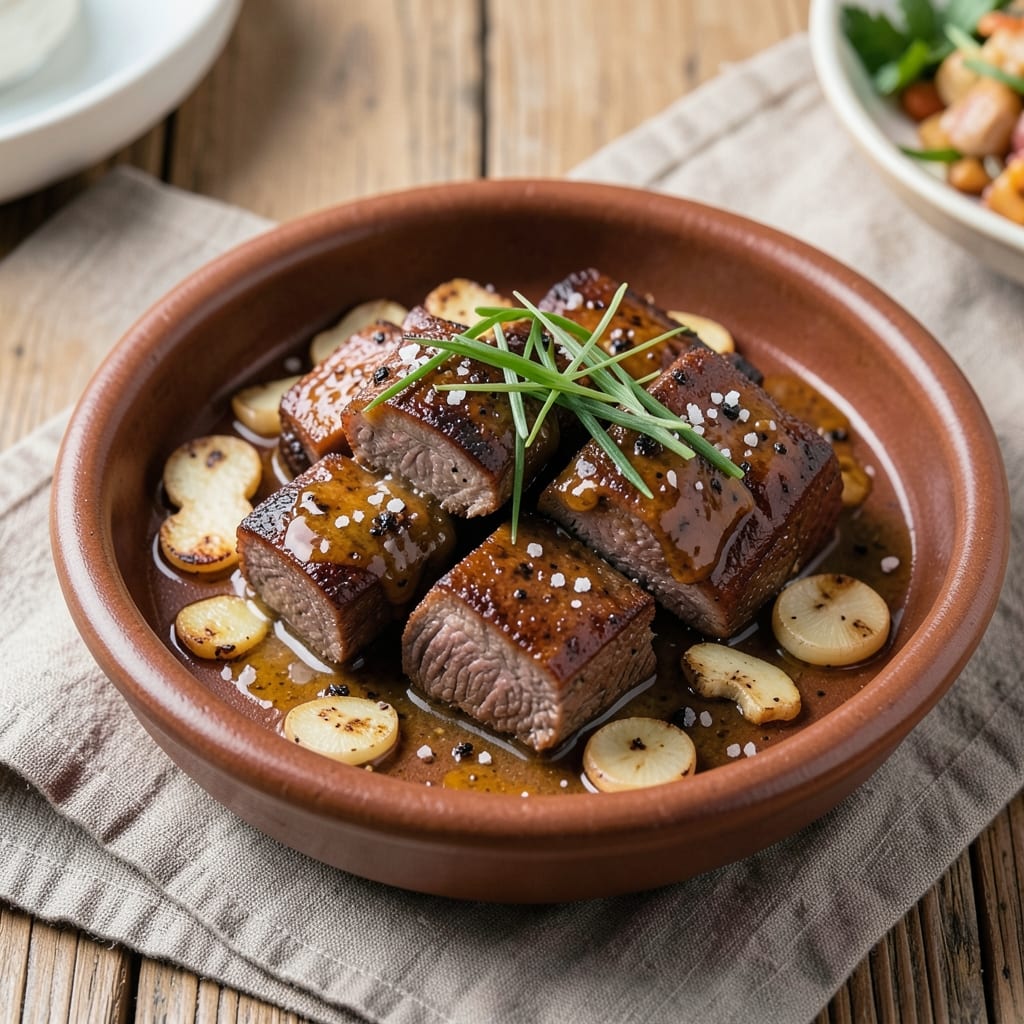
This beef balbacua recipe delivers melt-in-your-mouth tenderness through a perfect balance of vinegar, soy sauce, and slow simmering—a dish that captures the heart of Filipino comfort food. The secret lies in marinating the beef overnight, allowing the acidic ingredients to break down tough fibers while building deep, savory flavors that transform even inexpensive cuts into something extraordinary. What makes this recipe special is its ability to deliver restaurant-quality results at home, with a rich, caramelized sauce that clings to every bite.
The magic happens in the slow cooking process, where beef shoulder becomes fork-tender as it absorbs the aromatic marinade and develops complex layers of flavor. Unlike quick-cooked dishes, balbacua rewards patience with its velvety texture and concentrated umami richness. The sauce, reduced to a glossy sheen, carries all the essence of garlic, ginger, and vinegar that define this classic Filipino dish. This isn't just a stew—it's a celebration of texture and tradition that belongs on any table.
By the time you serve this dish, you'll have perfectly tender beef that falls apart at the touch of a fork, swimming in a sauce that's both tangy and sweet. The aroma alone will have everyone gathered around your table, while the first bite delivers that perfect balance of savory, slightly sweet, and tangy flavors. This recipe serves as the centerpiece of any Filipino feast, pairing beautifully with steamed rice, atchara (pickled papaya), and garlic fried rice to complete the meal.
The beauty of balbacua lies in its versatility—it's equally at home as a weeknight dinner or a special occasion dish. The marinating process can be done the night before, making this a truly hands-off cooking experience that still delivers impressive results. Whether you're serving it to family or sharing it with friends, this recipe will transport your taste buds straight to the Philippines. Let's get cooking!
Ingredients for beef balbacua
Nine essential ingredients transform tough beef into melt-in-your-mouth balbacua perfection.
| Ingredient | Amount | Notes |
|---|---|---|
| Beef Shoulder 🥩 | 2 lb | Bone-in for flavor, cut into 2-inch chunks |
| White Vinegar 💧 | ½ cup | Distilled white vinegar preferred |
| Soy Sauce 🥄 | ½ cup | Kikkoman or similar brand |
| Garlic Cloves 🧄 | 8 cloves | Minced, for marinade and cooking |
| Fresh Ginger 🌿 | ½ cup | Finely grated, about 2 oz |
| Brown Sugar 🍯 | ¼ cup | Light or dark, packed |
| Black Peppercorns 🌶️ | 1 tbsp | Crushed, for depth of flavor |
| Bay Leaves 🍃 | 2 whole | Dried, for aromatic base |
| Onion 🧅 | 1 whole | Yellow, sliced into wedges |
| Olive Oil 🫒 | 2 tbsp | For searing beef |
| Salt 🧂 | 1 ½ tsp | Kosher or sea salt |
| Water 💧 | 1 cup | For balancing sauce |
| Green Onions 🧅 | 2 whole | Sliced, for garnish |
The beef shoulder is the star—bone-in cuts like chuck or picnic shoulder work best, giving you that rich marrow flavor. Look for cuts with good marbling at Costco or your local butcher shop, and ask them to cut it into 2-inch chunks for even cooking. If you can't find bone-in, regular beef shoulder works too, but skip the bones. The vinegar and soy sauce combo is non-negotiable—Kikkoman soy sauce has that perfect balance of salt and umami, while white vinegar cuts through the richness. Fresh ginger and garlic? No substitutes here—they're the aromatic backbone of the dish. I always grab extra ginger because it keeps for weeks in the freezer.
No white vinegar? Canola vinegar or apple cider vinegar will work in a pinch, though the flavor will be slightly different. Short on soy sauce? Coconut aminos or tamari get you close, but the color won't be as rich. The brown sugar adds just the right touch of sweetness—muscovado or coconut sugar work beautifully too if you want something more exotic. For the garlic and ginger, if you're not comfortable grating fresh ginger, paste works but reduces the freshness factor. The black peppercorns should be crushed—a mortar and pestle does the job best, but a rolling pin works too. Pro tip: Toast the peppercorns in a dry pan for 30 seconds before crushing to deepen their flavor. The bay leaves add that subtle earthy note that makes this dish sing—don't skip them.
This dish tastes even better the next day, so make extra. Store leftovers in the fridge for up to 5 days—the flavors meld beautifully over time. For longer storage, freeze portions for up to 3 months. I like to portion mine into individual containers so I can grab a serving straight from the freezer for a quick meal. The sauce thickens as it cools, so add a splash of water when reheating. Serve with steamed rice and a side of atchara (pickled papaya) if you want the full Filipino experience.
Why You'll Love This Recipe
- Foolproof Simplicity: I swear by this recipe because it’s actually hands-off. Marinate the beef shoulder overnight (or even 4 hours if you’re pinched for time), then slow-cook it—no flipping, no fiddling. The vinegar and soy sauce do all the work while you do nothing.
- Umami Bomb: That first bite? Chef’s kiss. The ginger and garlic caramelize into the beef, while the vinegar keeps it tender without being mushy. It’s rich but bright, salty but not overpowering—like a hug in a bowl.
- Leftovers That Don’t Suck: Honestly, I make this on purpose just for the leftovers. The flavor deepens overnight, so the next day’s lunch is even better. Pack it for work, toss it in a rice bowl, or reheat it straight from the fridge—it’s always a win.
- Budget Crowd-Pleaser: A whole beef shoulder feeds everyone for less than $15. It’s my go-to for potlucks, family dinners, or when friends drop by unannounced. Plus, the sauce stretches—double it, freeze half, and thank me later.
Step-by-step instructions for beef balbacua
Here's how to transform tough beef shoulder into melt-in-your-mouth balbacua using just these simple ingredients.
Sear the Beef Shoulder for Deep Flavor
Heat a large Dutch oven over medium-high heat and add the 2 tablespoons olive oil. Once shimmering, add the 2-pound beef shoulder cut into 2-inch chunks. Sear on all sides until deeply browned - about 5 minutes per side. This step creates the rich foundation for your sauce.
Don't crowd the pan or the temperature will drop. Work in batches if needed. As the beef browns, you'll notice those beautiful caramelized bits sticking to the bottom - these are called fond and they're packed with flavor. We'll scrape them up later to build our sauce.
Build the Balbacua Marinade and Sauce
Remove the seared beef from the pot and set aside. In the same Dutch oven, add the 8 cloves minced garlic cloves and cook for 30 seconds until fragrant. Immediately add the 0.5 cup finely grated fresh ginger and stir for another 30 seconds until it releases its aroma.
Pour in the 0.5 cup white vinegar and 0.5 cup soy sauce, scraping up all those browned bits from the bottom. Add the 0.25 cup packed brown sugar, 1 tablespoon crushed black peppercorns, and 2 whole bay leaves. Stir everything together and let it simmer for 2 minutes until slightly reduced.
Simmer the Beef Until Fork-Tender
Return the beef to the pot and add the 1 whole sliced onion and 1 cup water. Bring everything to a gentle boil, then reduce heat to low. Cover and let it simmer for 2 hours, stirring occasionally. This slow cooking breaks down the tough collagen in the beef, transforming it into tender, melt-in-your-mouth bites.
Here's the thing - you'll want to check the liquid level occasionally. If it reduces too much, add a splash of water to keep the beef moist. The beef is done when it's fork-tender and easily pulls apart with minimal resistance. The sauce should be thick and glossy, coating the beef beautifully.
Finish and Serve with Fresh Garnish
Once the beef is perfectly tender, remove the 2 whole bay leaves. Taste the sauce and adjust seasoning with the 1.5 teaspoons salt if needed. The sauce should be perfectly balanced - tangy from the vinegar, salty from the soy sauce, and slightly sweet from the brown sugar.
Slice the beef against the grain for maximum tenderness and serve immediately. Garnish each serving with the sliced 2 whole green onions for a fresh pop of color and mild onion flavor. This dish tastes even better the next day as the flavors meld together, so leftovers make great sandwiches or rice bowls!
Pro Tips For Making Beef Balbacua
- Simmer Slow After Browning: The first 20 minutes of cooking should be high heat to get that deep caramelization on the beef—it’s where all the flavor hides. Once you add the vinegar and soy sauce, drop the heat to a bare simmer (tiny bubbles, not rolling) or you’ll cook off the acid too fast and end up with bland broth. I learned this the hard way when my first batch tasted like sad, watery beef instead of rich balbacua.
- Slice Ginger Thinly: Fresh ginger is non-negotiable here, but don’t just chop it roughly—use a mandoline or the thinnest knife setting on your peeler to get paper-thin slices. They’ll soften and infuse the sauce without turning it into a mushy pulp. (Yes, even if you’re impatient like me, resist the urge to dice it—your future self will taste the difference.)
- Avoid Overcrowding the Pot: If your beef shoulder is thick-cut, don’t toss all the chunks in at once or they’ll steam instead of brown. Work in batches, giving each piece a good sear in the pot before adding more. Crowding turns balbacua into a sad, gray stew—no one wants that. Start hot, finish low, and keep it loose.
- Deglaze with Vinegar Early: Don’t wait until the end to add the white vinegar—pour it in right after browning the garlic and ginger. The acid will lift all those stuck-on bits from the pot, giving your sauce depth and preventing a dull, one-note flavor. (This isn’t the prettiest method, but it’s the tastiest—I promise.)
Make-ahead tips for beef balbacua
Marinate Overnight
Start your balbacua prep the night before by marinating the beef in a ziplock bag with ½ cup soy sauce, ½ cup white vinegar, 8 minced garlic cloves, and ½ cup grated ginger. Seal tightly and refrigerate for 12-24 hours—this transforms tough beef into tender perfection. I always double-check my bag is sealed airtight to prevent leaks. 🥩
Prep Sauce Ahead
Make the sauce base the day before by combining ½ cup soy sauce, ½ cup vinegar, ¼ cup brown sugar, and 1 tbsp crushed black peppercorns in a bowl. Store in an airtight container in the fridge. This lets the flavors meld beautifully before cooking. Pro tip: Toast the peppercorns first for deeper flavor.
Slow Cooker Option
For a hands-off approach, sear the beef as directed, then transfer everything to a 6-quart slow cooker with the sauce and water. Cook on low for 8 hours or high for 5 hours. This method lets you prep in the morning and come home to perfectly tender beef. Just stir occasionally to prevent sticking. ⏰
Freezer-Friendly Prep
Assemble the entire dish (seared beef + sauce) in a freezer-safe bag, leaving 1 inch headspace for expansion. Freeze flat for up to 3 months. When ready to cook, thaw overnight in the fridge, then simmer on the stove for 1 hour until heated through. The texture remains perfect after freezing. ❄️
Leftovers Strategy
Balbacua tastes even better the next day! Store leftovers in glass containers with a splash of water to prevent drying. Reheat gently on the stove with 1 tbsp water to restore moisture. I love using it for lazy weeknight lunches—just slice and serve with rice. The flavors deepen overnight, making it worth the wait. 💫
Meal Prep Hack
Cook a double batch and portion into individual containers for easy grab-and-go meals. The sauce thickens when cold, so add 1 tbsp water when reheating. This works perfectly for lunch prep—just grab a container and pair with steamed rice. The beef stays tender even after reheating. 📅
Nutrition facts
Frequently asked questions
Can I use beef chuck roast instead of beef shoulder?
Beef chuck roast works perfectly—it's actually preferred by many for its rich marbling. The fat content helps create an even more flavorful sauce. Just cut it into 2-inch chunks like the recipe directs, and follow the same cooking time. The extra fat renders out during slow cooking, keeping the beef moist and delicious.
How do I know when the beef is tender enough?
Use the fork test: pierce a piece of beef and gently pull apart. If it separates easily with minimal resistance, it's done! The beef should feel tender but not mushy. For bone-in cuts, check the meat near the bone—it often cooks faster. If you're unsure, let it cook 15-30 minutes longer; balbacua tastes better when it's slightly overcooked than tough.
Can I make this in an Instant Pot?
Yes! Sear the beef first, then add all ingredients to your Instant Pot. Cook on high pressure for 60 minutes, followed by a 15-minute natural release. The texture will be slightly different (more saucy) but still delicious. For best results, use the sauté function to brown the beef first, then proceed with the recipe as written.
What if my sauce is too thin?
Simmer the sauce uncovered for 5-10 minutes to reduce it naturally. If it's still too thin, mix 1 tablespoon cornstarch with 2 tablespoons water, stir into the sauce, and simmer until thickened. Avoid adding too much cornstarch—it can make the sauce grainy. Alternatively, let it cool and thicken overnight; reheat with 1 tablespoon water to restore moisture.
Is balbacua traditionally served with specific sides?
Yes! The classic pairing is steamed white rice to soak up the rich sauce. Add atchara (pickled papaya) for tangy contrast and garlic fried rice for extra texture. Some regions serve it with sinigang (sour soup) or lumpia (spring rolls). The vinegar in balbacua balances perfectly with sweet and sour sides.