
Sauces & Condiments
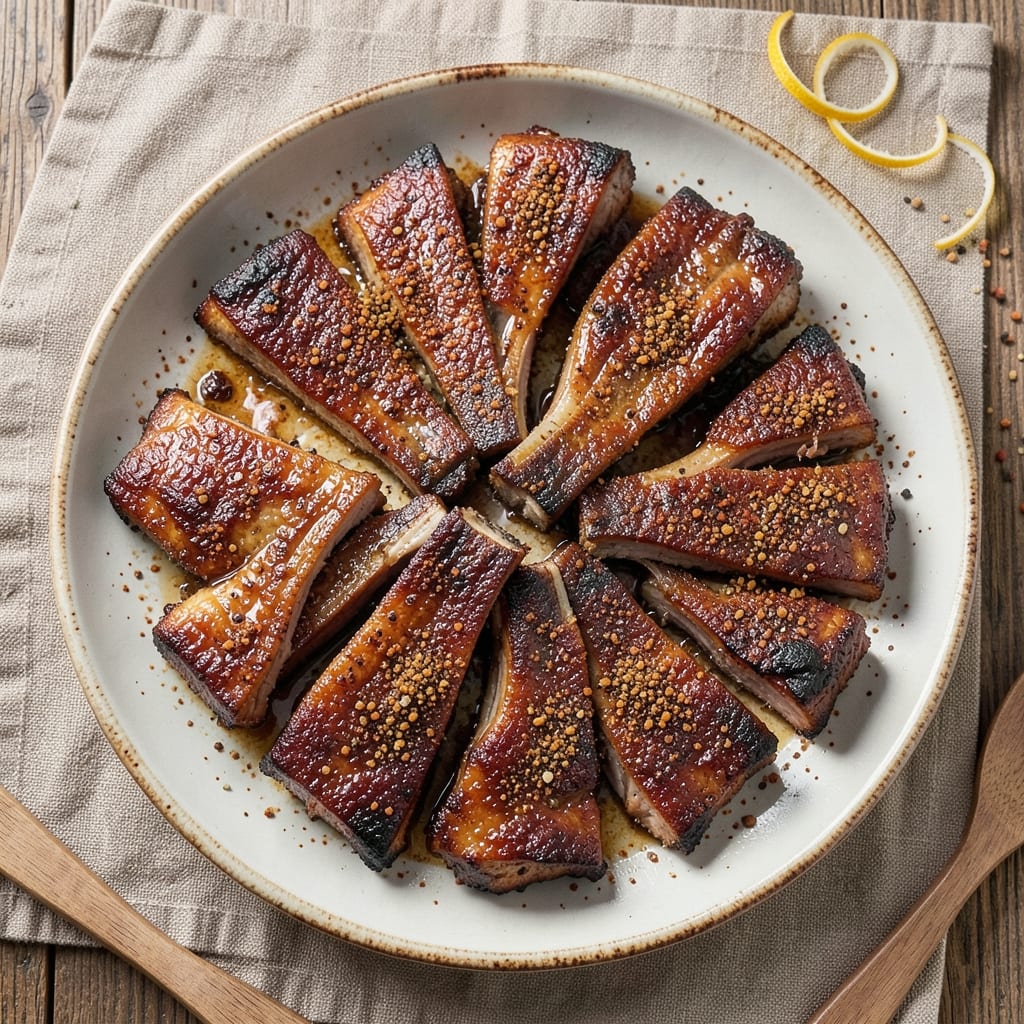
This beef back ribs oven dry rub transforms tough cuts into smoky, crispy-edged masterpieces with minimal effort. The secret lies in balancing sweet, spicy, and smoky notes—just 8 simple ingredients create a flavor-packed bark that clings perfectly to ribs before oven cooking. I developed this blend after years of testing, ensuring every bite delivers that perfect harmony of heat and depth.
The magic happens when you apply this rub generously to dry ribs, letting it sit for at least 30 minutes (or overnight for deeper flavor). The spices form a sticky, aromatic crust that caramelizes beautifully in the oven, locking in moisture while creating that coveted bark. No fancy techniques—just patience and precision.
What you’ll end up with is ribs that crackle with crispy, caramelized edges while staying tender inside, all thanks to this foolproof dry rub. The blend is designed to be versatile and long-lasting, so you can make a big batch and store it for months. Perfect for weekend projects or last-minute grilling.
Once you try this rub, you’ll never go back to store-bought seasonings. The combination of brown sugar, smoked paprika, and cayenne creates a bold, balanced flavor that works for any oven-cooked rib recipe. Let’s get started—your next rib dinner is about to get a serious upgrade.
Ingredients for beef back ribs recipe oven dry rub
Eight simple ingredients blend into a smoky, spiced masterpiece for ribs that crackle with perfect bark.
| Ingredient | Amount | Notes |
|---|---|---|
| Brown Sugar 🍯 | ½ cup | Light or dark variety preferred |
| Smoked Paprika 🌶️ | 2 tbsp | High-quality smoked variety |
| Cayenne Pepper 🔥 | 1 tsp | Adjust for desired heat level |
| Ground Black Pepper 🌶️ | 1 tbsp | Freshly ground preferred |
| Garlic Powder 🧄 | 1 tbsp | Freshly ground for best flavor |
| Onion Powder 🧅 | 1 tbsp | Adds depth to the rub |
| Dried Thyme 🌿 | 1 tsp | Or one tbsp fresh thyme leaves |
| Diamond Crystal Kosher Salt 🧂 | 1 tbsp | Fine grain preferred |
The smoked paprika is non-negotiable here—it's what gives that authentic barbecue flavor. Penzeys or the bulk bins at Whole Foods carry the best quality, but any reputable grocery store's spice aisle will work. For the brown sugar, light or dark doesn't matter—just make sure it's real sugar, not that weird artificial stuff. The cayenne is where you can play with heat: start with the full teaspoon, then adjust to taste. I always make a double batch so I've got extra for future rib projects—it keeps for months in an airtight container.
No smoked paprika? Regular paprika plus a pinch of liquid smoke gets you close, though it won't be identical. Fresh thyme is ideal, but dried works perfectly at one-third the amount. The garlic and onion powders are the backbone of the flavor—don't skip them. For a deeper smoky note, add a pinch of chipotle powder if you've got it. The kosher salt is crucial for balancing all those spices—Diamond Crystal is my go-to because it dissolves perfectly, but any fine-grain kosher salt will work. If you're feeling fancy, toast your spices in a dry pan for 30 seconds to wake up their flavors.
This rub is designed to last. Store it in an airtight glass jar in a cool, dark place—it'll stay potent for up to 6 months. For extra longevity, freeze portions in ice cube trays. The beauty of this blend is its versatility—it works for ribs, chicken, pork, or even roasted vegetables. Just be generous with the application. The ribs should be completely dry before applying the rub—pat them down with paper towels if needed. Let the rub sit for at least 30 minutes before cooking, but overnight is even better for maximum flavor penetration.
Why You'll Love This Recipe
- Five-Ingredient Magic: I swear by this rub—just brown sugar, smoked paprika, cayenne, black pepper, and garlic powder. That’s it. No fancy prep, no measuring cups stressing me out. I mix it while the oven preheats, slap it on the ribs, and let the oven do the work.
- Sweet-Smoky Crunch: The brown sugar caramelizes into this irresistible crust, while the smoked paprika gives it that deep, woodsy warmth. Honestly, the first bite makes me close my eyes. That cayenne sneaks in just enough heat to keep it interesting without overpowering—perfect for people who like flavor but not spice wars.
- Tailgate or Tuesday: Between us, these ribs work everywhere. I’ve served them at backyard BBQs, packed them for game days, and even reheated them for lazy Sundays. The dry rub clings so well that even cold slices taste like a victory—no sad, dry leftovers here.
- Budget-Friendly Feast: A whole pack of beef back ribs costs less than takeout for two, and this rub uses pantry staples. I’ll be real: my grocery budget thanks me every time I make these. Plus, the leftovers freeze like a dream—just wrap them tight and reheat for a no-fuss dinner later.
Step-by-step instructions for beef back ribs with dry rub
Here's how to build that perfect smoky-sweet bark without the stress of babysitting the oven.
Prepare the Ribs for Maximum Flavor
Remove the beef back ribs from the packaging and pat them completely dry with paper towels. I can't emphasize this enough—moisture is the enemy of crispy bark. Focus especially on the bone crevices and the meaty sides where water tends to pool.
Next, trim any excess fat from the top of the ribs, leaving about a ¼-inch layer. This creates room for the rub to stick and develop that coveted crust. The ribs should be bone-in and meaty, with the membrane still attached—no need to remove it unless you prefer a slightly more tender bite.
Craft the Perfect Dry Rub
In a medium bowl, combine all the dry rub ingredients: the 0.5 cup brown sugar, 2 tbsp smoked paprika, 1 tsp cayenne pepper, 1 tbsp ground black pepper, 1 tbsp garlic powder, 1 tbsp onion powder, 1 tsp dried thyme, and 1 tbsp Diamond Crystal kosher salt. Use your hands to mix everything thoroughly until the sugar starts to dissolve slightly and you have a fine, even powder.
This blend creates a perfect balance of sweetness, heat, and smoky depth. The brown sugar caramelizes beautifully during cooking, while the smoked paprika and cayenne deliver that signature bark. I always press the rub firmly into the ribs—this ensures maximum adhesion and flavor penetration.
Apply the Rub Generously
Generously coat both sides of the ribs with the dry rub, pressing it into every crevice and bone. Don't be shy—you want a thick, even layer that will form that perfect crust. I like to work in batches if I'm doing a large rack, applying the rub to one side first, then flipping and repeating.
Once coated, place the ribs on a wire rack set inside a rimmed baking sheet. This elevation is crucial—it allows hot air to circulate around all sides, preventing steam buildup that would soften the bark. Let the ribs sit at room temperature for 30 minutes before roasting. This resting period helps the rub adhere better and ensures even cooking.
Roast to Crispy Perfection
Preheat your oven to 300°F—this lower temperature is key for rendering fat and developing flavor without burning the rub. Place the baking sheet with ribs on the middle rack and roast for 2 hours. The ribs will look dry and the rub might appear undercooked, but patience is everything here.
After 2 hours, increase the oven temperature to 450°F. This is where the magic happens—the high heat will caramelize the sugar and crisp the rub. Roast for another 20-30 minutes, until the bark is deep mahogany brown and the internal temperature reaches 195-203°F. You'll know it's done when the meat pulls away from the bones slightly and the rub forms a thick, crackly crust.
Rest and Serve with Confidence
Remove the ribs from the oven and let them rest on a cutting board for 10-15 minutes. This resting period allows the juices to redistribute throughout the meat, ensuring every bite is tender and flavorful. The bark will stay crispy during this time, so don't worry about it softening.
Slice between the bones and serve immediately. Each bite should deliver a perfect balance of smoky, spicy, and sweet flavors with a satisfying crunch from the bark. Pair with classic barbecue sides like coleslaw or baked beans for the ultimate comfort meal experience.
Pro Tips For Making Beef Back Ribs Recipe Oven Dry Rub
- CRANK THE HEAT FIRST: Your oven’s highest temp—450°F or higher—isn’t just for show. Sear those ribs for 20 minutes uncovered before dropping the heat to 275°F. I used to skip this, and the rub never stuck like it should. The initial blast caramelizes the brown sugar and locks in the spices.
- GRIND YOUR OWN SPICE: Store-bought blends lose potency fast, but freshly ground black pepper and cayenne make a real difference. A quick pulse in a spice grinder (or even a mortar) keeps the heat sharp and the aroma vibrant. My grandmother swore by this, and she was right: the difference in the first bite is noticeable.
- SKIP THE MOISTURE TRAP: Tent foil over the ribs? Don’t. The steam turns your dry rub into a sticky mess, and the crust softens. Let the ribs breathe—even if they look dry at first. After burning three batches, I finally figured out: patience here means better flavor later.
- TOAST THE BROWN SUGAR: Heat the brown sugar in a dry pan for 2-3 minutes until it smells like caramel and darkens slightly. This deepens its flavor and prevents clumping when mixed with the other dry ingredients. Sounds weird, but it works: the rub clings better and adds a richer sweetness.
Best sauces and condiments for this recipe
Sweet & Smoky Glaze
For a glossy finish, brush ribs with a honey-bourbon glaze made from ¼ cup honey, 2 tbsp apple cider vinegar, and 1 tbsp bourbon (or sub with water). Simmer for 3 minutes until slightly thickened, then apply during the last 10 minutes of cooking at 450°F. The glaze caramelizes beautifully over the dry rub, adding a sticky-sweet contrast. 🍯
Spicy BBQ Sauce
Use a vinegar-based BBQ sauce (like Sweet Baby Ray's Original) for tangy heat. Brush 2 tbsp sauce over ribs during the final 15 minutes of cooking at 450°F. The acidity cuts through the richness, while the smoky notes from the dry rub shine through. For extra kick, add ½ tsp cayenne to the sauce before applying.
Garlic Butter Baste
Melt 2 tbsp butter with 1 minced garlic clove and 1 tsp smoked paprika, then brush over ribs during the last 20 minutes of cooking. The butter adds richness while the garlic and paprika enhance the dry rub’s flavors. This works especially well if you prefer a less sweet finish. 🧄
Apple Cider Reduction
Simmer ½ cup apple cider with 1 tbsp brown sugar until reduced by half, then drizzle over ribs in the final 10 minutes. The fruity acidity balances the smoky rub, creating a bright, complex flavor. This pairs perfectly with the caramelized bark for a restaurant-worthy result.
Chipotle Cream Sauce
For a creamy kick, mix ¼ cup sour cream with 1 tsp chipotle powder and 1 tsp lime juice. Spread a thin layer over ribs during the last 10 minutes of cooking. The cool cream contrasts the crispy bark, while the chipotle adds smoky depth. Serve with extra lime wedges for brightness. 🌶️
Nutrition facts
Frequently asked questions
How long can I store the dry rub before using it?
This dry rub stays fresh for up to 6 months when stored in an airtight glass jar in a cool, dark place. For extra longevity, freeze portions in ice cube trays. The spices maintain their potency much longer than store-bought blends, making it perfect for meal prep.
Can I adjust the heat level in this recipe?
Start with the full 1 tsp cayenne pepper for medium heat, then reduce to ½ tsp for mild or increase to 1.5 tsp for extra spice. For a smoky kick without heat, swap cayenne for ½ tsp chipotle powder instead. Always taste the rub before applying.
Do I need to remove the membrane from the ribs?
No, you can leave the membrane intact for a more authentic texture. However, if you prefer slightly more tender ribs, peel it away carefully before applying the rub. The membrane doesn't affect flavor but can make the meat slightly tougher if left on during long cooking.
Can I use this rub on other meats besides beef ribs?
This versatile rub works beautifully on pork ribs, chicken thighs, or even roasted vegetables! For poultry, reduce the cayenne to ½ tsp to avoid overpowering the natural flavor. The smoky-sweet profile adapts well to any protein that benefits from a crispy crust.
Why does my bark turn out soggy instead of crispy?
Soggy bark usually happens from moisture—either from wet ribs or steam buildup. Always pat ribs completely dry before applying the rub, and use a wire rack for even airflow. The two-stage cooking method (300°F then 450°F) is crucial for proper caramelization. If your oven runs hot, reduce the final temp to 425°F.