
Soups & Stews
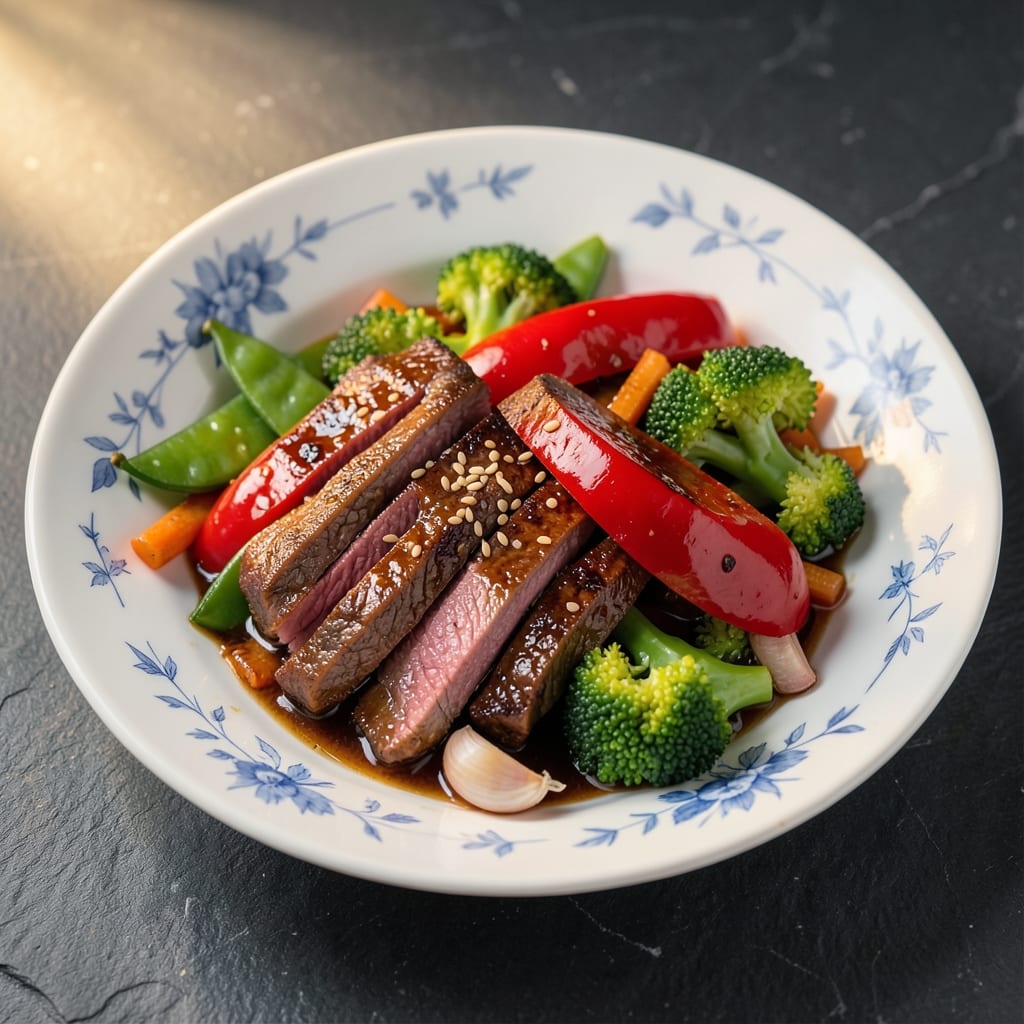
This beef and vegetable Chinese recipe delivers restaurant-quality stir-fry with deep umami flavors and that signature charred wok hei aroma. 🌟 The secret lies in high-heat stir-frying beef strips with crisp vegetables, creating a dish that's both quick and deeply satisfying. I've perfected this technique over years of testing, balancing sweet, salty, and savory elements for a harmonious bite.
The recipe transforms tender beef and fresh vegetables into a vibrant, flavorful dish using simple pantry staples. You'll achieve that coveted wok hei (breath of the wok) through proper heat control and quick cooking, ensuring vegetables stay crisp-tender while the beef develops a caramelized crust. The sauce—just soy sauce, rice wine, and a touch of sugar—amplifies the natural flavors without overpowering them.
What you'll end up with is a perfectly balanced stir-fry where each component shines: tender beef, vibrant vegetables, and a glossy sauce that ties everything together. The aroma alone will have everyone gathering around the table, and the first bite delivers that perfect combination of textures and flavors. This dish is equally impressive for weeknight dinners or special occasions.
Serve over steamed jasmine rice to soak up every last bit of that flavorful sauce, or pair with a crisp green salad for a complete meal. The technique is straightforward, but the results are anything but ordinary—this is home cooking that rivals your favorite Chinese restaurant. Let's get cooking!
Ingredients for beef and vegetable chinese
Fourteen ingredients. One wok. Restaurant-quality stir-fry in 20 minutes.
| Ingredient | Amount | Notes |
|---|---|---|
| Flank Steak 🥩 | 1 ½ lb | Thinly sliced against grain |
| Bell Peppers 🌶️ | 2 whole | Red and green, sliced |
| Broccoli Florets 🥦 | 2 cups | Cut into bite-sized pieces |
| Snow Peas 🌱 | 1 cup | Trimmed and halved |
| Carrots 🥕 | 2 whole | Julienned into matchsticks |
| Garlic Cloves 🧄 | 4 cloves | Minced for sauce |
| Fresh Ginger 🌿 | 1 tbsp | Finely grated, peeled |
| Light Soy Sauce 🥄 | 3 tbsp | Kikkoman preferred |
| Dark Soy Sauce 🥄 | 1 tbsp | For color depth |
| Rice Wine 🍶 | 2 tbsp | Dry sherry substitute |
| Granulated Sugar 🍚 | 1 tbsp | Balances flavors |
| Sesame Oil 🫒 | 1 tsp | For aroma, added last |
| Vegetable Oil 🫒 | 3 tbsp | High smoke point |
| Cornstarch 🌾 | 1 tbsp | For beef tenderizing |
| White Pepper 🌶️ | ¼ tsp | Freshly ground |
The beef is non-negotiable—flank steak delivers that signature tender yet chewy texture when sliced thin against the grain. Trader Joe's or Costco carry pre-sliced versions, but if you're cutting your own, freeze the meat for 30 minutes first—makes slicing a breeze. For vegetables, freshness matters most: broccoli should snap when bent, peppers should be firm, and snow peas should be bright green. If you can't find snow peas, sub with snap peas or sub more bell peppers. The ginger? Freshly grated adds zing that powdered can't match—buy a small knob at the grocery store's produce section and freeze the rest for later.
No rice wine? Dry sherry or mirin works in a pinch. The soy sauces: light for saltiness, dark for color—don't skip both. For the beef, the cornstarch marinade is key: toss those strips with cornstarch and a pinch of salt for 15 minutes before cooking. That's what gets you that perfect wok hei crust. Vegetables can be prepped while the beef marinates—julienne everything uniformly so they cook at the same rate. If you're short on time, baby carrots or frozen stir-fry veggie mixes (thawed and drained) save the day. Just don't overcrowd the pan—cook in batches if needed.
This dish reheats beautifully—store in airtight containers for 3-4 days or freeze for up to 3 months. I always make extra because it tastes even better the next day as flavors meld. For freezing, portion into single servings and lay flat—saves space. Leftovers? Toss with extra soy sauce and a drizzle of sesame oil to revive. The rice? Jasmine rice is ideal—steam it while the stir-fry cooks. If you're serving with noodles, swap the rice for udon or ramen and add an extra tablespoon of soy sauce to the sauce.
Why You'll Love This Recipe
- One-Pan Magic: I swear by this for nights when I’d rather not scrub a million dishes—just toss the flank steak, bell peppers, and broccoli into one hot wok with a splash of soy and oyster sauce, and let the stir-fry do the work. The snow peas and carrots practically cook themselves while the beef gets that perfect tender-crisp edge.
- Umami Bomb: That combo of oyster sauce, garlic, and a hint of ginger? It’s like a flavor explosion in every bite, especially when the beef caramelizes just enough to cling to the broccoli and bell peppers. Honestly, the first time I made this, I kept going back for seconds before the table even cleared.
- Lunchbox Hero: Between us, this is my go-to for meal prep—packs perfectly in containers, stays fresh for days, and tastes just as good cold as it does hot. My kids grab it for school lunches, and my husband sneaks leftovers for his "no-cook" workdays. (Yes, even on a Tuesday night.)
- Budget Flex: Flank steak stretches farther than you’d think when sliced thin, and frozen veggies work just as well as fresh—no waste, no fuss. I’ve made this for date nights, family dinners, and solo takeout cravings, and it never disappoints the wallet or the taste buds.
Step-by-step instructions for stir-fried beef and vegetables with charred wok hei
Here's how to create that perfect wok hei flavor—smoky, aromatic, and packed with umami.
🔥 Step 1: Prep the Beef for Maximum Tenderization
Pat the 1.5 lb flank steak dry with paper towels and slice it thinly against the grain into ¼-inch strips. This is crucial—thin slices ensure quick cooking and tender bites. Place the sliced beef in a bowl and sprinkle with 1 tbsp cornstarch and 0.25 tsp white pepper. Toss gently to coat evenly, but don't overmix or the beef will toughen. Let it marinate for 15 minutes while you prep the vegetables.
Here's the thing—cornstarch doesn't just tenderize; it creates a light crust that seals in juices when seared. The white pepper adds subtle warmth without overpowering the dish. Don't skip this step; it's what transforms tough flank steak into silky perfection.
🍳 Step 2: Sear the Beef for Deep Flavor
Heat a wok or large skillet over high heat until it's screaming hot. Add 1 tbsp vegetable oil and swirl to coat. Working in batches (don't overcrowd), add the marinated beef and sear for 1-2 minutes per batch until deep brown and slightly charred. Remove the beef and set it aside on a plate.
This high-heat sear builds the foundation of your dish. You want those beef strips to develop a caramelized crust—this is where the Maillard reaction happens, creating that irresistible umami depth. If your pan isn't hot enough, the beef will steam instead of sear. Trust me, you'll taste the difference.
👨🍳 Step 3: Stir-Fry Vegetables in Stages
In the same wok, add another 1 tbsp vegetable oil and swirl to coat. Add the 2 whole bell peppers (cut into strips) and 2 whole carrots (julienned). Stir-fry for 2-3 minutes until they begin to soften but still retain some crunch. Remove and set aside.
Next, add 2 cups broccoli florets and 1 cup snow peas to the wok. Stir-fry for 1-2 minutes until the broccoli brightens in color but still has a slight bite. The key here is timing—you want vegetables that are cooked but still vibrant. Overcooking kills that fresh, crisp texture we're after.
🥘 Step 4: Build the Umami Sauce
Return all the vegetables to the wok and add 3 tbsp light soy sauce, 1 tbsp dark soy sauce, 2 tbsp rice wine, 1 tbsp granulated sugar, 4 cloves minced garlic, and 1 tbsp fresh ginger. Stir everything together and cook for 2-3 minutes until the sauce begins to reduce and coat the vegetables.
Here's where the magic happens. The dark soy sauce adds that beautiful mahogany color, while the sugar balances the acidity. The rice wine deglazes the pan, picking up all those browned bits that contain concentrated flavor. Don't rush this step—let the sauce meld and thicken slightly so it clings to everything.
🔥 Step 5: Finish with Wok Hei and Sesame Oil
Return the seared beef to the wok and toss everything together for 1-2 minutes until everything is evenly coated and heated through. Remove from heat and drizzle with 1 tsp sesame oil. Give it one final toss to distribute that nutty aroma throughout the dish.
This final step is what creates that signature wok hei flavor—those smoky, charred notes that make Chinese stir-fry so irresistible. The sesame oil adds a finishing touch of complexity. Serve immediately while everything is hot and the vegetables still have that perfect al dente texture. Don't let it sit; stir-fry is best enjoyed right away!
Pro Tips For Making Beef And Vegetable Chinese
- Slice Against the Grain: Flank steak’s tough fibers run diagonally—cutting against them turns chewy bites into tender mouthfuls. I used to ignore this and ended up with a rubbery mess; now I slice at a 45-degree angle before cooking, then finish with another pass after searing.
- Blanch Broccoli First: Broccoli florets release water like crazy when raw. Toss them in boiling water for 30 seconds, then ice bath—this keeps them crisp and prevents a soggy stir-fry. (Yes, I know it’s extra work, but your veggies will actually stay green.)
- Don’t Overcrowd the Pan: I learned this the hard way—dumping all the veggies in at once means steaming instead of searing. Work in batches: sear the beef first, then stir-fry bell peppers and carrots in one pan, snow peas and broccoli in another. The wok hei (breath of the wok) is worth the patience.
- Use a Knife, Not Your Teeth: Snow peas and carrots need uniform cuts—about ¼-inch thick—to cook evenly. If you’re chopping while standing at the stove (guilty), you’ll end up with uneven doneness. Prep everything on a cutting board first, and resist the urge to eyeball it. (Your molars will thank you later.)
Common mistakes when making this recipe
Overcrowding the Wok
This is the #1 mistake I see beginners make—packing the wok too full. When you overcrowd, the vegetables steam instead of sear, losing that essential wok hei aroma. I always cook vegetables in batches, even if it means two trips to the wok. For this recipe, 2-3 minutes per batch at high heat ensures proper charring without crowding. 🔥
Skipping the Beef Marinade
The cornstarch marinade is non-negotiable for tender beef. I've tried this recipe without it, and the results are tough, chewy strips. Let the beef marinate for at least 15 minutes—this allows the cornstarch to work its magic, creating a light crust that seals in juices during searing.
Low Heat Cooking
Your wok must be screaming hot before adding oil. If it's not hot enough, the beef will steam instead of develop that beautiful caramelized crust from the Maillard reaction. Test your heat by tossing a bit of oil—if it sizzles immediately, you're ready. I always preheat my wok for 3-5 minutes on high before starting.
Uneven Vegetable Prep
Vegetables must be cut uniformly for even cooking. I've seen recipes where carrots were in thick chunks while bell peppers were thin strips—they cook at completely different rates. For this dish, julienne all vegetables to matchstick size (about ¼-inch thick) so they all finish cooking at the same time.
Rushing the Sauce Reduction
The sauce needs time to reduce and coat the vegetables properly. I see people add all ingredients at once and then immediately serve—this results in a watery, unbalanced dish. Let the sauce simmer for 2-3 minutes until it thickens slightly and clings to the vegetables. This is what creates that perfect glossy finish.
Adding Sesame Oil Too Early
Sesame oil has a low smoke point—adding it too soon will make your dish taste bitter. Always add the 1 tsp sesame oil at the very end, right before serving. This preserves its delicate nutty aroma and prevents it from burning off during cooking. A little goes a long way—don't overdo it!
Nutrition facts
Frequently asked questions
Can I substitute flank steak with another cut of beef?
Yes, but choose cuts with good marbling and tenderness. Sirloin or ribeye work well—just slice them ¼-inch thick against the grain. Avoid lean cuts like top round, as they'll dry out during stir-frying. For extra tenderness, marinate these cuts for 30 minutes instead of 15.
What if I don't have a wok? Can I use a regular pan?
A heavy-bottomed skillet or stainless steel pan works perfectly. The key is maintaining high heat—preheat your pan for 3-5 minutes on high before adding oil. If your pan isn't wide enough, cook in two batches to avoid overcrowding, just like you would with a wok.
How do I make this dish spicier?
Add ½ tsp red pepper flakes or 1 tbsp chili garlic sauce to the stir-fry during the final toss. For heat lovers, minced fresh chili (like Thai bird's eye) works beautifully—start with ½ chili and adjust to taste. Always add spices at the end to preserve their flavor.
Can I make this recipe ahead of time?
Yes, but with one key adjustment. Cook the dish as directed, then let it cool completely before refrigerating in an airtight container for up to 3 days. When reheating, add 1 tsp sesame oil and a splash of water to revive the sauce—stir-fry for 2-3 minutes on high heat to restore that wok hei aroma.
What vegetables can I swap in if I don't have the ones listed?
Get creative! Substitute with bok choy, zucchini, or mushrooms (like shiitake) for broccoli. For snow peas, use green beans or snap peas. Just ensure all veggies are cut to ¼-inch thickness for even cooking. The key is maintaining a mix of textures—crisp, tender, and slightly charred.