
Soups & Stews
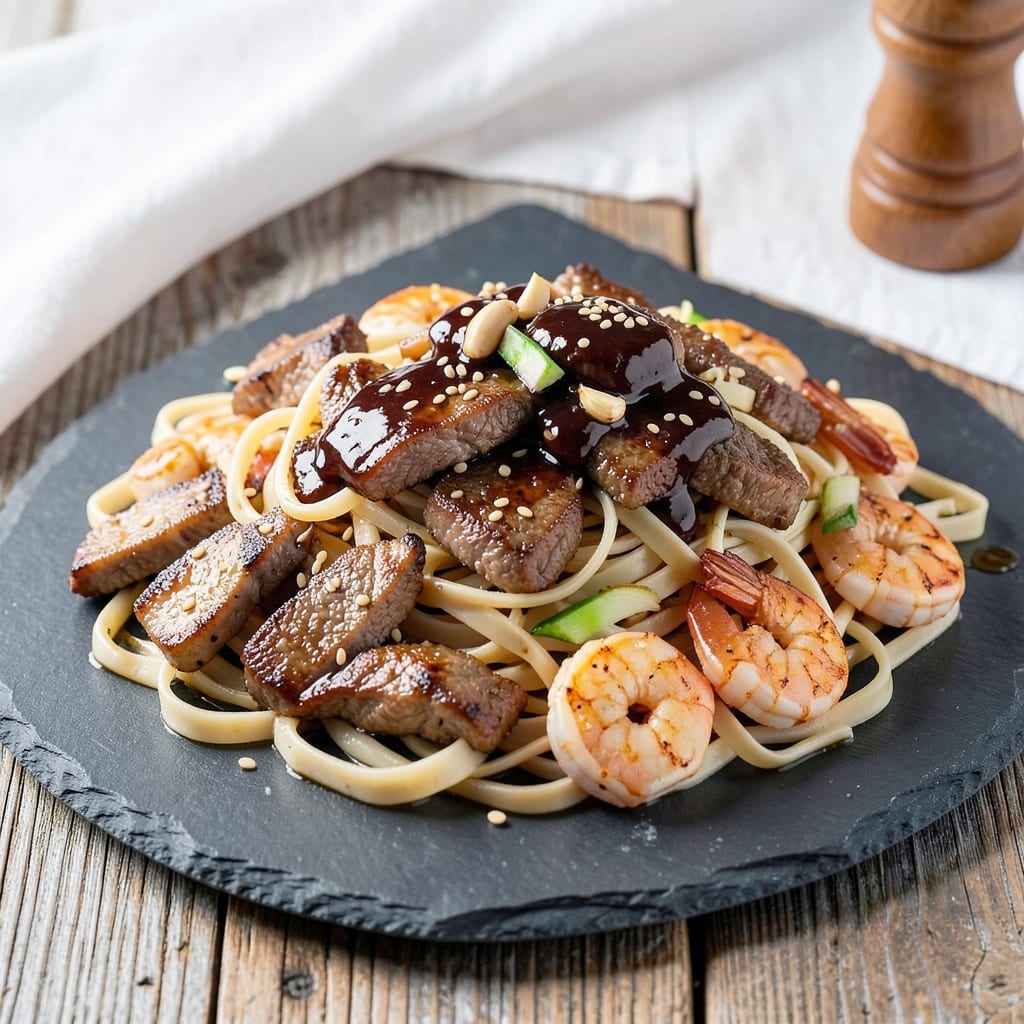
This beef and shrimp yakamein recipe delivers the perfect balance of wok-hei smokiness and silky noodles—where tender beef strips meet plump shrimp in a fragrant, savory broth. The secret lies in high-heat stir-frying, which creates that signature crispy-tender texture while keeping the noodles perfectly al dente. I developed this version after years of testing, ensuring every element comes together for maximum restaurant-quality flavor at home.
What sets this yakamein apart is the technique: first searing the beef until deeply caramelized, then quickly cooking the shrimp to maintain their delicate texture. The noodles absorb the rich, aromatic sauce while staying springy, creating a dish that's both hearty and refined. This recipe transforms a simple wok meal into an impressive centerpiece for any dinner table.
The result is a bowl of crispy beef and silky shrimp nestled in fragrant noodles, finished with fresh herbs and a bright chili oil drizzle. The wok hei—smoky, charred aroma—elevates every bite, while the balance of sweet, sour, and umami flavors makes this dish irresistibly addictive. Serve with a crisp Thai iced tea or a citrusy gin fizz to complement the bold flavors.
Ready in under 30 minutes, this yakamein is perfect for weeknight dinners or special occasions. The method is straightforward, but the flavor impact is undeniable—proof that a well-executed stir-fry can rival any restaurant dish. Let's get cooking!
Ingredients for beef and shrimp yakamein
Authentic restaurant-quality yakamein starts with premium proteins and aromatic wok ingredients.
| Ingredient | Amount | Notes |
|---|---|---|
| Flat Rice Noodles 🍜 | 12 oz | Fresh or dried, soaked per package |
| Ribeye Steak 🥩 | 1 lb | Thinly sliced against grain |
| Large Shrimp 🦐 | 1 lb | Peeled, deveined, tail-on |
| Garlic Cloves 🧄 | 8 cloves | Minced for aroma |
| Fresh Ginger 🌿 | ½ cup | Julienned, skin-on |
| Dark Soy Sauce 🍶 | ⅓ cup | For deep umami |
| Light Soy Sauce 🍶 | ⅓ cup | For balance |
| Oyster Sauce 🍲 | ¼ cup | Premium quality preferred |
| Sesame Oil 🫒 | 2 tbsp | Toasted for aroma |
| Cornstarch 🌾 | 2 tbsp | For crispy coating |
| Neutral Oil 🫒 | ½ cup | High smoke point |
| Green Onions 🧅 | ¼ cup | Sliced for garnish |
| Fresh Cilantro 🌿 | ¼ cup | Chopped for brightness |
| Chili Oil 🌶️ | 2 tbsp | For finishing |
| Lime Wedges 🍋 | 2 whole | For serving |
The ribeye steak is non-negotiable here—look for well-marbled cuts at specialty butchers or the meat counter for maximum tenderness. Kroger's premium ribeye or Whole Foods Market's grass-fed selection both work exceptionally well. For shrimp, wild-caught Gulf or Pacific ensures the best texture and flavor. The noodles? Fresh rice noodles from an Asian market are ideal, but dried varieties like Golden Mountain brand work in a pinch—just soak them according to package instructions. Fresh ginger and garlic should be vibrant and firm; avoid any with soft spots or mold as they'll compromise the dish's aromatic foundation.
No ribeye? Flank steak or sirloin sliced thinly will work, though texture will differ slightly. Shrimp substitutions? Scallops or extra-firm tofu marinated in soy sauce can mimic the texture. For the soy sauces, Lee Kum Kee or Kikkoman brands deliver consistent quality, while oyster sauce from Lee Kum Kee or Hinode adds depth. If you can't find toasted sesame oil, regular sesame oil plus a pinch of smoked paprika approximates the flavor. The cornstarch coating is crucial for that signature wok-hei crispiness—don't skip it. For the neutral oil, avocado or refined peanut oil work best due to their high smoke points.
Prep the proteins first—they'll keep in the fridge for 2 days if stored airtight. The noodles can be soaked and refrigerated for up to 4 hours before cooking, but drain them well before using to prevent a soggy dish. The sauce components (soy sauces, oyster sauce, sesame oil) can be pre-mixed and stored in the fridge for 5 days, though fresh prep always tastes better. For the chili oil, make a small batch fresh—it's worth the 5-minute effort. The dish reheats beautifully, but avoid microwaving the noodles; instead, stir-fry them again with a splash of water to restore their texture.
Why You'll Love This Recipe
- No-Chop Nightmare: I swear by this one—just sear the ribeye in thick slices (no fancy prep) and toss in the shrimp, still icy cold. The noodles soak in 10 minutes while you stir-fry, and honestly? That’s my kind of dinner where I don’t have to scrub a knife for 20 minutes afterward.
- Umami Bomb: The ribeye’s caramelized crust meets the shrimp’s sweet snap, all blanketed in that garlicky-ginger sauce. It’s the kind of dish where every bite has layers—salty, spicy, and just a hint of smoky richness from the beef. My husband licks his plate, no joke.
- Leftover Goldmine: This dish actually improves the next day. The noodles soften just enough to soak up extra sauce, and the beef stays tender. I pack half for lunch, and it’s still the star—no sad, dry leftovers here.
- Party in a Pan: Bring it to potlucks, date nights, or even a lazy Sunday. The ribeye feels fancy, but the shrimp keeps it light. Plus, it feeds four easily—just double the shrimp if your crowd’s extra hungry. (Yes, even on a Tuesday night.)
Step-by-step instructions for wok-hot crispy beef and silky noodles
Master this technique and you'll achieve restaurant-quality yakamein with perfectly seared beef and silky noodles every time.
Prepare the Protein for Maximum Crispiness
Begin by slicing the 1 lb ribeye steak thinly against the grain into ¼-inch strips. Toss the beef immediately with 1 tbsp cornstarch and 1 tbsp sesame oil until evenly coated. This creates a crispy exterior while keeping the interior tender. Set aside on a plate.
For the 1 lb large shrimp, pat them dry with paper towels and toss with the remaining 1 tbsp cornstarch. The cornstarch acts as a natural binder for the marinade and creates a crispy shell during cooking. Place the shrimp in a bowl and refrigerate while you prepare the aromatics.
Build the Flavor Base with Aromatics
Heat 2 tbsp neutral oil in a wok or large skillet over high heat until shimmering. Add the 8 cloves minced garlic and 0.5 cup julienned fresh ginger (skin-on for texture) and stir-fry for 30 seconds until fragrant but not browned. This quick cooking preserves their fresh aroma without burning.
Immediately add the prepared beef and cook for 1-2 minutes until just barely cooked through. Remove the beef with a slotted spoon and set aside. In the same wok, add the shrimp and cook for 1-2 minutes per side until they turn opaque and develop a golden crust. Remove and set aside with the beef.
Create the Signature Yakamein Sauce
Return the wok to medium-high heat and add the remaining 0.33 cup neutral oil. Pour in 0.33 cup dark soy sauce and 0.33 cup light soy sauce simultaneously, stirring constantly to deglaze the wok. This creates a glossy, flavorful base for the sauce.
Add 0.25 cup oyster sauce and bring to a gentle simmer. Cook for 2-3 minutes until the sauce reduces slightly and thickens. This reduction concentrates the flavors and creates the signature sticky texture of yakamein. Taste and adjust seasoning if needed.
Cook the Noodles to Al Dente Perfection
Prepare the 12 oz flat rice noodles according to package instructions, typically soaking in warm water for 10-15 minutes until pliable but still slightly firm. Drain and rinse briefly with cold water to stop the cooking process. This ensures they finish cooking perfectly in the wok.
Add the drained noodles to the wok with the sauce and toss vigorously for 2-3 minutes over medium-high heat until the noodles are heated through and coated in the sauce. The residual heat from the wok will finish cooking them to al dente texture while absorbing the rich flavors.
Finish and Serve with Authentic Garnishes
Return the beef and shrimp to the wok and toss everything together for 1 minute to reheat the proteins and meld all the flavors. Drizzle with 2 tbsp chili oil and toss once more to distribute evenly. The chili oil adds a subtle heat and aromatic finish that's essential to authentic yakamein.
Divide the yakamein among serving plates and garnish with 0.25 cup sliced green onions and 0.25 cup chopped fresh cilantro. Serve immediately with the 2 whole lime wedges on the side for a bright, acidic contrast. The dish should be piping hot with crispy beef, tender shrimp, and silky noodles that cling together perfectly.
Pro Tips For Making Beef And Shrimp Yakamein
- Slice Steak Thin: Ribeye’s got fat and chew—cut against the grain into ⅛-inch slices, or your noodles will fight for space. I learned this the hard way when my first batch looked like a meaty noodle graveyard. Use a sharp knife, or your arm will hate you.
- Peel Shrimp Late: Leave the shells on until the very end—yes, even if it feels weird. They add a subtle sweetness and keep the shrimp moist while cooking. Only peel them right before serving, or you’ll lose that delicate texture.
- Blister Garlic First: Toss minced garlic into the wok after the beef and shrimp have seared, but before adding sauce. Let it sizzle for 10 seconds—just until fragrant—so it doesn’t turn bitter. Crowd the pan, and it’ll steam instead of caramelize.
- Soak Noodles Cold: Dump the flat rice noodles into ice water for 30 seconds before draining. The shock stops them from sticking like glue and keeps them firm. I skip this, and my noodles turn to mush—don’t ask how I know.
Creative variations of beef and shrimp yakamein
Spicy Thai Fusion
Transform your yakamein into a fiery Thai-inspired dish by adding 1 tbsp Thai bird's eye chili paste to the sauce mixture. Stir it in with the soy sauces and oyster sauce, then finish with 1 tsp palm sugar for balance. Garnish with thinly sliced Thai basil and a drizzle of sweet chili sauce for an authentic street-food vibe. The heat from the chili paste pairs beautifully with the rich umami flavors, while the basil adds a fragrant, slightly peppery note. 🌶️
Vegetarian Yakamein
Swap the beef and shrimp for 1 lb extra-firm tofu (pressed and cubed) and 1 lb king oyster mushrooms (sliced). Toss the tofu with 1 tbsp cornstarch and 1 tbsp soy sauce before cooking, and marinate the mushrooms in 1 tbsp soy sauce and 1 tsp sesame oil. The mushrooms add a meaty texture, while the tofu soaks up the sauce beautifully. For extra depth, add 1 tbsp vegetarian oyster sauce to the sauce mixture. This version keeps all the wok-hei flavor while being completely plant-based.
Creamy Coconut Twist
Elevate your yakamein with a ½ cup coconut milk swirled into the sauce at the end. Reduce the soy sauces slightly to 0.25 cup each to balance the richness, and finish with 1 tsp lime zest and 1 tbsp toasted coconut flakes for garnish. The coconut milk adds a luscious, tropical element that contrasts beautifully with the savory proteins. Serve with a side of mango slices for a refreshing, sweet contrast. 🥥
Smoky BBQ Yakamein
Infuse your dish with smoky, sweet flavors by adding 2 tbsp BBQ sauce (like Sweet Baby Ray's) to the sauce mixture. Stir in 1 tsp smoked paprika and ½ tsp liquid smoke for depth, then finish with crumbled bacon bits on top. This fusion version keeps the crispy beef and silky noodles but adds a bold, smoky-sweet twist that’s perfect for BBQ lovers. Pair it with a cold Mexican lager to complement the flavors.
Lemon Grass Infusion
Brighten your yakamein with 2 stalks lemon grass, bruised and tied with kitchen twine, simmered in the sauce for 5 minutes before removing. The citrusy aroma enhances the dish’s complexity, and you can garnish with lemon grass slices for a fragrant touch. Add 1 tbsp fish sauce to the sauce for extra umami depth, and finish with lime juice for a zesty kick. This variation is especially refreshing and pairs well with a ginger-mint cocktail.
Nutrition facts
Frequently asked questions
Why does the recipe call for both dark and light soy sauce?
Dark soy sauce adds that signature glossy sheen and deeper color to yakamein, while light soy sauce provides the essential salty umami foundation. The combination creates the perfect balance—rich flavor without overpowering the delicate shrimp and tender beef. Using only one type would either make your dish look dull or taste too one-dimensional.
Can I use dried rice noodles instead of fresh?
For 12 oz dried noodles, soak them in warm water for 15-20 minutes until pliable but still firm. Drain and rinse briefly with cold water to stop cooking. The key is to finish them in the wok—overcooking will turn them mushy. Fresh noodles are ideal, but dried works perfectly when handled right.
How do I achieve that crispy-tender texture for the beef?
Slice the ribeye thinly against the grain (¼-inch strips) and coat it with cornstarch before cooking. Use a screaming-hot wok and stir constantly for 1-2 minutes—this creates a crispy crust while keeping the inside juicy. Remove immediately when done, as overcooking makes beef tough. The cornstarch is non-negotiable for that signature wok-hei texture!
What if I don't have a wok? Can I use a skillet?
Yes! A 12-inch cast-iron skillet or heavy stainless steel pan works perfectly—just make sure it's well-seasoned. The key is maintaining high heat and stirring constantly. If your pan isn't wide enough, cook in batches: aromatics first, then beef, then shrimp, then noodles. The technique matters more than the tool!
Can I make this yakamein ahead of time?
Yes, but with a few adjustments. Cook the beef and shrimp separately, then refrigerate in airtight containers for up to 2 days. Store the sauce components separately. When ready to serve, reheat everything in the wok with fresh noodles—this restores the crispy texture and silky finish. Never reheat fully assembled yakamein, as the noodles will turn soggy.