
Main Courses
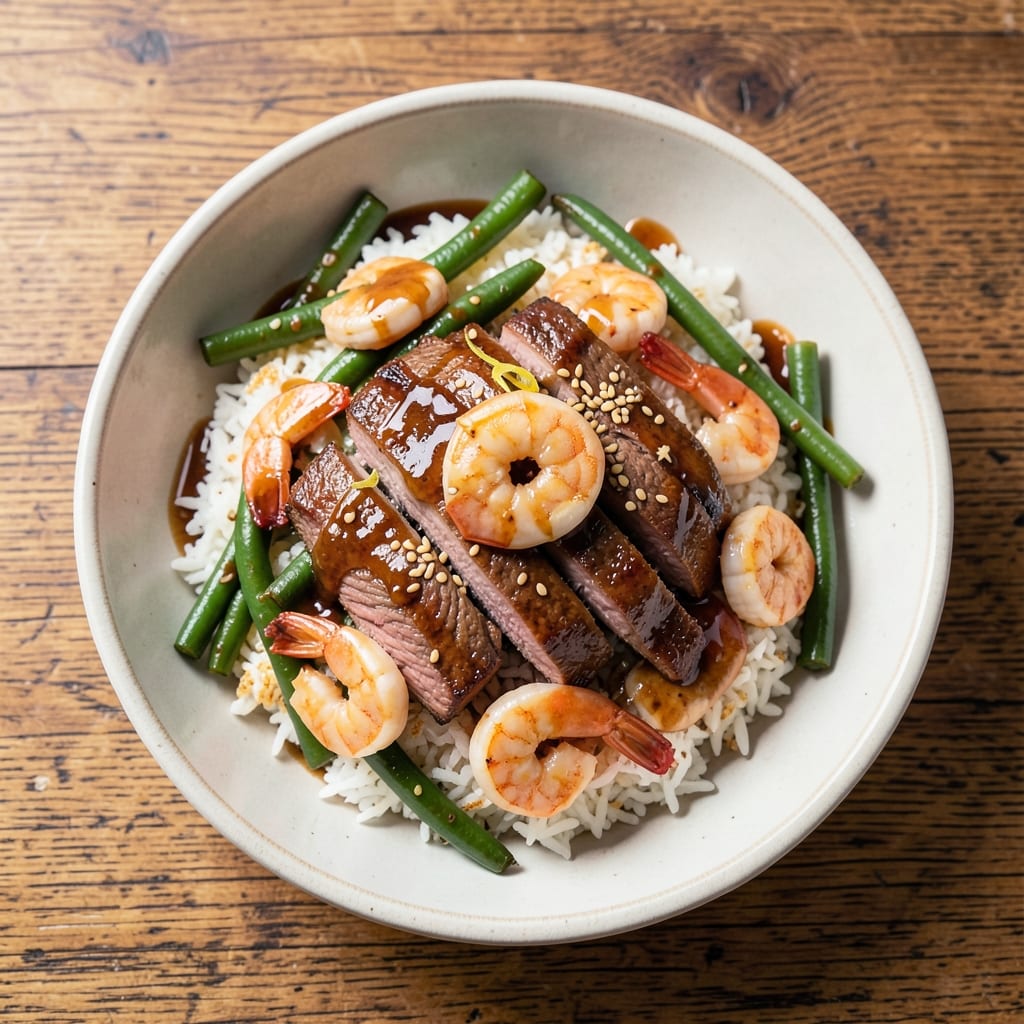
This beef and shrimp teriyaki recipe delivers the perfect balance of sweet-savory flavors with a wok-hei crisp that elevates every bite. The secret lies in marinating the proteins separately—beef in soy and ginger, shrimp in a lighter citrus blend—to prevent overcooking while maximizing flavor. Cross-contamination is critical here, so we’ll handle raw beef and shrimp in distinct prep zones for food safety. What sets this dish apart is the homemade teriyaki glaze, simmered until thick and glossy with just the right balance of honey and rice vinegar. The beef develops a caramelized crust from high-heat searing, while the shrimp stays tender and juicy, absorbing the sauce’s depth without falling apart. This isn’t just another stir-fry—it’s a restaurant-quality meal that comes together in under 45 minutes. Serve it over steamed jasmine rice to soak up every last drop of that sticky-sweet sauce, or pair with blistered green beans and sesame seeds for a complete, well-rounded plate. The aroma alone—smoky, sweet, and umami-rich—will have everyone at the table anticipating the first bite. Let’s get cooking with a technique that’s both foolproof and impressive.
The teriyaki sauce is where the magic happens, and we’re making it from scratch for that authentic depth you won’t find in bottled versions. A quick sear in a hot wok or cast-iron skillet ensures the beef gets that coveted wok-hei crisp, while the shrimp cooks just long enough to turn opaque—no rubbery textures here. The key is timing: beef first, then shrimp, so the shrimp doesn’t overcook in the residual heat. This dish is designed for weeknight dinners that feel special, with minimal cleanup thanks to one-pan cooking. The teriyaki glaze doubles as a marinade and finishing sauce, so you’re not juggling multiple bowls or sauces. And because we’re working with two proteins, we’ll show you how to prep them safely—keeping raw beef and shrimp separate until the very last moment.
Once everything comes together, you’ll have a plate that’s visually stunning and packed with contrasting textures: tender beef, plump shrimp, and a glossy teriyaki glaze that clings to every bite. The rice acts as a neutral canvas, letting the flavors of the teriyaki shine, while the green beans add a touch of freshness to cut through the richness. It’s the kind of dish that’s easy to make but hard to resist—perfect for impressing guests or treating yourself after a long week.
Ingredients for beef and shrimp teriyaki
Sweet-savory teriyaki magic starts with these simple but powerful ingredients—beef and shrimp that'll caramelize perfectly.
| Ingredient | Amount | Notes |
|---|---|---|
| Beef Sirloin 🥩 | 1 ½ lb | Cut into 1-inch cubes, boneless |
| Large Shrimp 🦐 | 1 lb | Peeled, deveined, tails on |
| Jasmine Rice 🍚 | 1 ½ cups | Uncooked, long-grain preferred |
| Green Beans 🥬 | 1 lb | Trimmed, French-cut optional |
| Sesame Seeds 🌾 | 1 tbsp | Toasted for garnish |
| Teriyaki Sauce 🍶 | 1 ½ cups | Homemade (see below) or quality store-bought |
| Soy Sauce 🥢 | ½ cup | For beef marinade |
| Rice Vinegar 🍶 | ¼ cup | For shrimp marinade |
| Honey 🍯 | ¼ cup | Light or dark variety |
| Sesame Oil 🫒 | 1 tbsp | For aroma and richness |
| Ginger Root 🌿 | 2 tbsp | Freshly grated |
| Garlic Cloves 🧄 | 4 cloves | Minced for sauce |
| Vegetable Oil 🫒 | 2 tbsp | High smoke point for searing |
| Salt 🧂 | 1 ½ tsp | Kosher or sea salt |
| Black Pepper 🌶️ | ½ tsp | Freshly ground preferred |
The beef is non-negotiable—sirloin gives you that wok-hei crisp without drying out. Grab it pre-cut at Costco or your local butcher if you want to save time, but if you're buying whole, look for marbled cuts that stay juicy. Shrimp? Wild-caught from the seafood counter is ideal, but frozen works in a pinch—just thaw it in cold water first. The jasmine rice should be long-grain and fragrant—Lundberg or Taste of Thai are solid choices. For the green beans, fresh is best, but frozen will do if you're short on time.
No homemade teriyaki sauce? Kikkoman or Lee Kum Kee work in a pinch, but trust me—homemade is worth it. Short on honey? Maple syrup works at a 1:1 ratio. The shrimp marinade can be swapped for lemon juice and olive oil if you're out of rice vinegar. For the ginger, fresh is best, but ground ginger at half the amount gets you close. The sesame oil adds that signature aroma—don't skip it, but use the toasted variety if you've got it. And if you're feeling fancy, toast your sesame seeds in a dry pan for 2 minutes before garnishing.
Prep the beef and shrimp marinades separately to avoid cross-contamination—use two different bowls. The teriyaki sauce can be made a day ahead and reheated gently. Store raw shrimp and beef in the coldest part of your fridge, and cook within 1-2 days for best texture. Leftover teriyaki sauce keeps for 1 week in the fridge, and the cooked proteins reheat beautifully—just add a splash of water or broth to keep them moist. Portion into containers for easy lunches, and freeze any extras for up to 3 months
Why You'll Love This Recipe
- One-Pan Magic: I swear by this—just toss the beef, shrimp, and green beans in the same pan, pour on the teriyaki, and walk away. No chopping, no fuss, and the sesame seeds toast right in the residual heat while you finish rice. (Between us, my counter stays cleaner than my kitchen ever does.)
- Umami Bomb: That combo of beefy richness and shrimp’s sweetness, all tangled up in sticky-sweet teriyaki? It’s the kind of flavor that makes you pause mid-bite. The green beans add a crunch that cuts through the sauce like a knife—honestly, I’ve had people ask if I used two different sauces.
- Weeknight Flex: This feeds four but scales to six with zero extra effort—perfect for when your partner’s friend drops by or your kid’s soccer team shows up hungry. Swap the jasmine rice for cauliflower rice? Done. Need a lunchbox meal? Throw leftovers in a thermos. (Yes, even on a Tuesday night.)
- Leftovers That Don’t Suck: Teriyaki sauce clings to everything, so reheating is a breeze—no sad, dry meat here. I pack mine for work, and by noon, I’m already dreaming of the next bite. Plus, the rice stays fluffy, the shrimp stays tender, and the beef? Still juicy. (Not the prettiest, but the taste makes up for it every time.)
Step-by-step instructions for beef and shrimp teriyaki
Here's how to balance sweet-savory flavors and wok-hei crisp in one dish.
Marinate and Prep the Proteins
First, cut the 1.5 lb beef sirloin into 1-inch cubes and place them in a bowl. In a separate bowl, combine the 0.5 cup soy sauce, 0.25 cup honey, and 1 tbsp sesame oil. Pour this marinade over the beef and toss to coat completely. Let it sit for at least 30 minutes—this ensures tender, flavorful beef that won't dry out during cooking.
While the beef marinates, prepare the 1 lb large shrimp by peeling and deveining them, leaving the tails intact. In a small bowl, mix 0.25 cup rice vinegar, 1 tbsp sesame oil, 0.5 tsp black pepper, and 0.5 tsp salt. Toss the shrimp in this marinade and let them sit for 15 minutes—this keeps them tender and adds a subtle tang that balances the teriyaki's sweetness.
Cook the Jasmine Rice
Rinse the 1.5 cups jasmine rice thoroughly under cold water until the water runs clear. This removes excess starch and prevents gummy rice. Cook the rice according to package instructions—typically a 1:1.5 rice-to-water ratio—and let it steam for 15 minutes off heat after cooking. Fluff with a fork before serving to keep it light and separate.
While the rice cooks, trim the ends off the 1 lb green beans and cut them into 2-inch pieces if desired. Blanch them in boiling water for 2 minutes, then immediately transfer to an ice bath to stop the cooking process. This keeps them crisp-tender and bright green for serving alongside the teriyaki.
Sear the Beef and Shrimp
Heat 1 tablespoon vegetable oil in a large skillet or wok over medium-high heat until shimmering. Remove the beef from the marinade (reserve the marinade) and pat it dry with paper towels—this ensures a good sear. Add the beef to the skillet and cook for 3-4 minutes until the edges are deep golden brown and slightly caramelized. Remove the beef and set it aside.
In the same skillet, add another 1 tablespoon vegetable oil and heat until hot. Add the shrimp in a single layer and cook for 1-2 minutes per side until they turn pink and opaque. The shrimp should release easily from the pan when ready—overcooking turns them rubbery. Remove the shrimp and set them aside with the beef.
Build the Teriyaki Sauce
Pour the reserved beef marinade into the skillet and bring it to a simmer over medium heat. Add the 1.5 cups teriyaki sauce, 2 tbsp freshly grated ginger root, and 4 minced garlic cloves. Stir in the 1 tbsp sesame seeds and let the sauce reduce for 3-4 minutes until it thickens slightly and coats the back of a spoon. This step deepens the flavors and creates a glossy, clinging sauce.
Return the beef and shrimp to the skillet, spooning the sauce over them to coat evenly. Let everything simmer together for 2 minutes to meld the flavors. Taste and adjust seasoning with a pinch of salt if needed—the sauce should be sweet, savory, and slightly tangy.
Assemble and Serve
Divide the cooked jasmine rice among four plates, creating a base for the teriyaki. Arrange the beef and shrimp over the rice, drizzling any remaining sauce from the skillet on top. Scatter the blanched green beans around the plate for color and texture. Garnish with an extra sprinkle of sesame seeds and a drizzle of sesame oil for aroma.
Serve immediately while the beef and shrimp are still warm and the rice is steaming. The contrast of crisp-tender shrimp, tender beef, and fluffy rice makes every bite satisfying. Pair with steamed bok choy or a simple cucumber salad to round out the meal.
Pro Tips For Making Beef And Shrimp Teriyaki
- SEAR THE BEEF FIRST: I learned this the hard way—skipping the sear makes the beef turn into chewy rubber. Get your pan screaming hot (medium-high, not just warm) and cook the sirloin slices 2-3 minutes per side until they’re golden before pulling them out. That crust locks in flavor and keeps the meat tender when it finishes in the teriyaki sauce.
- PEEL SHRIMP LAST MINUTE: Shrimp turn rubbery fast, so resist the urge to peel them ahead of time. Leave the shells on until you’re ready to toss them in the sauce—then peel and devein just before cooking. The shells add depth to the teriyaki, and you’ll save yourself from dealing with soggy shrimp.
- DON’T BOIL THE GREEN BEANS: Crowd the pot or boil them too long, and your green beans will turn into mush. Instead, blanch them in the same pot you’ll use for the rice—just 2 minutes in boiling water, then shock in ice water. They’ll stay crisp enough to bite into while soaking up the teriyaki’s sweetness.
- UPGRADE THE RICE WATER: Skip the plain water and use the starchy water from rinsing the jasmine rice to cook it. It’s the secret to fluffier grains and adds a subtle, natural sweetness that pairs perfectly with the teriyaki’s richness. (Yes, even if you’re impatient like me—just drain it well after rinsing.)
Storing and reheating your leftovers
Refrigerator Storage
Store cooked beef and shrimp separately in airtight containers for up to 3 days in the fridge. The beef should be portioned into single-serving containers to maintain its texture when reheated. For shrimp, place them in a single layer in a shallow container to prevent sticking. Always cool the proteins to below 40°F within 2 hours of cooking to ensure food safety. 🥩
Freezer Storage
For longer storage, freeze the beef and shrimp in separate freezer bags with all excess air removed. Label each bag with the date and store for up to 3 months. When reheating frozen beef, add 1 tablespoon water or teriyaki sauce per serving to prevent drying out. Shrimp can be frozen raw in their marinade, but cook within 1 month for best quality. 🧊
Reheating Beef
Reheat beef in a skillet over medium heat with 1 tablespoon vegetable oil until it reaches 165°F, about 5-7 minutes. Alternatively, microwave on high for 2 minutes, then stir and add 1 tablespoon water to restore moisture. For the best texture, avoid overcooking—beef reheats best when kept warm rather than fully cooked again. 🔥
Reheating Shrimp
Shrimp reheat best in a steamer basket over boiling water for 2-3 minutes or until just warmed through. Never microwave shrimp directly, as it can make them rubbery. If using leftover sauce, add 1 teaspoon per serving to keep them moist. Serve immediately after reheating for the best texture. 🦐
Reviving Teriyaki Sauce
Reheat leftover teriyaki sauce in a saucepan over low heat, stirring occasionally, until warmed through. If it thickens too much, add 1 tablespoon water or beef broth to restore its glossy consistency. Store reheated sauce in an airtight container for up to 3 days or freeze for 3 months. 🍶
Rice and Veggie Tips
Reheat rice in a steamer basket or microwave with a damp paper towel to prevent drying. For green beans, reheat in a skillet with 1 teaspoon sesame oil for 2 minutes to restore crispness. Avoid reheating rice in the microwave without moisture—it turns gummy. ✨
Nutrition facts
Frequently asked questions
Can I substitute chicken for the shrimp in this recipe?
Chicken works beautifully as a shrimp substitute. Use 1 lb boneless, skinless chicken thighs or breasts, cut into bite-sized pieces. Marinate them in the same rice vinegar-based marinade as the shrimp for 20-30 minutes before cooking. Chicken requires slightly longer cooking time—about 5-6 minutes per side—so remove it from the pan when it reaches 165°F internally.
How do I prevent the shrimp from turning rubbery?
Rubbery shrimp happen when overcooked. The secret is timing—shrimp should cook for only 1-2 minutes per side until they turn pink and opaque. Remove them immediately from the pan and set aside. Also, never thaw frozen shrimp at room temperature; use cold water instead. For extra tenderness, add 1 teaspoon cornstarch to the shrimp marinade.
Can I make the teriyaki sauce ahead of time?
Yes! The teriyaki sauce can be made 1-2 days in advance and stored in an airtight container in the fridge. When ready to use, reheat it gently over low heat while stirring. If it thickens too much, add 1 tablespoon water or beef broth to restore its glossy consistency. The sauce also freezes well for up to 3 months—just thaw it in the fridge overnight.
What’s the best way to reheat the beef and shrimp together?
For the best results, reheat the beef and shrimp separately in a skillet over medium heat with 1 tablespoon vegetable oil. Add the teriyaki sauce to the pan and heat until everything is warmed through. If using the microwave, cook the beef and shrimp on high for 1-2 minutes, then add 1 tablespoon water or sauce to keep them moist. Avoid reheating shrimp in the microwave alone—it makes them tough.
Is this dish gluten-free? Can I make it dairy-free?
This recipe isn’t naturally gluten-free due to the soy sauce in the marinade and teriyaki sauce. For a gluten-free version, use tamari or coconut aminos instead. It’s also dairy-free—just ensure all ingredients (like honey or sesame oil) are certified dairy-free. The dish is naturally vegan if you skip the honey (use maple syrup instead) and check that your soy sauce is vegan-friendly.