
Soups & Stews
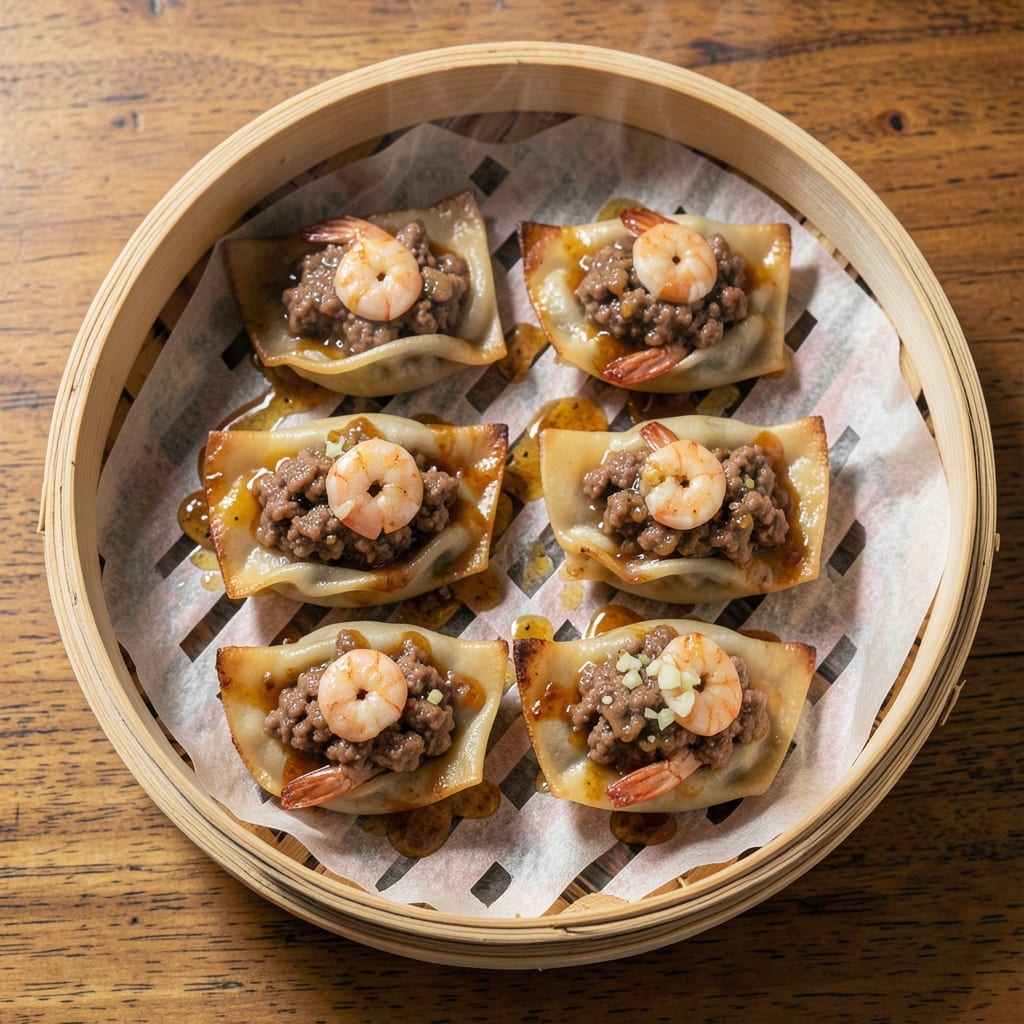
This beef and shrimp siomai recipe delivers juicy, flavor-packed dumplings that balance tender shrimp and savory ground beef in every bite. The secret lies in a well-seasoned filling—garlic, ginger, and soy create depth while keeping the texture perfectly moist. Whether you steam, boil, or pan-fry, the result is always restaurant-quality, with those signature pleated wrappers sealing in all the goodness.
Traditional siomai require handmade wrappers, but modern shortcuts like store-bought dumpling skins work just as well for a quicker version. The filling is where the magic happens: finely minced shrimp and beef cook with aromatic seasonings until just done—overcooking turns them tough. For extra richness, a touch of sesame oil finishes the mix before wrapping.
Steaming remains the classic method, yielding tender wrappers and perfectly cooked fillings, but boiling or pan-frying adds crispy edges. Serve with a tangy soy-vinegar-chili dipping sauce that cuts through the richness, and pair with a crisp cucumber salad or pickled ginger to balance the meal. Each bite delivers that perfect harmony of textures and flavors.
This recipe scales beautifully for parties or meal prep—just double the filling and work in batches. The dumplings reheat well, making them ideal for lunches or potlucks. With just a few key techniques and ingredients, you’ll master siomai that taste like they came from a bustling Asian street food stall.
Ingredients for beef and shrimp siomai
Sixteen dumpling wrappers and a blend of tender beef and shrimp create restaurant-quality siomai.
| Ingredient | Amount | Notes |
|---|---|---|
| Ground Beef (Chuck) 🥩 | ½ lb | Finely minced, lean to medium-fat |
| Large Shrimp (Peeled & Deveined) 🦐 | ½ lb | Tail-on, finely chopped |
| Garlic Cloves 🧄 | 4 cloves | Minced, for aromatic depth |
| Fresh Ginger 🌿 | 1 tbsp | Grated, for zesty kick |
| Light Soy Sauce 🍶 | 2 tbsp | Kikkoman preferred |
| Sesame Oil 🫒 | 1 tsp | Toasted, for nutty aroma |
| White Pepper 🌶️ | ½ tsp | Freshly ground, no black specks |
| Green Onions 🧅 | 2 whole | Thinly sliced, for garnish |
| Dumpling Wrappers (Wonton Skin) 🍡 | 16 pieces | Square, store-bought preferred |
| Cornstarch 🌾 | 1 tbsp | For dusting wrappers |
| Vegetable Oil 🫒 | 1 tbsp | For pan-frying wrappers |
| Water 💧 | ½ cup | For steaming |
| Sesame Seeds 🌰 | 1 tsp | Toasted, for garnish |
The shrimp should be freshly peeled and deveined—ask your seafood counter for headless, tail-on for best texture. If using frozen, thaw completely and pat dry before chopping. For the beef, chuck roast gives the best flavor, but ground sirloin works in a pinch. Asian markets often carry pre-minced beef, but if you're mincing yourself, pulse in short bursts to avoid overcooking. The ginger and garlic are non-negotiable—freshly grated ginger has more punch than powdered, and Korean-style garlic (if available) adds a milder sweetness. Store-bought wrappers like Tais or King Noodle are perfect; just check they're labeled for dumplings, not spring rolls.
No light soy sauce? Dark soy sauce at half the amount works, but it'll darken your filling. Substituting shrimp? Finely chopped scallops or extra-firm tofu (pressed and crumbled) can stand in, though texture differs. The sesame oil is optional but adds that authentic street-food aroma—skip it if you're sensitive to strong flavors. For extra moisture, add 1 tsp rice vinegar to the filling mix. If your wrappers are too sticky, dust with extra cornstarch before sealing. And pro tip: keep everything cold until ready to assemble to prevent premature cooking.
Assembled siomai keep 2 days in the fridge, sealed tightly in a container with parchment between layers. Freeze for up to 3 months—thaw overnight in the fridge before cooking. For best texture, steam or boil from frozen, adding 2-3 extra minutes to cooking time. Leftover filling? Portion into ice cube trays, freeze, and use later for quick dumpling fillings. The wrappers crisp up beautifully when pan-fried—1 minute per side in hot oil before steaming for that crispy edge.
Why You'll Love This Recipe
- No-Fuss Filling: I swear by this combo—ground chuck and shrimp together? That’s a textural dream. The beef stays tender while the shrimp adds a juicy pop, and honestly, the prep is just mixing, shaping, and steaming. No fuss, no stress, just hands-off perfection.
- Umami Bomb: That light soy sauce and ginger? It’s the secret weapon. The garlic cloves get toasted just enough to caramelize, and when they hit the shrimp and beef, it’s like a little flavor explosion in every bite. (Yes, even on a Tuesday night.)
- Party or Pantry: Steamed siomai are my go-to for potlucks or lazy Sundays. They reheat like a dream—just a quick dip in hot water—and I’ve fed a crowd with this recipe without breaking a sweat. Plus, my kids grab them straight from the fridge for lunch. No judgment.
- Budget Stretch: Ground chuck and shrimp might sound fancy, but they’re actually wallet-friendly. A single batch makes 20+ dumplings, and leftovers? They freeze like champs. I’ve had these thawed and steamed for breakfast the next morning—still delicious, still satisfying.
Step-by-step instructions for beef and shrimp siomai
Here's how to create tender siomai with perfectly balanced fillings and crispy wrappers.
Prepare the Juicy Filling Mixture
In a mixing bowl, combine the 0.5 lb ground beef (chuck) and 0.5 lb chopped shrimp. Add the 4 minced garlic cloves, 1 tbsp grated fresh ginger, 2 tbsp light soy sauce, 1 tsp toasted sesame oil, and 0.5 tsp freshly ground white pepper. Mix thoroughly with your hands until all ingredients are evenly distributed.
This combination creates the perfect balance of flavors and textures. The shrimp adds moisture while the beef provides hearty substance. Press the mixture gently to check consistency—it should hold together when pinched but remain tender enough to eat. If too loose, add 1 tbsp cornstarch to help bind the filling.
Shape and Assemble the Dumplings
Place 16 wonton skins on a clean, flat surface. Using a spoon, place about 1 teaspoon of the filling mixture in the center of each wrapper. Fold the wrapper diagonally to form a triangle, then pinch the edges firmly to seal completely. Place the finished siomai on a plate lined with parchment paper.
For a professional finish, I press down gently along the sealed edge with my thumb to ensure no filling escapes during steaming. Arrange them in a single layer without overlapping to ensure even cooking. This step is where precision matters most—uneven sealing leads to messy dumplings.
Pan-Fry for Crispy Bottoms
Heat 1 tbsp vegetable oil in a non-stick skillet over medium heat. Once the oil shimmers, carefully add the siomai in a single layer, leaving space between each. Fry for 2-3 minutes until the bottoms turn golden brown and crispy. This creates the signature texture contrast between the tender filling and crisp exterior.
Don't overcrowd the pan or the siomai will steam instead of crisp. If needed, work in batches to maintain even browning. The oil should be hot enough to sizzle gently but not smoke excessively. This step is critical for achieving that perfect restaurant-quality texture.
Steam to Perfection
Bring 0.5 cup water to a boil in a steamer basket or deep pot with a rack. Once boiling, carefully place the fried siomai in the steamer. Cover and steam for 8-10 minutes until the wrappers are translucent and the filling is fully cooked through. The steam should rise steadily without boiling over.
You'll know they're done when the wrappers look slightly puffed and the filling is hot throughout. Be careful not to oversteam—they should remain tender, not soggy. This steaming process ensures the filling stays juicy while the wrappers become delicate and flavorful.
Garnish and Serve Immediately
Remove the siomai from the steamer and transfer to a serving plate. Sprinkle with 1 tsp toasted sesame seeds and 2 thinly sliced green onions for freshness and visual appeal. Serve immediately while hot, as siomai are best enjoyed fresh from the steamer.
The contrast of crispy bottoms, tender wrappers, and juicy filling makes each bite satisfying. For extra flavor, serve with a side of light soy sauce for dipping. The key to perfect siomai lies in balancing the cooking methods—pan-frying for texture and steaming for tenderness.
Pro Tips For Making Beef And Shrimp Siomai
- CHOP GINGER LIKE ICE: Use a microplane or knife to shred ginger into tiny, almost invisible pieces—no need to dice. I learned this the hard way after tasting siomai with visible ginger chunks that fought for texture instead of melting into flavor. The finer the better, especially when mixing with ground beef.
- SALT THE SHRIMP FIRST: Toss peeled shrimp with a pinch of salt and let them sit 10 minutes before cooking. This keeps them from curling up in the wrapper and ensures they stay juicy—no more rubbery shrimp in your siomai. (Yes, even if you're impatient like me.)
- STEAM DON’T BOIL: For perfect dumplings, steam siomai over boiling water—not submerged in it. The wrapper needs to crisp up, not turn soggy. Use a bamboo steamer with a tight lid and about 1 inch of water below—no more, or you’ll end up with dumpling soup.
- GRIND GARLIC FINE: Mince garlic so small it’s almost paste—no visible flecks. I used to leave it chunky, and it would burn before the beef cooked through. Finely minced garlic blends smoothly and caramelizes evenly, giving that deep umami kick without bitterness. (Skip the press—it bruises and burns too fast.)
Serving suggestions for beef and shrimp siomai
Dipping Sauce Essentials
No siomai experience is complete without a tangy dipping sauce. My go-to is a simple blend of 2 tbsp light soy sauce, 1 tbsp rice vinegar, ½ tsp chili crisp, and a pinch of white sugar. Mix it in a small bowl and let it sit for 5 minutes to meld flavors. For extra richness, add ½ tsp toasted sesame oil right before serving. 🍶
If you prefer something sweeter, swap the chili crisp for 1 tsp honey> and add a few drops of Sriracha for heat. Keep the sauce at room temperature so the flavors shine—cold sauce dulls the taste. I serve it in small bowls with a few green onion slices floating on top for freshness.
Crisp Side Pairings
Siomai's tender texture pairs beautifully with crisp vegetables that cut through the richness. A simple cucumber salad> with ½ English cucumber sliced into half-moons, 1 tbsp rice vinegar, ½ tsp salt, and 1 tsp sesame seeds is my favorite. Toss everything together and chill for 15 minutes before serving. 🥒
For a heartier option, try quick-pickled radishes>. Thinly slice 2 cups daikon radish and soak in ¼ cup rice vinegar, 1 tsp sugar, and ½ tsp salt for 20 minutes. The bright acidity balances the savory dumplings perfectly. Both sides reheat well if you're prepping ahead.
Warm Accompaniments
Steamed jasmine rice> is the classic pairing, but I often serve siomai with garlic fried rice> for a heartier meal. Use 2 cups day-old rice, 1 tbsp vegetable oil, 2 minced garlic cloves, and 1 tbsp soy sauce. Cook on medium-high for 5 minutes> until crispy and fragrant. The residual heat keeps everything warm while you enjoy your dumplings. 🍚
For a lighter option, warm miso soup> with ½ cup dashi broth, 1 tbsp white miso paste, and a handful of tofu cubes. The umami depth complements the siomai's savory filling. I like to add a few wakame seaweed flakes> for texture and a touch of oceanic freshness.
Presentation Tips
Arrange siomai on a wooden serving board> or platter with the crispy sides facing up. Garnish with extra sesame seeds> and green onion slices> in an artistic pattern. For a restaurant-style presentation, create a small well in the center of the platter and place the dipping sauce there with a small bamboo spoon> for serving. 🌟
If serving a crowd, use individual small plates> with 3-4 siomai per person. Place a mini dipping sauce cup> on each plate so everyone can customize their experience. For a festive touch, add a sprig of cilantro> or microgreens> as a final garnish—it elevates the dish instantly.
Nutrition facts
Frequently asked questions
Can I use frozen shrimp instead of fresh for the filling?
Yes, but thaw them completely first and pat them very dry to prevent excess moisture in your filling. For best texture, use tail-on, headless shrimp—they hold their shape better when chopped. If your shrimp are extra icy, rinse them under cold water before chopping to remove any surface frost.
What's the best way to store leftover siomai?
Keep them in an airtight container with parchment paper between layers to prevent sticking. They'll stay fresh in the fridge for 2 days or freeze for 3 months. For reheating, steam or boil from frozen (add 2-3 extra minutes), or microwave for 30 seconds covered with a damp paper towel to restore crispiness.
Why did my siomai wrappers tear when sealing?
This usually happens when the filling is too wet or the wrappers are too dry. For wet fillings, add 1 tsp cornstarch to bind. If wrappers are dry, lightly mist them with water before sealing. Work quickly—keep wrappers covered with a damp towel while assembling to maintain flexibility. The ideal filling should hold together when pinched but not be sticky.
Can I make siomai without a steamer?
Use a bamboo basket over a pot of boiling water or even a microwave-safe plate with a damp paper towel over the dumplings (cover and microwave for 3 minutes). For pan-fried siomai, add ¼ cup water to the skillet after browning, cover, and steam for 5 minutes on low heat. The key is maintaining moisture during cooking.
How do I adjust the recipe for spicier siomai?
Add ½ tsp chili flakes or 1 tsp gochujang to the filling mixture for heat. For extra kick, serve with a Sriracha-soy dipping sauce (mix 1 tbsp soy sauce, 1 tsp rice vinegar, and 1 tsp Sriracha). Start with small amounts—you can always add more heat later, but you can't remove it!