
Sauces & Condiments
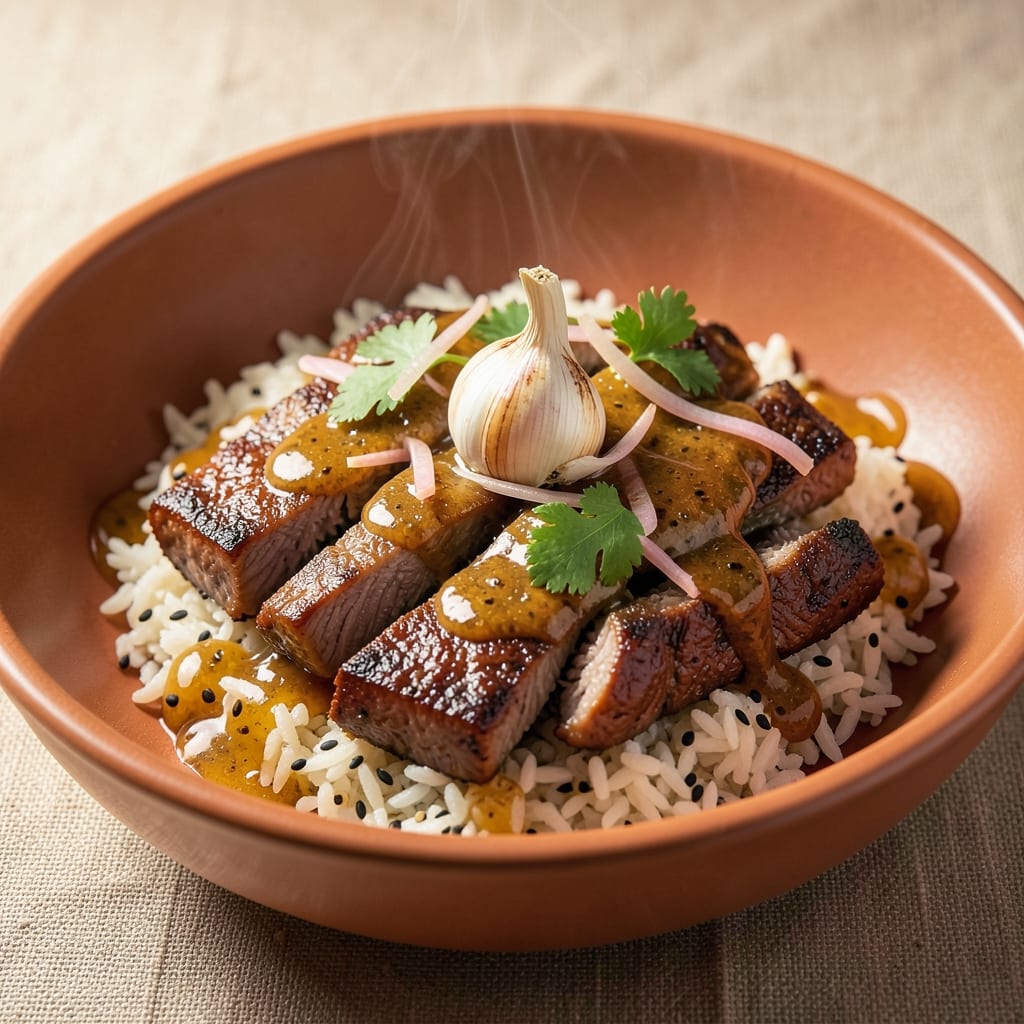
This beef and rice sauce recipe transforms simple ingredients into a rich, aromatic sauce packed with deep umami flavor and fragrant spices. 🌟 The secret lies in slow simmering beef broth with garlic, ginger, and soy sauce until it reduces to a velvety consistency, creating a versatile sauce perfect for rice bowls, noodles, or stir-fries.
What sets this sauce apart is its ability to balance savory, sweet, and spicy notes while enhancing any dish it touches. With just a few pantry staples and a 30-minute simmer, you’ll have a restaurant-quality sauce that elevates everyday meals. The result is a smooth, deeply flavorful sauce that clings beautifully to rice or noodles, making every bite unforgettable.
Ingredients for beef and rice sauce
Pantry staples meet aromatic spices for this velvety beef and rice sauce.
| Ingredient | Amount | Notes |
|---|---|---|
| Beef Broth 🥩 | 4 cups | High-quality, low-sodium preferred |
| Garlic Cloves 🧄 | 6 cloves | Freshly minced for best flavor |
| Fresh Ginger 🌿 | 2 tbsp | Finely grated, aromatic variety |
| Rice Vinegar 🍶 | 2 tbsp | White or seasoned preferred |
| Soy Sauce 🍜 | 3 tbsp | Light or dark, to taste |
| Honey 🍯 | 1 tbsp | Pure, for subtle sweetness |
| Sesame Oil 🫒 | 1 tbsp | Toasted, for nutty aroma |
| White Rice 🍚 | ½ cup | Uncooked, jasmine or basmati |
| Ground Black Pepper 🌶️ | ½ tsp | Freshly cracked for heat |
| Red Chili Flakes 🔥 | ¼ tsp | Adjust for spice preference |
The beef broth is the foundation—Kettle & Fire or Pacific Foods brands deliver deep umami flavor without excess sodium. Fresh ginger and garlic make or break the sauce; look for plump, firm ginger root and cloves with no sprouting. Asian markets often carry the best quality, but grocery store produce works fine if it’s vibrant. The white rice adds subtle sweetness and thickens beautifully—jasmine rice infuses the most aromatic notes, but basmati is a solid alternative. Toast the rice lightly before adding to deepen its flavor profile.
No rice vinegar? Apple cider vinegar or lime juice work in a pinch, though the flavor will differ slightly. Swap honey for maple syrup or agave if you prefer a neutral sweetener. Sesame oil can be omitted if you dislike its strong aroma, but it adds incredible depth. For extra richness, stir in 1 tbsp of coconut milk at the end. The chili flakes can be replaced with 1/4 tsp cayenne pepper for a smoother heat. If you’re using pre-minced garlic or ginger, toast it in a dry pan for 30 seconds to intensify the flavor.
This sauce thickens as it cools, so reheat with 1-2 tbsp of water or broth if it becomes too stiff. Stores perfectly in an airtight container in the fridge for 5-7 days, or freeze for up to 3 months. Portion into ice cube trays for easy single-use servings—ideal for quick stir-fries or rice bowls. The sauce tastes even better the next day as the flavors meld.
Why You'll Love This Recipe
- Pantry Magic: I swear by this one—no fancy ingredients, just beef broth, garlic, and a splash of rice vinegar. Honestly, if you’ve got those basics, you’re golden. The sauce comes together faster than you can say “dinner’s ready.”
- Umami Bomb: That combo of soy sauce and ginger? Pure flavor gold. The garlic gives it a warm, aromatic kick, while the vinegar cuts through the richness—like a little bright punch in every bite. (Yes, even on a Tuesday night.)
- Leftover Hero: This sauce keeps like a champ. Double the batch, store it in the fridge, and use it for stir-fries, noodles, or even as a quick glaze. I’ve turned last night’s leftovers into today’s lunch with zero stress.
- Budget Flex: Beef broth and soy sauce won’t break the bank, and you can stretch this recipe across multiple meals. Between us, it’s my go-to when I need something hearty but won’t drain my wallet. Plus, it’s way more satisfying than takeout.
Step-by-step instructions for beef and rice sauce
This aromatic sauce builds layer upon layer of flavor through precise timing and technique.
🍳 Step 1: Toast the Rice for Nutty Depth
Heat a large pot over medium-high heat. Add the 0.5 cup white rice and toast for 2-3 minutes until it turns a pale golden color and releases a nutty aroma. Stir constantly to prevent burning—this step develops the rice's natural sweetness and prevents mushiness in the sauce.
Don't walk away during toasting. The rice should smell toasty and slightly sweet, not burnt. Once golden, add the 4 cups beef broth immediately to stop further browning. Bring to a gentle boil, then reduce heat to medium-low and let it simmer uncovered for 15 minutes until the rice is tender but still firm to the bite.
👨🍳 Step 2: Build the Umami Base
While the rice cooks, finely mince the 6 cloves garlic and grate the 2 tbsp fresh ginger. In a separate small bowl, whisk together the 3 tbsp soy sauce, 2 tbsp rice vinegar, 1 tbsp honey, and 0.5 tsp ground black pepper. Set aside—this marinade will infuse the beef with balanced sweet, tangy, and savory notes.
When the rice has absorbed most of the broth (about 15 minutes), stir in the garlic and ginger. Cook for 1-2 minutes until fragrant but not browned. Here's where the magic happens: the aromatic compounds release their full potential, creating that signature umami depth. Add the prepared marinade and stir well to combine.
🔥 Step 3: Simmer and Reduce for Rich Texture
Pour in the 1 tbsp sesame oil and sprinkle with the 0.25 tsp red chili flakes. Increase heat to medium-high and bring to a gentle boil. Then immediately reduce to low heat and let it simmer uncovered for 10-12 minutes, stirring occasionally, until the sauce thickens to a glossy consistency that coats the back of a spoon.
Watch the sauce closely during this final reduction. You want it thick enough to cling to rice or noodles but still silky, not gluey. If it thickens too quickly, add 1-2 tablespoons of water to maintain balance. The sauce should smell complex—beefy, garlicky, with a hint of sweetness and subtle heat from the chili.
⏰ Step 4: Finish and Rest for Maximum Flavor
Remove from heat and let the sauce rest for 5 minutes. This resting period allows the flavors to meld completely and the texture to set properly. Taste and adjust seasoning—you might need a touch more soy sauce for saltiness or honey for sweetness, depending on your broth's quality.
For the best results, serve immediately over steamed rice or noodles. The sauce will continue developing flavor as it sits, but serving it fresh ensures that vibrant, restaurant-quality texture. If making ahead, store in an airtight container in the refrigerator for up to 3 days—just reheat gently on the stove, stirring occasionally to prevent scorching.
Pro Tips For Making Beef And Rice Sauce
- Bloom the Aromatics First: Toss your sliced garlic and ginger into the pan before adding oil—just let them sit for 30 seconds until they smell like a spice shop exploded. This draws out their flavor without burning, and your sauce won’t taste like you charred your lunch.
- Simmer the Broth Low: After adding beef broth, drop the heat to a gentle simmer—not a rolling boil. I learned this the hard way when my sauce reduced into a gloppy mess instead of a glossy, concentrated sauce. Patience here makes all the difference.
- Balance the Vinegar Last: Add rice vinegar after the sauce has thickened slightly, then taste. Too early, and it’ll evaporate into nothing; too late, and you’ll need to add more. A splash (about 1 tablespoon) brightens the whole dish—just don’t drown it.
- Use Cold Soy Sauce: Chill your soy sauce in the fridge for 10 minutes before adding it to the hot pan. Cold soy adds depth without overpowering the broth’s richness, and it won’t turn bitter from heat shock. Trust me, your sauce will taste cleaner.
Dietary considerations for this dish
Gluten-Free Adaptations
This sauce is naturally gluten-free if you use tamari instead of soy sauce—look for brands like San-J Tamari or Edamame Tamari for a richer, gluten-free alternative. Both provide the same umami depth without gluten. Just swap the 3 tbsp soy sauce for tamari in a 1:1 ratio. 🌱
Low-Sodium Options
If your broth is high in sodium, reduce the 3 tbsp soy sauce to 1 tbsp and add 1 tbsp coconut aminos for a lower-sodium umami boost. Coconut aminos have a slightly sweeter profile but maintain the same savory punch. For extra flavor, add 1 tsp fish sauce—it’s packed with umami but contains minimal sodium.
Dairy-Free & Vegan
This sauce is already dairy-free, but for a fully vegan version, ensure your beef broth is vegetarian or vegan (brands like Imagine or Pacific Foods make great options). The honey can be replaced with 1 tbsp maple syrup to keep the sweetness. The sesame oil and rice vinegar remain vegan-friendly, so no other adjustments are needed.
Allergen-Friendly Swaps
For nut allergies, omit the sesame oil and replace it with 1 tbsp neutral oil like avocado or grapeseed. If you’re avoiding rice, substitute the 0.5 cup white rice with 0.5 cup cooked quinoa—it adds a nutty depth without altering the sauce’s texture. Always check labels on broth and vinegar for hidden allergens like soy or gluten.
Keto-Friendly Adjustments
To make this sauce keto-compliant, skip the rice entirely and reduce the 4 cups beef broth to 3 cups for a thicker consistency. Add 1 tbsp xanthan gum (a pinch) to help thicken the sauce without grains. The remaining ingredients—soy sauce, garlic, ginger, and honey—are all keto-friendly in moderation. Serve over cauliflower rice or zucchini noodles for a low-carb meal.
Nutrition facts
Frequently asked questions
Can I use this sauce on dishes other than rice?
This versatile sauce works beautifully on noodles, grilled chicken, or even as a dipping sauce for spring rolls. The rich umami flavor pairs well with proteins like tofu or shrimp too. Just adjust the amount—use 2-3 tbsp per serving for rice bowls, but 1 tbsp per person when drizzling over noodles.
Why does my sauce turn out too thin?
Sauce thinning often happens if you don't reduce it long enough or use too much broth. For a thicker texture, simmer uncovered for 15-20 minutes total (including rice cooking time). If it's still too thin, remove from heat and let it cool—it thickens as it sits. For immediate thickening, mix 1 tsp cornstarch with 1 tbsp water and stir in until glossy.
Can I make this sauce in a slow cooker?
Yes! Toast the rice as directed, then transfer everything to a slow cooker and cook on low for 3-4 hours instead of stovetop simmering. The low-and-slow method enhances flavors but requires more monitoring—check occasionally and add water if needed. For faster results, use high for 1.5-2 hours, but stir frequently to prevent scorching.
How do I store leftovers for best flavor?
Store in an airtight container in the fridge for 5-7 days—the flavors actually improve overnight! For freezing, portion into ice cube trays or small containers (sauce thickens when frozen). Thaw in the fridge and reheat gently on low heat, stirring occasionally. Never microwave directly from frozen to preserve texture.
What's the secret to extra depth of flavor?
The key is toasting the rice and simmering low and slow. For maximum umami, add 1 tsp fish sauce or 1 tbsp miso paste with the soy sauce. Also, use brown rice instead of white for nuttier notes, and let the sauce rest 10-15 minutes after cooking—this lets all the aromatic compounds meld together beautifully.