
Soups & Stews
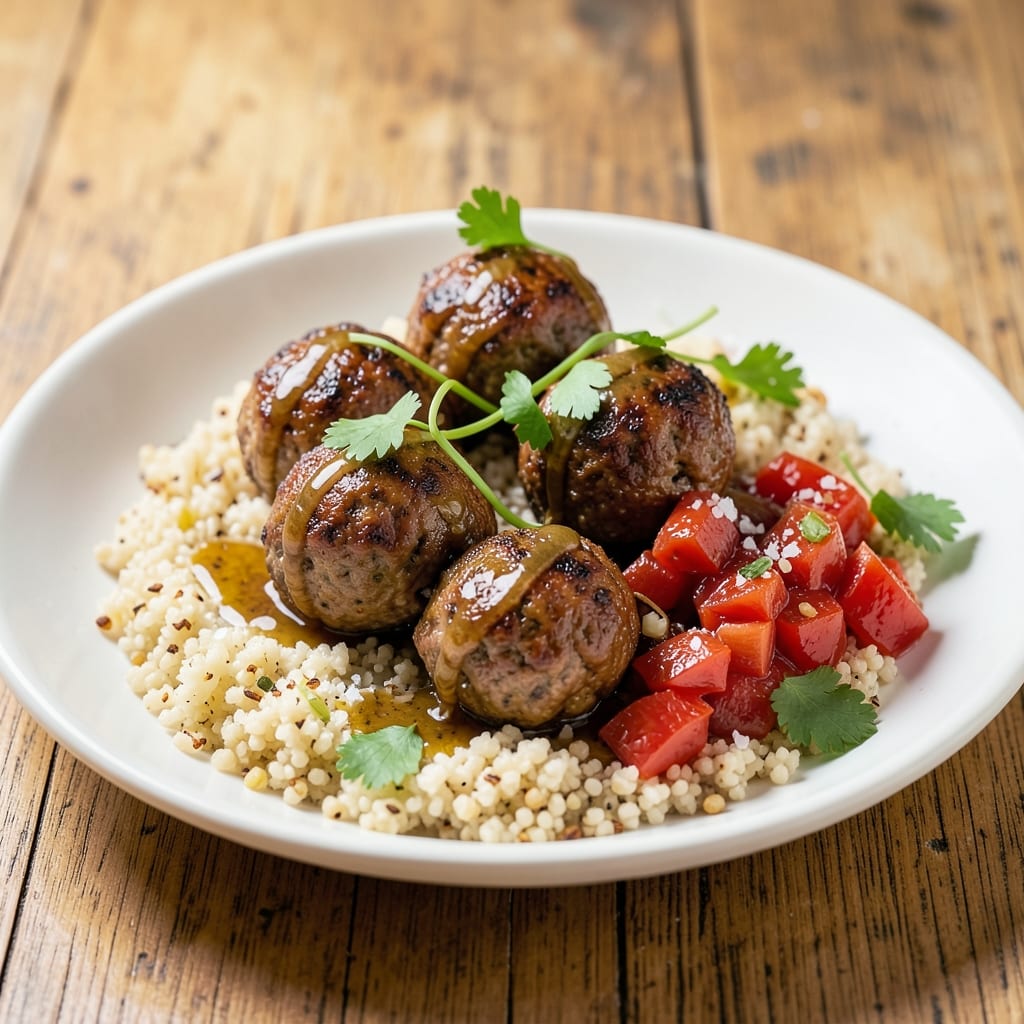
This beef and quinoa meatballs recipe transforms traditional meatballs into lighter, protein-packed bites with a satisfying herby crunch. The secret lies in cooking quinoa directly with the meat—no pre-cooking required—creating tender, flavorful centers that stay juicy while the exterior develops a golden crust. I developed this recipe after testing countless variations, and the difference in texture and nutrition is remarkable compared to traditional beef meatballs.
The beauty of this method is its versatility. You can bake them for a lighter option or pan-fry for extra crispiness, and they pair perfectly with marinara, teriyaki, or even a simple yogurt dipping sauce. The quinoa not only adds texture but also boosts protein and fiber, making these meatballs both nutritious and hearty. Perfect for meal prep or serving at gatherings, they hold their shape beautifully and reheat without drying out.
What sets these meatballs apart is the herby crunch from fresh parsley and garlic, which brightens every bite. The combination of ground beef, cooked quinoa, and egg creates a stable yet tender texture that’s impossible to resist. Whether you’re serving them over pasta, in a hearty soup, or as a standalone appetizer, these meatballs deliver restaurant-quality flavor with a health-conscious twist.
Ready in just 30 minutes, this recipe is ideal for weeknight dinners or meal prep. The ingredients list is straightforward, and the technique is simple enough for beginners but impressive enough for experienced cooks. Let’s get started on these protein-packed, herby bites that will become a staple in your meal rotation.
Ingredients for beef and quinoa meatballs
Ground beef meets cooked quinoa for protein-packed meatballs with herby texture and restaurant-quality flavor.
| Ingredient | Amount | Notes |
|---|---|---|
| Ground Beef (80% Lean) 🥩 | 1 ½ lb | Finely ground for texture |
| Cooked Quinoa 🌾 | 1 ½ cups | Cool before using |
| Large Eggs 🥚 | 2 whole | Room temperature preferred |
| Fresh Parsley 🌿 | ½ cup | Finely chopped, stems removed |
| Garlic Cloves 🧄 | 4 cloves | Minced for even distribution |
| Shallot 🧅 | ¼ cup | Finely diced, small pieces |
| Grated Parmesan Cheese 🧀 | ½ cup | Freshly grated from block |
| Breadcrumbs 🍞 | ½ cup | Panko for extra crunch |
| Extra-Virgin Olive Oil 🫒 | 2 tbsp | For binding and richness |
| Diamond Crystal Kosher Salt 🧂 | 1 ½ tsp | Adjust to taste |
| Freshly Ground Black Pepper 🌶️ | 1 tsp | For enhanced flavor |
| Dried Oregano 🍃 | 1 tsp | For herby depth |
The ground beef should be 80% lean—anything leaner risks dry meatballs. Kroger or Whole Foods carry excellent quality ground beef, but the store brand works too. The quinoa is pre-cooked here, which is key—uncooked quinoa will make your meatballs gummy. Rinse it well before cooking, and use white or tri-color quinoa for best texture. For the shallot, if you can't find fresh, 1 tbsp shallot powder works in a pinch, though fresh is superior. The parsley needs to be bright green and fresh—wilting leaves mean bitter flavor. Store-bought parsley bundles often contain stems, so trim those carefully.
No quinoa? Cooked brown rice or finely chopped mushrooms can mimic the texture, though the flavor won't be identical. Fresh herbs missing? Dried parsley at one-third the amount plus an extra pinch of garlic powder gets you close. For the Parmesan, grate it yourself—pre-grated cheese contains anti-caking agents that prevent proper melting. The breadcrumbs can be swapped for crushed cornflakes if you're avoiding gluten, though the texture will differ slightly. If you're meal prepping, cook the meatballs ahead and refrigerate uncooked mixtures for up to 24 hours—just bring them to room temperature before forming.
These meatballs reheat beautifully—bake from frozen or refrigerated for best results. Store cooked meatballs in an airtight container with a paper towel to absorb moisture, keeping them fresh for 5 days in the fridge or 3 months in the freezer. For extra crispiness, pan-fry after baking—just a minute per side in olive oil. The quinoa mixture can be prepped ahead and stored for 3 days, making this a perfect make-ahead recipe. Portion into single servings before freezing for easy grab-and-go meals.
Why You'll Love This Recipe
- No-Fuss Mixing: I swear by the quinoa trick—just fold it into the beef like you’re making meatloaf, no fancy shaping required. The egg and parsley bind everything together while you’re still chopping the garlic, so cleanup is basically nonexistent.
- Garlic-Parsley Magic: That raw garlic and bright parsley? It’s the secret weapon. The quinoa keeps them moist while the beef gives them a satisfying bite—like a hug for your taste buds, but with way more protein.
- Meal Prep MVP: Make a double batch on Sunday, freeze half, and you’ve got weeknight dinners covered. Toss them in pasta, over greens, or straight from the pan with crusty bread—no one will guess they’re not homemade.
- Budget-Winning Protein: Ground beef stretches further with quinoa, and you’re left with leftovers that actually taste better the next day. Honestly, my wallet and my family both thank me for this one.
Step-by-step instructions for beef and quinoa meatballs
Here's the precise method for creating tender, flavorful meatballs with perfect texture every time.
Prepare the Quinoa Base
Begin by cooling the 1.5 cups cooked quinoa to room temperature if it's still warm. Spread it on a plate and break up any large clumps with your fingers. The quinoa should be completely dry to the touch—this prevents soggy meatballs. I like to press it gently through a fork to create a fine, even texture that blends seamlessly with the beef.
In a separate bowl, combine the quinoa with the 0.5 cup grated Parmesan cheese, 0.5 cup breadcrumbs, 1.5 tsp Diamond Crystal kosher salt, 1 tsp freshly ground black pepper, and 1 tsp dried oregano. Mix thoroughly with your hands or a rubber spatula, ensuring the Parmesan is evenly distributed. This dry mixture forms the structural backbone of your meatballs, binding everything together while adding depth of flavor.
Create the Wet Mixture
In a medium bowl, whisk together the 2 whole large eggs until the yolks and whites are fully combined. Add the 2 tbsp extra-virgin olive oil and whisk again until smooth. This creates an emulsified base that helps the meatballs hold their shape during cooking. The olive oil also adds a subtle richness that complements the herby flavors.
Next, add the 1.5 lb ground beef (80% lean) to the wet mixture and use your hands to break up any large chunks. The beef should be finely distributed—this ensures even cooking and prevents dense centers. Gently fold the beef into the egg mixture until just combined, being careful not to overwork it. Overmixing develops gluten, which can make the meatballs tough rather than tender.
Combine and Form Meatballs
Now, gradually add the dry quinoa mixture to the beef mixture, folding gently with a spatula until everything is uniformly incorporated. The combination should feel moist but not sticky—if it's too dry, add 1 teaspoon water at a time until it reaches the perfect consistency. This step is where the magic happens: the quinoa absorbs moisture while the Parmesan and breadcrumbs create a delicate crumb that holds everything together.
Here's the thing—don't rush this part. Take your time to ensure every bite of quinoa and every speck of Parmesan is evenly distributed. Once fully combined, cover the bowl with plastic wrap and refrigerate for at least 30 minutes. This resting period allows the flavors to meld and the mixture to firm up slightly, making it much easier to handle when you're ready to form the meatballs.
Cook the Meatballs to Perfection
Preheat your oven to 375°F and line a baking sheet with parchment paper. Using your hands (lightly wet them first to prevent sticking), roll the chilled mixture into 1.5-inch diameter meatballs. I aim for uniform size so they cook evenly—place them on the prepared baking sheet and leave about 1 inch of space between each meatball for proper air circulation.
Bake for 20-25 minutes, until the meatballs are golden brown on the outside and reach an internal temperature of 165°F when measured with an instant-read thermometer. They should feel firm to the touch but still yield slightly when pressed. If the tops aren't browning evenly, broil for the last 1-2 minutes to achieve that perfect crispy finish. Don't walk away—keep an eye on them to prevent over-browning.
Finish with Fresh Herbs
Once the meatballs are fully cooked, transfer them to a serving platter. While they're still warm, sprinkle the 0.5 cup finely chopped fresh parsley evenly over the top. The parsley adds a bright, fresh contrast to the rich, herby flavors of the meatballs and gives them a beautiful presentation. Let them rest for 5 minutes before serving—this allows any residual juices to redistribute, ensuring each bite is moist and flavorful.
These meatballs are best served immediately while still warm, but they can be reheated gently in a skillet or oven if needed. The combination of quinoa and beef creates a protein-packed bite that's both satisfying and nutritious, with the herby crunch from the parsley and Parmesan adding an elegant touch. Serve with your favorite marinara sauce, a simple tomato broth, or even as a topping for a fresh salad.
Pro Tips For Making Beef And Quinoa Meatballs
- CHILL THE QUINOA FIRST: Cold quinoa mixes better with ground beef—no clumps, no gluey mess. Spread it on a tray to cool completely after cooking, or even better, pop it in the fridge for 15 minutes before mixing. I learned this the hard way when my first batch turned into a dense, sticky brick.
- PULSE THE GARLIC: Skip whole cloves—minced garlic burns fast and ruins the flavor. Pulse 3-4 cloves in a food processor for 2-3 seconds until finely chopped but not pasty. This way, it distributes evenly and doesn’t turn bitter. (Yes, even if you’re impatient like me.)
- DON’T OVERMIX THE BALLS: Handle the mixture like it’s fragile—just enough to bind, then stop. Overworking it makes meatballs dense and dry. Wet your hands slightly before shaping, and keep portions small (about 1.5 inches). They’ll hold together without falling apart.
- SEAR IN BATCHES: Crowding the pan steams the meatballs instead of browning them. Cook in a single layer over medium-high heat for 3-4 minutes per side until golden. If you’re short on time, use a nonstick skillet—just don’t skimp on the oil (about 2 tablespoons total). The crust makes all the difference.
Perfect pairings for this recipe
Classic Marinara Pairing
Nothing beats these meatballs with a homemade marinara sauce—its tangy acidity cuts through the richness while complementing the herby notes. I recommend a slow-simmered sauce with San Marzano tomatoes, garlic, and a pinch of red pepper flakes for depth. For extra richness, stir in 1 tablespoon tomato paste at the end. Serve warm over al dente spaghetti or whole wheat pasta for a hearty meal. 🍝
Creamy Garlic Yogurt Dip
A cool, creamy yogurt dip balances the warmth of the meatballs beautifully. Mix ½ cup plain Greek yogurt with 1 minced garlic clove, 1 tablespoon lemon juice, 1 teaspoon honey, and a pinch of salt. Garnish with chopped dill for a refreshing contrast. This dip works perfectly for appetizers or as a lighter alternative to heavy sauces. 🥄
Roasted Vegetable Medley
For a well-rounded plate, pair these meatballs with roasted seasonal vegetables like zucchini, bell peppers, and red onions. Toss them in 1 tablespoon olive oil, ½ teaspoon Italian seasoning, and roast at 400°F for 20 minutes. The caramelized flavors add texture and brightness, making every bite more dynamic. 🥦
Crispy Smashed Potatoes
Swap traditional sides for crispy smashed potatoes—boil 4 baby potatoes until tender, smash them flat, and roast at 425°F for 25 minutes with olive oil, garlic powder, and rosemary. Their crispy edges and fluffy centers provide the perfect contrast to the meatballs' tenderness. 🥔
Wine & Beer Pairings
A dry Chianti or Sangiovese wine enhances the herby, savory flavors of the meatballs, while a crisp lager like Peroni keeps the palate clean. For beer lovers, a Belgian witbier adds a citrusy brightness that pairs wonderfully with the quinoa’s nuttiness. 🍷
Global Twist: Teriyaki Glaze
For an Asian-inspired twist, toss the cooked meatballs in a homemade teriyaki glaze—simmer ¼ cup soy sauce, 2 tablespoons honey, 1 tablespoon rice vinegar, and 1 teaspoon grated ginger until thickened. Serve over jasmine rice or with steamed bok choy for a fusion-inspired meal. 🌏
Nutrition facts
Frequently asked questions
Why add quinoa to beef meatballs?
The quinoa transforms these meatballs into a protein powerhouse! It adds fiber and plant-based protein while creating a tender, moist center that prevents dryness. Plus, the quinoa's nutty flavor pairs perfectly with the beef, giving each bite a satisfying texture contrast. The quinoa also helps bind the mixture better than traditional breadcrumbs alone.
Can I make these meatballs ahead of time?
Form the meatballs and refrigerate them on a tray for up to 24 hours before baking. For longer storage, freeze raw meatballs on a tray (uncooked) for 1 hour, then transfer to a bag for 3 months. Cook from frozen by adding 5-7 minutes to baking time. Never freeze cooked meatballs—they'll dry out when reheated.
What if my meatballs fall apart when cooking?
This usually happens from overmixing or using wet quinoa. First, ensure your quinoa is completely cool and dry before mixing. Second, handle the mixture gently—just combine ingredients until just mixed, then refrigerate 30 minutes to firm up. If they still crumble, add 1 extra tablespoon breadcrumbs or 1 teaspoon egg to the mixture. For baking, avoid overcrowding the tray and use parchment paper.
Can I use ground turkey or chicken instead of beef?
Yes, but adjust the cooking method! Ground turkey or chicken will be leaner, so bake at 350°F for 18-20 minutes to prevent drying. Add 1 extra tablespoon olive oil to the mixture for moisture. For chicken, use 93% lean ground meat to avoid toughness. The flavor will be lighter but still delicious—great for lighter meals!
How do I make these meatballs gluten-free?
Swap the breadcrumbs for gluten-free breadcrumbs or crushed cornflakes. For extra binding, add 2 tablespoons ground flaxseed mixed with 3 tablespoons water (let sit 5 minutes to thicken). Test your mixture by rolling a small ball—it should hold together without crumbling. The texture will be slightly different but still delicious!